Where Atlanta Homeowners Are Renovating Kitchens in 2026: Neighborhood-by-Neighborhood Breakdown

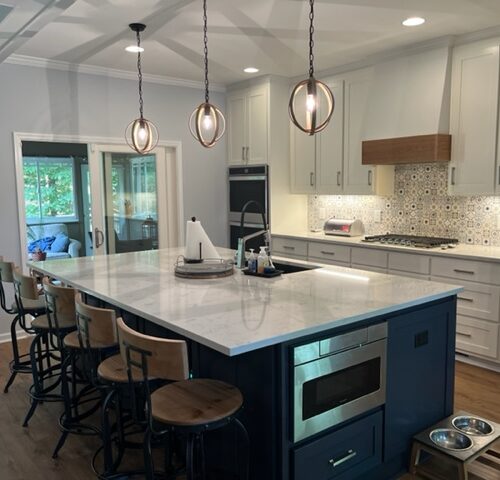
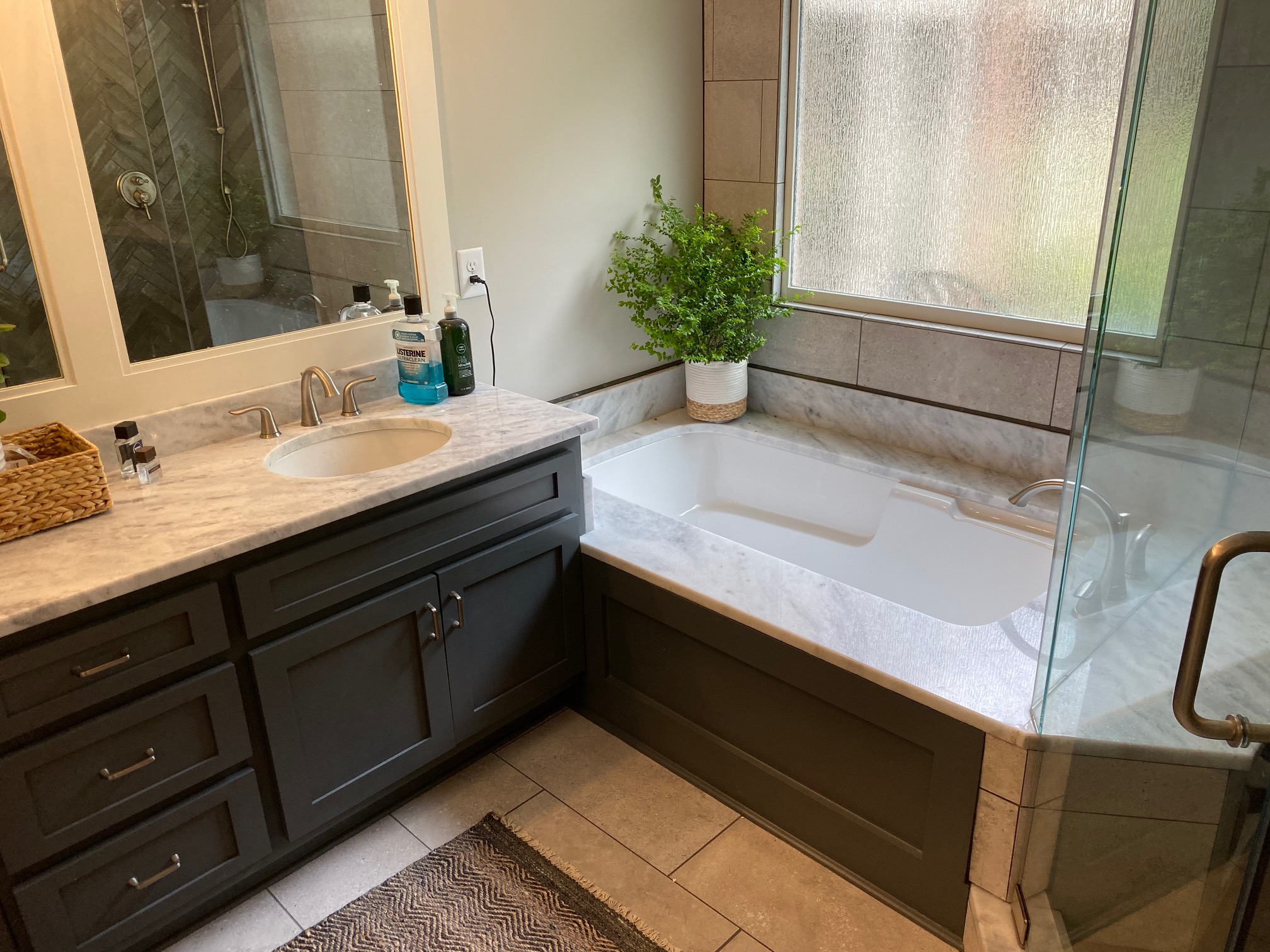
Modern Kitchen with Gray Cabinets, Quartz Countertops, Navy Island, Pendant Lights & Patterned Tile

Where Atlanta Homeowners Are Renovating Kitchens in 2026: Neighborhood-by-Neighborhood Breakdown

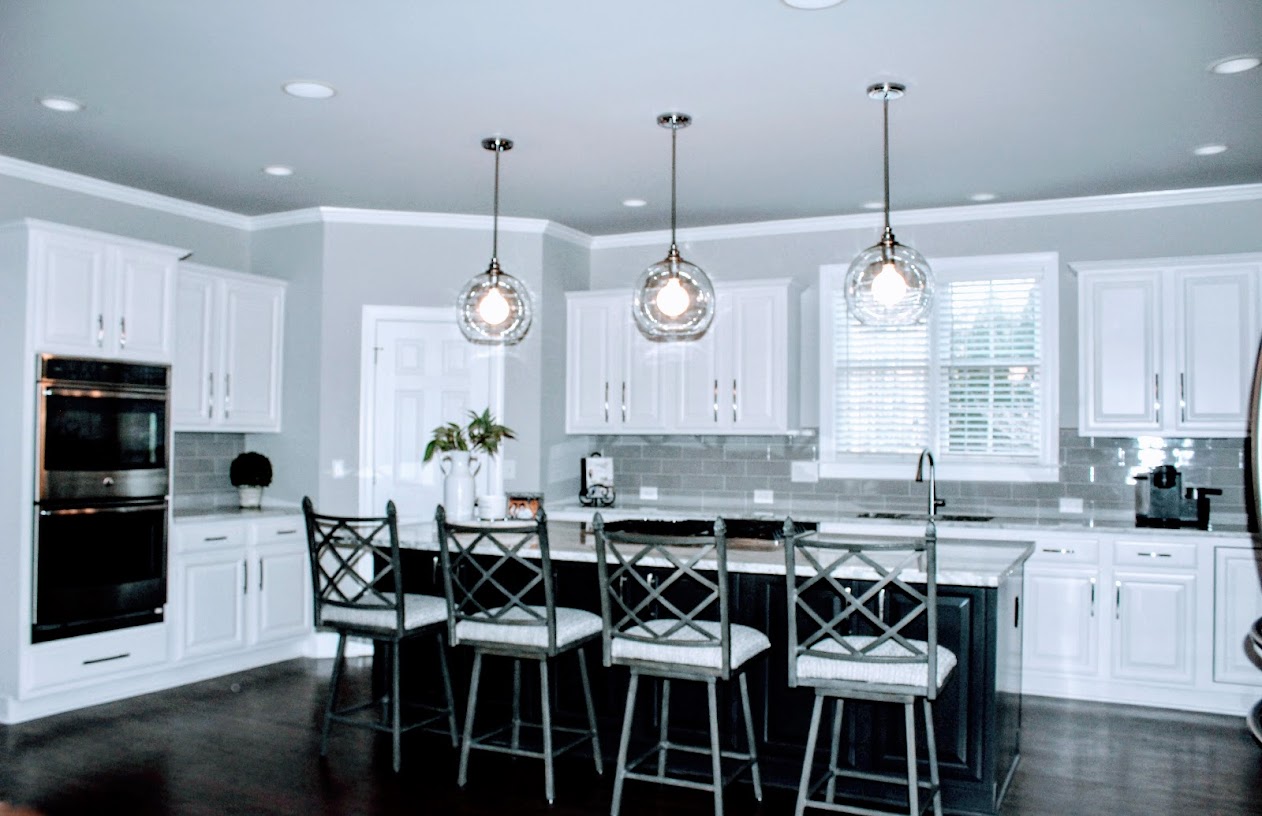
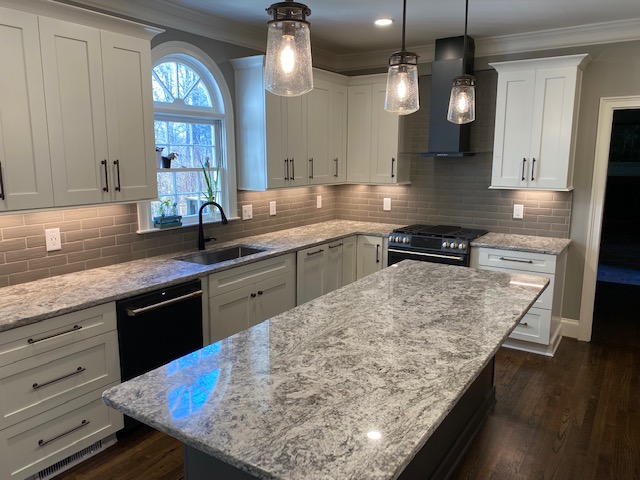
"Classic Kitchen with Granite Island, White Cabinets & Natural Light "

After more than two decades of cutting stone for homeowners across the metro, we have seen the map of where people are investing in their homes shift again. Some pockets stay consistently busy. Others heat up suddenly when a wave of younger families moves in and decides the original 1990s oak cabinetry has to go. In our experience, the neighborhoods driving kitchen remodel activity right now are not necessarily the wealthiest, but those where housing stock is just dated enough to demand updates, and where buyer expectations have shifted faster than the building stock has kept up.

This year, the conversations sound a little different from those they did three years ago. Homeowners are asking smarter questions about stone selection, layout, and how their choices will hold up to humidity, kids, dogs, and the realities of cooking three meals a day. Fewer want sterile white boxes. More want warmth, texture, and surfaces that age well.

Below is what we are seeing on the ground, neighborhood by neighborhood, along with the styles, materials, and details defining the busiest remodels of 2026.

Buckhead: The High-End Standard-Setter

Few places in metro Atlanta drive design conversation the way Buckhead does. The homes here are large, the budgets are real, and the buyers who walk through these properties expect a level of finish that signals serious investment. In our shop, Buckhead jobs tend to involve the largest slabs, the most book-matching requests, and the longest lead times on imported quartzite.

What we are seeing in Buckhead this year:

  • Waterfall islands at scale: Twelve-foot runs are common, with some homes pushing to fourteen feet. Book-matched quartzite, often Taj Mahal or Sea Pearl, is the most-requested stone.
  • Full-slab backsplashes that mirror the island stone, replacing tile entirely behind the range.
  • Butler’s pantries that function as full secondary work zones, often with their own sink and second dishwasher.
  • Plaster range hoods, hand-troweled and integrated into the wall above the cooktop as a sculptural feature.
  • Cambria quartz appears more often in perimeter runs, paired with natural stone on centerpiece Cambria Premier Partner selections, letting homeowners balance maintenance with visual drama.

What dated look concerns Buckhead buyers most? Brown-and-gold granite from the mid-2000s, raised-panel cherry cabinetry, and tile countertops with grout lines running through prep areas. Listings with those features tend to sit longer, even at price points where almost everything else is updated.

Why Buckhead Sets the Tone

When a Buckhead remodel uses a particular stone or finish, that choice tends to ripple outward. Brookhaven, Sandy Springs, and parts of Alpharetta follow within twelve to eighteen months. It is worth watching what is being installed here, even if your project is in a different ZIP code.

Brookhaven and Sandy Springs: The Suburban Sweet Spot

These two areas are arguably the busiest parts of our calendar in 2026. The housing stock skews mid-century ranch and brick traditional, with a steady stream of families upgrading kitchens that have not been touched since the early 2000s. Budgets are substantial but not unlimited, and the priorities lean practical: bigger work zones, better storage, surfaces that survive school lunches and weekend entertaining.

We are seeing a lot of two-tone cabinetry here. Light perimeter, deeper island, usually navy, sage, or natural white oak. Quartz often wins for perimeter surfaces because it shrugs off the daily abuse of a working family kitchen, while a more dramatic natural stone, frequently quartzite, takes the island. The result is a kitchen that photographs beautifully and survives a Tuesday morning school rush.

Decatur and Oakhurst: Character-First Remodels

Decatur is a different animal. Many of the homes here were built between the 1940s and 1960s, and the people buying them now want to honor that character rather than erase it. The remodels we work on in Decatur tend to be smaller in footprint but heavier on detail.

What that looks like in practice:

  • Honed (rather than polished) finishes on marble and soapstone surfaces.
  • Open shelving is used sparingly, often flanking a window or above a coffee zone.
  • Mixed metals, leaning brass and aged bronze rather than bright chrome.
  • Soapstone is making a quiet comeback for prep areas, valued for its naturally non-porous quality and the way it ages into a soft patina.

A note on soapstone, since it comes up often: it does not require sealing for protection. Some homeowners apply mineral oil for the visual effect of a deeper color, but that is aesthetic, not functional. We mention this because there is a lot of conflicting information online about how to care for soapstone.

What Decatur Homeowners Avoid

Glossy finishes. Heavy ornamental detail. Anything that reads as builder-grade. The aesthetic here favors quiet craftsmanship over showmanship, and that shows in the materials people pick.

Alpharetta, Milton, and Johns Creek: New Construction Meets Renovation Wave

The northern arc of the metro has been growing for years, and many of the homes built between 2005 and 2015 are now hitting the point where their original finishes feel dated. We are getting more calls from Alpharetta and Milton this year than from almost anywhere else outside the perimeter. Most projects involve a full gut-and-rebuild of the existing footprint rather than structural changes.

Common requests:

  • Removing builder-grade granite, often the speckled brown or gold variants, and replacing it with quartz or quartzite.
  • Trading raised-panel oak cabinetry for shaker doors in warm white or a soft greige.
  • Adding a proper prep zone with a secondary sink, especially in homes where the family often entertains.
  • Installing a pot filler above the range is now expected at this price point.

Roswell, East Cobb, and Marietta: Traditional Homes, Updated Carefully

These areas hold some of the strongest examples of Atlanta’s traditional architecture, and the homeowners here tend to want updates that feel layered onto the original house rather than imposed on it. The work is satisfying because it requires real thought about how a modern kitchen fits within a 1980s or 1990s brick-and-mortar traditional.

What we are installing most often in 2026:

  • Marble or marble-look quartzite in classic white-and-gray palettes (Calacatta is still requested by name).
  • Granite countertop options in soft, low-movement varieties for homeowners who want natural stone without the maintenance of marble.
  • Furniture-style island bases with decorative legs.
  • Glass-front upper cabinetry flanking a custom hood surround.
  • Mixed warm metals: unlacquered brass paired with stainless or polished nickel.

Material Trends Driving 2026 Remodels Across the Metro

Stone selection has changed more in the last three years than in the previous ten. Engineered quartz still holds a major share of perimeter installations because of its consistency and low-maintenance reality, but natural surfaces have come roaring back for islands and statement walls. Quartzite, in particular, sits at the top of almost every wish list we see now.

A quick reminder: quartzite and quartz are not the same material. Quartzite is a natural metamorphic rock formed from sandstone under heat and pressure. Quartz is an engineered surface made by binding ground natural quartz with polymer resins, typically with a quartz content of 90 to 95 percent. They behave differently, they look different up close, and they require different care. Anyone selling them as interchangeable is doing the homeowner a disservice.

Material

Type

Sealing

Heat Tolerance

Best For

Granite

Natural stone

Periodic, varies by slab porosity

High

Family kitchens, outdoor surfaces

Quartz (engineered)

Manufactured

None required

Moderate, avoid hot pots

Perimeter runs, busy households

Quartzite

Natural stone

Periodic

High

Statement islands, waterfall edges

Marble

Natural stone

Periodic

High but stains easily

Baking zones, traditional designs

Porcelain (sintered)

Manufactured

None required

Very high

Modern looks, outdoor kitchens

Soapstone

Natural stone

None (oil for aesthetics only)

Excellent

Character kitchens, prep areas

Results vary by slab, finish, and how the surface is used in the home.

What Buyers Actually Notice in 2026

Among the homeowners we work with who plan to sell within five years, the same handful of features keep coming up as priorities: visible stone quality, integrated or panel-ready appliances, a functional pantry space, and lighting that flatters both the cook and the food. Granite in dated brown tones is the single most-mentioned turnoff. White-on-white is now considered safe, even slightly conservative, while warm neutrals (cream, soft greige, mushroom, sage) read as current.

Color and Cabinetry Shifts Worth Watching

Warmer, more nuanced palettes have replaced the cool, bright white look that dominated the 2010s. Creamy whites and soft taupes photograph well and feel inviting in person, which matters when families spend most of their waking hours in the room. Two-tone setups remain the dominant approach, typically pairing a lighter perimeter with a deeper island or accent run. Natural wood, especially rift-cut white oak, has taken a serious chunk of the market for island cabinetry.

A few details to keep in mind:

  • Matte and satin finishes hide fingerprints far better than glossy lacquers.
  • Inset doors read more custom than overlay, but the price difference is significant.
  • Hardware in mixed metals is the standard now; matching every metal in the room looks dated.

Lighting and Layout: Where the Money Quietly Goes

A kitchen can have the most beautiful stone in the metro and still feel flat if the lighting is wrong. We are seeing more homeowners invest in layered lighting plans: dimmable recessed cans, under-cabinet LED strips, statement pendants over the island, and accent lighting inside glass-front cabinetry. The visual impact is significant, and it is one of the few categories where modest spending produces outsized results.

On layout, the “open everything” trend has softened. Broken-plan kitchens, where partial walls, archways, or large islands separate the cooking area from the living area without closing the room off, have replaced the totally open floor plan in many of our high-end Buckhead and Sandy Springs jobs.

Frequently Asked Questions

  • What is the new look for kitchens in 2026?

    The dominant aesthetic this year is warm and layered, not cool and minimal. Cream and taupe perimeters paired with darker islands in navy, sage, or stained white oak define the look. Natural stone with visible movement (quartzite, marble, character-grade granite) replaces solid-color engineered surfaces on islands. Mixed metal hardware, full-slab backsplashes, custom hood surrounds, and dimmable layered lighting round out the picture. The overall feeling people are after is collected and personal rather than showroom-perfect.

  • What is the no-go area in Atlanta?

    This question comes up often in a real estate context rather than a design context. From a renovation standpoint, the areas with the least activity tend to be historic districts with strict preservation oversight, where structural changes face longer approval timelines and tighter material restrictions. Inman Park and parts of Druid Hills fall into this category. Homeowners absolutely renovate there, but they plan for extra review time and work with contractors who know the historic preservation process inside out.

  • What are the predicted renovation trends for 2026?

    Across the metro, four shifts stand out. First, warm neutrals replacing cool whites in cabinetry and walls. Second, natural stone is returning to islands and feature walls, particularly quartzite. Third, broken-plan layouts replacing fully open ones, with butler's pantries handling the mess. Fourth, integrated panel-ready appliances are becoming the baseline at higher price points rather than a luxury upgrade. Smart technology continues to spread, but homeowners want it invisible. The era of obvious touchscreens on every surface is over.

  • What is coming to Atlanta in 2026?

    The metro continues to see growth in residential development across Alpharetta, Milton, Cumming, and the northern suburbs, along with infill projects closer to the city. New mixed-use developments are adding to the housing stock in areas like West Midtown and the BeltLine corridor. From a homeowner's perspective, the more relevant story is the rolling wave of mid-2000s homes reaching the point where original finishes feel dated, which is fueling a steady pipeline of remodels in established suburbs built out fifteen to twenty years ago.

Ready to Plan Your Atlanta Kitchen Project?

Every neighborhood has its own rhythm, and so does every home inside it. If you are weighing materials, comparing options, or trying to figure out where to start, we are happy to walk you through it. Take a look at our recently completed project photos or get in touch directly to schedule a showroom visit and discuss your space.

Val Carvalho is a manager at Atlanta Stone Creations, with nearly two decades of experience in the stone and design industry. In addition to her leadership role, Val plays a key part in sales and design, bringing creativity, precision, and a strong sense of style to every project. Known for her warm and collaborative approach, she builds strong relationships with both her team and her clients. Val is passionate about delivering beautiful, high-quality results and creating an exceptional experience from start to finish.

Luxury vs. Mid-Range Countertops: When Does Splurging Pay Off at Resale?

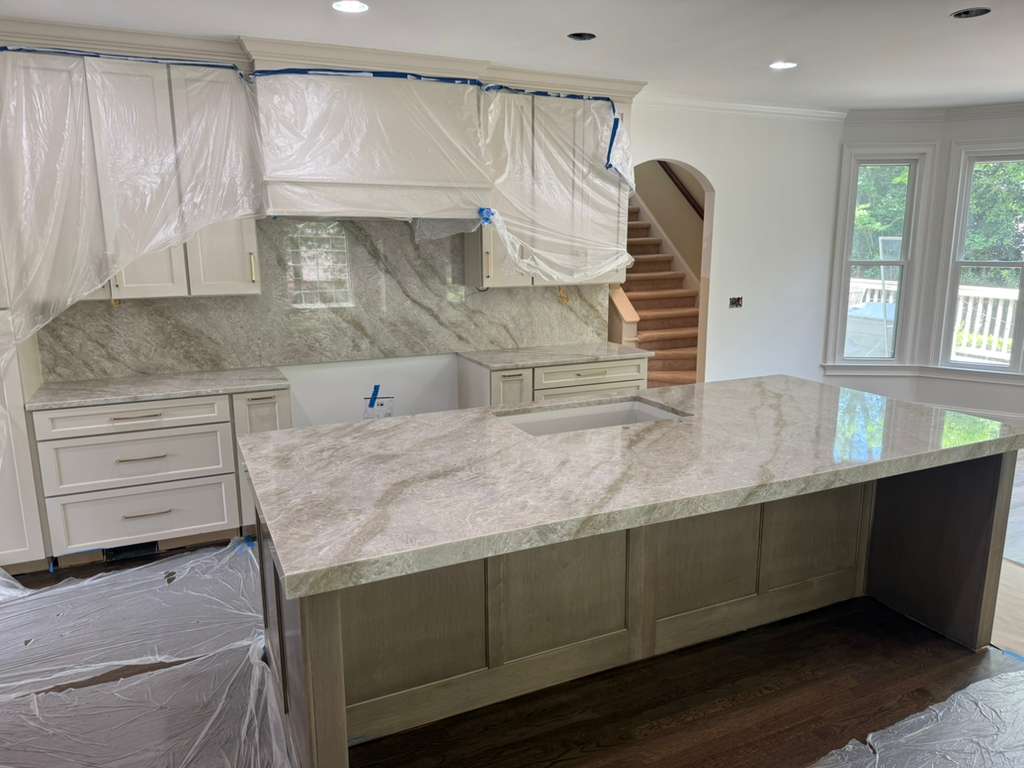
Luxury vs. Mid-Range Countertops: When Does Splurging Pay Off at Resale?

There is a moment in almost every kitchen remodel where the conversation stalls at the slab yard. The homeowner has narrowed it down to two candidates. One is a clean, dependable surface that costs what was budgeted. The other is something unusual, with veining that catches light differently and a price tag that climbs with every square foot. The question hanging over the room is the same one we hear in our Atlanta showroom several times a week: Will the second choice actually pay me back when I sell?

The honest answer is sometimes yes, sometimes no, and the variables that decide which way it lands are rarely about the stone itself. They are about the neighborhood, the buyer pool, the rest of the kitchen, and how long the seller plans to stay. After more than two decades of fabricating and installing surfaces across Metro Atlanta, our team has seen the math swing both ways. Let us walk through what makes a real impact.

What “Luxury” and “Mid-Range” Actually Mean on a Countertop

The terms get thrown around loosely. To a tract-home builder, anything beyond a basic prefab slab feels upmarket. To a custom builder in Buckhead, the floor of “acceptable” might already sit where most homeowners assume the ceiling is. So before we talk about what pays off, we should agree on what we are comparing.

In practical fabricator terms, the tiers usually break down like this:

  • Builder-grade or entry options, including basic laminate, prefab edge-bullnose slabs, and the most common, lower-priced engineered surfaces. These show up in starter homes and rental properties.
  • Mid-tier choices, which cover the everyday workhorses: standard granite color groups, mainstream quartz patterns, and entry-level quartzite. These materials read as “real stone done well” without dipping into rare territory.
  • High-end selections, where the conversation shifts to bookmatched slabs, exotic quartzites with unusual movement, premium Cambria designs, large-format porcelain, and rare marble varieties. Edge profiles get more involved, seams get more carefully planned, and the slabs themselves are often hand-picked.

Where you sit on that spectrum matters less than where your house sits. A premium slab in a townhome surrounded by laminate kitchens is overshooting. A safe mid-tier choice in a million-dollar listing is undershooting. Match the surface to the market, not to the magazine spread you bookmarked.

Why the Tier Question Gets Tricky in Metro Atlanta

Atlanta is unusually segmented in its buyer expectations. A renovated bungalow in Grant Park draws a very different buyer than a new-build in Alpharetta or an estate home on the Chattahoochee. We see the same square footage of countertop pull wildly different returns depending on zip code and price band. That is the part competitor articles tend to skip. They write as if the country is one homogenous market. It is not, and Atlanta in particular rewards owners who pay attention to comps.

What the Data Actually Says About Kitchen ROI

Before guessing at returns, it helps to look at the most cited industry benchmark: the annual Cost vs. Value Report from Zonda and Remodeling Magazine. The 2025 edition is clear on a few points worth understanding before you commit to a tier.

A minor kitchen remodel, which the report defines as keeping the existing cabinet boxes, refreshing fronts and hardware, swapping in new surfaces, and updating fixtures and flooring, remains the single interior project to break 100% ROI nationally. By contrast, a major upscale kitchen overhaul typically recoups roughly half of its cost. The pattern repeats year after year.

What this tells us about countertop choice specifically is straightforward. The surface itself is one of the highest-impact line items inside a smart minor remodel. But once a kitchen project crosses into upscale territory with luxury finishes throughout, the return percentage falls, even when individual materials are genuinely beautiful. The math is not punishing the slab; it is punishing the total spend relative to the neighborhood ceiling.

The 15% Rule of Thumb

A common piece of guidance among real estate professionals: total kitchen spend should hover near 15% of the home’s value. Push past that, and you are buying for yourself, not for resale. Push well under, and you may underinvest in the room buyers care most about. Countertops typically account for 10 to 15% of a full kitchen budget, sometimes more for stone-heavy designs.

When Splurging Genuinely Pays Off

There are real scenarios where reaching for a higher tier earns its keep. We have seen them play out enough times to feel comfortable making the call.

The home is already in a premium tier of its neighborhood. Buyers shopping that bracket expect upgraded finishes throughout. A mid-tier slab will read as a value-engineered shortcut and can actually cost you in negotiations. Premium materials here just meet expectations.

The kitchen is the visual centerpiece of the floor plan. Open-concept layouts mean the surfaces are visible from the living area and the entry, and sometimes from the dining room. When the slab is on display from every angle, investing in something with presence yields a higher payoff than tucking the same slab into a closed-off galley.

You plan to stay five-plus years. Longer ownership shifts the calculation. You get years of personal enjoyment from the upgrade, and the surface still looks current when you list. Pure resale math weakens; total value of ownership strengthens.

The buyer profile in that area skews toward design-aware shoppers. Intown Atlanta neighborhoods with strong design culture (think parts of Inman Park, Virginia-Highland, Morningside) reward distinctive selections in ways that suburban subdivision buyers usually do not.

You are correcting an obvious downgrade. If everything else in the kitchen is upscale and the surfaces are the laggards, upgrading them rebalances the room. The before-and-after delta is where the value lives.

When the Splurge Quietly Backfires

The reverse list matters just as much. Here is where we have watched the extra spend disappear at closing:

  • Exotic patterns so distinctive they polarize buyers. Loud movement that one person calls art and another calls busy.
  • Premium surfaces in a kitchen with dated cabinets, old appliances, or original flooring. The slab becomes a lonely upgrade.
  • Top-tier installation in a price band where buyers are not searching for finishes at all; they are searching for square footage and school zones.
  • Custom shapes or edge profiles that future buyers will need to rework if anything ever cracks or chips.

The Mid-Range Sweet Spot

For a meaningful share of Atlanta homes, mid-range surfaces are the right answer. Not because they are a compromise, but because they hit a return profile that hard-to-beat upgrades cannot match. Cabinet refacing combined with new mid-tier countertops, a fresh sink, and updated hardware is essentially the Cost vs. Value Report’s recommended formula, and it is recommended for a reason.

A well-chosen mid-range granite or a mainstream quartz pattern delivers most of what buyers consciously evaluate: a real-stone aesthetic, low daily maintenance, durability that survives showings, and a finish that photographs well in listings. Some buyers can identify a luxury slab at a glance. Most cannot. They feel “this kitchen looks updated” and move on to the next room.

Where Mid-Range Holds Its Own Visually

Quartz, in particular, has narrowed the gap. Modern engineered surfaces can convincingly mimic the veining of marble or the textures of concrete while avoiding the maintenance penalty. For a buyer touring a home, a mid-range quartz with subtle Calacatta-style veining often reads identically to far pricier marble. Granite has its own sweet spot in solid-color groups and mainstream movement patterns, which photograph beautifully without commanding the premium that exotic slabs do.

Material-by-Material Snapshot

Here is how the common surfaces compare from a resale and value-positioning standpoint. This is the kind of summary chart we wish more clients saw before they walked into a slab yard.

Material

Typical Tier

Strengths for Resale

Buyer Considerations

Care Profile

Granite (mainstream colors)

Mid

Broad appeal, “real stone” perception

May need periodic sealing depending on the slab

Periodic sealing varies by stone

Granite (exotic slabs)

High

Visual drama, statement piece

Polarizing patterns can narrow the buyer pool

Same general care as standard granite

Quartz (mid-tier engineered)

Mid

Consistent look, no sealing, photographs well

Engineered, not natural stone

Daily wipe-down, mild soap

Quartz (designer collections like Cambria)

High

Premium patterns, lifetime warranty support

Higher upfront, similar care to mid-tier

Same routine as any quartz

Quartzite

Mid to High

Natural stone with a strong durability profile

Often confused with quartz; clarify with buyers

Sealing recommended; varies by slab

Marble

High

Timeless luxury cue, white tones

Etches from acids; not ideal for heavy-use kitchens

More attentive care; sealing required

Porcelain (sintered surfaces)

High

Heat and UV resistance, large formats

Newer category; buyer familiarity is still growing

Low maintenance, no sealing

Soapstone

Mid to High

Distinctive matte aesthetic

Niche look; not for every buyer

Naturally non-porous, mineral oil for appearance

Laminate

Entry

Budget-friendly, easy to replace

Reads as dated in mid-tier and above markets

Wipe-clean, but vulnerable to heat

Worth noting on terminology: quartz and quartzite are commonly confused, even by listing agents. Quartz is engineered, roughly 90 to 95% ground natural quartz bound with polymer resins. Quartzite is a natural metamorphic rock cut from quarried slabs. Buyers who know the difference will check listing language, so accuracy in marketing materials matters.

Resale Strategy by Timeline

How long until you sell shapes the right answer more than any other single factor. We use a simple framework with clients:

  • Selling within twelve months: stay mid-range, lean neutral, prioritize “move-in ready” perception over distinctiveness.
  • Selling in two to four years: mid-range to upper-mid is the safer zone. You get a few years of enjoyment, and the surface still feels current at the time of listing.
  • Selling in five-plus years, or no firm timeline: the splurge becomes more defensible. Personal enjoyment compounds. Just keep edge profiles and color palettes broadly appealing.

Working With Cabinets, Not Against Them

One of the most common mistakes we see is treating the surface decision in isolation. The cabinets dictate so much of what a slab will look like in context. A premium slab over tired cabinets looks like what it is: a single upgrade in a half-finished kitchen. Conversely, mid-range countertops over freshly refaced cabinets can read as a complete, considered remodel.

If you are weighing whether to splurge on the slab or rework the cabinets, the cabinet decision usually wins. Custom cabinetry occupies more visual real estate, and refaced cabinets paired with a smart mid-tier surface beat untouched cabinets paired with a luxury slab almost every time. It is one of the few renovation truths that holds across price bands.

How Atlanta-Specific Factors Affect the Math

A few realities shape this market specifically. Atlanta’s climate puts less stress on indoor surfaces than coastal humidity does, so durability concerns lean more toward daily use than environmental wear. Open-concept layouts dominate new and renovated homes, raising the visibility (and importance) of the kitchen surface. Buyers shopping in town neighborhoods often place more weight on design originality than suburban shoppers, who tend to place more weight on perceived maintainability.

There is also the matter of school-district homes and how quickly they turn. In high-demand zones, even a competent mid-range remodel will draw multiple offers. In those cases, splurging on premium materials rarely adds proportional value, because the home was going to sell strongly regardless.

Frequently Asked Questions

  • What is the best countertop for resale value?

    For broad market appeal, mid-tier quartz in neutral tones tends to deliver the most reliable resale support across price bands. It photographs well, requires no sealing, and reads as "updated" to almost every buyer demographic. Granite remains a strong second, especially in solid-color groups. The truly best choice depends on your home's price tier and neighborhood comps, so a surface that wins in one zip code might disappoint in another only a few miles away.

  • What is the ROI on kitchen countertops?

    Industry data from the 2025 Cost vs. Value Report shows minor kitchen remodels, which include new surfaces, can return at or above 100% of project cost nationally. Countertop-only updates within a minor refresh tend to track similarly. Major upscale kitchen overhauls typically recoup closer to 50%, partly because luxury finishes throughout exceed what buyers are willing to pay back. Returns also vary by region, so that Atlanta numbers may run slightly above or below national averages, depending on the year and neighborhood specifics.

  • What kitchen upgrades decrease home resale value?

    Highly personalized choices tend to hurt rather than help. Bold, unusual colors on cabinetry or fixtures, layouts that remove storage, ultra-niche appliances that average buyers find intimidating, and exotic surfaces with polarizing patterns are common culprits. Overinvesting beyond neighborhood ceilings also backfires; a million-dollar kitchen in a half-million-dollar home rarely recovers the spread. Removing functional features (like a pantry or breakfast nook) to chase a design trend is another reliable way to narrow your buyer pool.

  • Can you negotiate countertop prices?

    There is some flexibility, particularly around slab selection, edge profiles, and timing. Choosing from a fabricator's available inventory rather than ordering a specialty slab usually yields better value. Standard edge profiles, like eased or quarter-round, cost less than ogee or waterfall edges. Off-peak scheduling can sometimes help. We would caution against pushing too hard on installation labor, since shortcuts there show up later as failed seams, uneven overhangs, or poorly supported overhangs that crack under stress.

Ready to Choose a Surface That Earns Its Spot?

Every kitchen has the right answer, but it rarely comes out of an online calculator. The combination of your neighborhood, your home’s price band, your timeline, and the rest of the room all factor into whether the splurge will reward you or stall on you. Our team at Atlanta Stone Creations walks clients through this conversation every week, often before a single slab is selected.

If you are planning a remodel and want a candid, no-pressure read on where your budget will work hardest, explore our gallery of completed projects or reach out for a personalized consultation. We will tell you when the upgrade makes sense, and just as importantly, when it does not.

Val Carvalho is a manager at Atlanta Stone Creations, with nearly two decades of experience in the stone and design industry. In addition to her leadership role, Val plays a key part in sales and design, bringing creativity, precision, and a strong sense of style to every project. Known for her warm and collaborative approach, she builds strong relationships with both her team and her clients. Val is passionate about delivering beautiful, high-quality results and creating an exceptional experience from start to finish.

Countertop ROI by Material: Which Surface Delivers the Strongest Return?

Countertop ROI by Material: Which Surface Delivers the Strongest Return?

Choosing a kitchen surface for resale is a different exercise from choosing one for daily life. Both matter, of course, but a homeowner planning to sell inside the next five years is essentially asking a question about market psychology: what will the next buyer pay extra for, and what will they shrug at? Around Metro Atlanta, that question lands on our desk almost weekly. Sellers in Buckhead, Marietta, Alpharetta, and the intown neighborhoods all want the same thing: a finish that feels current, holds up to a home inspection, and signals “move-in ready” without overshooting the rest of the home.

The honest answer is that no single surface wins every category. Granite still carries weight in traditional builds. Quartz dominates younger buyer searches. Quartzite has been pulling ahead in higher-end listings. And the actual return on a countertop swap depends less on the slab itself and more on how the kitchen sits in its neighborhood. We’ll walk through the numbers and the nuance below.

Why Countertops Carry So Much Weight at Resale

Walk into any kitchen, and your eye lands on the work surface first. Cabinets matter, sure, but they sit underneath. Counters are eye level. They reflect light, catch fingerprints, and, at a glance, tell a buyer whether the kitchen has been touched in the last decade.

That visual weight has a financial echo. According to a recent National Association of Home Builders survey, roughly 78% of buyers said they preferred stone countertops, whether engineered or natural. That preference shows up in how quickly homes move. Listings with updated stone surfaces tend to attract faster offers, especially in the $400K and up bracket, where buyers expect a certain finish level baked into the asking price.

A few things drive that buyer reaction:

  • The kitchen reads as “done” rather than as a future project
  • Stone signals durability, which buyers interpret as lower maintenance ahead
  • Premium materials photograph well, and listing photos do half the selling
  • A fresh surface often hides minor cabinet wear that would otherwise stand out

In our experience working with Atlanta-area realtors, the high-impact upgrades almost always include the counter. Replacing tired laminate or worn tile with a current stone option is often the single biggest visual lift in the entire house.

What the 2025 Cost vs. Value Report Actually Says

Here’s where the resale math gets interesting. The Cost vs. Value Report from Zonda, published annually with Remodeling magazine, gives the cleanest national read on remodel returns. The 2025 edition found that a minor kitchen remodel in the $28,000 to $30,000 range delivered the strongest ROI of any interior home improvement project, with a national ROI of nearly 113%.

That’s a kitchen refresh, not a gut renovation. It involves keeping the existing cabinet boxes, replacing the fronts and hardware, and updating the appliances, counters, sink, and flooring, with no structural changes. Counters are a centerpiece of that scope.

What about high-end, gut-it-all overhauls? The data is less generous. Major remodels in the $82,000 to $164,000 range typically return only 36% to 51% of their cost at resale. The takeaway for sellers is pointed: the surface change carries more weight than the structural one. A targeted upgrade of countertops and a few visible features often beats a sprawling redesign on pure return on investment.

Why such a high spread? A few reasons stand out:

  • Buyers pay for what they see, not for the framing inside the walls
  • Layout changes get personalized to the seller’s taste and may not match the next owner’s preferences
  • A polished refresh signals care without making buyers wonder what got rewired
  • Neighborhood ceilings cap what any kitchen can recoup, no matter the spend

Granite’s Place in the Resale Conversation

For roughly two decades, granite has been the default upgrade in mid-range American kitchens. Granite still sells homes, but its position has shifted. In some Atlanta neighborhoods, it now reads as an expected baseline rather than as a premium feature. In others, particularly traditional or historic districts, it remains a strong fit.

Buyer Perception of Granite

In our showroom conversations, we see two camps. Buyers over 50 tend to associate granite with quality and high craftsmanship. Younger buyers, especially first-time purchasers, are split. Some want the consistency of an engineered surface, others love the visible movement and depth of a natural stone slab. Neither group dismisses granite outright, but the high-pattern, busy slabs that were popular in 2010 can date a listing.

Color matters here. Lighter, calmer granite slabs (think creamy whites with soft gray veining, or muted browns) read as more current than the heavily speckled, multi-tone options that defined the 2000s. Granite, in calmer tones, still retains full resale value in most of our markets.

Care Considerations

Sealing Schedules

Granite is porous, and most slabs benefit from periodic sealing. How often depends on the specific stone. Denser, darker granites may go years between treatments. Lighter, more absorbent slabs may need resealing every 12 to 18 months. The sealing process itself is straightforward, often a DIY task, but it should be disclosed to buyers when relevant.

We’ve found that a properly sealed granite surface gives buyers confidence. A neglected one, with visible water rings or oil stains around the cooktop, will work against the listing. If you’re selling, a fresh seal before photos is a small investment with real roi benefit.

Quartz: Why Buyers Keep Asking for It

If you ask our team which walkout the door fastest right now, the answer is quartz. Quartz countertops lead the modern resale conversation across most of our service area, and the numbers back it up. Market data from one industry analysis suggests roughly 68% of homebuyers specifically search for properties with quartz surfaces, making it a powerful selling feature.

What makes engineered quartz so popular?

  • Consistent color and pattern from slab to slab
  • Non-porous surface that resists staining without sealing
  • Designs that mimic marble veining without the upkeep
  • Strong manufacturer warranties on most premium brands
  • Broad availability in showrooms, which speeds project timelines

As a Cambria Premier Partner, we work extensively with this engineered surface, and the Cambria quartz lineup gives buyers a name they recognize from kitchen magazines and television design shows. That brand familiarity has its own. resale value

How Quartz Performs in Listings

In our recent project work across Sandy Springs and East Cobb, sellers who upgraded to quartz before listing reported faster timelines and stronger offer activity. That tracks with broader research showing quartz surfaces help kitchens read as move-in ready, which is the single phrase buyers most want to feel when they walk in.

Where Quartz Falls Short

Quartz is not invincible. It dislikes direct, sustained heat, and pulling a hot pan straight from a 450°F oven onto a quartz slab can scorch or discolor the resin binder. The surface is also less scratch-tolerant than granite, though everyday use rarely causes issues with cutting boards. For most homeowners, these caveats are minor, but a thorough fabricator will mention them.

The Quartz vs. Quartzite Mix-Up

This constantly trips up buyers and sellers. Quartzite is a natural metamorphic rock that is mined and cut into slabs. Quartz, despite the name overlap, is an engineered surface made from roughly 90% to 95% ground natural mineral content blended with polymer resins. They behave differently, they cost differently, and they sell to slightly different buyer profiles. We always clarify which is which during the design consultation.

Quartzite, Marble, and Soapstone in the Resale Equation

Beyond granite and quartz, three other natural surfaces show up in our Atlanta projects, each with its own resale angle.

Quartzite

Quartzite has been gaining ground in higher-end Atlanta listings. It carries the marble-look appeal without the risk of staining. Slabs like Taj Mahal and White Macaubas have become signature choices for luxury kitchens in neighborhoods like Buckhead and Vinings. For homes priced above the local median, quartzite often delivers a stronger “wow” reaction than granite during showings.

It’s harder than granite, naturally heat-resistant, and less porous than marble, though sealing is still recommended on most slabs. Pricing runs higher than entry-level granite or quartz, so the roi equation depends on whether the home’s price point supports that finish level.

Marble

Marble is the polarizing one. Calacatta and Carrara marble slabs read as undeniably luxurious, and for the right buyer, they’re a major selling point. For another buyer, marble reads as fragile, high-maintenance, and likely to require future repairs. A few realities to weigh:

  • Marble etches when it meets acids like lemon juice, vinegar, or red wine
  • The natural patina many owners come to love can look like damage to a buyer
  • Marble sells best in homes already positioned at the luxury end of the market
  • Bathroom applications often carry less risk than kitchen counters

For most mid-market Atlanta homes, marble is the wrong resale bet. For luxury listings, it can be a defining feature.

Soapstone

Soapstone is the niche player. It’s naturally non-porous, doesn’t require sealing, and develops a soft patina over time that owners often grow attached to. Some homeowners apply mineral oil for aesthetic reasons, though it isn’t strictly necessary for protection.

Resale-wise, soapstone has a small but devoted audience. In historic homes, farmhouses, and certain architectural styles, it can be a strong fit. In a generic suburban kitchen, it can read as quirky. Match the material to the home, or it works against you.

Porcelain Surfaces and Where They Fit

Porcelain countertops, sometimes marketed under names like Dekton or Neolith, are sintered slabs, not stone in the geological sense. They’re manufactured under heat and pressure to create an extremely dense, non-porous surface.

For resale, porcelain is still relatively new in most Atlanta neighborhoods. Buyers may not recognize it by name, which cuts both ways. It can read as cutting-edge to a design-savvy purchaser, or as unfamiliar to a traditional one. Where porcelain genuinely excels:

  • Outdoor kitchens, thanks to UV stability and weather resistance
  • High-traffic family kitchens, where stain resistance is paramount
  • Modern, minimalist designs with thin profiles
  • Applications near intense heat sources

If your buyer pool skews modern, porcelain can be a differentiator. For most traditional Atlanta resale scenarios, the safer bets remain granite and quartz.

Side-by-Side Material Snapshot

A quick visual reference for how each surface lines up on the factors that influence buyer appeal and recouped value:

Material

Buyer Appeal at Resale

Maintenance Demand

Best Fit For

Granite

Strong, especially in traditional homes

Periodic sealing on most slabs

Mid-range listings, traditional kitchens

Quartz

Highest broad appeal, very strong with younger buyers

Low, no sealing required

Move-in-ready listings across all price points

Quartzite

High in luxury segments

Periodic sealing recommended

Above-median listings, modern luxury

Marble

Polarizing, strong only in luxury

High, etched with acids

Luxury listings, secondary baths

Soapstone

Niche, architectural fit-dependent

Very low, optional mineral oil

Historic homes, farmhouse styles

Porcelain

Growing recognition sis till limited

Very low

Modern designs, outdoor kitchens

When in doubt, match the material to the neighborhood’s ceiling. Spending on Calacatta marble in a $350K home rarely pays back. Installing budget granite in a $1.2M Buckhead listing can actually hurt the perceived value of the rest of the home.

How to Measure ROI Without Getting Lost in Numbers

One thing we tell every seller: ROI on a counter is not a single number. It’s a blend of three factors that move together.

  • Material fit for the home’s price tier. A surface that punches above or below the home’s bracket creates friction.
  • Quality of fabrication and installation. A premium slab installed with visible seams, uneven overhangs, or sloppy edges loses high value fast.
  • Timing relative to the listing. Surfaces installed within 12 months of sale photograph better and carry the strongest psychological weight.

We’ve seen Atlanta sellers recover well above what national averages suggest, simply because the upgrade fits the home and the market. We’ve also seen overspending on luxury slabs that didn’t translate, because the rest of the property couldn’t support the perceived price jump. The slab is one variable. The full picture matters more.

Should you upgrade if you haven’t been selling for years? That’s a different equation. In that case, the value is in daily use, not buyer math, and the material choice can lean toward personal preference.

Frequently Asked Questions

  • What are the best countertops for ROI?

    For pure return on investment, quartz tops most lists right now, particularly in homes priced at or just above the local median. It pairs broad buyer recognition with a low-maintenance appeal that buyers price into their offers. Granite still performs strongly in traditional homes and remains a safe choice. Quartzite outperforms in luxury segments where buyers expect natural stone with marble-like aesthetics. The "best" material depends entirely on the home's price tier and neighborhood expectations, not on the slab alone.

  • What is the most cost-effective stone countertop material?

    Cost-effectiveness depends on two layers: the upfront fabrication and installation outlay, and the long-term care commitment. Among stone countertops, mid-range granite typically offers the strongest balance of upfront affordability, durability, and resale recognition. Lower-tier quartz options compete closely and do not require sealing. Soapstone runs higher than people expect, given the complexity of fabrication. The most cost-effective answer for most Atlanta households planning a sale within three years is mid-tier granite or quartz in a neutral color palette.

  • What is the ROI on kitchen countertops?

    There's no single figure that applies universally. Still, countertop swaps are part of the minor kitchen remodel category that the 2025 Cost vs. Value Report places near the top for interior projects. Returns on high-quality counter upgrades tend to land in the 80% to 100% range nationally when paired with other targeted refreshes. In hot Atlanta submarkets, well-executed projects can recoup the full investment and contribute to faster days-on-market, which has its own dollar value through reduced carrying costs.

  • Do buyers prefer quartz or granite?

    Recent national surveys show buyers leaning toward quartz, particularly most homeowners under 45 who prioritize low maintenance and uniform aesthetics. Granite still has a strong following among buyers who value natural stone character and traditional design. The split varies by region and price tier. In Atlanta specifically, we see quartz dominating fresh listings in newer neighborhoods, while granite holds steady in established communities. Neither choice typically hurts a sale when the slab is well-chosen and professionally installed so that personal taste can carry weight, too.

Talk to Our Team Before You Commit

Picking the right surface for your next sale is a judgment call, not a formula. We’d be happy to walk you through slab options that fit your home’s price point and the completed projects in our gallery that show how different materials photograph and present in real homes. Reach out for a free in-home consultation, and we’ll help you make the call that pays back.

Val Carvalho is a manager at Atlanta Stone Creations, with nearly two decades of experience in the stone and design industry. In addition to her leadership role, Val plays a key part in sales and design, bringing creativity, precision, and a strong sense of style to every project. Known for her warm and collaborative approach, she builds strong relationships with both her team and her clients. Val is passionate about delivering beautiful, high-quality results and creating an exceptional experience from start to finish.
What Quartz Countertops Are Really Worth at Resale (and Why Buyers Care)

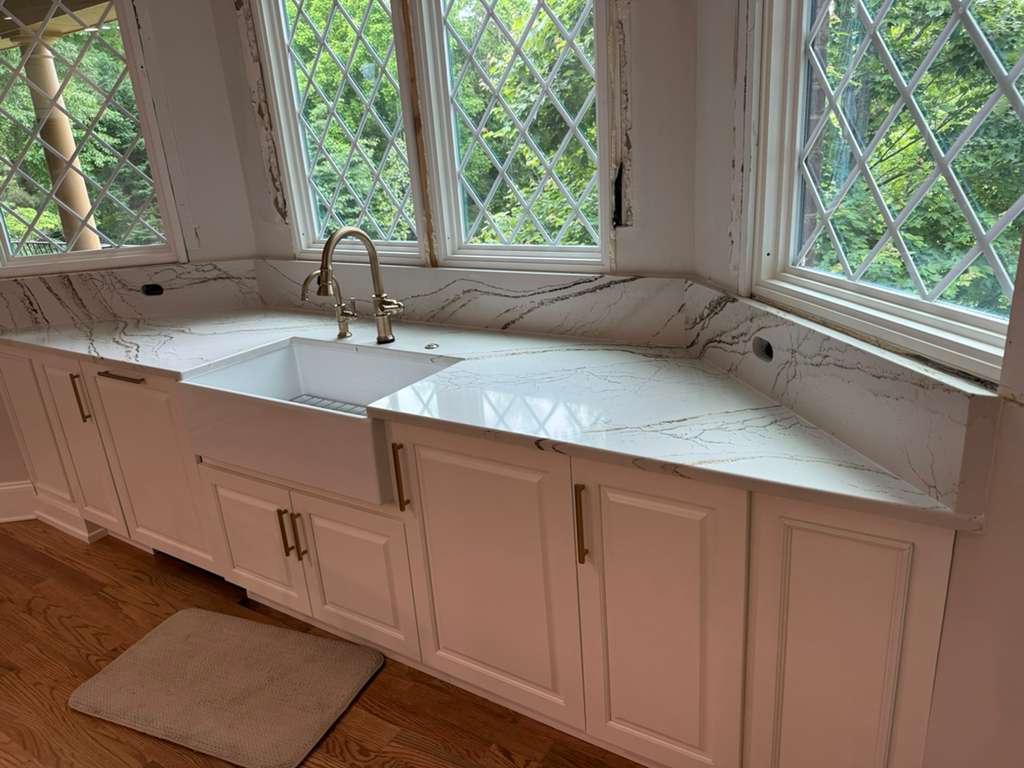
What Quartz Countertops Are Really Worth at Resale (and Why Buyers Care)

Will swapping out tired laminate or worn tile for engineered stone actually pay back when you sell? In most Metro Atlanta neighborhoods, yes, though the math is rarely as tidy as the magazines make it sound. Homes featuring quartz countertops often fetch higher resale values, especially when the kitchen is otherwise dated, and the surface fits the rest of the house.

The catch is that countertops alone don’t carry an entire listing. They are one piece of a larger story buyers tell themselves when they walk in. A polished surface in a kitchen with worn cabinetry can actually highlight what hasn’t been touched. So, before getting into the percentages and buyer psychology, it helps to understand what the upgrade is really doing for your home’s appeal.

Three things tend to happen when you put in new engineered stone:

  • Buyers register the kitchen as recently updated, even if cabinets and floors are older
  • The mental “renovation to-do list” gets shorter, which often translates to faster offers
  • Photos in the listing pull more clicks because polished surfaces photograph well

That third point matters more than people realize. Most buyers form a strong opinion of a house before they ever step inside.

What the Numbers Actually Say About ROI

Let’s get into the research, since percentages are often used carelessly in this space. The 2025 Cost vs. Value Report from Zonda, in collaboration with Remodeling Magazine and JLC, lists the minor kitchen refresh as one of the highest-returning interior projects in the country.

According to Zonda’s national data, a minor kitchen refresh, which includes new countertops, refaced cabinets, an updated sink, and a few appliance swaps, currently returns around 113% of project cost at resale. It’s one of the few interior improvements that recoup more than they cost. That sounds extraordinary, and it is, but the minor designation is doing heavy lifting. A full gut renovation with upscale finishes typically returns somewhere between 30% and 50%, depending on local market conditions.

In other words, a quartz countertop can increase resale appeal more efficiently as part of a focused refresh than as part of a sprawling overhaul. The smaller the scope, the better the return per dollar tends to look.

A few caveats worth flagging. National ROI averages mask huge regional variation. Atlanta’s Pacific-adjacent ROI markers and Sunbelt growth patterns generally favor cosmetic kitchen updates more than slower-growth regions. And these figures assume the work is professionally executed; a sloppy seam or a mismatched edge profile can erase the gain.

When Quartz Helps Most

In our experience, the upgrade pays back hardest under a specific set of conditions:

  • The existing counters are tile, laminate, or builder-grade granite from the 2000s
  • The home sits in a competitive price band where most comparable listings already have stone
  • The buyer pool skews toward families or professionals who value low maintenance
  • The kitchen layout itself is functional and doesn’t need to be reworked

When It Doesn’t

There are scenarios where a fresh surface barely moves the needle. A buyer eyeing a teardown isn’t paying extra for new countertops. Neither is a buyer who plans to gut and reconfigure. In those cases, the surface upgrade may not significantly increase your appraised home value. Spending on quartz right before listing can also backfire when the rest of the kitchen feels mismatched.

A Quick Comparison: Quartz Versus the Alternatives

Different stone types pull different buyers. No surface is universally “better” for resale, and what works in a $400k home in Sandy Springs is rarely what works in a $1.5M build in Buckhead. Here’s a practical look at how the main options stack up from a resale standpoint:

Material

Resale Appeal

Maintenance

Best For

Quartz (engineered)

Strong in mid-range and family homes

Non-porous, no sealing

Move-in ready listings

Granite

Steady; classic favorite

Periodic sealing depending on the slab

Traditional kitchens, broad buyer pools

Quartzite (natural)

Rising in the luxury tier

Sealing required

Higher-end listings, statement spaces

Marble

Polarizing; loved in luxury

Etching and staining risk

High-end kitchens, secondary spaces

Porcelain (sintered)

Niche; growing

Very low

Modern designs, outdoor kitchens

Soapstone

Specialized appeal

Naturally non-porous, oil for aesthetics

Farmhouse, period, or character homes

Note that quartz and quartzite are often confused, and they shouldn’t be. Quartzite is a natural metamorphic rock pulled from quarries. Quartz, by contrast, is engineered, roughly 90 to 95 percent of which is ground natural quartz combined with polymer resins and pigments. Both have their place, but they perform and behave differently. A buyer who specifically wants natural stone won’t be satisfied with engineered, and vice versa.

What Buyers Actually Want in 2026

Style cycles matter more than most homeowners think. A surface that screams “2010” can date an entire kitchen.

Color Trends Heading Into 2026 and Beyond

Designers and trend forecasters have been calling 2026 the year of warmth in the kitchen. Cool grays, which dominated through the late 2010s, are losing ground. According to recent reporting in Homes & Gardens, interior designer Artem Kropovinsky says light and creamy stones, soft beige, and warm quartz will dominate, alongside subtle patterns with an organic feel rather than loud or overwhelming veining.

Some specifics worth knowing if you’re choosing a slab with resale in mind:

  • Soft whites with warm veining are replacing stark, sterile whites
  • Calacatta-style patterns with gold or taupe movement remain in heavy demand
  • Warm grays and mushroom tones are pulling buyers who want neutral but not cold
  • Taj Mahal-inspired looks, both in natural quartzite and quartz versions, have surged
  • Honed and leathered finishes are gaining ground over high-gloss polish

What to Avoid

Trend-chasing can hurt resale just as easily as it can help. Loud, bold colors, sparkly aggregates, and dated speckled patterns are exactly the kind of decisions that limit your buyer pool. The safest bet for buyer appeal is a neutral palette with subtle movement that complements rather than competes with surrounding cabinetry.

Why Is Quartz on the Decline in Some Conversations?

This question comes up more often than it used to, and it’s worth addressing honestly. Engineered stone is facing real scrutiny over occupational silicosis among fabrication workers. Australia banned engineered stone in 2024, and U.S. manufacturers, including Caesarstone and Cosentino, began introducing low-silica formulations in 2025. Some designers have started steering high-end clients toward natural stone partly for this reason. That said, quartz still dominates new countertop installations in the U.S. market, and most buyers don’t factor manufacturing health concerns into their purchase decisions.

For homeowners, the takeaway is simple: choose a fabricator that follows wet-cutting and respiratory safety standards, and you can install quartz with confidence. The right quartz countertops installation, handled by an experienced fabricator, removes the worker-safety question entirely from the finished product in your home.

The Atlanta Factor: Local Patterns We See

Working with Metro Atlanta homeowners for over two decades, a few regional patterns stand out.

Atlanta buyers care a lot about the kitchen. It’s the single most scrutinized room during showings, more so than in some other markets. Homes in Brookhaven, Decatur, Roswell, and Alpharetta with updated kitchens routinely move faster, and we hear from local agents that the kitchen is the deciding factor in more transactions than any other room.

Climate is a real consideration here. Atlanta’s summer humidity makes non-porous surfaces especially appealing. Quartz handles humidity better than some natural stones that require ongoing sealing, which is part of why it has held its share of this market.

Buyer tastes lean classic. Atlanta is not San Francisco. Loud, ultra-modern slabs sometimes work in newer builds in the perimeter, but the broader market favors timeless, neutral selections. A buyer touring a 1990s ranch in Marietta wants to feel like the kitchen has been thoughtfully updated, not transformed into something unrecognizable.

If your home is in one of our service areas across Metro Atlanta and Georgia, local comparable listings tell you a lot about what buyers in your neighborhood expect. A walk through a few recently sold homes in your price band is genuinely useful research before choosing materials.

How Much Surface Area Are We Talking About?

A common question that comes up during quote conversations: how much would 20 feet of quartz countertop cost? The honest answer is that costs vary by slab choice, edge detail, cutout count, and installation complexity. A simple eased edge with one standard sink cutout is a different project from a waterfall island with a farmhouse sink and multiple electrical cutouts. Linear-foot estimates also don’t account for whether your existing cabinets need leveling or reinforcement before installation.

Anyone giving you a precise figure without seeing the project hasn’t done the math yet. The smarter approach is to get a measured quote based on your actual layout, with the slab and edge profile selected. We’d rather give you accurate numbers than guess.

Why Some Counter Choices Pay Back Better

A few habits separate the homeowners who maximize their ROI from the ones who break even or worse:

  • Pick a surface that matches the home’s price tier. A $200/sf premium slab in a starter home doesn’t return value; neither does builder-grade quartz in a luxury build.
  • Keep colors and patterns broadly appealing. Save the bold personality choices for the powder room.
  • Pair upgrades thoughtfully. A new countertop next to dated cabinets and old hardware can highlight everything you didn’t touch.
  • Choose a fabricator with strong references. Seams, overhangs, and edge details are where amateur installations fall apart.

A nicely staged kitchen is a strong selling point on its own. Adding high-quality quartz countertops in that context tends to multiply the visual impact rather than just stacking on top.

Mistakes That Erase the ROI

Some choices reliably hurt your return. From years of fabrication and installation conversations with homeowners selling within a year or two, the most common errors are:

  • Choosing a slab that matches the cabinet color
  • Going too bold with veining when the surrounding finishes are simple
  • Skimping on seam placement in long runs
  • Overlooking the edge profile in a way that makes the counter look thinner than it should
  • Installing premium quartz in a home where buyers expect natural stone

A subtle one worth flagging: matching the countertop, cabinets, and backsplash too closely. The result reads flat, almost beige-on-beige. A good design has contrast, even within a neutral palette.

Frequently Asked Questions

  • Do quartz countertops raise home value?

    Updated surfaces typically do raise perceived value, especially when the previous counters were dated. The real estate impact varies by market, but Atlanta buyers consistently respond well to engineered stone in mid-range and upper-mid-range homes. The increase isn't always reflected in formal appraisals, which weigh square footage and bedroom counts more heavily, but it shows up in faster sales and stronger offers. Pairing the upgrade with refreshed hardware and lighting often produces a bigger lift than the countertop alone would.

  • What color countertops are in for 2026?

    Warm neutrals are the dominant direction. Soft creams, mushroom-toned grays, and whites with golden or taupe veining are pulling the most buyer interest, while cool grays and stark whites are losing ground. Calacatta-inspired patterns with subtle movement remain strong sellers, particularly in mid-range Atlanta homes. Honed and matte finishes are gaining traction over high-gloss. For resale specifically, the safest play is a quiet slab with gentle veining that won't fight the surrounding cabinetry or feel dated within five years.

  • Why is quartz on the decline?

    Quartz isn't actually declining in U.S. sales; it still leads new countertop installations. The phrase comes from designer commentary on engineered stone facing, including the risk of fabrication-related silicosis, which prompted Australia's 2024 ban on the material. Some U.S. manufacturers responded by launching low-silica formulations in 2025. High-end designers occasionally steer clients toward natural stone partly because of these concerns. For most homeowners, the finished product remains safe; the risks are concentrated in unsafe fabrication conditions, not in the installed countertop itself.

  • How much would 20 ft of quartz countertop cost?

    Pricing depends on slab grade, edge profile, cutout count, and installation complexity, so that any flat per-foot quote will miss the mark. A simple eased edge with one sink cutout costs very differently from a waterfall design with multiple electrical cutouts and a mitered edge. We don't publish pricing because the variables genuinely matter. The best path is a measured quote based on your specific layout and material selection. Getting two or three quotes from established fabricators gives you a realistic range for your project.

Ready to See What Quartz Could Do for Your Home?

If you’re weighing options before listing or simply want a kitchen that finally matches the rest of your house, we’d be happy to walk you through the choices. We work with homeowners across Metro Atlanta on slab selection, fabrication, and installation, and we’re a Cambria Premier Partner with Cambria’s full design range available for review. Stop by the showroom or contact us for a free consultation and a quote based on measurements.

Val Carvalho is a manager at Atlanta Stone Creations, with nearly two decades of experience in the stone and design industry. In addition to her leadership role, Val plays a key part in sales and design, bringing creativity, precision, and a strong sense of style to every project. Known for her warm and collaborative approach, she builds strong relationships with both her team and her clients. Val is passionate about delivering beautiful, high-quality results and creating an exceptional experience from start to finish.

How Much Value Do Granite Countertops Add to a Home? A Data-Backed Answer

How Much Value Do Granite Countertops Add to a Home? A Data-Backed Answer

Ask 10 Realtors, and you’ll get 10 slightly different replies, but the data clusters into a fairly narrow band. Most industry sources estimate the recovery rate for stone countertop upgrades at 60% to 80% of the project cost when sold as a standalone improvement. When the same surface is folded into a thoughtful minor kitchen refresh, the picture shifts. A minor kitchen remodel returned 113% nationally, per the 2025 Cost vs. Value Report, with countertops among the highest-leverage components within that scope.

So yes, granite earns its keep on resale, but rarely in isolation. It works hardest when it sits next to fresh cabinet fronts, a tidy backsplash, and modern hardware.

Why a Range Instead of One Number?

Because no two houses, no two neighborhoods, and no two buyers behave the same way. A premium slab in a $1.4M Buckhead listing reads as expected baseline. Appraisers might flag the same slab in a $280K starter in Stone Mountain as an over-improvement. The recovery rate depends heavily on where the home sits in its local price tier.

What Buyers in Today’s Market Actually Care About

In our experience working with Metro Atlanta sellers, buyers are quicker now than they were a decade ago to inspect what lies beneath the surface. They open cabinets. They run a hand along the seam. They ask about backing material and edge profiles. The visual still matters, of course, but functional confidence has crept up the priority list.

Buyer priorities we hear most often during walkthroughs:

  • Does the surface look move-in ready, or will I have to redo it?
  • Is the stone sealed properly and free of obvious wear?
  • Does the color suit a wide range of cabinet finishes?
  • Will this hold up to a busy family without constant fuss?

That last point matters more than any trend forecast. Buyers walking through Roswell ranch homes or Decatur bungalows often weigh perceived upkeep against the asking price. A surface that looks great but feels high-maintenance can quietly drag negotiations.

The Real Numbers Behind Countertop ROI

Here’s where things get interesting. According to the Journal of Light Construction’s 2025 Cost vs. Value Report, a minor kitchen remodel offers an ROI of 113%, while a midrange remodel offers an ROI of 51%. The takeaway? Restraint pays. Pouring tens of thousands into a full gut renovation rarely recovers its full cost; refreshing strategically does.

The U.S. countertops market is projected to reach $35.57 billion in 2026, driven by homeowners who desire high-value renovations over relocating. Translation: more sellers are upgrading surfaces before listing rather than discounting during negotiations.

Where Granite Sits on the Spectrum

Granite countertops contribute solidly to that 113% minor-remodel figure when chosen well. The catch: buyers in 2026 are far more design-literate than they were in 2008. Heavy speckled brown slabs, the kind that defined the late-2000s boom, can read as dated. Lighter, more linear granites with subtle movement perform better in today’s listings.

Material

Buyer Appeal (2026)

Maintenance Reality

Best Fit

Granite

Strong in mid-to-high tier homes; depends on color

Periodic sealing depending on slab porosity

Traditional, transitional kitchens

Quartz

High; favored by younger buyers

Non-porous, no sealing needed

Modern, minimalist designs

Quartzite

Growing fast; perceived as premium

Periodic sealing; harder than granite

Statement islands, luxury baths

Marble

Polarizing; loved or feared

Higher upkeep; etches easily

Baking stations, pastry kitchens

Soapstone

Niche but loyal

Naturally non-porous; mineral oil applied for a look

Farmhouse, character homes

Porcelain

Emerging

Very low; sintered surface

Modern, indoor/outdoor spaces

Why Some People Say Granite Is “Out”

You may have seen the headlines. Is granite dead? The honest answer, from someone who fabricates it weekly: not really, but the conversation has changed.

Quartz has taken meaningful market share, especially in newer construction and higher-end remodels. The NKBA 2026 trends report indicated that quartz countertops were favored by 78% of survey respondents for their natural-stone appearance and low maintenance. That’s a striking figure. But it doesn’t mean granite has disappeared from buyer wishlists; it means buyers now have more credible alternatives.

What’s actually fading is a specific granite style, not the material itself. Busy, golden-brown slabs with heavy speckling read as 2005. Cleaner, quieter granites with linear veining or soft neutral fields are still finding eager buyers, particularly in homes where natural stone fits the architectural character.

The Case Granite Still Makes

Granite outperforms quartz in heat resistance, which matters to serious home cooks. It carries the cachet of being genuinely natural rather than manufactured. Each slab is one-of-a-kind. And in certain markets, especially traditional or rustic homes around Marietta or Alpharetta, a well-chosen granite top reads as authentic in a way engineered surfaces sometimes don’t.

Does Granite Still Add Resale Value? Yes, With Conditions

Granite countertops can add real, measurable value when three conditions line up:

  1. The slab choice matches the home’s price tier and design language.
  2. Installation is clean, with tight seams and proper undermount sink integration.
  3. The surrounding kitchen elements (cabinets, backsplash, lighting) feel current.

Skip any of those, and the value contribution shrinks. We’ve walked into Atlanta homes where builder-grade cabinets and a chipped tile backsplash undermined a beautiful granite countertop. Buyers see the whole picture, not isolated upgrades.

A Word on Over-Improvement

There’s a temptation to buy the most expensive exotic slab available, believing it’ll wow appraisers. It rarely works that way. Appraisers and buyers compare your home to nearby comparables. If neighborhood norms cap at mid-grade granite, an exotic blue Bahia slab won’t add much beyond the price-tier ceiling. Match the surface to the context.

What About Color? The 2026 Conversation

Buyers gravitate toward neutral, light-leaning surfaces right now. After years of all-white kitchens dominating the market, 2026 marks a definitive swing toward warmth, with homeowners craving spaces that feel cozy and inviting, translating to countertops with warm undertones, brown veining, and cream bases.

For granite specifically, the sweet spot in 2026 sits with:

  • Soft white-and-gray granites with linear, marble-like veining
  • Warm cream or beige fields with subtle mineral activity
  • Greige tones that bridge gray and warm neutrals
  • Quieter blacks (for islands or contrast applications) without heavy fleck

What’s losing favor? Heavily speckled gold-brown granites and ultra-busy multicolor slabs that fight with cabinetry.

Does That Mean Bold Colors Are Off the Table?

Not entirely. A statement island in a dramatic blue or green granite can still wow, but it works best when the perimeter surfaces stay calm. Think of it like a great piece of art on a quiet wall.

Granite Versus Quartz: Which Helps Resale More?

Honest take? It depends on the home’s price tier and the buyer pool.

In starter and mid-tier listings, granite still resonates. It’s familiar, it photographs well, and most buyers recognize it as an upgrade over laminate or tile. In luxury listings priced above $750K in Atlanta, quartz often edges ahead because the design-forward buyer pool reads it as more current.

But here’s a nuance worth raising: quartz can’t take direct heat the way granite can. Quartz countertops offer extreme durability and heat resistance, while granite surfaces can crack and weaken over time due to temperature changes. Some industry voices reverse that comparison; in our shop’s experience, granite handles a hot pan better, while quartz handles spilled wine better. Both are true, depending on which failure mode worries you most.

Frequently Asked Questions

  • How much will granite countertops increase home value?

    Granite typically returns 60% to 80% of installation costs as a standalone project, with stronger recovery when included in a minor kitchen refresh. Countertop replacement as a standalone project returns roughly 60 to 80 cents on the dollar. The actual figure depends heavily on local comparables, slab quality, and the extent to which the upgrade integrates with surrounding kitchen elements. Sellers in higher-priced Atlanta neighborhoods often see a stronger appraisal lift than those in lower-priced tiers, where the upgrade may exceed what comparable listings carry.

  • Why don't people use granite anymore?

    People still install granite extensively; the perception has shifted because quartz has gained ground in newer construction and high-end remodels. The dated reputation often refers specifically to heavy speckled brown granites from the early-2000s housing boom, not the material as a whole. Cleaner, lighter granites with subtle movement continue to perform well with buyers. Some markets and architectural styles still favor natural stone over engineered alternatives, particularly for traditional kitchens or homes with character-driven design.

  • What is the best countertop to increase home value?

    There isn't a single universal winner; it depends on the home's price tier and the buyer pool. Quartz tends to perform best in modern, design-forward listings, while granite holds strong in traditional or mid-tier markets in Metro Atlanta. Quartzite is rising in popularity among luxury homeowners. The smarter question is which material aligns with your neighborhood's comparables. Over-improving rarely pays back; matching the surface to the home's context produces the most reliable resale lift on average.

  • What color countertops are in for 2026?

    Warm neutrals lead 2026 buyer preferences, particularly soft whites with honey or amber veining, creamy backgrounds with subtle movement, and greige tones that bridge gray and warmer palettes. Heavy multicolor surfaces and starkly dark blacks are losing some traction in mainstream listings, though they can still work as statement islands. The broader shift moves away from cold all-white kitchens toward inviting, biophilic palettes. Choosing timeless veining over trend-chasing patterns tends to age better through resale cycles.

Ready to Talk Through Your Options?

Choosing a surface that lifts your home’s value is part data, part design instinct, and part knowing your local market. If you’re weighing options for a remodel or prepping a home for sale around Metro Atlanta, we’d be glad to walk you through what’s working in your neighborhood right now. Browse our project photos in the gallery for ideas, or reach out to schedule a consultation to talk through slab choices, edge profiles, and what your buyer pool is likely to respond to.

Val Carvalho is a manager at Atlanta Stone Creations, with nearly two decades of experience in the stone and design industry. In addition to her leadership role, Val plays a key part in sales and design, bringing creativity, precision, and a strong sense of style to every project. Known for her warm and collaborative approach, she builds strong relationships with both her team and her clients. Val is passionate about delivering beautiful, high-quality results and creating an exceptional experience from start to finish.
Top 10 Features Every Modern Home Should Have

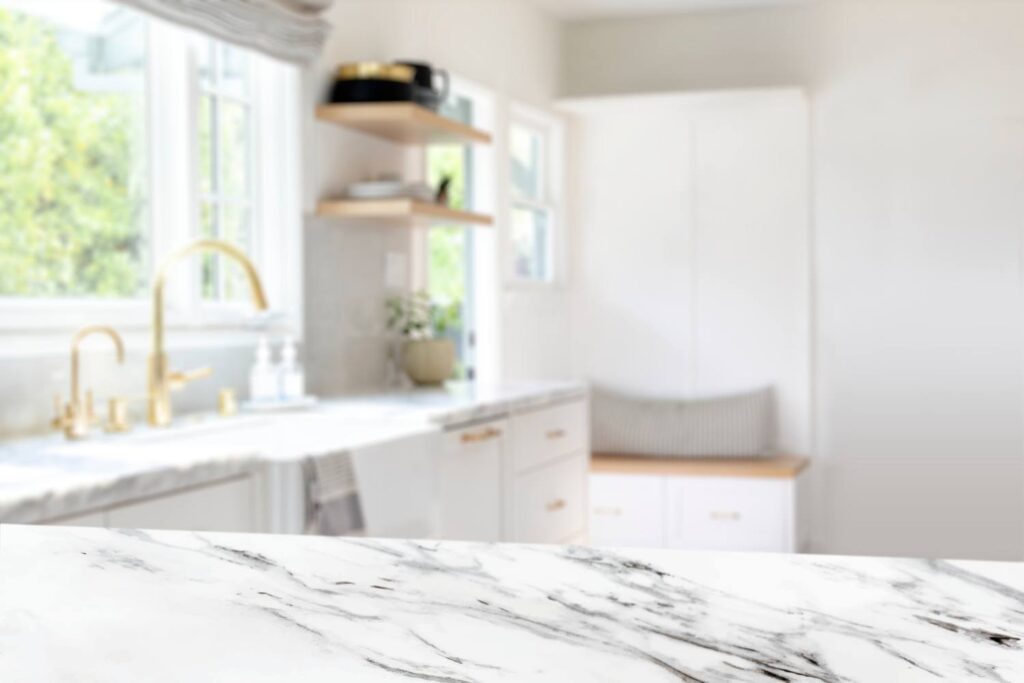
Marble Stone Counter on Stylish Kitchen Interior background

Top 10 Features Every Modern Home Should Have

In today’s fast-paced world, modern homes are designed to combine functionality with aesthetics, creating spaces that cater to contemporary lifestyles. From open floor plans to cutting-edge technology, these features elevate everyday living while adding value to properties. Here are the top 10 must-have features for every modern home, crafted to inspire and inform your next project.

1. Open Floor Plans

Open floor plans have become synonymous with modern living. By removing unnecessary walls, these layouts create a seamless flow between the kitchen, dining, and living areas, fostering a sense of spaciousness. This design encourages natural light to permeate the space, making it airy and inviting. Perfect for entertaining, an open floor plan allows hosts to engage with guests while preparing meals or refreshments.

2. Smart Home Technology

Integrating innovative technology is no longer a luxury—it’s a necessity. Features such as smart thermostats, automated lighting, and voice-controlled assistants make managing household tasks effortless. These systems also promote energy efficiency by optimizing resource usage, contributing to lower utility bills and a reduced carbon footprint.

3. Energy-Efficient Appliances

Modern homes prioritize sustainability, and energy-efficient appliances play a significant role in achieving this goal. These appliances minimize energy consumption from refrigerators to washing machines without compromising performance. Look for models with ENERGY STAR certifications to ensure optimal efficiency and savings.

4. Granite Countertops

Granite countertops are a hallmark of modern home design, offering both durability and timeless beauty. Their natural stone patterns add elegance to kitchens and bathrooms, while their resilience ensures they can withstand daily wear and tear. Resistant to scratches, heat, and stains, granite countertops are practical and increase the property’s value. They’re available in various colors and finishes, allowing homeowners to customize their spaces to reflect personal style.

5. Sustainable Building Materials

The push for eco-friendly construction has made sustainable materials a staple in modern home design. Bamboo flooring, reclaimed wood, and recycled metal accents reduce environmental impact and add unique character to interiors. These materials demonstrate a commitment to green living, appealing to environmentally conscious homeowners.

6. High-Tech Security Systems

Safety remains a top priority for homeowners. Advanced security systems provide peace of mind, including video doorbells, motion detectors, and remote surveillance. Many of these systems integrate with smartphones, allowing homeowners to monitor their property from anywhere in the world.

7. Energy-Efficient Windows and Insulation

Proper insulation and high-quality windows are essential for maintaining a comfortable indoor environment. Double or triple-pane windows with low-E coatings prevent heat loss during winter and reduce heat gain in summer. Paired with effective insulation, these features enhance energy efficiency while lowering heating and cooling costs.

8. Spacious Kitchen Islands

The kitchen is the heart of any home, and a spacious island serves as its centerpiece. Granite or quartz countertops elevate the island’s aesthetic appeal while offering a durable workspace. Incorporating additional storage, seating, and integrated appliances transforms the island into a multifunctional hub for cooking, dining, and socializing.

9. Luxurious Bathrooms

Modern homes often include spa-like bathrooms that provide a relaxing retreat from daily stress. Features such as rain showers, freestanding bathtubs, and heated floors create a luxurious ambiance. Incorporating natural stone surfaces like marble or granite adds a touch of elegance, while smart mirrors with built-in lighting enhance functionality.

10. Outdoor Living Spaces

Expanding indoor comfort to the outdoors is a hallmark of modern design. Patios, decks, and landscaped gardens with seating areas, fire pits, or outdoor kitchens blur the line between interior and exterior spaces. These areas are perfect for entertaining or enjoying quiet moments surrounded by nature.

Conclusion

Incorporating these top 10 features into a modern home design ensures a harmonious blend of style, convenience, and sustainability. Whether you’re building from scratch or renovating an existing property, these elements enhance your space’s functionality and aesthetic appeal. Atlanta Stone Creations is here to help you bring your vision to life with custom solutions tailored to modern living. Contact us today to learn more about creating a home that truly reflects your lifestyle.

Val Carvalho is a manager at Atlanta Stone Creations, with nearly two decades of experience in the stone and design industry. In addition to her leadership role, Val plays a key part in sales and design, bringing creativity, precision, and a strong sense of style to every project. Known for her warm and collaborative approach, she builds strong relationships with both her team and her clients. Val is passionate about delivering beautiful, high-quality results and creating an exceptional experience from start to finish.

Sealing Granite Countertops: Everything You Need to Know

Sealing Granite Countertops: Everything You Need to Know

Granite countertops are renowned for their elegance and durability, making them popular in kitchens and bathrooms. However, proper care is essential to maintaining their beauty and functionality. One critical aspect of granite maintenance is sealing. This guide explores the process, importance, and tips for sealing granite countertops, helping you protect your investment and keep your counters looking their best.

Why Sealing Granite Countertops Is Important

Granite is a natural stone known for its strength but also porous. This porosity allows liquids like water, oil, or wine to seep into the surface, potentially causing stains or damage. A sealant creates a protective barrier that prevents moisture and spills from penetrating the stone. This not only safeguards the countertop from discoloration but also makes cleaning easier and enhances its longevity.

How to Determine If Your Countertop Needs Sealing

Before starting the sealing process, assess whether your granite countertop requires it. Perform a simple water test:

  1. Pour a small amount of water on the surface.
  2. Observe how the water behaves over 15 minutes. If it beads up, the countertop is adequately sealed. If it begins to soak in, resealing is necessary.

Countertops in high-use areas like kitchens or bathrooms may require more frequent resealing than less-used surfaces.

Types of Granite Sealants

Choosing the right sealant is crucial for effective protection. Here are the most common types:

  • Penetrating Sealers: These are absorbed into the stone, creating an internal barrier against moisture and stains.
  • Topical Sealers: These sit on the surface, forming a protective coating that enhances shine but may wear down faster in high-traffic areas.
  • Hybrid Sealers: Combining both properties, hybrids offer deep penetration and surface protection for optimal durability.

Step-by-Step Guide to Sealing Granite Countertops

Sealing granite countertops is a straightforward process that requires attention to detail. Follow these steps:

Step 1: Prepare the Surface

Begin by thoroughly cleaning the countertop. Use a stone-safe cleaner to remove dirt, grease, and stains. Avoid harsh chemicals like bleach or ammonia, which can damage the stone’s surface. Wipe it dry with a microfiber cloth to ensure no moisture remains.

Step 2: Choose the Right Sealant

Select a sealant designed specifically for granite or natural stone. Read the manufacturer’s instructions carefully to ensure compatibility with your countertop.

Step 3: Apply the Sealant

Apply the sealant evenly across the surface using a clean, soft cloth or sponge. Work in small sections to ensure full coverage. Avoid letting the product pool or drip into corners.

Step 4: Allow the Sealant to Penetrate

Let the sealant soak into the stone for the recommended time—usually around 15 minutes. This allows the product to fill the pores and create a strong barrier.

Step 5: Wipe Off Excess

After the penetration period, use a clean, dry cloth to wipe off any remaining sealant. Excess sealant left on the surface can create a sticky residue or streaks.

Step 6: Allow to Cure

Let the countertop cure for at least 24 hours before using it. During this time, avoid placing objects or spilling liquids on the surface to ensure proper sealant sets.

How Often Should You Reseal Granite Countertops?

The frequency of resealing depends on factors like usage, stone type, and sealant quality. In general:

  • High-use kitchen countertops may need resealing every 6-12 months.
  • Bathroom surfaces typically require resealing every 1-2 years.
  • Darker granites, which are less porous, need sealing less frequently than lighter varieties.

Regular water tests should be performed to monitor the condition of the seal and reseal as needed.

Common Mistakes to Avoid

When sealing granite countertops, steer clear of these pitfalls:

  1. Using the Wrong Products: Avoid generic cleaners or sealants not designed for granite. These can damage the stone or reduce the sealant’s effectiveness.
  2. Skipping Preparation: Failing to clean the countertop thoroughly before sealing can trap dirt or oils under the sealant.
  3. Overapplying Sealant: Too much sealant can lead to a streaky or uneven finish.
  4. Ignoring Cure Times: Using the countertop before the sealant cures can compromise its protective barrier.

Benefits of Sealing Granite Countertops

Proper sealing offers numerous advantages, including:

  • Stain Resistance: Prevents liquids and oils from penetrating the surface.
  • Enhanced Durability: Protects against scratches, chips, and other wear.
  • Easier Cleaning: Makes wiping up spills and stains a breeze.

Maintained Aesthetics: Preserves the stone’s natural beauty and color.

Caring for Sealed Granite Countertops

Once your countertop is sealed, maintain it with these tips:

  • Use Gentle Cleaners: Opt for pH-neutral, stone-safe cleaning solutions to avoid damaging the seal.
  • Wipe Spills Promptly: Even with a seal, it’s best to clean spills immediately to prevent potential damage.
  • Avoid Abrasive Tools: Use soft cloths or sponges to prevent scratches.
  • Protect from Heat: Always use trivets or heat pads under hot pans to prevent thermal shock or discoloration.

When to Seek Professional Help

Hiring a professional fabricator or installer may be the best option for large surfaces, intricate edges, or significant damage. Professionals can assess the condition of your granite and apply the appropriate sealant using specialized tools.

Conclusion

Sealing granite countertops is a vital step in maintaining their appearance and functionality. By using the right sealant, following proper application techniques, and practicing regular maintenance, you can enjoy the timeless beauty of your granite surfaces for years to come. Atlanta Stone Creations supports your granite care needs, offering expert advice and high-quality products tailored to your countertop requirements.

Related Posts

Val Carvalho is a manager at Atlanta Stone Creations, with nearly two decades of experience in the stone and design industry. In addition to her leadership role, Val plays a key part in sales and design, bringing creativity, precision, and a strong sense of style to every project. Known for her warm and collaborative approach, she builds strong relationships with both her team and her clients. Val is passionate about delivering beautiful, high-quality results and creating an exceptional experience from start to finish.
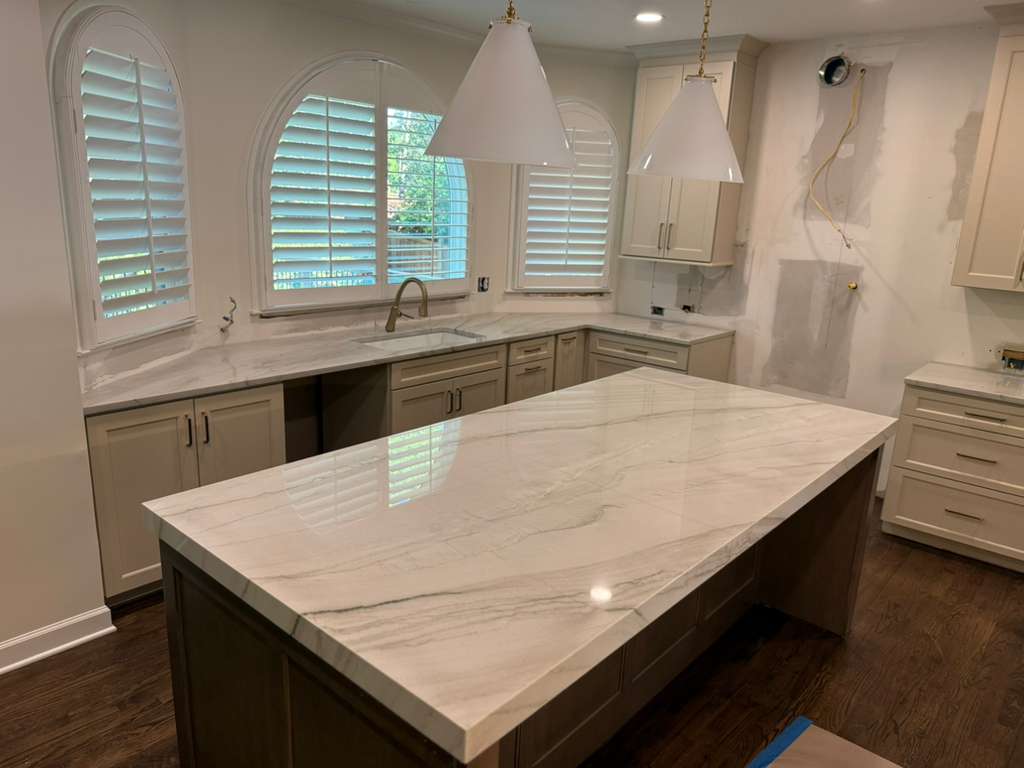
Mixing Materials: Pairing Granite Countertops with Cabinet Colors and Textures

Mixing Materials: Pairing Granite Countertops with Cabinet Colors and Textures

Granite countertops are a hallmark of elegance and durability, often serving as the focal point of a kitchen or bathroom. Their natural beauty and various patterns and colors make them an ideal choice for homeowners and designers alike. However, creating a cohesive and visually appealing space requires carefully considering how granite countertops pair with cabinet colors and textures. In this guide, we’ll explore the art of mixing materials to ensure your space achieves both functionality and style.

The Beauty of Granite Countertops

Granite is a natural stone renowned for its strength, longevity, and unique aesthetic appeal. Each slab of granite is distinct, showcasing intricate veining, speckles, and colors formed over millions of years. This individuality allows granite countertops to complement various design styles, from traditional to modern.

Why Choose Granite?

  • Durability: Granite is resistant to heat, scratches, and stains, making it ideal for kitchens and bathrooms.
  • Low Maintenance: Sealed granite countertops are easy to clean and maintain.
  • Aesthetic Variety: Granite has various colors and patterns, including neutral tones, bold blacks, and vibrant blues.
By understanding granite’s inherent qualities, you can better select complementary cabinet colors and textures to create a harmonious design.

Factors to Consider When Pairing Materials

Several factors must be considered when pairing granite countertops with cabinet colors and textures to ensure a cohesive and visually appealing final look.

1. Granite Color and Pattern

The color and pattern of your granite countertop will influence the overall design. Lighter granites, such as whites and creams, can brighten a space, while darker granites, such as blacks and deep browns, add drama and depth.

2. Cabinet Style

The style of your cabinets—whether modern, traditional, or transitional—sets the tone for your design. Sleek, minimalist cabinets pair well with simpler granite patterns, while ornate cabinets can complement more dynamic granite designs.

3. Textures and Finishes

Combining smooth and textured finishes can add visual interest to your space. Consider how the finish of your granite (polished, honed, or leathered) interacts with cabinet textures, such as matte, gloss, or wood grain.

4. Lighting

Lighting plays a critical role in how colors and textures are perceived. Natural light enhances the subtleties of granite and cabinets, while artificial lighting can create dramatic effects.

Popular Granite and Cabinet Pairings

1. White Granite with Warm Wood Cabinets

White granite, such as Bianco Antico or Colonial White, pairs beautifully with warm wood cabinets. The granite’s light, neutral tones balance the wood’s richness, creating a timeless and inviting space.

Pro Tip: Add brushed gold or bronze hardware for a luxurious touch.

2. Black Granite with White Cabinets

Pair black granite, such as Absolute Black or Black Galaxy, with crisp white cabinets for a bold, modern look. The contrast creates a striking visual effect, perfect for contemporary kitchens and bathrooms.

Pro Tip: Incorporate stainless steel appliances and accents to enhance the modern aesthetic.

3. Gray Granite with Soft Pastel Cabinets

Gray granite, like Silver Cloud or Steel Grey, complements soft pastel cabinets in hues of blue, green, or pink. This pairing exudes a calm, serene atmosphere, ideal for transitional or farmhouse-style designs.

Pro Tip: Use matte finishes on cabinets to maintain a subtle and cohesive look.

4. Beige Granite with Cream Cabinets

Beige granite, such as Giallo Ornamental or Santa Cecilia, pairs wonderfully with cream cabinets. This combination creates a warm, cohesive environment, perfect for traditional or rustic designs.

Pro Tip: Incorporate dark wood or metal accents to add contrast and depth.

5. Exotic Granite with Neutral Cabinets

Exotic granite, featuring bold patterns and vibrant colors, works best with neutral cabinets in white, gray, or beige shades. This allows the granite to remain the show’s star without overwhelming the space.

Pro Tip: Choose minimalist cabinet hardware to keep the focus on the granite.

Blending Textures for Depth and Character

Combining different textures is a great way to add depth and character to your design. Granite countertops are typically smooth and polished, but options like honed or leathered finishes can introduce a unique tactile element.

Cabinet Textures to Consider:

  • Wood Grain: Adds warmth and a natural element to the space.
  • Matte Finishes: This creates a sleek, understated look.
  • Glossy Finishes: Reflects light and enhances modern designs.

For instance, mixing a polished granite countertop with matte wood grain cabinets creates a pleasing, modern, and welcoming contrast.

Tips for Achieving a Balanced Look

  1. Create Contrast: Pair light granite with dark cabinets or vice versa to create visual interest.
  2. Use Neutral Tones: Neutral cabinet colors allow granite’s natural patterns to shine.
  3. Coordinate with Flooring: Ensure the floor complements the countertop and cabinet colors to maintain harmony.
  4. Incorporate Backsplashes: A complementary or contrasting backsplash can tie the entire look together.
  5. Test Samples: Bring home samples of granite, cabinet finishes, and paint colors to see how they interact in your space.

Common Mistakes to Avoid

  • Overwhelming Patterns: Avoid pairing busy granite with ornate cabinet designs to prevent a cluttered look.
  • Neglecting Lighting: Failing to account for lighting can result in mismatched colors and textures.
  • Ignoring Cohesion: Ensure all elements, including flooring and hardware, contribute to a cohesive design.

Why Choose Atlanta Stone Creations?

At Atlanta Stone Creations, we understand the importance of perfectly balancing countertops and cabinetry. As experts in granite countertops, we offer a wide selection of high-quality slabs in various colors and patterns to suit your design needs.

Serving Atlanta and the surrounding areas, our team is dedicated to helping you transform your kitchen or bathroom into a functional and beautiful space. Whether renovating or starting from scratch, we’ll work closely with you to create a design that reflects your unique style and vision.

Contact us today to explore our collection and bring your design dreams to life!

Conclusion

Mixing materials like granite countertops with cabinet colors and textures is an art that requires careful planning and attention to detail. You can create a stylish and cohesive space by understanding granite’s characteristics, considering factors such as lighting and textures, and exploring popular pairings.

Whether you prefer bold contrasts or harmonious tones, the key lies in balancing colors, patterns, and finishes to achieve a design that feels uniquely yours. With the right guidance and high-quality materials, your kitchen or bathroom can become a stunning reflection of your style.

Val Carvalho is a manager at Atlanta Stone Creations, with nearly two decades of experience in the stone and design industry. In addition to her leadership role, Val plays a key part in sales and design, bringing creativity, precision, and a strong sense of style to every project. Known for her warm and collaborative approach, she builds strong relationships with both her team and her clients. Val is passionate about delivering beautiful, high-quality results and creating an exceptional experience from start to finish.

Custom Granite Islands: A Centerpiece for Your Kitchen

"Classic Kitchen with Gray Cabinets, Granite Counters & Subway Tile "

Custom Granite Islands: A Centerpiece for Your Kitchen

The kitchen is often considered the heart of the home, and a custom granite island can transform it into a true centerpiece. Combining luxury, durability, and functionality, these islands offer more than just aesthetic appeal—they enhance the usability and value of your space. At Atlanta Stone Creations, we craft bespoke granite islands tailored to your unique needs and style.

Why Choose Granite for Your Kitchen Island?

Granite is a natural stone prized for its timeless beauty and unmatched durability. Its unique patterns and color variations make every slab one-of-a-kind. Unlike synthetic materials, granite boasts a richness that adds depth and character to any kitchen design. But the benefits go far beyond its appearance.

Unmatched Durability

Granite’s robust nature makes it an ideal material for a kitchen island. It is resistant to scratches, heat, and stains and can withstand the demands of daily use. With proper sealing, granite surfaces are impervious to spills and easy to maintain, making them perfect for busy households.

Versatile Design Options

Available in a wide range of colors and finishes, granite can complement any kitchen style, from modern to traditional. Whether you prefer sleek black countertops or warm earth tones, a granite option matches your vision. You can even choose from polished, honed, or leathered finishes to customize the look further.

Functional Features of a Granite Island

A custom granite island is more than just a design statement; it’s a functional centerpiece that enhances the efficiency of your kitchen.

Ample Workspace

The expansive surface of a granite island provides plenty of room for meal prep, baking, or entertaining. Its durability ensures it can handle heavy pots, sharp knives, and hot pans without damage.

Integrated Storage

Many granite islands include built-in cabinets, drawers, or shelves to maximize storage. These features keep your kitchen organized and clutter-free while adding to its functionality.

Seating Solutions

Incorporating seating into your granite island turns it into a hub for socializing. Whether it’s a casual breakfast with family or drinks with friends, the island becomes a versatile gathering spot.

Designing Your Custom Granite Island

Creating a custom granite island involves several considerations to ensure it meets your needs and enhances your kitchen.

Size and Shape

The size and shape of your island should align with the dimensions of your kitchen. A compact island with clean lines can provide functionality for smaller spaces without overwhelming the room. A sprawling island with intricate edges or dual levels can be a striking focal point in larger kitchens.

Color and Pattern

Granite comes in various colors and patterns, from subtle whites and grays to bold blacks and vibrant blues. To ensure harmony, consider your kitchen’s existing palette when selecting a stone. For added depth, choose granite with dramatic veining or flecks.

Edging Options

The edge profile of your granite island can significantly impact its overall look. Options range from simple square edges to more intricate ogee or beveled styles. Each edge adds a distinct touch, allowing you to personalize your design.

Maintaining Your Granite Island

To keep your granite island looking its best, follow these maintenance tips:

  • Clean Daily: Wipe the surface with a soft cloth and mild soap to remove dirt and spills.
  • Seal Regularly: Apply a high-quality sealant every 1-2 years to maintain the stone’s staining resistance.
  • Avoid Harsh Cleaners: Steer clear of acidic or abrasive products that can damage the surface.
  • Use Protective Tools: Place trivets under hot pans and cutting boards under knives to prevent wear and tear.

Granite vs. Other Materials

Granite stands out for its beauty and practicality when selecting a material for your kitchen island. Here’s how it compares to other options:

  • Quartz: While quartz offers consistency in color and pattern, it lacks granite’s natural variation and heat resistance.
  • Marble: Marble exudes elegance but is more prone to staining and scratching. Granite provides a more durable alternative.
  • Wood: Wood adds warmth but requires regular maintenance to avoid scratches and water damage.

Transform Your Kitchen with Atlanta Stone Creations

At Atlanta Stone Creations, we pride ourselves on crafting custom granite islands that elevate your kitchen’s design and functionality. Our team works closely with you to select the perfect stone, ensuring your island becomes a stunning centerpiece that meets your needs.

Whether you’re renovating your existing space or building a new home, a granite island is an investment that delivers lasting value and beauty. Contact us today to explore our collection and start designing your dream kitchen.

Conclusion

Custom granite islands combine form and function, serving as both a practical workspace and a visual masterpiece. With their durability, versatility, and timeless appeal, granite islands are a worthwhile addition to any kitchen. Let Atlanta Stone Creations help you bring your vision to life with a bespoke solution that transforms your space into a true culinary haven.

Val Carvalho is a manager at Atlanta Stone Creations, with nearly two decades of experience in the stone and design industry. In addition to her leadership role, Val plays a key part in sales and design, bringing creativity, precision, and a strong sense of style to every project. Known for her warm and collaborative approach, she builds strong relationships with both her team and her clients. Val is passionate about delivering beautiful, high-quality results and creating an exceptional experience from start to finish.
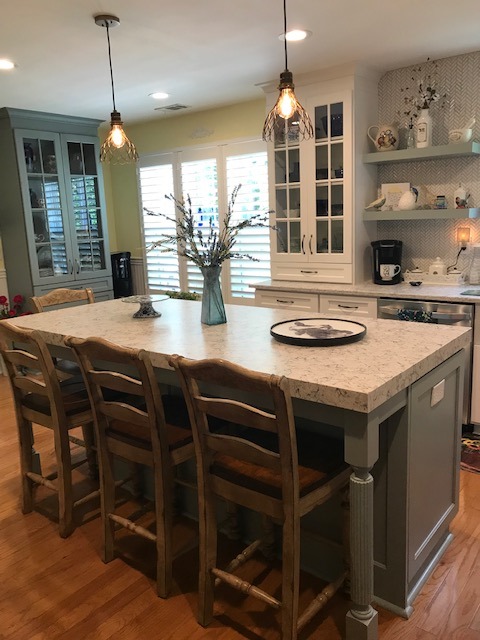
Bathroom Upgrades That Maximize Resale Value

"Modern Bathroom with Charcoal Vanity, Granite Countertop & Bathtub "

Bathroom Upgrades That Maximize Resale Value

Regarding home renovations, upgrading your bathroom can significantly boost resale value. Bathrooms are key spaces buyers evaluate when considering a property, making thoughtful upgrades a strategic investment. At Atlanta Stone Creations, we specialize in creating stunning and functional bathroom designs that stand the test of time. Here’s how to enhance your bathroom to maximize its appeal and value.

1. Upgrade with Granite Countertops

Granite countertops are a timeless choice for bathroom vanities, offering both durability and elegance. These natural stone surfaces resist scratches, heat, and moisture, making them ideal for high-traffic areas. Granite’s unique patterns and rich colors add a touch of luxury to any bathroom design. Granite’s easy maintenance and long lifespan make it a practical option for homeowners.

Benefits of Granite Countertops

  • Durability: Resists daily wear and tear, ensuring a long-lasting investment.
  • Aesthetic Appeal: Wide variety of colors and patterns to suit any style.
  • Value Addition: Enhances the overall resale value of your home.

2. Install a Freestanding Bathtub

A freestanding tub serves as the focal point of a bathroom, exuding luxury and relaxation. These tubs come in various shapes, materials, and sizes, allowing homeowners to select one that complements their space. Whether you opt for a sleek modern design or a classic clawfoot style, a freestanding tub creates an inviting atmosphere.

3. Enhance Storage Solutions

Storage is often overlooked but plays a vital role in bathroom functionality. Built-in cabinets, floating vanities, and custom shelving maximize space while keeping essentials organized. Choose cabinetry with clean lines and finishes that match your bathroom’s overall design.

4. Add Modern Lighting

Lighting can transform a bathroom’s look and feel. Incorporating layered lighting, such as vanity, recessed fixtures, and accent lighting, creates a bright and inviting ambiance. Consider adding dimmers to control the lighting intensity for a touch of sophistication.

5. Update the Shower with Glass Enclosures

Replacing a standard shower curtain with a frameless glass enclosure instantly modernizes the space. Glass showers create a sense of openness, making small bathrooms appear larger. Pair this upgrade with high-quality tiles and rain showerheads for a spa-like experience.

6. Use Natural Stone for Walls and Floors

Natural stone, such as granite or marble, adds elegance to bathroom walls and floors. These materials are not only visually striking but also highly durable. Consider using large-format tiles or stone slabs for a seamless look that minimizes grout lines.

7. Install Energy-Efficient Fixtures

Eco-friendly fixtures, such as low-flow toilets and water-saving faucets, appeal to environmentally conscious buyers. These upgrades reduce water usage without compromising performance, helping homeowners save on utility bills.

8. Incorporate Heated Floors

Radiant floor heating is a luxurious feature that enhances comfort, especially during colder months. This upgrade is energy-efficient and practical, providing a consistent heat source that warms the entire bathroom.

9. Add Custom Vanities

A custom vanity tailored to your space and needs elevates the bathroom’s design. Granite tops paired with high-quality wood cabinetry create a cohesive and elegant look. Include drawers, pull-out shelves, or built-in hampers to maximize functionality.

10. Focus on Neutral Color Palettes

Neutral colors create a timeless and versatile backdrop that appeals to many buyers. Shades of white, gray, or beige paired with natural stone surfaces create a serene and sophisticated environment. Accents like colorful towels or decorative tiles can be swapped out easily to reflect changing trends.

Cost and Design Considerations

When planning bathroom upgrades, it’s essential to balance budget and design. Granite countertops, for example, offer a high return on investment due to their durability and appeal. Prices for granite slabs vary depending on the stone’s rarity and quality. Additionally, professional installation ensures the countertop’s longevity and polished finish.

Budget-Friendly Tips

  • Focus on high-impact areas like vanities and showers.
  • Refinish existing fixtures to reduce costs.
  • Opt for prefabricated granite slabs for smaller bathrooms.

Maintaining Your Upgraded Bathroom

To preserve the beauty and functionality of your renovated bathroom, follow these maintenance tips:

  • Seal Stone Surfaces: Granite and other natural stones should be sealed periodically to maintain their resistance to stains and moisture.
  • Clean Regularly: Use mild, non-abrasive cleaners to prevent scratches and discoloration.
  • Inspect Fixtures: Check for leaks or wear to ensure fixtures remain in good condition.

Why Choose Atlanta Stone Creations

At Atlanta Stone Creations, we combine craftsmanship and quality to deliver exceptional bathroom upgrades. Our expertise in granite countertops and natural stone installations ensures your bathroom becomes a stunning and functional space. From material selection to professional installation, we’re here to guide you every step of the way.

Conclusion

Bathroom upgrades are smart investments that enhance your home’s beauty and resale value. You can create a functional and luxurious space by incorporating features like granite countertops, custom vanities, and modern lighting. Let Atlanta Stone Creations help you bring your vision to life with high-quality materials and expert craftsmanship. Contact us today to start planning your bathroom transformation.

Val Carvalho is a manager at Atlanta Stone Creations, with nearly two decades of experience in the stone and design industry. In addition to her leadership role, Val plays a key part in sales and design, bringing creativity, precision, and a strong sense of style to every project. Known for her warm and collaborative approach, she builds strong relationships with both her team and her clients. Val is passionate about delivering beautiful, high-quality results and creating an exceptional experience from start to finish.