Skip to content

Porcelain Countertops Atlanta

Porcelain gives Atlanta kitchens a heat- and scratch-resistant, low-maintenance worktop that rarely needs a sealer and performs equally well indoors or outdoors. The main catches are edge-impact sensitivity and the skilled cutting it requires, which places its cost alongside premium engineered and quarried materials, not beneath them.

Few materials have shaken up modern kitchens quite like porcelain. Fired from clay and minerals into dense, ultra-hard panels, it offers the toughness of stone with almost no fuss. For Atlanta homeowners weighing a remodel, it has quickly become one of the most requested worktops we fabricate, and for good reason.

Why This Material Is Winning Over Kitchens

Walk through any recent showroom, and you will notice these panels everywhere. Homeowners love that the surface resists nearly everything daily life throws at it, from a hot pan to a dropped knife, while still looking refined. It suits sleek contemporary rooms and warmer traditional ones alike, which is a rare kind of flexibility. If you have been comparing it against sealing-dependent options like natural granite, the low-upkeep appeal becomes obvious fast.

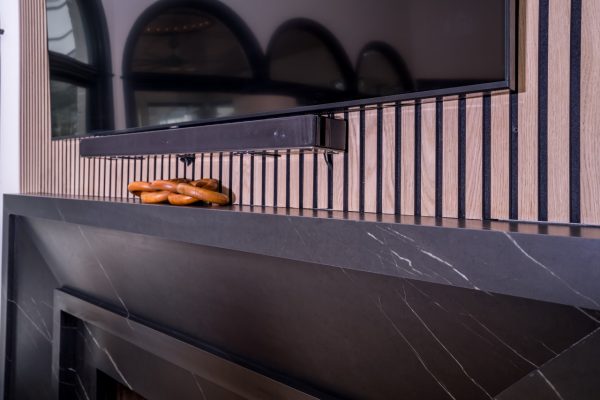
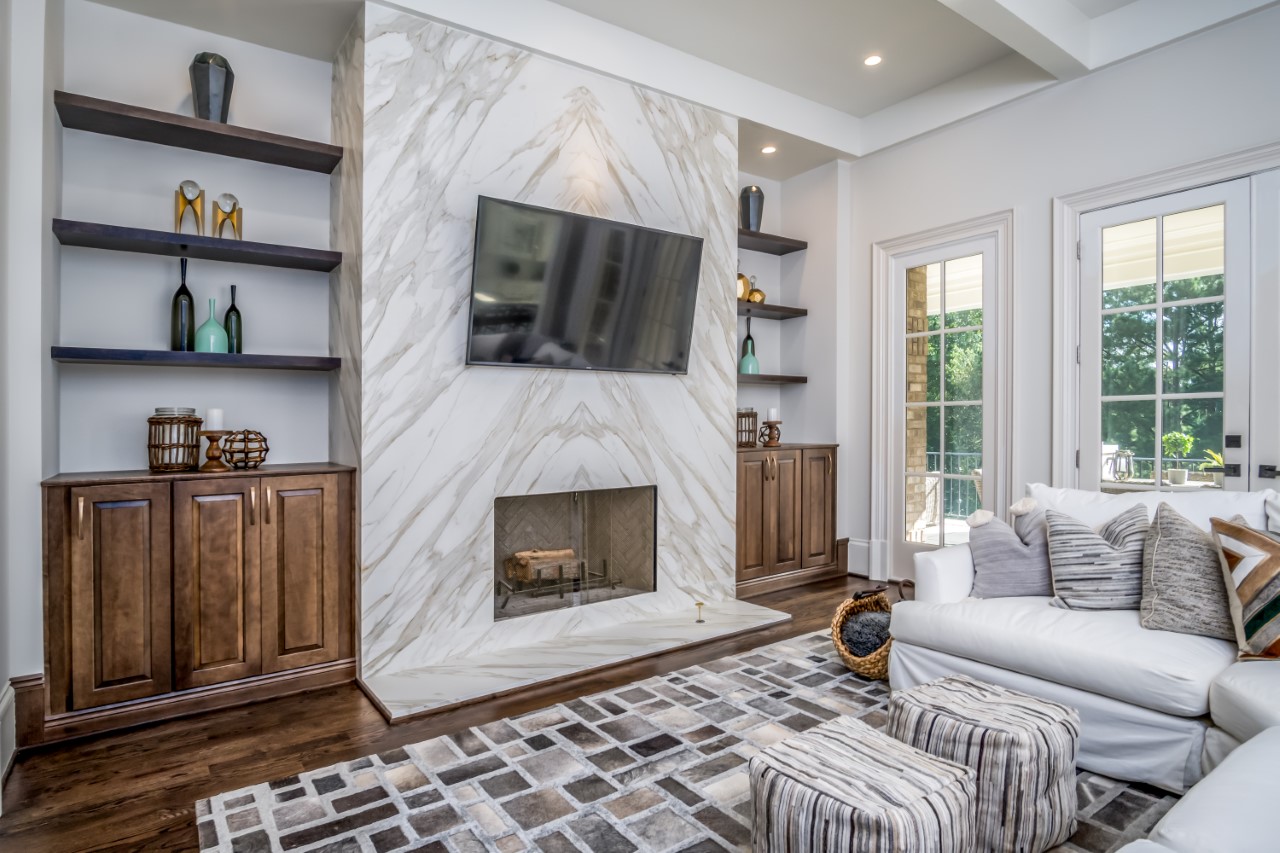
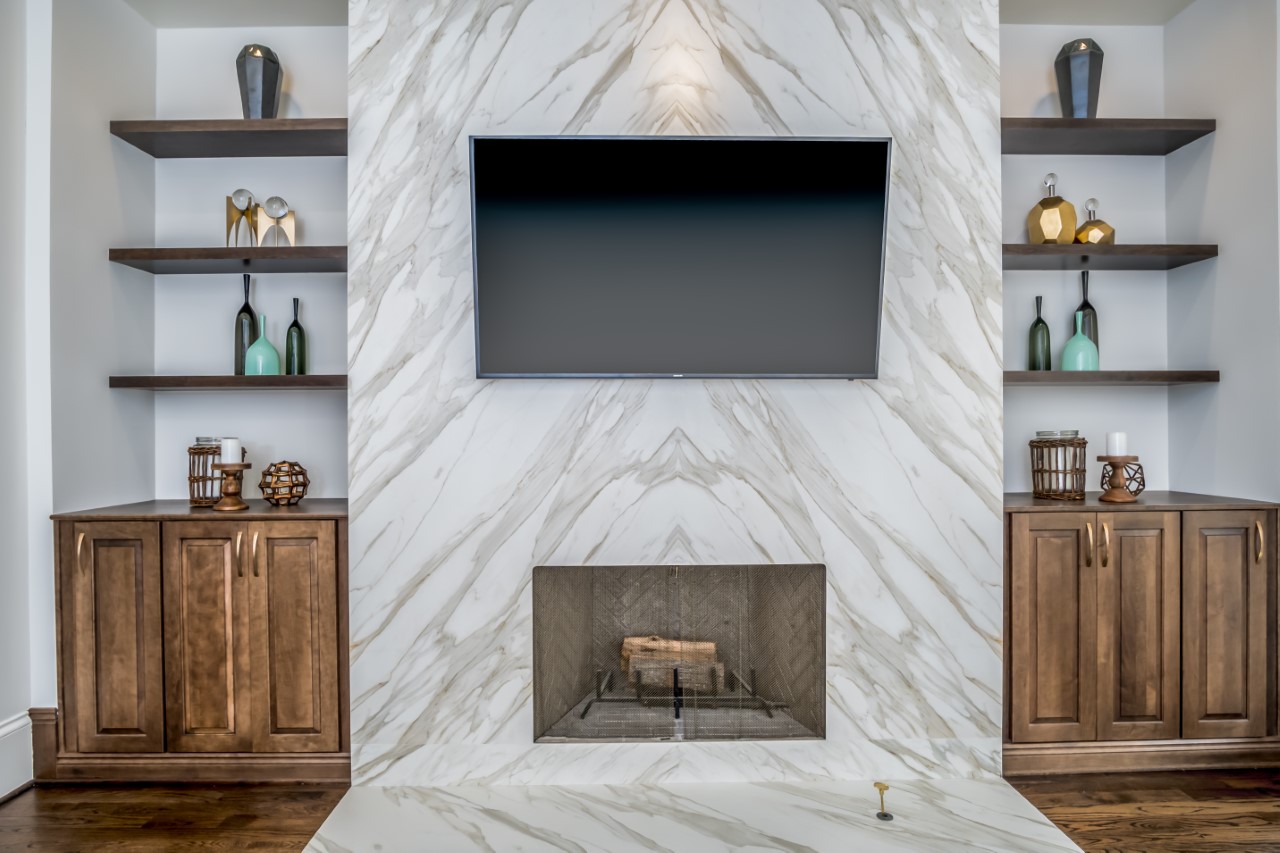
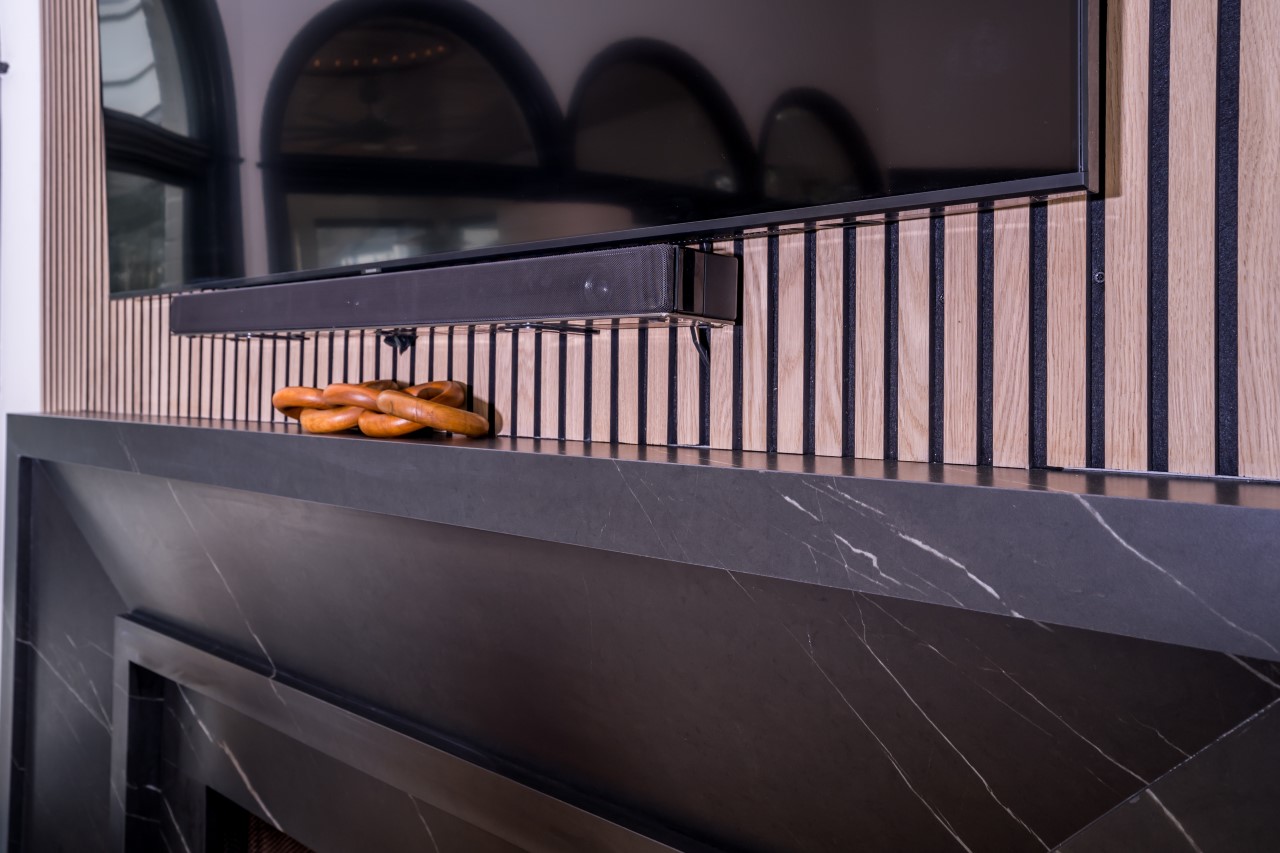
Modern Fireplace Mantel with Black Porcelain Surround & Wood Accents
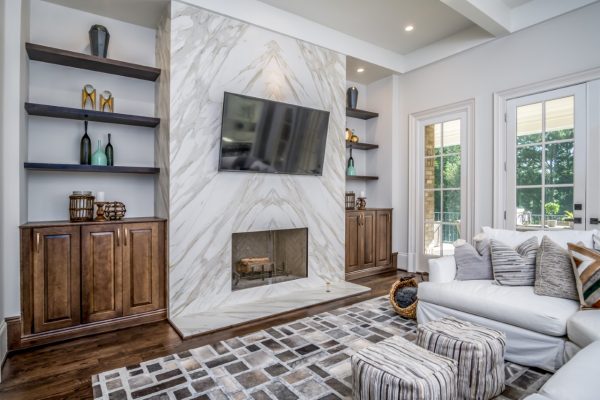
"Modern Living Room with Fireplace, TV, French Doors & White Sofa "

What It Is and How It Is Made

This is not a quarried rock. It is an engineered slab, built for performance from the ground up.

From Clay to Slab

The panels are made by pressing natural clays, silica, and mineral pigments, then firing them at extremely high temperatures until the particles fuse into a single sintered mass. That process, called sintering, is what gives the finished slab its remarkable density and near-zero porosity. Because the color and pattern are added before firing, the look is baked in rather than coated on, so it holds up beautifully over decades of use.

The Performance Advantages

In practical terms, porcelain countertops are highly resistant to heat, scratches, and stains, which is exactly why designers keep specifying them. The list of strengths runs long.

Heat and Scratch Resistance

You can set a hot pot directly on the slab without a trivet, since the material laughs off high temperatures. Its surface is also extremely hard, shrugging off knife marks and abrasion that would scuff softer options.

Nonporous and Hygienic

Because it is nonporous, liquids have almost no way to soak in. That makes it both never in need of sealing and naturally hygienic, since bacteria and mold have nowhere to hide.

Key benefits at a glance:

  • Handles heat from cookware without scorching or marking
  • Resists scratches, chips, and everyday abrasion
  • Shrugs off wine, oil, coffee, and acidic spills
  • UV-stable, so color holds up in bright sun
  • Wipe clean with soap and water; no sealer required

How It Compares to Natural Stone

Every surface trades one thing for another. The chart below summarizes how the leading options behave in a working kitchen, though results vary by specific slab and finish.

Feature

Porcelain

Granite

Quartz

Marble

Sealing

Rarely needed

Often, varies by stone

Not required

Commonly needed

Heat tolerance

Excellent

Excellent

Moderate; resin can discolor

Very good

Scratch resistance

Very high

High

High, not scratch-proof

Moderate to low

Stain resistance

Excellent

Good when maintained

Excellent

Lower, especially acids

UV stability

Excellent (approved products)

Generally good

Often not for outdoors

Varies by use

Indoor and outdoor

Yes, approved systems

Commonly yes

Usually indoor only

Maintenance-heavy

Ratings above are general and shift with the exact product, finish, and installation. If zero sealing is the draw but you want deeper veining, weigh it against engineered quartz surfaces. Those chasing pure classic luxury may still prefer natural marble surfaces, provided they accept the upkeep that comes with them.

Color, Finish, and Design Choices

Here is where this material really flexes. Because the pattern is printed and fired in, the range of looks is enormous, and the realism keeps improving.

Marble and Stone Looks

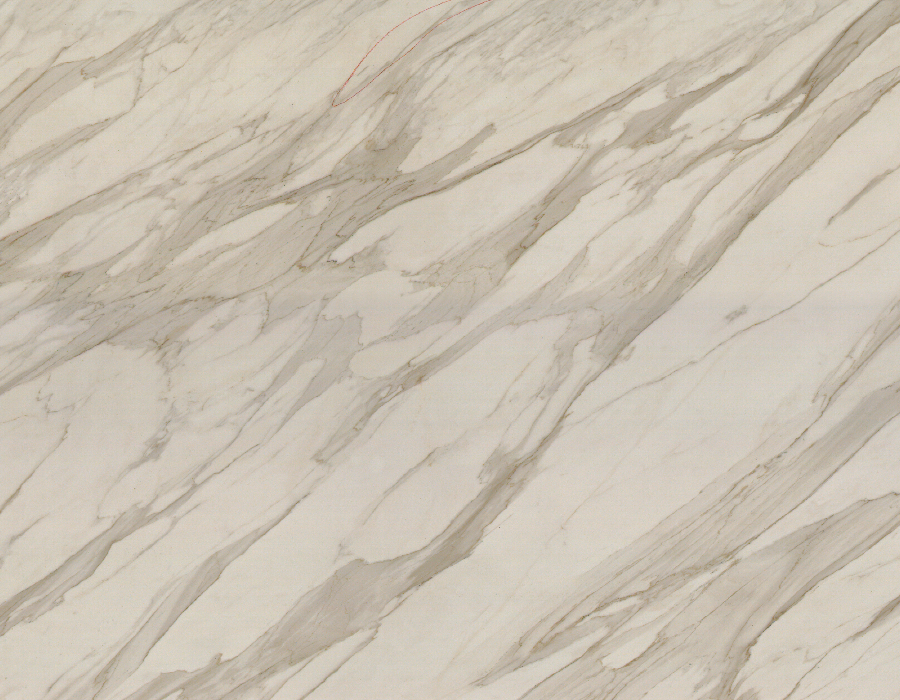
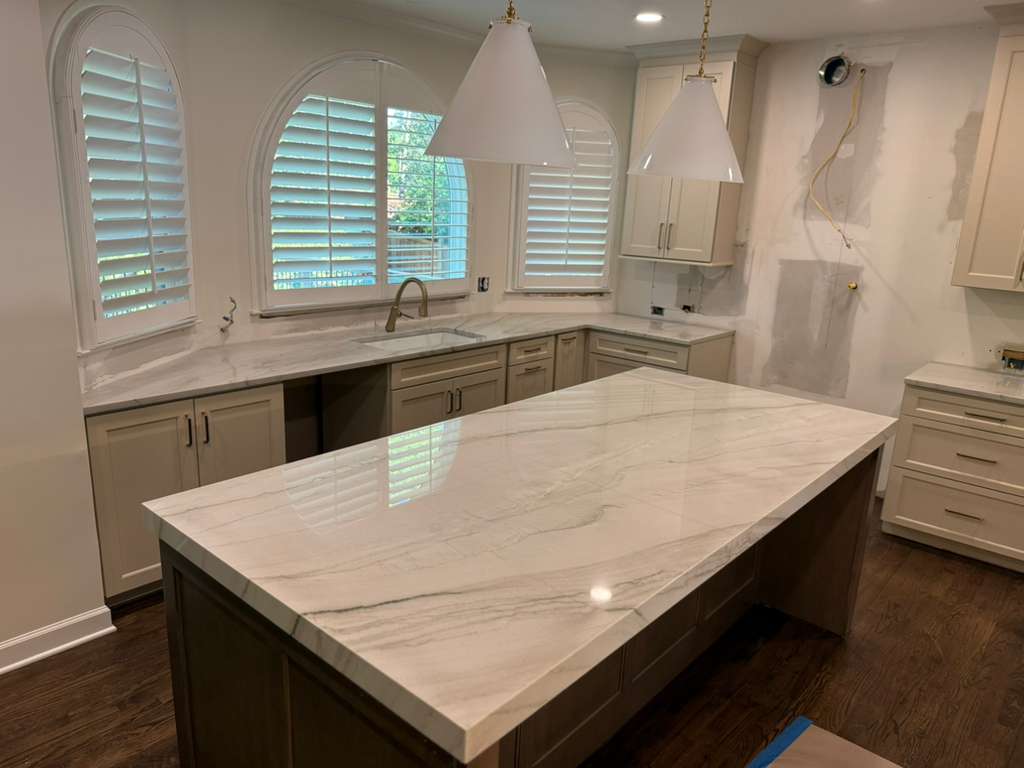
The most popular designs mimic high-end natural stone. Convincing Calacatta, Carrara, and Statuario patterns capture soft veining without any of its fragility, and bookmatched pairs create a dramatic, mirrored feature on an island. You will also find concrete-look, stone-look, and even wood-look designs from respected makers such as Neolith, Cosentino, and Porcelanosa.

Finish Options

Finishing changes the whole mood of a room. Your main choices include:

  • Polished, glossy, and reflective for a bright, formal feel
  • Honed, a soft satin sheen that hides fingerprints
  • Matte, understated,d and modern, easy to live with
  • Textured, adding subtle grip and tactile depth

Large-format porcelain also lets fabricators keep seams to a minimum, and large-format panels can even clad walls, islands, and fireplace surrounds for a cohesive look.

Where It Performs Best

Versatility is a big part of the appeal. This is a surface that goes places others cannot.

Common applications we handle:

  • Kitchen counters, islands, and full-height backsplashes
  • Outdoor kitchens, where UV stability and weather resistance shine
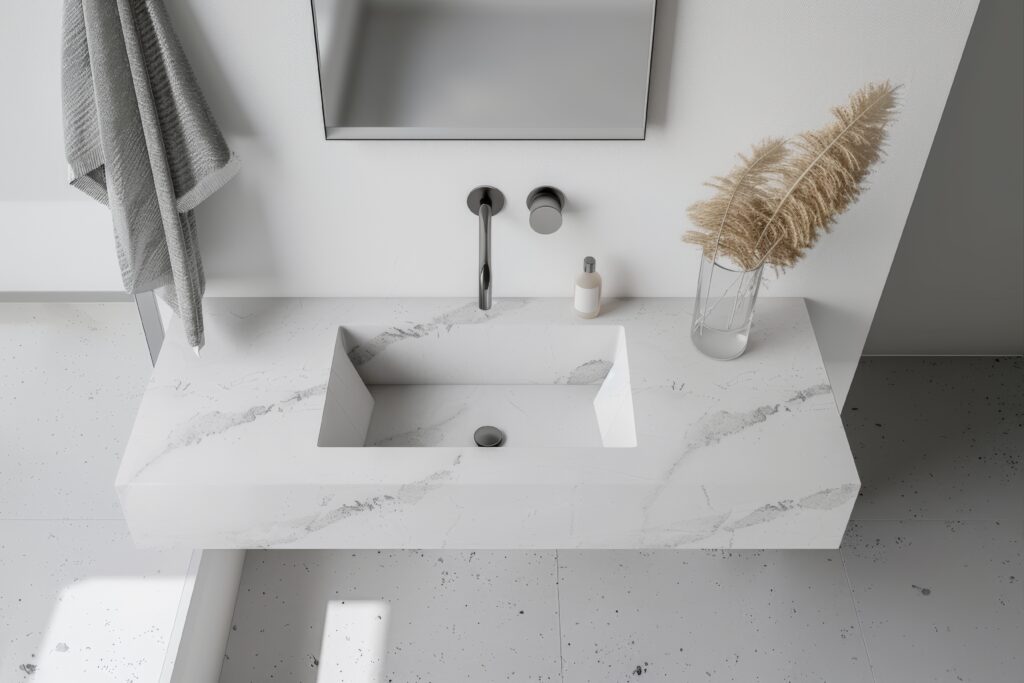
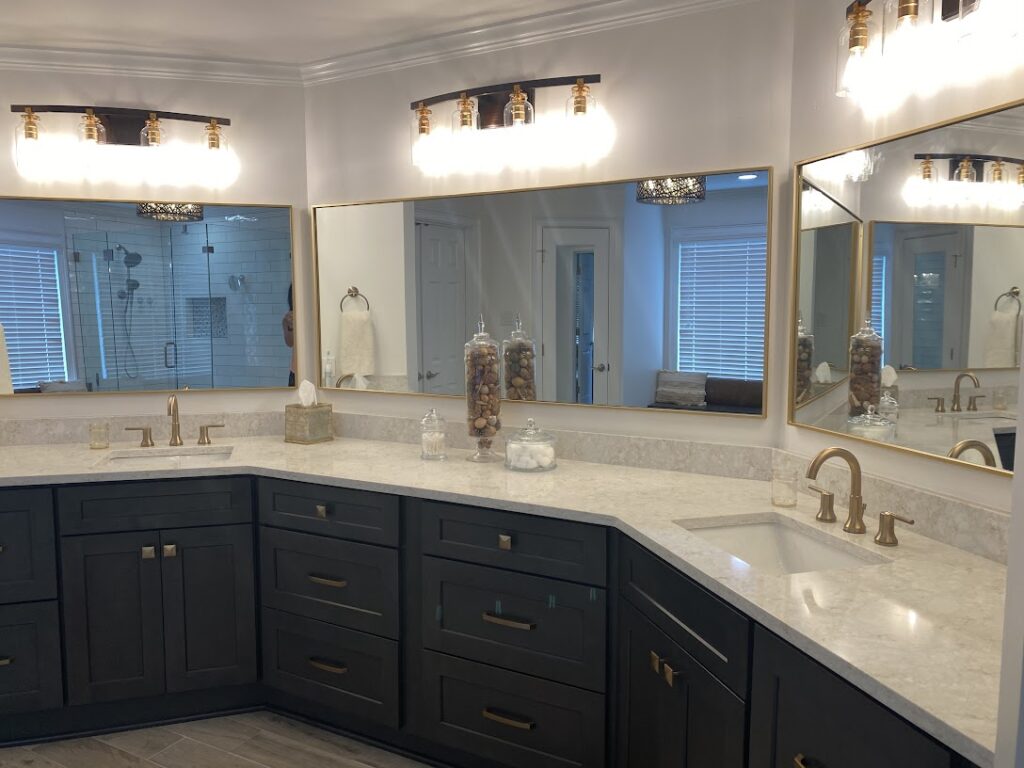
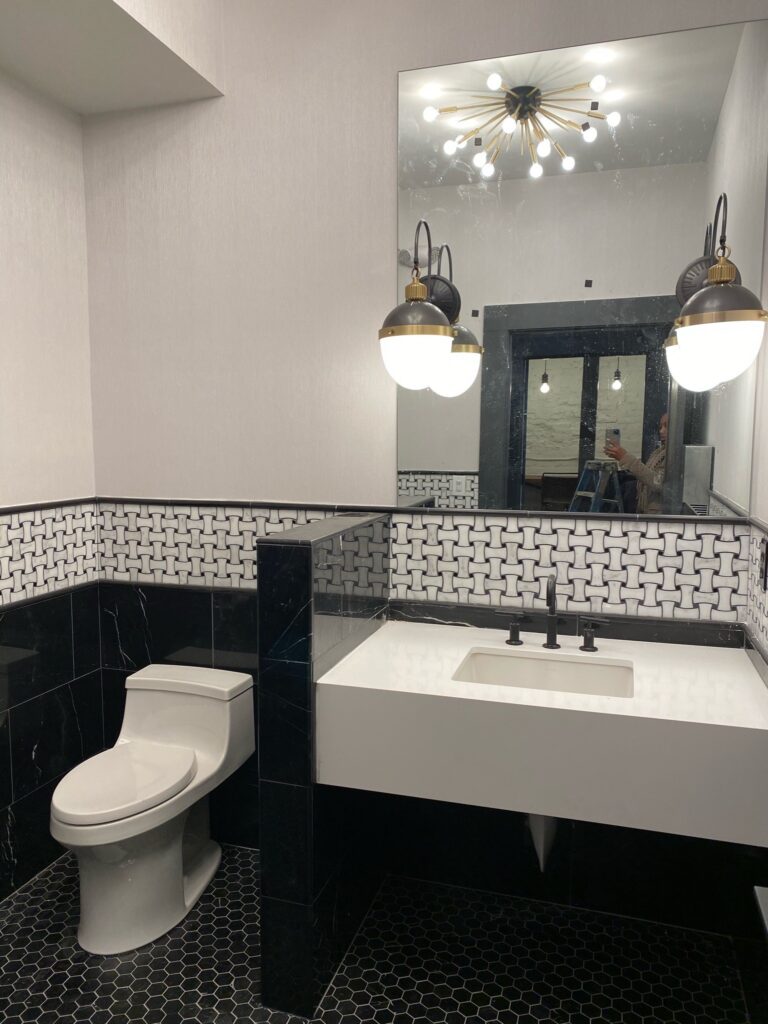
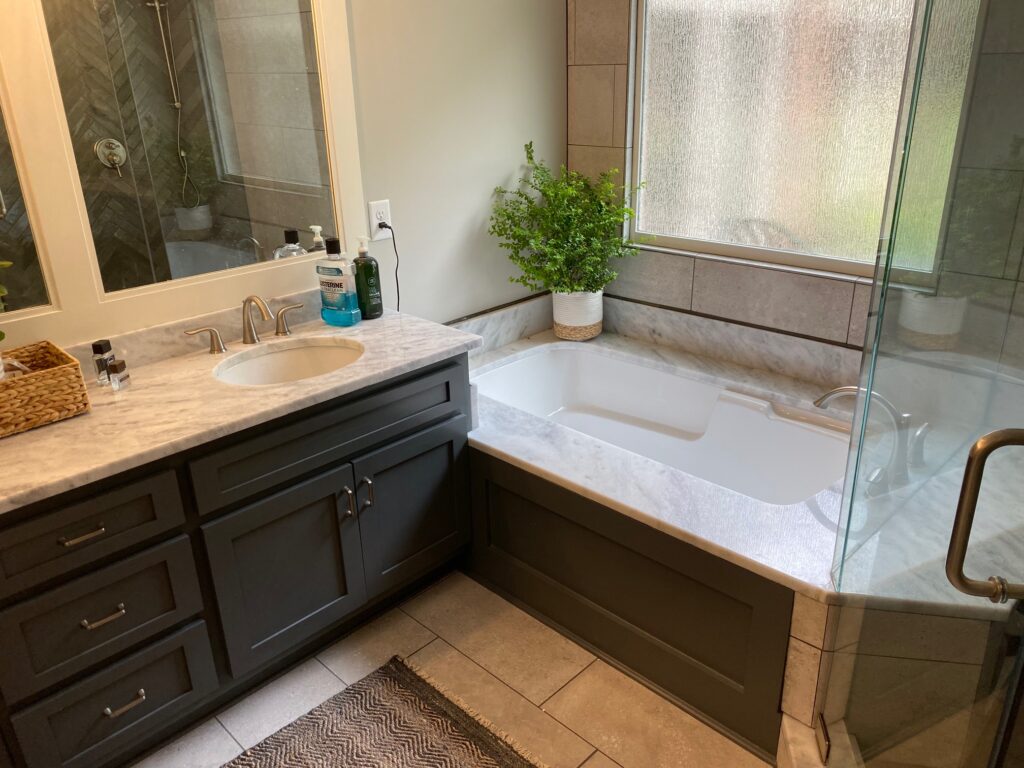
  • Bathroom vanities and shower surrounds
  • Fireplace surrounds, floors, and accent walls

Because the panels can be cut thin yet remain strong, they enable a wide range of design ideas that heavier materials may not support. That flexibility is a real gift in an open-concept kitchen. Owners of older Atlanta homes especially appreciate how it freshens a space without a heavy structural footprint.

Crafting and Caring for Your Slab

The payoff is only as good as the craftsmanship behind it, and this material demands genuine skill to cut well.

Our Fabrication Process

We digitally template your space, then cut and finish each slab to exact specifications before installing it with tight, near-invisible seams.

Templating and Cutting

Precise measuring matters even more here because porcelain slabs are hard and unforgiving of error. Experienced hands and the right tooling prevent the edge chipping that trips up less-seasoned shops.

Keeping It Pristine

Upkeep could hardly be simpler, which is much of the point.

  • Wipe daily with mild soap and warm water
  • Skip harsh abrasive pads on any polished finish
  • Blot spills when convenient, though staining is rare

Frequently Asked Questions

What is the downside of porcelain countertops?

The main drawback is impact sensitivity at the edges. While the surface is extremely hard, a sharp blow to a corner or an unsupported overhang can chip it, and those chips are difficult to repair invisibly. It also demands an experienced fabricator, since cutting it cleanly is difficult and mistakes are costly. Some thinner options carry the pattern only on top rather than all the way through, so ask about full-body designs if you want exposed edges to match.
What is the average cost of porcelain countertops?

There is no single figure, because pricing hinges on several factors: the slab you choose, its thickness, the edge profile, cutouts, and the complexity of the installation. As a category, it sits in premium territory, comparable to high-end quartz and many natural stones, partly because the specialized cutting takes more skill and time. The most reliable way to budget is to get a quote based on your exact layout. Reach out, and we will price your project against the alternatives you are weighing.

Is porcelain good for a countertop?

For most kitchens, yes, it ranks among the strongest all-around choices available. It resists heat, scratches, stains, and fading, never needs sealing, and stays hygienic with almost no effort, indoors or out. The trade-offs are its sensitivity to edge impacts and the need for a skilled fabricator, both of which are manageable with the right shop. If you need maximum durability with minimal maintenance and a huge range of styles, few materials compete.

Is a porcelain countertop cheaper than a granite countertop?

Usually not. Because the material is a premium product and the cutting is more demanding, pricing tends to run comparable to, or slightly above, many granite options rather than below them. It is rarely the budget pick. That said, cost varies with the chosen slab, project size, and layout complexity, so a granite counter can sometimes end up higher than expected, too. The only accurate comparison is a tailored estimate for your actual kitchen, which we are glad to provide.

Request a Free Estimate

Curious whether this tough, low-maintenance material is a good fit for your home? Our team has fabricated durable countertops for homeowners across the region for over two decades, and we would love to walk you through the options. Browse finished work in our project gallery, then reach out through our contact page to schedule a visit and claim your free estimate today.

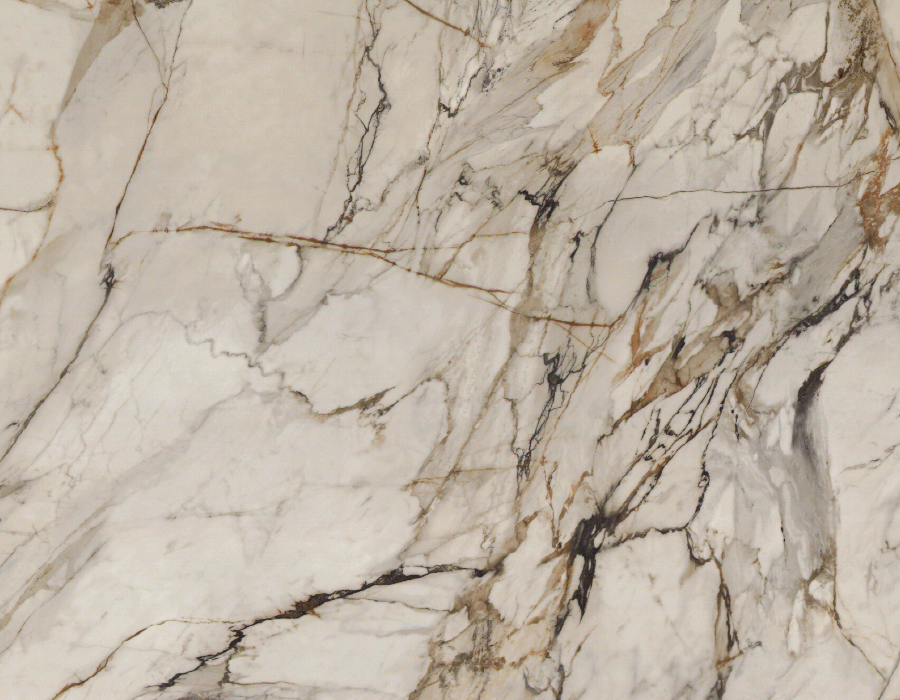
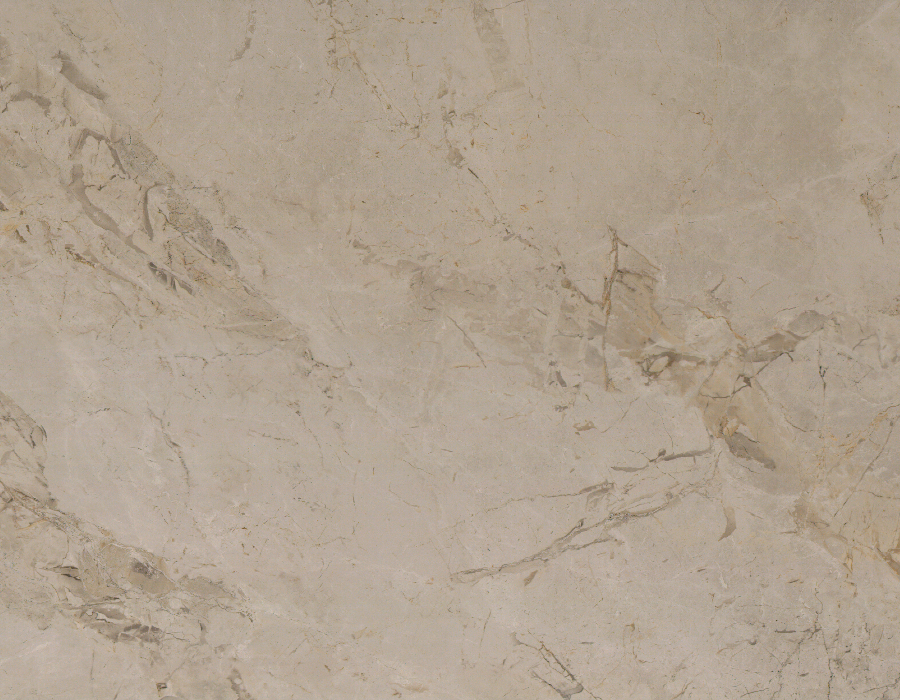
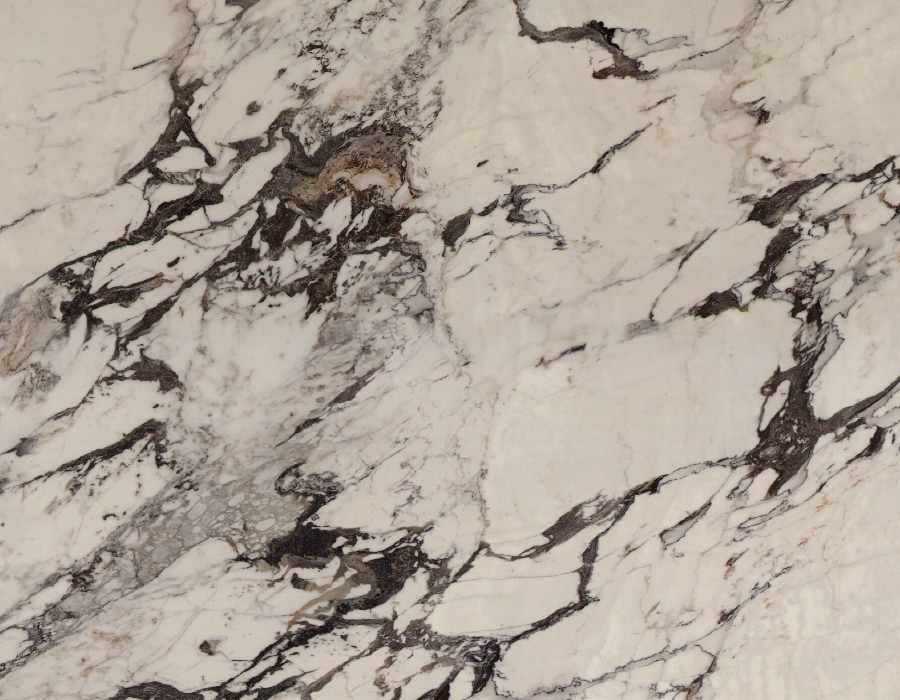
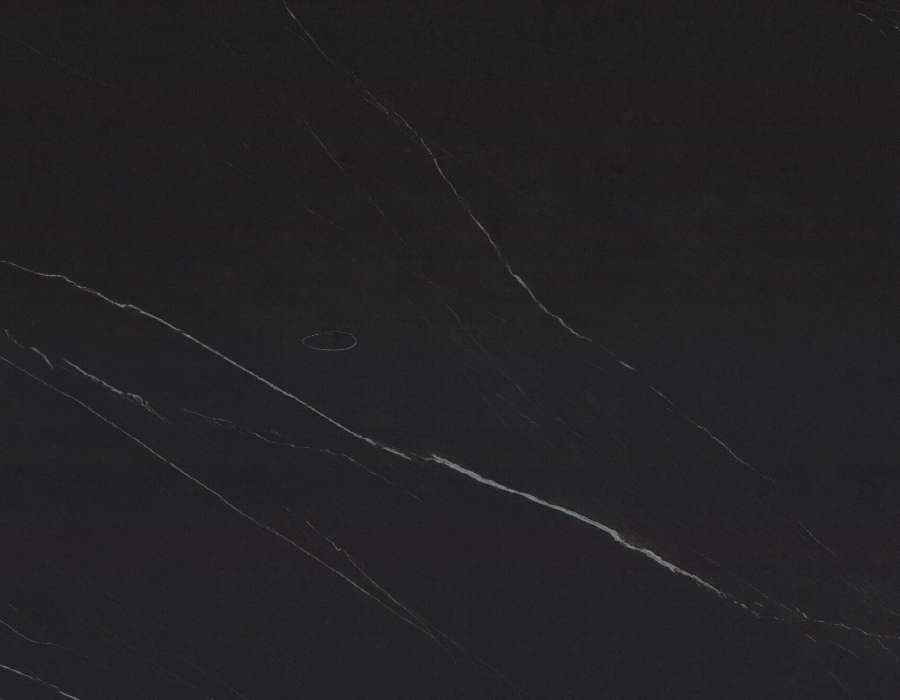
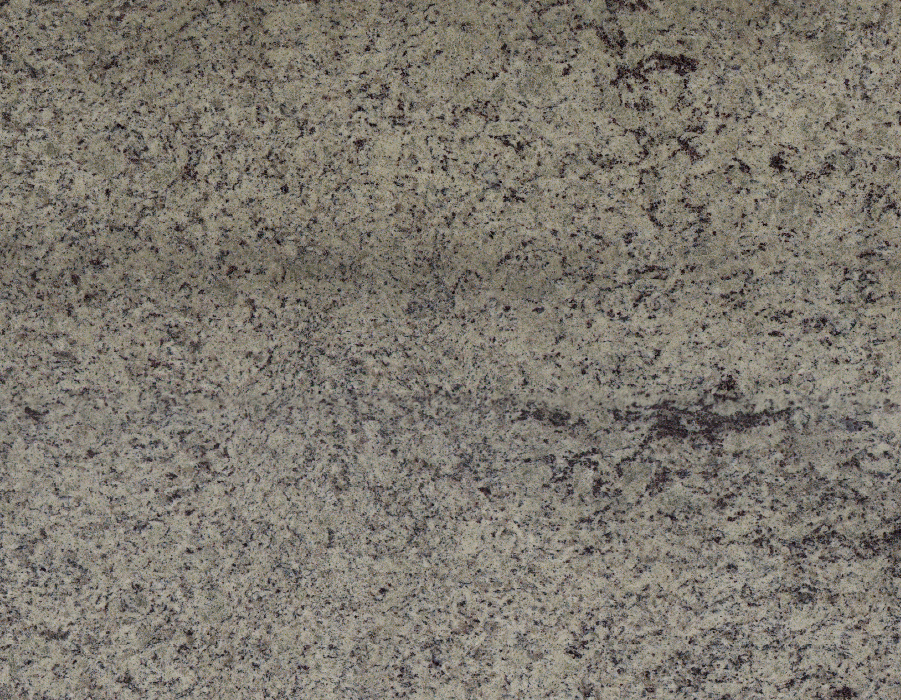
Extensive Color Options

Atlanta Stone Creations offers a vast selection of colors to suit any design preference:

For real time inventory please reach out to us

Read More

Our Porcelain Projects in Atlanta, GA