Skip to content

Marble Countertops Atlanta

Upgrade Your Kitchen with Marble Countertops

Nothing quite says luxury like marble. For centuries, it has crowned the finest kitchens and baths, and it still turns heads the moment you walk into a room. As a natural stone pulled straight from the quarry, every slab carries its own veining, so no two countertops are ever alike. For Atlanta homeowners chasing that timeless, high-end look, it remains the material designers reach for first.

Marble countertops bring flowing veining, a naturally cool work surface, and a high-end finish to Atlanta kitchens, baths, and fireplace surrounds. We guide you from slab selection and templating through fabrication and installation. Marble offers unmatched character, but it demands more care than granite, quartz, or quartzite, since acids can etch it and spills can stain an unsealed slab.

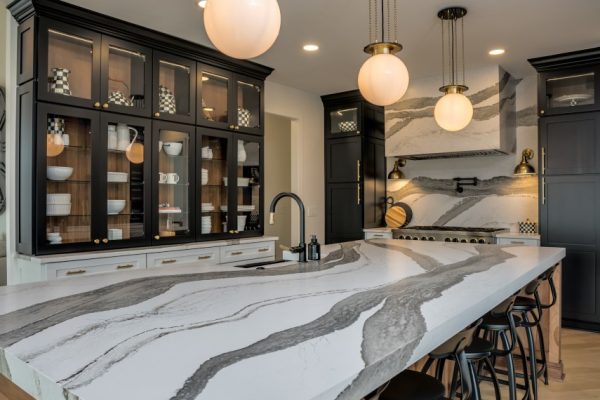
Marble Stone Counter on Stylish Kitchen Interior background
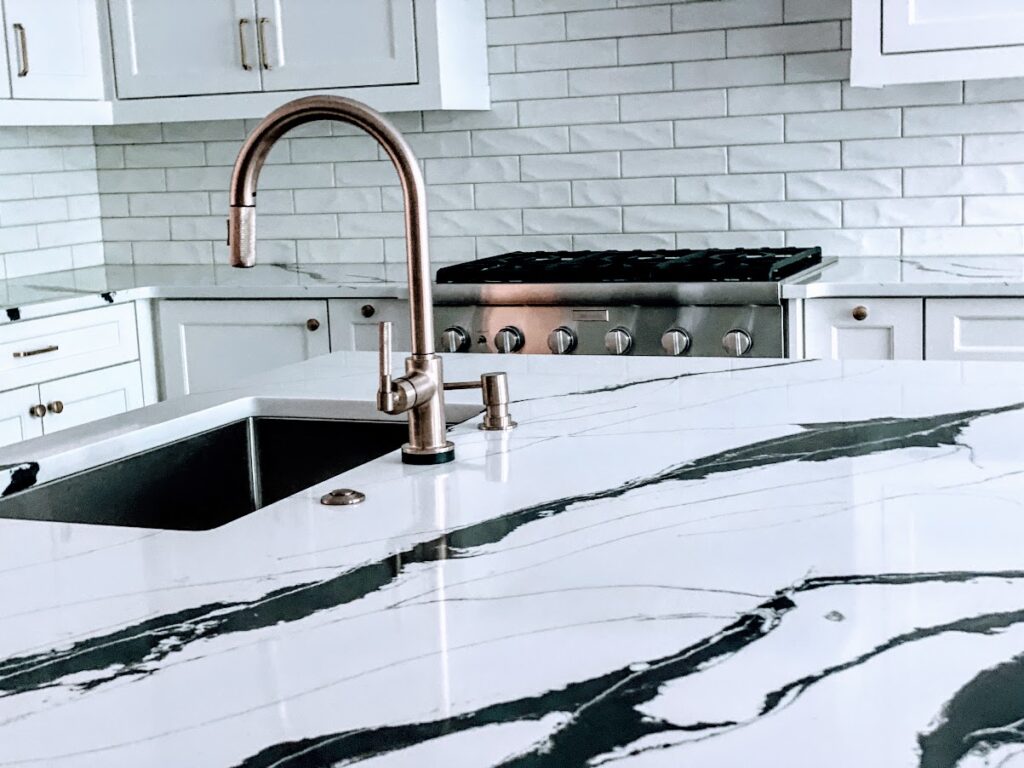
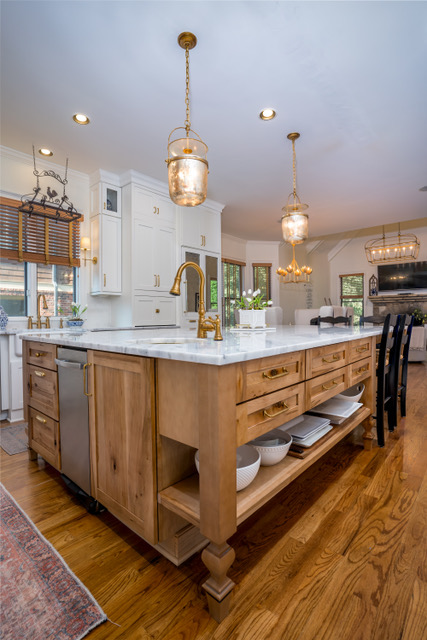
Modern Kitchen with Black Cabinets & quartz Island

The Timeless Appeal of Marble

There is a reason this material has been prized since antiquity. Its soft, luminous veining and bright, cool tone bring a sense of calm elegance that manufactured surfaces struggle to imitate. It is also genuinely practical in the right setting, staying naturally cool, which pastry cooks love. That mix of beauty and everyday usefulness is why it has stayed in style while trends around it come and go.

What draws people to it:

  • A timeless look that never once feels dated
  • Soft, flowing veins that no two slabs share
  • Bright, reflective tone that opens up a space
  • Naturally cool surface, ideal for baking and dough
  • Adds real resale appeal, long tied to luxury interiors
  • Suits classic, transitional, and modern designs alike
  • Available in whites, grays, golds, and deep colors
  • A quarried origin that gives each piece true character

Popular Marble Varieties

The family is large, and the look shifts dramatically from one type to the next. Here are the ones we get asked about most.

Classic White Marbles

These bright, veined stones define the look most people picture.

  • Carrara, soft gray feathering on a cool white ground
  • Calacatta, bold, dramatic veins on a bright white base
  • Statuario, crisp white with striking gray movement
  • Bianco Venato, gentle veining for a subtle backdrop
  • Mont Blanc, pale and understated with fine lines
  • Pearl White, luminous with a delicate, airy pattern
  • Bianco Gioia, warm-toned white with soft veining
  • Alaska White, clean and versatile for most palettes

Warm and Dramatic Options

When you want depth or drama, the darker and colored stones deliver.

  • Emperador, rich brown with fine, elegant veining
  • Nero Marquina, deep black cut by sharp white veins
  • Crema Marfil, creamy beige with a warm, mellow glow
  • Rosso Levanto, dramatic burgundy with white streaks
  • Verde Alpi, deep green with bold white marbling
  • Breccia, a mottled blend of warm earthy tones
  • Port Laurent, near-black with gold and white veins
  • Sahara Gold, sandy warmth for a relaxed, organic feel

How Marble Compares to Other Surfaces

Every counter trades one thing for another. The chart below summarizes how the leading options behave, though results vary by specific slab and finish.

Feature

Marble

Granite

Quartz

Quartzite

Appearance

Flowing natural veins

Speckled, varied

Uniform, controlled

Natural, marble-like

Scratch resistance

Moderate to low

High

High, varies by brand

High

Acid resistance

Low, etches

Generally good

Good for daily use

Very good

Stain resistance

Needs sealing

Periodic sealing

Nonporous, none

Periodic sealing

Heat tolerance

Good, use trivets

Excellent

Lower, use trivets

Excellent

Maintenance

Higher

Moderate

Lower

Moderate

Best fit

Design-led, patina ok

Busy kitchens

Low upkeep

Marble look, tougher

If you love the veined look but want more toughness, compare it against natural quartzite slabs, which mimic the aesthetic with far more grit. For maximum hardness, weigh durable granite options or low-maintenance engineered quartz surfaces instead.

Caring for Your Marble

Cleaning and Sealing

Regular sealing is the single most important habit, since it slows how quickly liquids soak in. It helps prevent stains, but it does not make the surface acid-proof. Worth separating: a stain is liquid absorbed into the marble, while an etch is acid dulling the polished finish. Sealing slows the first; only careful habits prevent the second.

Products to Use

Reach for these to clean safely:

  • A pH-neutral cleaner made for natural stone
  • Warm water with a soft microfiber cloth
  • A mild, non-abrasive dish soap in a pinch
  • A dedicated stone sealer on a regular schedule
  • Blotting cloths for spills, used right away
  • Coasters under glasses, bottles, and cans
  • Cutting boards to spare the surface from knives

What to Avoid

Steer well clear of these:

  • Anything acidic, including lemon, vinegar, and wine, left to sit
  • Bleach and ammonia-based sprays
  • Abrasive powders and rough scouring pads
  • Glass cleaners, which dull and etch the polish
  • Harsh bathroom or tile cleaners
  • Setting hot cookware straight on the surface
  • Letting oil, coffee, or juice linger on the top

Where Marble Works Best

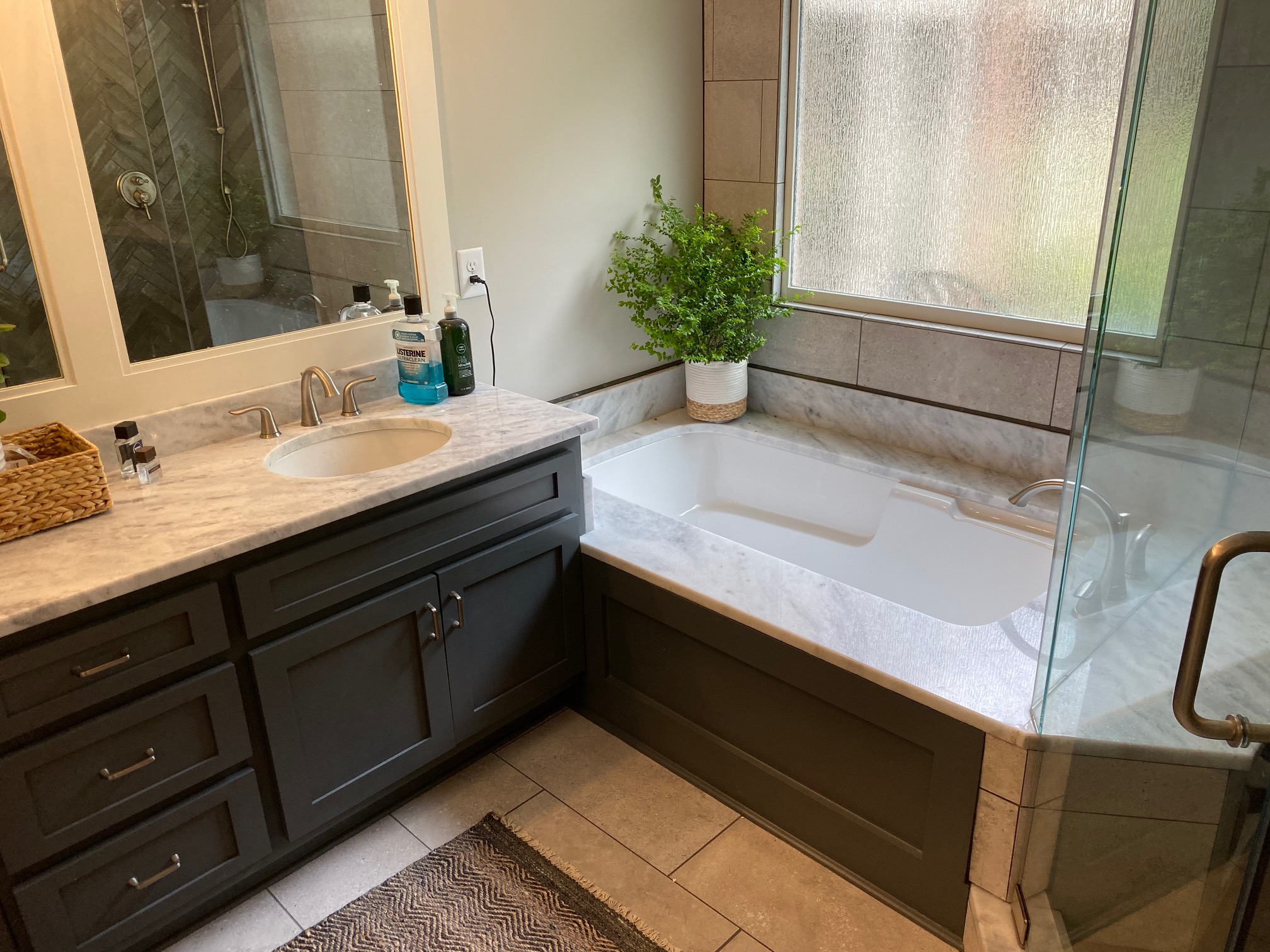
Placement matters more with this stone than almost any other. It rewards spots where beauty leads and heavy abuse is rare. A baking station or a lightly used island lets the honed or polished finish shine without constant worry. It is a natural fit for bathrooms too, where a marble vanity brings spa-like calm; our bathroom countertop options show how well it suits that room. Fireplace surrounds, backsplashes, and accent walls are other favorites, since they see beauty without the wear of a busy kitchen. Many owners even come to love the patina that develops with age, treating the soft marks as character rather than damage. In an Atlanta home, that lived-in warmth can be exactly the point, softening a bright kitchen into something that feels collected over time.

Fabrication and Installation

Great results start long before install day. We begin with a design consultation to match the right slab to your space, then create a precise digital template so seams land where they should. Our team cuts and finishes each piece with care, adds the edge profile you choose, and handles the removal of the old countertops before fitting the new stone. Because this material is delicate, experienced handling matters at every step, from transport to the final polish. A rushed shop can crack a slab or leave a seam that shows, so the skill behind the work is worth as much as the material itself. We treat every piece as one of a kind, because each truly is.

Frequently Asked Questions

What is the average cost of a marble countertop?

There is no single figure, because pricing swings widely by type. An entry-level white like Carrara sits among the more accessible natural stones, while premium Calacatta and Statuario command a real premium for their dramatic veining. Slab thickness, edge profile, cutouts, and installation complexity all move the number too. The most reliable way to budget is to get a quote based on your exact layout and chosen materials, which we are always glad to provide at no cost.

Is marble cheaper than granite?

Marble is not reliably cheaper or pricier than granite; it depends entirely on the variety. Entry-level types can run comparably to or slightly below many granite options, making a classic white look surprisingly attainable. Premium and exotic types, though, often cost well above granite thanks to their rarity and bold patterns. Fabrication is similar for both, so the slab itself usually drives the difference. For an accurate side-by-side, ask us to price your specific choices rather than relying on broad averages.

What is the downside of marble countertops?

The main downsides are etching, staining, scratching, and upkeep. It is softer than granite or quartzite, so it scratches and chips more easily, and its calcium-based composition reacts with acids, leaving dull etch marks from lemon, wine, or vinegar. It stays porous, too, so it needs regular sealing to resist staining. None of this rules it out; it simply calls for thoughtful placement, ideally in lower-traffic areas and with owners who accept a little patina as part of its charm.

What does Windex do to marble?

Over time, it can dull the finish. Many general-purpose glass cleaners, Windex among them, are not recommended for marble care because ingredients in some formulas can wear down the sealer or leave the polish looking cloudy. One accidental spritz will not ruin a counter, but regular use takes a toll. Stick to a gentle cleaner formulated for marble, and reserve disinfecting for milder options that will not attack the finish. A reseal on schedule also helps the surface shrug off the odd splash.

Request a Free Estimate

Ready to bring timeless elegance into your home? Our team has helped homeowners across the region select, fabricate, and install fine stone for over two decades, and we would love to guide you through the marble options that fit your space and lifestyle. Browse finished work in our project gallery, then reach out through our contact page to schedule a visit and claim your free estimate today.

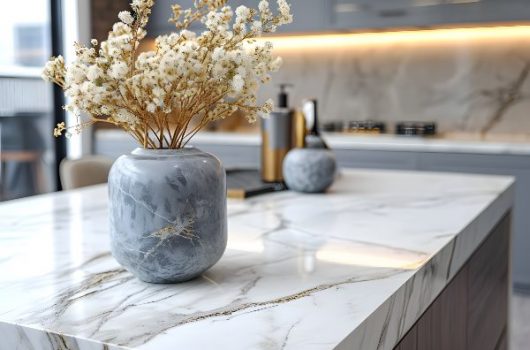
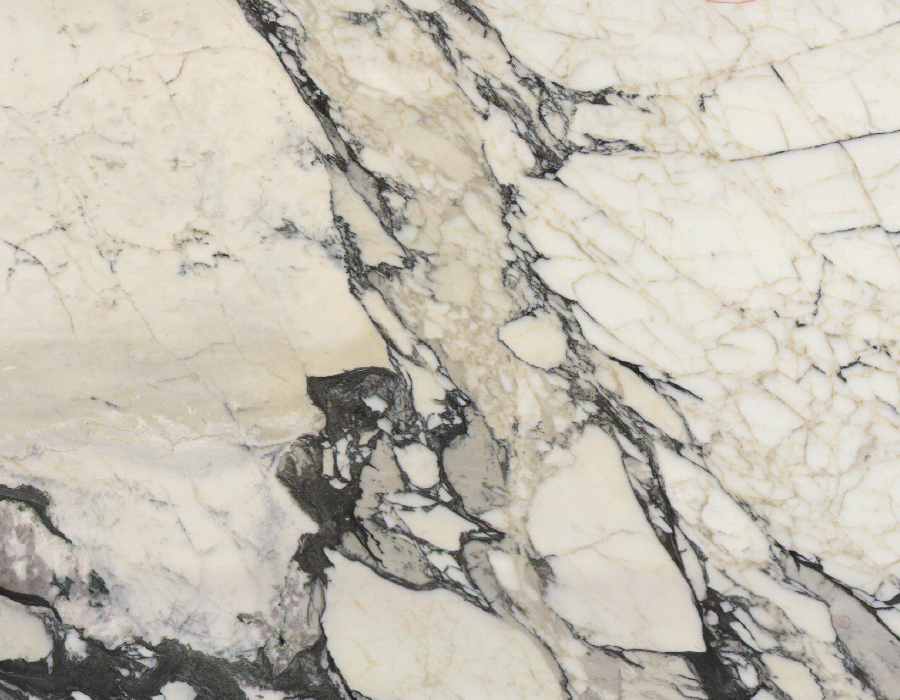
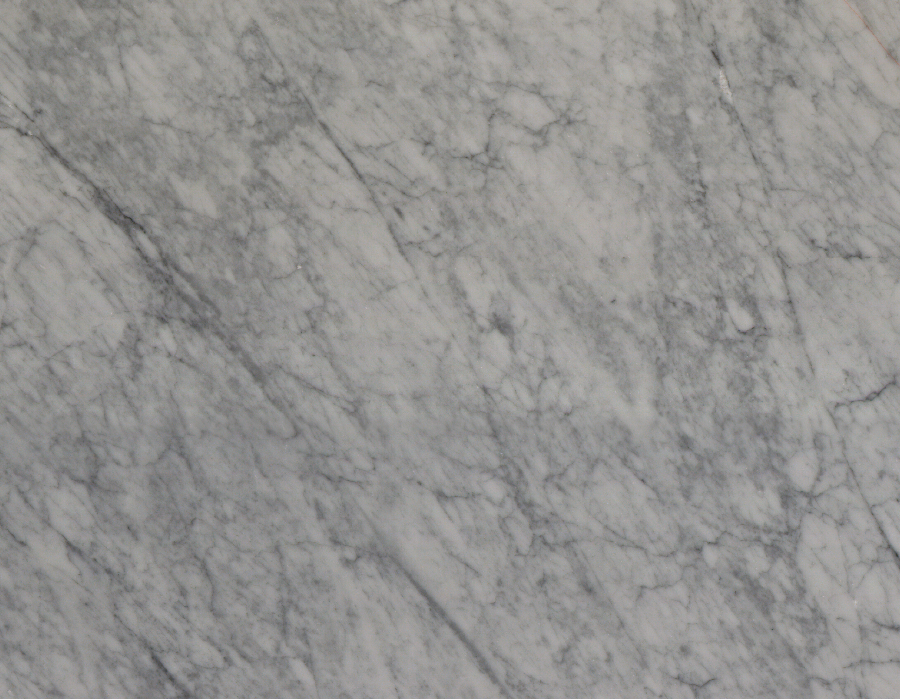
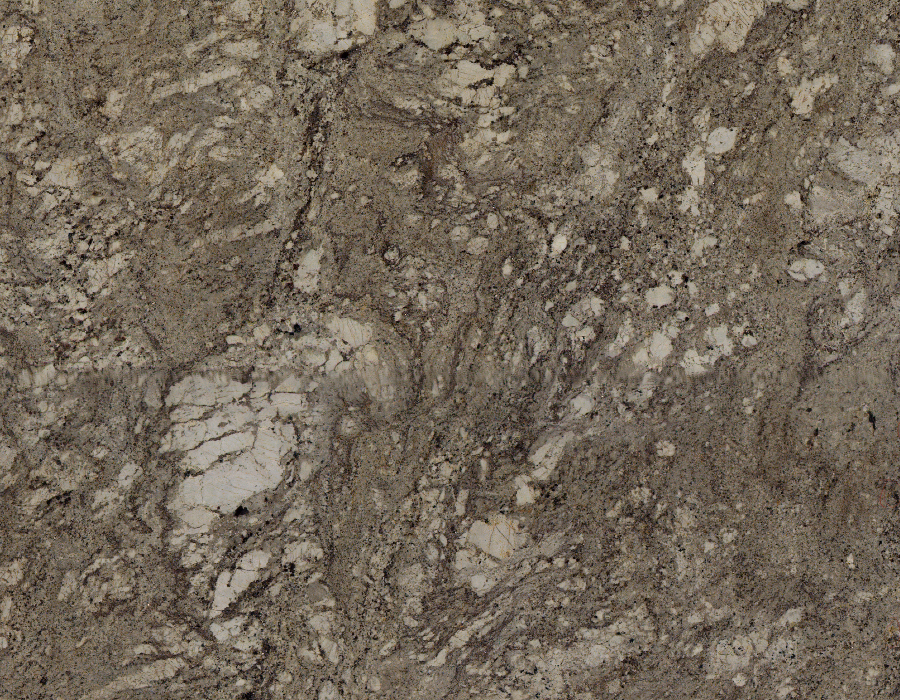
Extensive Color Options

Atlanta Stone Creations offers a vast selection of marble colors to suit any design preference:

For real time inventory please reach out to us

Read More About Marble Countertops

Our Marble Projects in Atlanta, GA