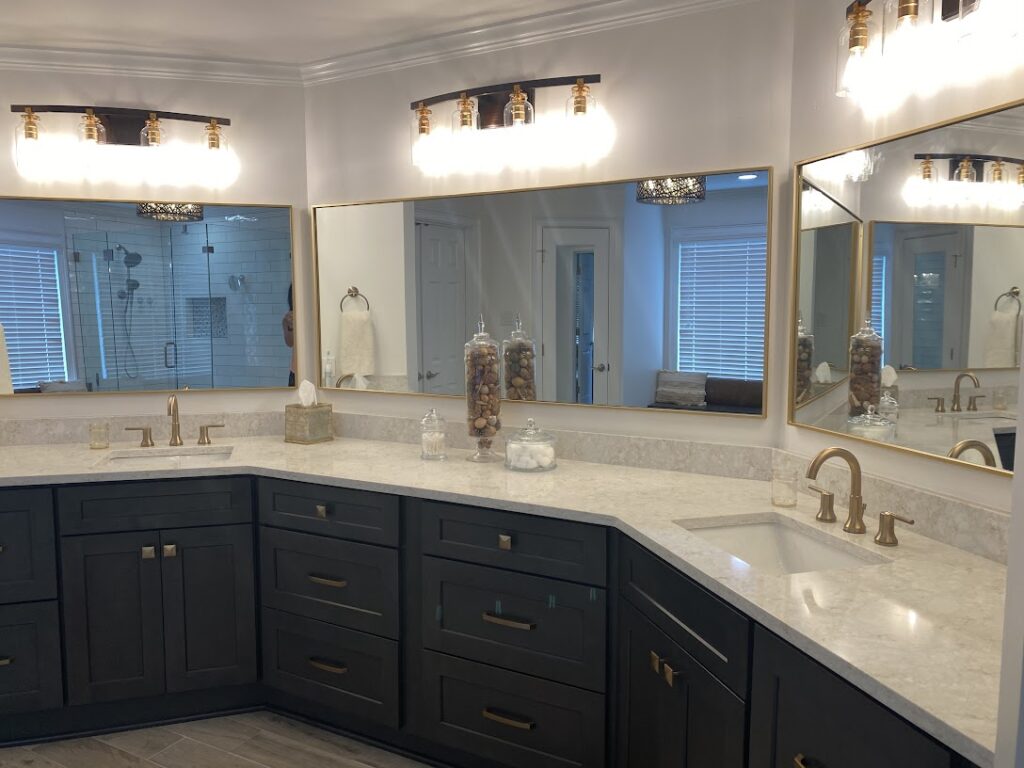
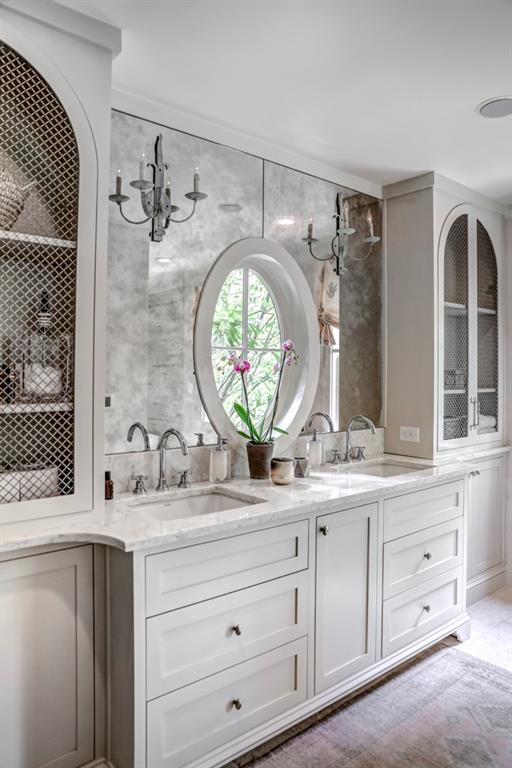
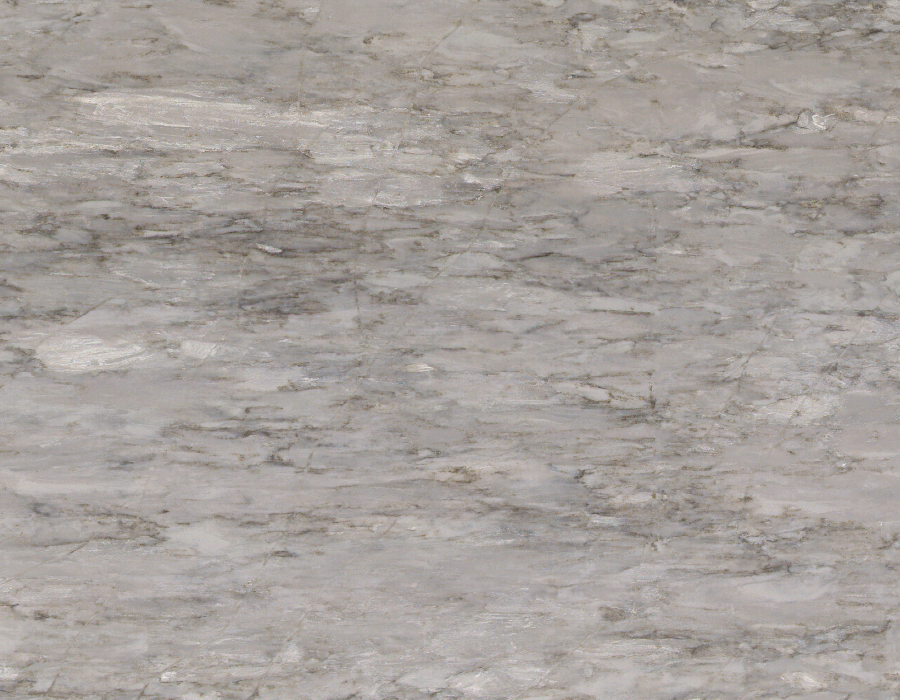
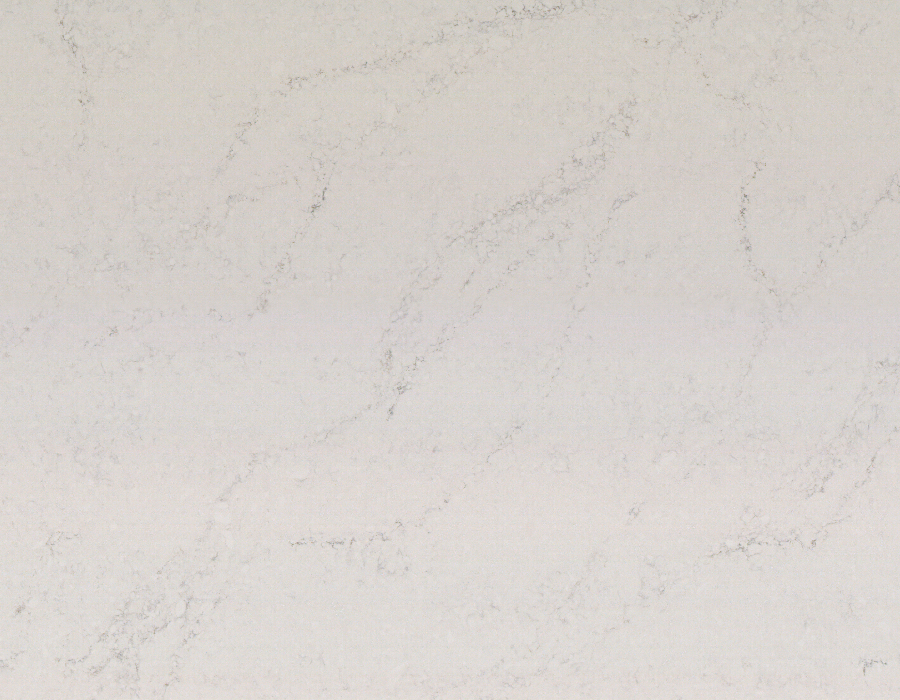
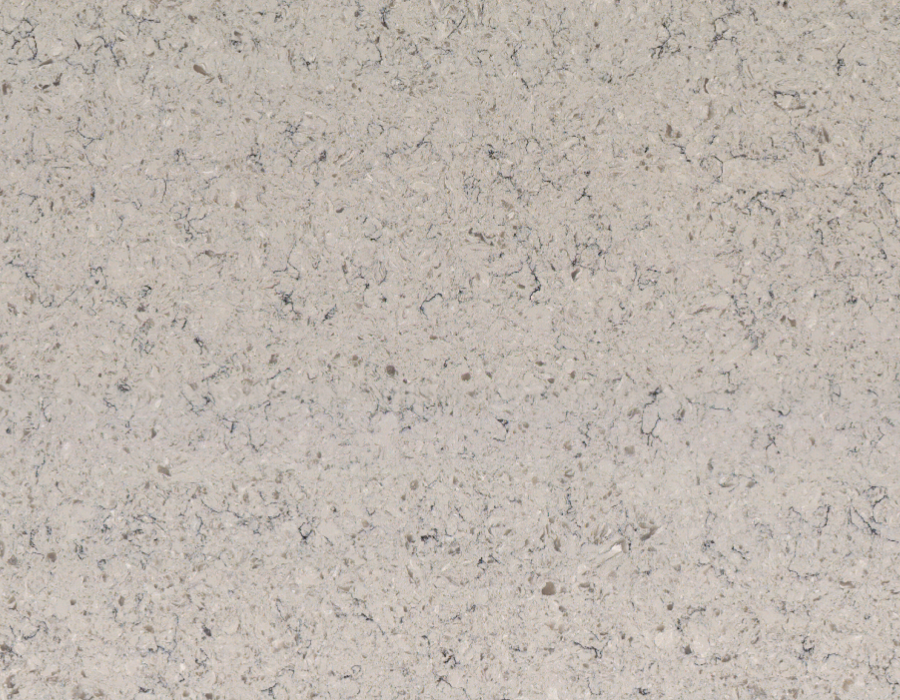
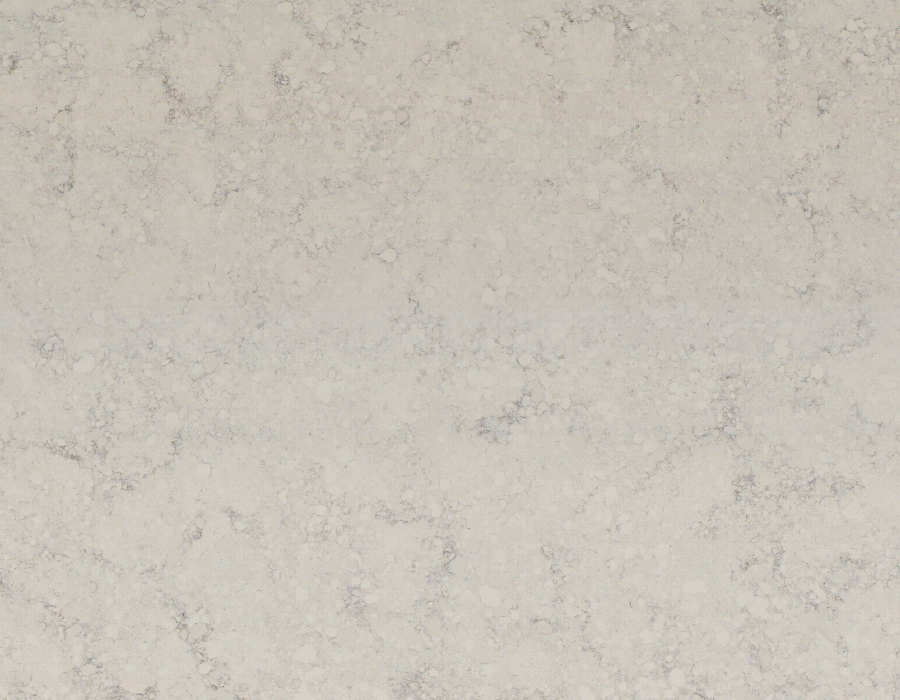
Not every vanity needs the toughest option available. A guest powder room used twice a week has very different demands than a shared family bath where two kids get ready each morning. So before you fall for a slab, think honestly about the room.
Factors worth weighing:
- How many people use the space daily
- Whether it sees heavy heat from hot tools
- The amount of natural light and the window area
- Your tolerance for routine sealing versus zero upkeep
- Whether you want dramatic veining or a quiet look
- The size and layout of the existing cabinetry
- How long do you plan to stay in the home
- Your design direction for the rest of the room
- Your budget for materials and fabrication
Once you have those answers, certain pairings make sense. A few common situations and reasonable fits:
- Busy family bath: an engineered top that skips sealing
- Low-traffic powder room: a softer natural slab full of character
- Main suite with dual basins: a durable, hard-wearing surface
- Rental or resale prep: a widely appealing, easy-care choice
- Humid, windowless bath: a non-absorbent surface resisting mildew
- Design-forward remodel: a statement slab with unique movement
- Small en-suite: a compact remnant slab that keeps costs down
Vanity Materials Compared
Every material behaves differently once it is near water each day. The table sums up how popular choices stack up for bath use, with no two natural slabs ever identical.
Material | Type | Porosity | Sealing | Best Suited For |
Granite | Natural stone | Varies by slab | Periodic; varies by stone | Character and everyday durability |
Quartz | Engineered surface | Non-porous | Not required | Busy baths and low upkeep |
Marble | Natural stone | Porous | Regular care needed | Powder rooms and statement pieces |
Soapstone | Natural stone | Non-porous | Oiled for looks only | A soft, warm, low-fuss surface |
Porcelain | Sintered surface | Non-porous | Not required | Ultra-thin, heat-tolerant designs |
Durability still hinges on the specific slab, finish, and daily use, so treat the chart as a starting point, not a promise.
Granite for Bathroom Vanities
Granite remains a favorite for good reason. It brings natural depth and pattern that manufactured materials only imitate, and every piece is genuinely one of a kind. For a vanity, that individuality is part of the appeal. You can browse options in our granite surface selection to get a feel for the range.
What makes it work well in a bath:
- Naturally hard and resistant to everyday scratching
- Withstands warmth from hot styling appliances
- Huge color range, from soft creams to bold movement
- Every slab differs, so your vanity is unique
- Holds value and appeal for future buyers
- Cleans easily with mild soap and water
- Distinctive patterns not found in engineered tops
A few honest considerations:
- Most granite needs periodic sealing, though timing varies by stone
- Porosity differs from piece to piece, so testing matters
- Very dark, dense varieties may seal far less often
- Heavier slabs require sturdy cabinet support
- Veining will differ from any showroom sample
Quartz for Low-Maintenance Living
If upkeep is your main concern, quartz is hard to beat. It is engineered, roughly 90 to 95 percent ground natural quartz blended with polymer resins and pigments. That build makes it non-porous, so sealing is never required, and it naturally resists moisture and staining. One brand we carry through our certified Cambria partner program is a popular pick for this exact reason.
Why it suits bath duty:
- No sealing, ever, so upkeep stays minimal
- Resists water, stains, and common bath products
- Consistent color and pattern end to end
- Wide selection of marble-look and solid tones
- Cleans with everyday mild cleaners
- Non-absorbent, which discourages mildew growth
- Uniform look that suits modern design
- Comes in large slabs with few visible seams
- Backed by manufacturer warranties on many lines
A few things to note:
- Resins can scorch under high heat, so use a pad for hot tools
- Engineered, not natural, so it lacks quarried variation
- Direct sun over the years may fade some lighter tones
- Repairs are trickier than with a solid natural piece
- It differs from quartzite, which is a mined rock
Marble for a Refined Look
Few surfaces read as luxurious quite like marble. Its soft veining and bright, cool tone have defined elegant baths for centuries, and it still turns heads in an Atlanta main suite. There is a catch, though, and being honest about it saves regret. Our marble vanity options show how varied the look can be.
What draws people to it:
- Timeless, high-end appearance that feels custom
- Naturally cool touch, pleasant in warm climates
- Flowing veins that no two pieces share
- Brightens smaller or darker rooms beautifully
- Adds a sense of permanence and quiet luxury
- Pairs with classic and contemporary fixtures alike
- A bright, reflective surface that plays off mirrors
Where caution comes in:
- Softer and scratches more easily than granite
- Acidic cleaners and cosmetics can etch the finish
- Porous, needing regular sealing plus careful habits
- Best kept to quieter powder rooms and feature vanities
- Rings and dull spots form if spills sit too long
Additional Surface Options
Beyond the big three, two more surfaces are worth a look.
Soapstone in the Bath
Soapstone has a quiet, understated character that works beautifully near water. It is a natural stone that is non-porous by nature, a real advantage in a humid room. Unlike many surfaces, it stays protected without any sealing; mineral oil is applied solely to deepen the color and even out the patina.
Why soapstone earns a look:
- Naturally non-absorbent, so liquids stay on top
- Protected without any sealing schedule
- Warm, soft, matte look that ages gracefully
- Resists heat, an asset beside hot tools
- Develops a natural patina that many owners love
- Oil treatment is optional and only cosmetic
- Chemically resistant, shrugging off acidic products
- Comfortable, slightly soft feel underhand
Porcelain and Sintered Surfaces
Porcelain is worth clearing up, since it often gets lumped in with stone. It is actually a sintered surface, made by fusing natural clays and minerals under intense heat and pressure, not a quarried stone at all.
Reasons it shows up in modern baths:
- Extremely thin profiles suit sleek, minimal designs
- Highly resistant to staining and liquids
- Excellent heat tolerance for a bath setting
- Designs mimic marble, concrete, or solid colors
- UV-stable, so patterns hold near windows
- Lightweight next to thick natural slabs
- Resists scratches from daily grooming tools
Sinks, Sizes, and Edge Details
The material is only half the decision. How the top is cut, which basin you choose, and the edge you finish it with all shape the result. This is where a precise template and skilled fabrication really matter.
Common sink styles for a stone top:
- Undermount sinks, set below the top for a wipeable rim
- Drop-in or self-rimming basins resting on the surface
- Vessel bowls sitting above the counter as a focal point
- Integrated designs where the basin and top read as one
- Single-basin layouts for compact rooms
- Dual-basin setups for shared master suites
- Trough basins for a wide, modern look
Vanity tops are cut to standard cabinet widths, commonly 24, 30, 36, 48, 60, and 72 inches, with a small overhang so drips clear the doors below. We start with an exact template of your space before anything is cut, so faucet holes and basin openings land right.
Picking an Edge Profile
The edge is a subtle detail that changes the whole feel of a vanity. Rounded profiles suit family baths where comfort matters; crisp, squared lines lean modern. Your options usually include:
- Eased, a gently softened square that reads clean
- Beveled, angled for a bit of definition
- Bullnose, fully rounded and comfortable to lean on
- Half-bullnose, curved on top and flatter below
- Ogee, a carved S-curve for a traditional feel
- Mitered, built up for a thick, substantial edge
- Waterfall, running down the side of the cabinet
Curious how these look in finished work? Our completed vanity gallery shows a range of edges, basins, and materials in real Atlanta bathrooms.