
Countertops for Outdoor Kitchens
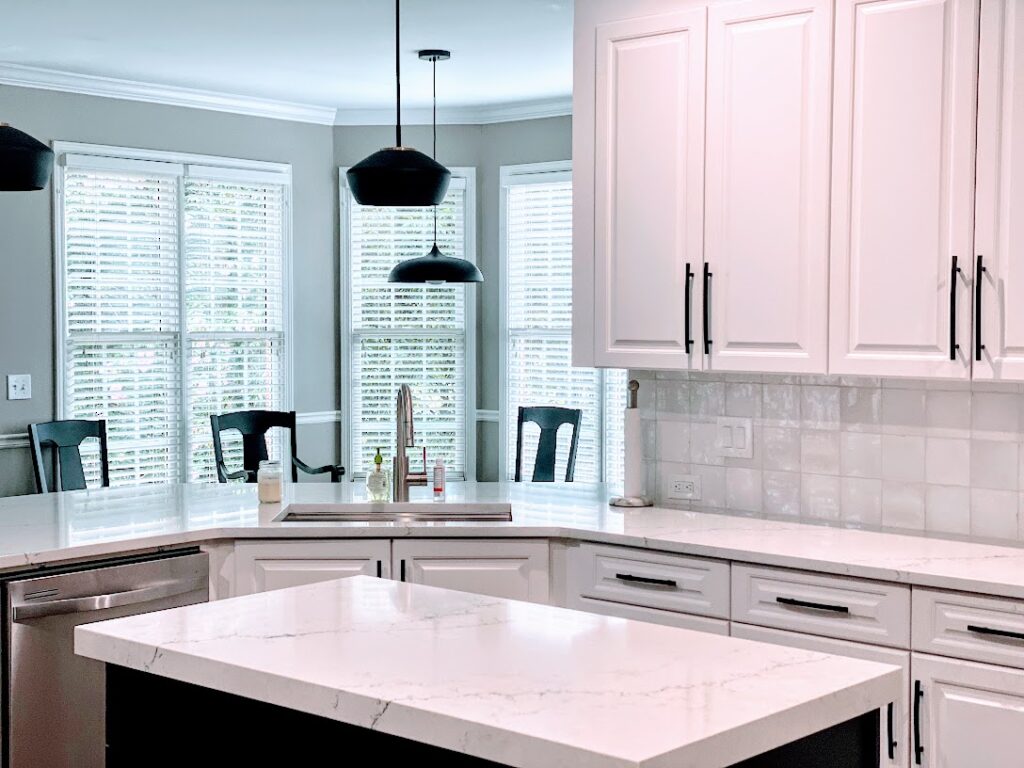
An outdoor kitchen puts a countertop through everything it never sees indoors: direct sun, driving rain, freezing nights, pollen, and the blast of heat off a grill. Not every surface can take it. A material that looks flawless in your indoor kitchen may fade, crack, or stain within a season when it’s exposed to the elements. Here is how the real contenders hold up, and which one fits the way you cook and entertain.
What Outdoor Cooking Demands of a Surface
Before comparing materials, it helps to know what an exterior top is actually up against. Outdoor kitchens sit fully exposed to the elements, so conditions are harsher and less predictable than anything a work surface inside faces.
A weather-exposed slab has to manage several things at once:
- Constant sunlight that can wash out color over the years
- Freeze-and-thaw cycles that stress porous materials
- Standing rain, humidity, and sudden temperature swings
- Radiant heat from grills, burners, and pizza ovens
- Pollen, leaves, and grease that stain if left too long
Around Georgia, heat and strong sun are the two factors homeowners underestimate most. A surface that answers both is the one worth building your space around.
Porcelain: The Standout Outdoor Performer
Porcelain has quietly become the material many fabricators reach for first, and for good reason. It is a sintered surface, made by firing natural clays and minerals at extremely high temperatures until they fuse into a dense panel. That process, not quarrying, is what gives it such a rugged profile.
Large-format porcelain surfaces are some of the most weather-ready options on the market. Here is what makes them excel:
- Sun-stable, so patterns and tone resist UV fading
- Non-porous, needing no sealer to repel water
- Highly heat-tolerant, shrugging off grill spatter
- Handles freezing and thawing without cracking
- Comes in big slabs that keep seams to a minimum
You can see the range on our porcelain surface page, including looks that mimic marble, concrete, or raw rock without the upkeep those would demand outside.
Granite: The Rugged Natural Classic
For a natural pick, granite is tough to beat outdoors. Its mineral makeup is naturally UV-stable and genuinely heat-resistant near a burner, which is why homeowners have trusted it on exterior surfaces for decades.
Why this stone earns its place in a cookout zone:
- Holds color under strong light, unlike resin-based tops
- Takes direct grill heat far better than engineered options
- Dense and hard, resisting chips and everyday scratches
- Every slab differs, adding one-off character to a patio
- Widely stocked in tones that suit decks and pergolas
One honest caveat: the stone is slightly porous, so it wants periodic sealing to keep moisture out, though very dark varieties need it less often. Browse the granite countertop page if that look appeals to you.
Quartzite and Soapstone for Exterior Use
Two more natural stones deserve a spot here, since both handle the elements well.
Quartzite is a metamorphic rock, harder than most stones and just as resistant to the sun. It shrugs off scratches and daylight without complaint, though it benefits from an occasional reseal. Soapstone takes a different route: naturally non-porous, it never needs a sealer, tolerates heat, and simply deepens into a rich patina over time.
A quick look at how these two behave outside:
- Quartzite offers striking, dramatic veining and real hardness
- Prolonged daylight will not dull a quartzite slab
- Soapstone resists staining without any protective coating
- Acidic drinks and marinades rarely etch soapstone
- Both suit a natural, earthy patio aesthetic
Either is a solid choice; you can compare our quartzite slab options against soapstone to see which suits your build.
Where Quartz Fits, and Where It Does Not
This is where a lot of homeowners get tripped up. Engineered quartz is a fantastic indoor surface, but it is a different animal outside. Because it is roughly 90 to 95 percent ground quartz bound with polymer resins, those resins react poorly to sustained sun exposure.
Standard quartz can fade or turn yellow in direct sunlight, and most makers specifically exclude open-air installations from coverage. A few points to keep in mind:
- Only UV-rated, outdoor-specific quartz lines belong in full sun
- Beneath a fully covered, shaded patio, regular quartz can work
- Always confirm the manufacturer’s warranty before you commit
If your cooking zone sits under a solid roof, quartz stays viable; if it bakes in afternoon light, natural stone will serve you far better.
Concrete, Tile, and Budget-Friendly Choices
Not every project calls for a premium slab, and a few wallet-friendly routes hold up reasonably well.
Options that stretch a budget without falling apart:
- Cast concrete, endlessly customizable but needing a good sealer
- Frost-rated tile paired with a quality, weatherproof grout
- Remnant stone pieces left over from larger fabrication jobs
- Poured finishes that can mimic pricier materials at less cost
Concrete can develop hairline cracks over time, and tile relies on solid grout work, yet both offer a tough work surface at a lower price than premium stone.
Material Comparison for Outdoor Use
Every surface trades one thing for another. This chart summarizes how the main choices behave once they’re outside, though results still vary depending on the specific slab and the amount of daylight the spot gets.
Material | Sun Resistance | Heat Tolerance | Sealing | Best For |
Porcelain | Excellent | Excellent | None needed | Fully exposed, low-upkeep builds |
Granite | Very good | Excellent | Periodic | Rugged, natural, heat-heavy zones |
Quartzite | Excellent | Very good | Periodic | Bold veining with real hardness |
Soapstone | Excellent | Very good | None needed | Earthy patios, zero-sealer upkeep |
Standard quartz | Poor in the sun | Fair | None needed | Covered, shaded spaces only |
Sun, Weather, and the Georgia Climate
Our regional climate shapes the smart choice more than any trend does. Long, humid summers and strong afternoon light are hard on color-sensitive tops, while the occasional hard freeze tests anything porous.
Keep these local realities in mind:
- Intense summer rays reward genuinely sun-stable materials
- Humidity makes non-porous surfaces easier to keep clean
- A rare deep freeze can crack unsealed, waterlogged slabs
- Afternoon shade or a pergola extends the life of any top
Homeowners across our Metro Atlanta service area get the best results by matching outdoor kitchen countertops to the level of exposure the space really has
Caring for an Exterior Surface
Even the toughest slab lasts longer with a little routine attention. Outdoor care is simpler than most people expect, but it does differ from indoor habits.
A few practical pointers:
- Rinse pollen, grease, and debris with mild soap and water
- Reseal porous stone such as quartzite on schedule
- Use a cover or built-in shading during peak sun months
- Wipe acidic spills promptly to protect softer materials
- Skip harsh, abrasive cleaners that can dull a finish
Marble, worth a brief mention, is the classic surface we usually steer people away from; it is porous, etches quickly, and fares poorly in direct sun without diligent upkeep.
Frequently Asked Questions
What is the best countertop material for an outdoor kitchen?
Sintered porcelain panels are widely regarded as the top all-around performer, since they remain color-stable, resist heat, repel water without a sealer, and handle hard freezes with almost no upkeep. Granite runs a very close second, offering natural character and superb heat resistance, though it needs resealing now and then. Quartzite and soapstone also excel outdoors. The right pick depends on how exposed your space is, your tolerance for maintenance, and the look you want, so weigh sunlight and upkeep against aesthetics.
What is the cheapest option for outdoor countertops?
Weatherproof, frost-safe tile and cast concrete are generally the most budget-friendly routes, both costing less than premium slabs while still handling daily use. Tile with quality grout resists cracking, while sealed concrete allows custom shapes and finishes. Among natural stone options, quarried slabs are often the most accessible starting point thanks to their wide availability. Remnant pieces left from larger jobs can also lower the price on a compact build. Because cost shifts with material and size, a project-specific quote gives the clearest picture.
What is the best surface for an outdoor kitchen?
It comes down to how much sun and heat the spot gets. For a fully exposed build, a sintered panel and granite lead the way because both remain stable under relentless daylight and radiant grill heat. Quartzite adds dramatic veining with similar toughness, and soapstone brings non-porous, zero-sealer convenience. Standard engineered quartz suits covered, shaded areas best. Matching the material to real-world exposure, rather than chasing a single winner, is what keeps an installation looking sharp for years.
Is granite or quartz better for outdoors?
For most exposed builds, granite is the stronger choice. Its mineral composition remains stable in sunlight and resists heat, so it holds its tone and shrugs off hot cookware beside a grill. Standard quartz, by contrast, leans on polymer resins that can discolor or yellow in direct light, and most warranties exclude exterior use. The engineered option only rivals natural stone when it is a specialized UV-rated line or lives under full cover. In open sun, the quarried stone wins comfortably.
Ready to Build Your Outdoor Kitchen?
Planning a cookout space that can take Georgia weather year-round? Our team has fabricated durable exterior surfaces across the region for over two decades, and we will help you match the right slab to your patio and your budget. Browse finished builds in our outdoor project gallery, then reach out through our contact page for a free consultation and quote on your dream cookout space today.

Val Carvalho is a manager at Atlanta Stone Creations, with nearly two decades of experience in the stone and design industry. In addition to her leadership role, Val plays a key part in sales and design, bringing creativity, precision, and a strong sense of style to every project. Known for her warm and collaborative approach, she builds strong relationships with both her team and her clients. Val is passionate about delivering beautiful, high-quality results and creating an exceptional experience from start to finish.