Top 10 Features Every Modern Home Should Have

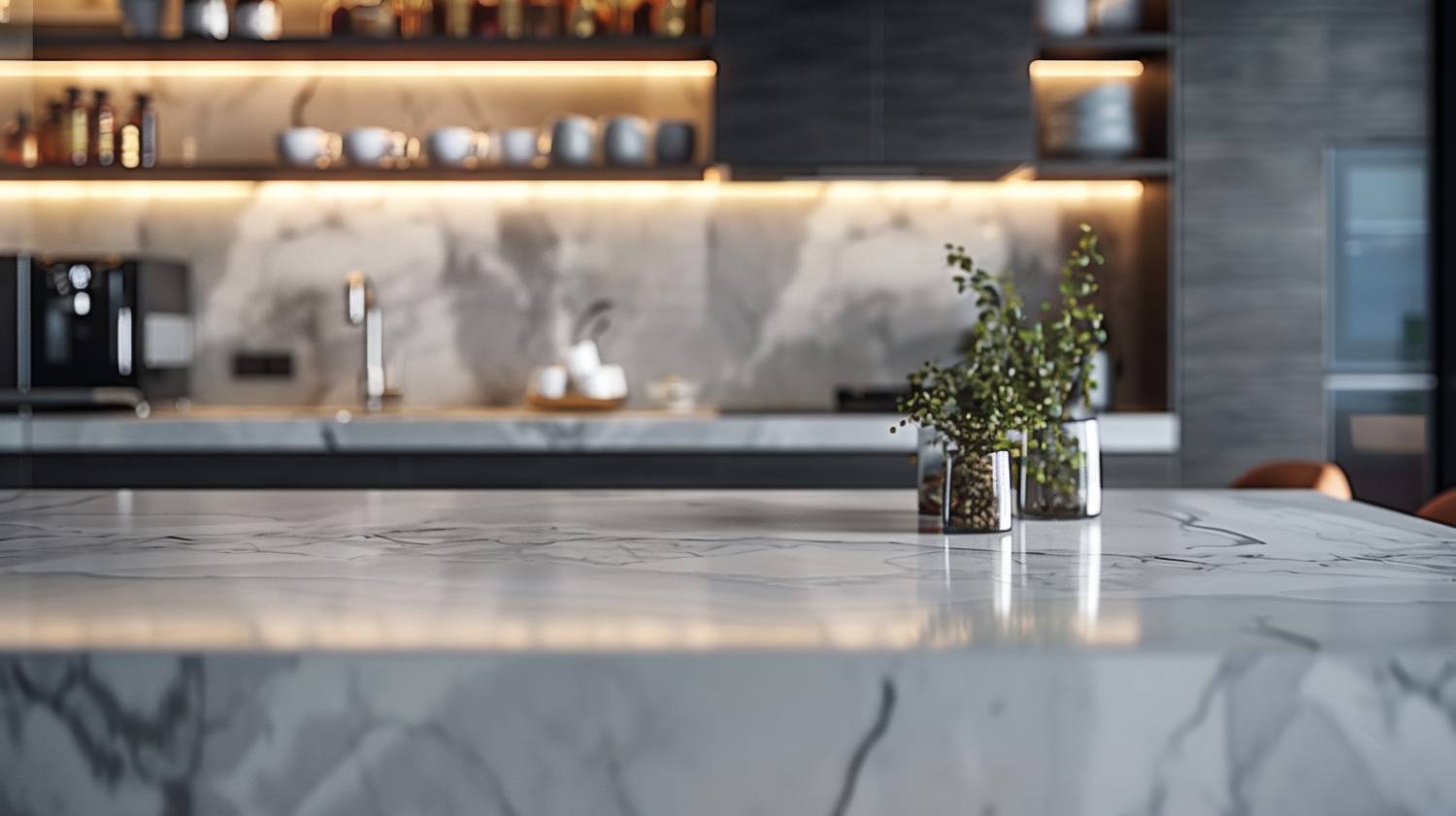
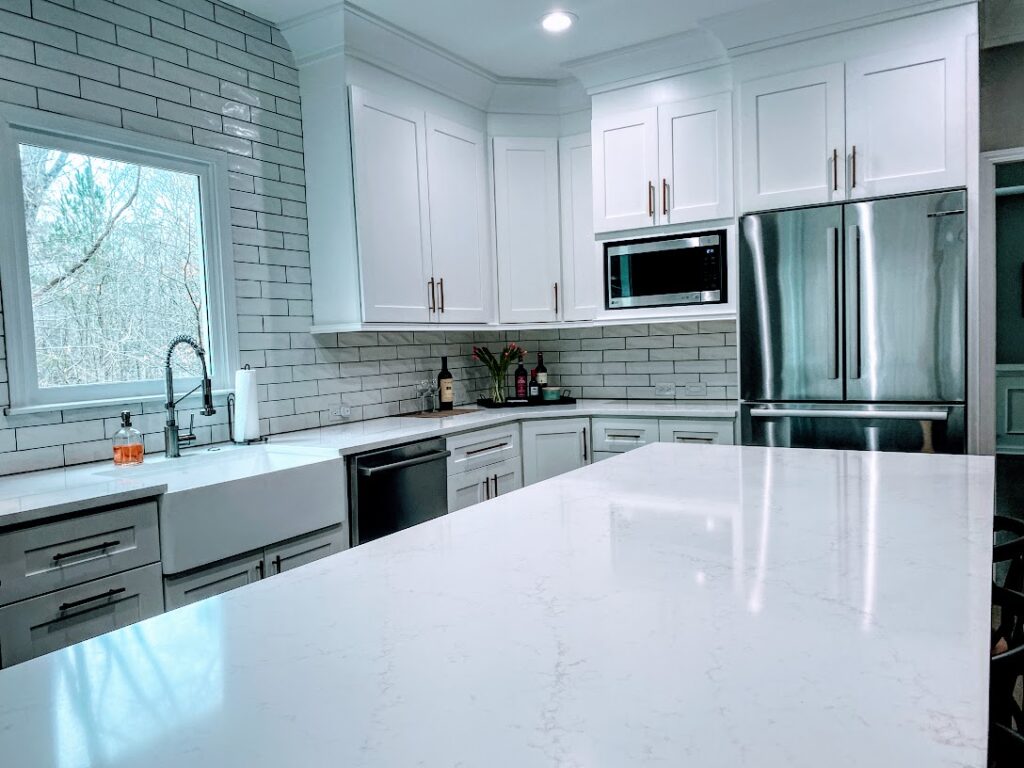
Marble Stone Counter on Stylish Kitchen Interior background

Top 10 Features Every Modern Home Should Have

In today’s fast-paced world, modern homes are designed to combine functionality with aesthetics, creating spaces that cater to contemporary lifestyles. From open floor plans to cutting-edge technology, these features elevate everyday living while adding value to properties. Here are the top 10 must-have features for every modern home, crafted to inspire and inform your next project.

1. Open Floor Plans

Open floor plans have become synonymous with modern living. By removing unnecessary walls, these layouts create a seamless flow between the kitchen, dining, and living areas, fostering a sense of spaciousness. This design encourages natural light to permeate the space, making it airy and inviting. Perfect for entertaining, an open floor plan allows hosts to engage with guests while preparing meals or refreshments.

2. Smart Home Technology

Integrating innovative technology is no longer a luxury—it’s a necessity. Features such as smart thermostats, automated lighting, and voice-controlled assistants make managing household tasks effortless. These systems also promote energy efficiency by optimizing resource usage, contributing to lower utility bills and a reduced carbon footprint.

3. Energy-Efficient Appliances

Modern homes prioritize sustainability, and energy-efficient appliances play a significant role in achieving this goal. These appliances minimize energy consumption from refrigerators to washing machines without compromising performance. Look for models with ENERGY STAR certifications to ensure optimal efficiency and savings.

4. Granite Countertops

Granite countertops are a hallmark of modern home design, offering both durability and timeless beauty. Their natural stone patterns add elegance to kitchens and bathrooms, while their resilience ensures they can withstand daily wear and tear. Resistant to scratches, heat, and stains, granite countertops are practical and increase the property’s value. They’re available in various colors and finishes, allowing homeowners to customize their spaces to reflect personal style.

5. Sustainable Building Materials

The push for eco-friendly construction has made sustainable materials a staple in modern home design. Bamboo flooring, reclaimed wood, and recycled metal accents reduce environmental impact and add unique character to interiors. These materials demonstrate a commitment to green living, appealing to environmentally conscious homeowners.

6. High-Tech Security Systems

Safety remains a top priority for homeowners. Advanced security systems provide peace of mind, including video doorbells, motion detectors, and remote surveillance. Many of these systems integrate with smartphones, allowing homeowners to monitor their property from anywhere in the world.

7. Energy-Efficient Windows and Insulation

Proper insulation and high-quality windows are essential for maintaining a comfortable indoor environment. Double or triple-pane windows with low-E coatings prevent heat loss during winter and reduce heat gain in summer. Paired with effective insulation, these features enhance energy efficiency while lowering heating and cooling costs.

8. Spacious Kitchen Islands

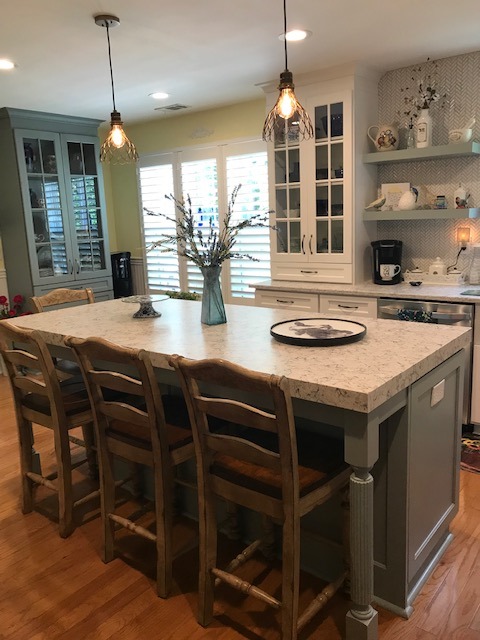
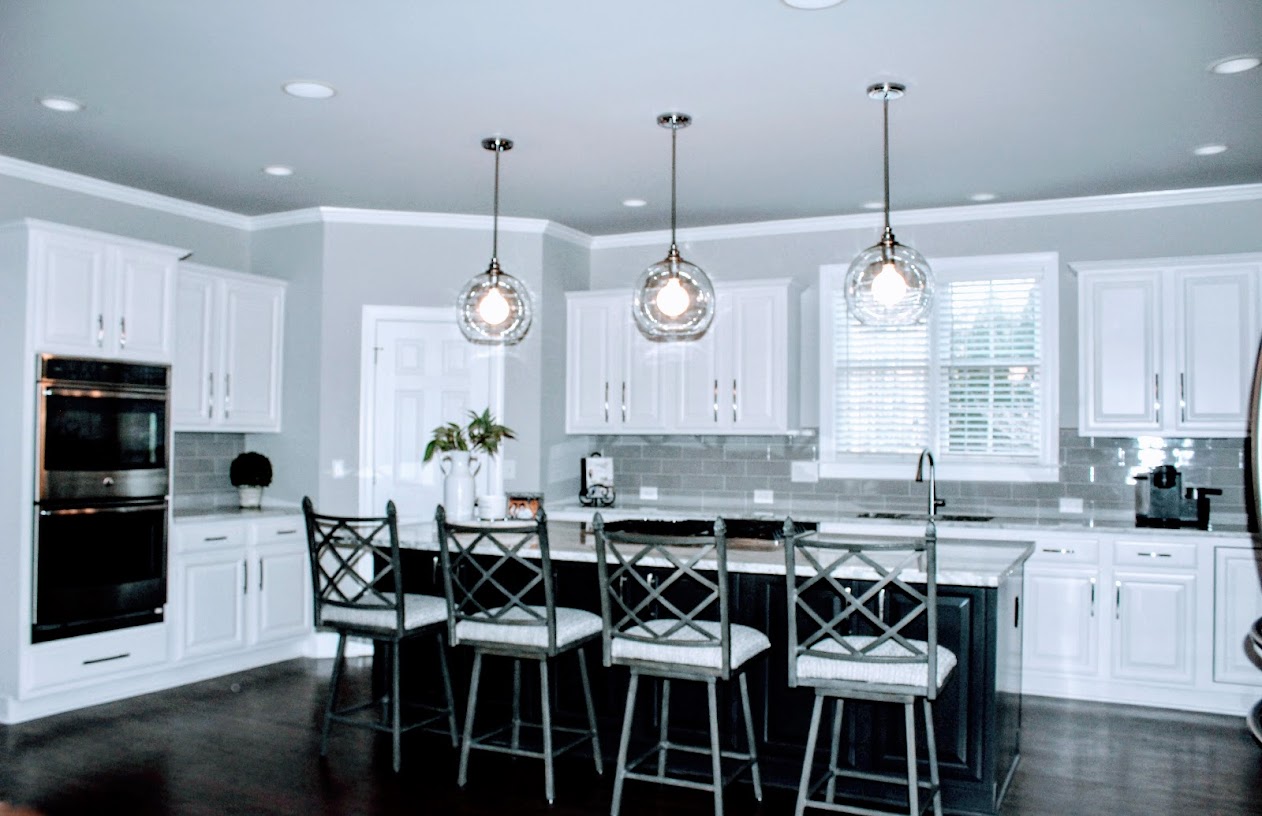
The kitchen is the heart of any home, and a spacious island serves as its centerpiece. Granite or quartz countertops elevate the island’s aesthetic appeal while offering a durable workspace. Incorporating additional storage, seating, and integrated appliances transforms the island into a multifunctional hub for cooking, dining, and socializing.

9. Luxurious Bathrooms

Modern homes often include spa-like bathrooms that provide a relaxing retreat from daily stress. Features such as rain showers, freestanding bathtubs, and heated floors create a luxurious ambiance. Incorporating natural stone surfaces like marble or granite adds a touch of elegance, while smart mirrors with built-in lighting enhance functionality.

10. Outdoor Living Spaces

Expanding indoor comfort to the outdoors is a hallmark of modern design. Patios, decks, and landscaped gardens with seating areas, fire pits, or outdoor kitchens blur the line between interior and exterior spaces. These areas are perfect for entertaining or enjoying quiet moments surrounded by nature.

Conclusion

Incorporating these top 10 features into a modern home design ensures a harmonious blend of style, convenience, and sustainability. Whether you’re building from scratch or renovating an existing property, these elements enhance your space’s functionality and aesthetic appeal. Atlanta Stone Creations is here to help you bring your vision to life with custom solutions tailored to modern living. Contact us today to learn more about creating a home that truly reflects your lifestyle.

Val Carvalho is a manager at Atlanta Stone Creations, with nearly two decades of experience in the stone and design industry. In addition to her leadership role, Val plays a key part in sales and design, bringing creativity, precision, and a strong sense of style to every project. Known for her warm and collaborative approach, she builds strong relationships with both her team and her clients. Val is passionate about delivering beautiful, high-quality results and creating an exceptional experience from start to finish.

Sealing Granite Countertops: Everything You Need to Know

Sealing Granite Countertops: Everything You Need to Know

Granite countertops are renowned for their elegance and durability, making them popular in kitchens and bathrooms. However, proper care is essential to maintaining their beauty and functionality. One critical aspect of granite maintenance is sealing. This guide explores the process, importance, and tips for sealing granite countertops, helping you protect your investment and keep your counters looking their best.

Why Sealing Granite Countertops Is Important

Granite is a natural stone known for its strength but also porous. This porosity allows liquids like water, oil, or wine to seep into the surface, potentially causing stains or damage. A sealant creates a protective barrier that prevents moisture and spills from penetrating the stone. This not only safeguards the countertop from discoloration but also makes cleaning easier and enhances its longevity.

How to Determine If Your Countertop Needs Sealing

Before starting the sealing process, assess whether your granite countertop requires it. Perform a simple water test:

  1. Pour a small amount of water on the surface.
  2. Observe how the water behaves over 15 minutes. If it beads up, the countertop is adequately sealed. If it begins to soak in, resealing is necessary.

Countertops in high-use areas like kitchens or bathrooms may require more frequent resealing than less-used surfaces.

Types of Granite Sealants

Choosing the right sealant is crucial for effective protection. Here are the most common types:

  • Penetrating Sealers: These are absorbed into the stone, creating an internal barrier against moisture and stains.
  • Topical Sealers: These sit on the surface, forming a protective coating that enhances shine but may wear down faster in high-traffic areas.
  • Hybrid Sealers: Combining both properties, hybrids offer deep penetration and surface protection for optimal durability.

Step-by-Step Guide to Sealing Granite Countertops

Sealing granite countertops is a straightforward process that requires attention to detail. Follow these steps:

Step 1: Prepare the Surface

Begin by thoroughly cleaning the countertop. Use a stone-safe cleaner to remove dirt, grease, and stains. Avoid harsh chemicals like bleach or ammonia, which can damage the stone’s surface. Wipe it dry with a microfiber cloth to ensure no moisture remains.

Step 2: Choose the Right Sealant

Select a sealant designed specifically for granite or natural stone. Read the manufacturer’s instructions carefully to ensure compatibility with your countertop.

Step 3: Apply the Sealant

Apply the sealant evenly across the surface using a clean, soft cloth or sponge. Work in small sections to ensure full coverage. Avoid letting the product pool or drip into corners.

Step 4: Allow the Sealant to Penetrate

Let the sealant soak into the stone for the recommended time—usually around 15 minutes. This allows the product to fill the pores and create a strong barrier.

Step 5: Wipe Off Excess

After the penetration period, use a clean, dry cloth to wipe off any remaining sealant. Excess sealant left on the surface can create a sticky residue or streaks.

Step 6: Allow to Cure

Let the countertop cure for at least 24 hours before using it. During this time, avoid placing objects or spilling liquids on the surface to ensure proper sealant sets.

How Often Should You Reseal Granite Countertops?

The frequency of resealing depends on factors like usage, stone type, and sealant quality. In general:

  • High-use kitchen countertops may need resealing every 6-12 months.
  • Bathroom surfaces typically require resealing every 1-2 years.
  • Darker granites, which are less porous, need sealing less frequently than lighter varieties.

Regular water tests should be performed to monitor the condition of the seal and reseal as needed.

Common Mistakes to Avoid

When sealing granite countertops, steer clear of these pitfalls:

  1. Using the Wrong Products: Avoid generic cleaners or sealants not designed for granite. These can damage the stone or reduce the sealant’s effectiveness.
  2. Skipping Preparation: Failing to clean the countertop thoroughly before sealing can trap dirt or oils under the sealant.
  3. Overapplying Sealant: Too much sealant can lead to a streaky or uneven finish.
  4. Ignoring Cure Times: Using the countertop before the sealant cures can compromise its protective barrier.

Benefits of Sealing Granite Countertops

Proper sealing offers numerous advantages, including:

  • Stain Resistance: Prevents liquids and oils from penetrating the surface.
  • Enhanced Durability: Protects against scratches, chips, and other wear.
  • Easier Cleaning: Makes wiping up spills and stains a breeze.

Maintained Aesthetics: Preserves the stone’s natural beauty and color.

Caring for Sealed Granite Countertops

Once your countertop is sealed, maintain it with these tips:

  • Use Gentle Cleaners: Opt for pH-neutral, stone-safe cleaning solutions to avoid damaging the seal.
  • Wipe Spills Promptly: Even with a seal, it’s best to clean spills immediately to prevent potential damage.
  • Avoid Abrasive Tools: Use soft cloths or sponges to prevent scratches.
  • Protect from Heat: Always use trivets or heat pads under hot pans to prevent thermal shock or discoloration.

When to Seek Professional Help

Hiring a professional fabricator or installer may be the best option for large surfaces, intricate edges, or significant damage. Professionals can assess the condition of your granite and apply the appropriate sealant using specialized tools.

Conclusion

Sealing granite countertops is a vital step in maintaining their appearance and functionality. By using the right sealant, following proper application techniques, and practicing regular maintenance, you can enjoy the timeless beauty of your granite surfaces for years to come. Atlanta Stone Creations supports your granite care needs, offering expert advice and high-quality products tailored to your countertop requirements.

Related Posts

Val Carvalho is a manager at Atlanta Stone Creations, with nearly two decades of experience in the stone and design industry. In addition to her leadership role, Val plays a key part in sales and design, bringing creativity, precision, and a strong sense of style to every project. Known for her warm and collaborative approach, she builds strong relationships with both her team and her clients. Val is passionate about delivering beautiful, high-quality results and creating an exceptional experience from start to finish.

Mixing Materials: Pairing Granite Countertops with Cabinet Colors and Textures

Mixing Materials: Pairing Granite Countertops with Cabinet Colors and Textures

Granite countertops are a hallmark of elegance and durability, often serving as the focal point of a kitchen or bathroom. Their natural beauty and various patterns and colors make them an ideal choice for homeowners and designers alike. However, creating a cohesive and visually appealing space requires carefully considering how granite countertops pair with cabinet colors and textures. In this guide, we’ll explore the art of mixing materials to ensure your space achieves both functionality and style.

The Beauty of Granite Countertops

Granite is a natural stone renowned for its strength, longevity, and unique aesthetic appeal. Each slab of granite is distinct, showcasing intricate veining, speckles, and colors formed over millions of years. This individuality allows granite countertops to complement various design styles, from traditional to modern.

Why Choose Granite?

  • Durability: Granite is resistant to heat, scratches, and stains, making it ideal for kitchens and bathrooms.
  • Low Maintenance: Sealed granite countertops are easy to clean and maintain.
  • Aesthetic Variety: Granite has various colors and patterns, including neutral tones, bold blacks, and vibrant blues.
By understanding granite’s inherent qualities, you can better select complementary cabinet colors and textures to create a harmonious design.

Factors to Consider When Pairing Materials

Several factors must be considered when pairing granite countertops with cabinet colors and textures to ensure a cohesive and visually appealing final look.

1. Granite Color and Pattern

The color and pattern of your granite countertop will influence the overall design. Lighter granites, such as whites and creams, can brighten a space, while darker granites, such as blacks and deep browns, add drama and depth.

2. Cabinet Style

The style of your cabinets—whether modern, traditional, or transitional—sets the tone for your design. Sleek, minimalist cabinets pair well with simpler granite patterns, while ornate cabinets can complement more dynamic granite designs.

3. Textures and Finishes

Combining smooth and textured finishes can add visual interest to your space. Consider how the finish of your granite (polished, honed, or leathered) interacts with cabinet textures, such as matte, gloss, or wood grain.

4. Lighting

Lighting plays a critical role in how colors and textures are perceived. Natural light enhances the subtleties of granite and cabinets, while artificial lighting can create dramatic effects.

Popular Granite and Cabinet Pairings

1. White Granite with Warm Wood Cabinets

White granite, such as Bianco Antico or Colonial White, pairs beautifully with warm wood cabinets. The granite’s light, neutral tones balance the wood’s richness, creating a timeless and inviting space.

Pro Tip: Add brushed gold or bronze hardware for a luxurious touch.

2. Black Granite with White Cabinets

Pair black granite, such as Absolute Black or Black Galaxy, with crisp white cabinets for a bold, modern look. The contrast creates a striking visual effect, perfect for contemporary kitchens and bathrooms.

Pro Tip: Incorporate stainless steel appliances and accents to enhance the modern aesthetic.

3. Gray Granite with Soft Pastel Cabinets

Gray granite, like Silver Cloud or Steel Grey, complements soft pastel cabinets in hues of blue, green, or pink. This pairing exudes a calm, serene atmosphere, ideal for transitional or farmhouse-style designs.

Pro Tip: Use matte finishes on cabinets to maintain a subtle and cohesive look.

4. Beige Granite with Cream Cabinets

Beige granite, such as Giallo Ornamental or Santa Cecilia, pairs wonderfully with cream cabinets. This combination creates a warm, cohesive environment, perfect for traditional or rustic designs.

Pro Tip: Incorporate dark wood or metal accents to add contrast and depth.

5. Exotic Granite with Neutral Cabinets

Exotic granite, featuring bold patterns and vibrant colors, works best with neutral cabinets in white, gray, or beige shades. This allows the granite to remain the show’s star without overwhelming the space.

Pro Tip: Choose minimalist cabinet hardware to keep the focus on the granite.

Blending Textures for Depth and Character

Combining different textures is a great way to add depth and character to your design. Granite countertops are typically smooth and polished, but options like honed or leathered finishes can introduce a unique tactile element.

Cabinet Textures to Consider:

  • Wood Grain: Adds warmth and a natural element to the space.
  • Matte Finishes: This creates a sleek, understated look.
  • Glossy Finishes: Reflects light and enhances modern designs.

For instance, mixing a polished granite countertop with matte wood grain cabinets creates a pleasing, modern, and welcoming contrast.

Tips for Achieving a Balanced Look

  1. Create Contrast: Pair light granite with dark cabinets or vice versa to create visual interest.
  2. Use Neutral Tones: Neutral cabinet colors allow granite’s natural patterns to shine.
  3. Coordinate with Flooring: Ensure the floor complements the countertop and cabinet colors to maintain harmony.
  4. Incorporate Backsplashes: A complementary or contrasting backsplash can tie the entire look together.
  5. Test Samples: Bring home samples of granite, cabinet finishes, and paint colors to see how they interact in your space.

Common Mistakes to Avoid

  • Overwhelming Patterns: Avoid pairing busy granite with ornate cabinet designs to prevent a cluttered look.
  • Neglecting Lighting: Failing to account for lighting can result in mismatched colors and textures.
  • Ignoring Cohesion: Ensure all elements, including flooring and hardware, contribute to a cohesive design.

Why Choose Atlanta Stone Creations?

At Atlanta Stone Creations, we understand the importance of perfectly balancing countertops and cabinetry. As experts in granite countertops, we offer a wide selection of high-quality slabs in various colors and patterns to suit your design needs.

Serving Atlanta and the surrounding areas, our team is dedicated to helping you transform your kitchen or bathroom into a functional and beautiful space. Whether renovating or starting from scratch, we’ll work closely with you to create a design that reflects your unique style and vision.

Contact us today to explore our collection and bring your design dreams to life!

Conclusion

Mixing materials like granite countertops with cabinet colors and textures is an art that requires careful planning and attention to detail. You can create a stylish and cohesive space by understanding granite’s characteristics, considering factors such as lighting and textures, and exploring popular pairings.

Whether you prefer bold contrasts or harmonious tones, the key lies in balancing colors, patterns, and finishes to achieve a design that feels uniquely yours. With the right guidance and high-quality materials, your kitchen or bathroom can become a stunning reflection of your style.

Val Carvalho is a manager at Atlanta Stone Creations, with nearly two decades of experience in the stone and design industry. In addition to her leadership role, Val plays a key part in sales and design, bringing creativity, precision, and a strong sense of style to every project. Known for her warm and collaborative approach, she builds strong relationships with both her team and her clients. Val is passionate about delivering beautiful, high-quality results and creating an exceptional experience from start to finish.

Luxury Features That Increase Property Value: Spotlight on Granite Countertops

Luxury Features That Increase Property Value: Spotlight on Granite Countertops

The world of luxury home design revolves around elements that elevate aesthetic appeal and property value. Among the standout features homeowners and buyers value most, granite countertops consistently hold a top position. Combining timeless elegance with unmatched durability, granite countertops blend practicality with style, making them a key component in high-end homes.

Granite Countertops: A Timeless Choice

Granite’s natural allure stems from its intricate patterns and wide range of colors, offering a unique touch to any space. Each slab carries a one-of-a-kind design, making it a bespoke addition to kitchens or bathrooms. Its enduring appeal ensures it remains a preferred choice for upscale renovations and new constructions.

Unlike synthetic materials, granite exudes authenticity. This timeless quality is particularly attractive to buyers who seek a connection to natural elements within their living spaces. Whether used for kitchen islands, bathroom vanities, or accent walls, granite instantly enhances the sophistication of any room.

Why Granite Countertops Boost Property Value

Granite countertops are more than just a design choice; they are an investment. Homes featuring granite surfaces often command higher market prices and attract more discerning buyers. Here’s why:

  1. Durability and Longevity: Granite’s robust nature can withstand years of use without losing its charm. Its resistance to scratches, heat, and stains makes it a practical choice for busy households, ensuring it retains its value over time.
  2. Aesthetic Versatility: With an extensive palette of colors and patterns, granite caters to diverse design preferences. From classic whites and grays to bold blacks and exotic blues, there’s a granite option for every style.
  3. Perceived Luxury: Granite is synonymous with luxury. Its use signals quality and attention to detail, appealing to buyers seeking high-end finishes.
  4. Low Maintenance Requirements: While granite does require periodic sealing, its maintenance needs are minimal compared to other materials. This ease of care is a significant selling point for buyers.

Key Features of Granite Countertops

Granite’s unique properties set it apart from other materials. Some of its defining characteristics include:

  • Heat Resistance: Perfect for kitchens, granite can withstand hot pots and pans without damage.
  • Scratch Resistance: Its hard surface resists scratches and chips, ensuring long-lasting beauty.
  • Natural Patterns: The intricate veining and flecks in granite add depth and interest, creating a focal point in any space.
  • Eco-Friendly Choice: As a natural material, granite has a smaller environmental footprint compared to engineered alternatives.

Granite vs. Other High-End Materials

Granite often stands out when evaluating luxury countertop options. Here’s how it compares:

  • Quartz: While quartz offers a polished, uniform look, it lacks the organic charm of granite. Many buyers prefer granite’s natural patterns for a more authentic feel.
  • Marble: Although marble exudes opulence, it is more porous and prone to staining. Granite provides a more durable alternative without sacrificing elegance.
  • Soapstone: Soapstone has a softer texture and matte finish, which some find appealing. However, it requires frequent maintenance, unlike granite.

Granite Countertops in Different Spaces

Granite isn’t just for kitchens. Its versatility extends to various areas of the home, each with unique benefits:

Kitchens

Granite countertops shine as a functional and stylish feature in the heart of the home. They withstand daily cooking activities while providing a sophisticated meal preparation and entertaining backdrop.

Bathrooms

Granite adds a touch of luxury to bathroom vanities and shower surrounds. Its water-resistant properties make it an ideal choice for wet areas.

Outdoor Spaces

Granite’s durability makes it suitable for outdoor kitchens and bar areas. It resists weathering, ensuring that your outdoor spaces remain beautiful for years.

How to Choose the Perfect Granite Countertop

Selecting the right granite countertop involves considering factors like color, finish, and edge profile. Here are some tips:

  • Match Your Style: Choose a granite color and pattern that complements your cabinetry and flooring.
  • Consider the Finish: Polished finishes provide a glossy look, while honed finishes offer a matte appearance for a more understated elegance.
  • Think About Maintenance: Darker granites are often less porous, requiring less frequent sealing.

Enhancing Spaces with Granite

Granite’s versatility allows it to complement various design themes. For example:

  • Modern Kitchens: Pair sleek, dark granite with minimalist cabinetry for a contemporary look.
  • Traditional Designs: Use warm-toned granite to enhance the classic charm of wood cabinetry.
  • Rustic Aesthetics: Incorporate earthy granite tones into farmhouse-inspired spaces for a cohesive feel.

Tips for Maintaining Granite Countertops

To keep your granite countertops looking pristine, follow these maintenance tips:

  1. Clean Daily: Use a gentle, stone-safe cleaner to remove dirt and spills.
  2. Seal Periodically: Reapply sealant as needed to maintain stain resistance.
  3. Avoid Harsh Chemicals: Steer clear of acidic or abrasive cleaners that can damage the surface.
  4. Use Trivets and Cutting Boards: While granite is tough, using protective tools can prolong its life.

Granite Countertops: A Worthwhile Investment

For homeowners planning to sell, upgrading to granite countertops can yield a high return on investment. Buyers appreciate the combination of luxury and practicality that granite provides, often making it a deciding factor in their purchasing decisions.

At Atlanta Stone Creations, we specialize in premium granite countertops that elevate homes to new heights. Our extensive selection and expert craftsmanship ensure that each project reflects our commitment to excellence. Contact us today to explore our range and discover how granite can transform your space.

Conclusion

Granite countertops are more than a design element; they are a testament to luxury, durability, and timeless beauty. As a feature that significantly enhances property value, granite continues to be a top choice for homeowners and buyers alike. Whether renovating your kitchen, updating your bathroom, or designing an outdoor space, granite is the perfect blend of form and function. Contact Atlanta Stone Creations to bring your vision to life with the finest granite solutions available.

Val Carvalho is a manager at Atlanta Stone Creations, with nearly two decades of experience in the stone and design industry. In addition to her leadership role, Val plays a key part in sales and design, bringing creativity, precision, and a strong sense of style to every project. Known for her warm and collaborative approach, she builds strong relationships with both her team and her clients. Val is passionate about delivering beautiful, high-quality results and creating an exceptional experience from start to finish.

DIY Granite Countertop Repair: A Step-by-Step Guide

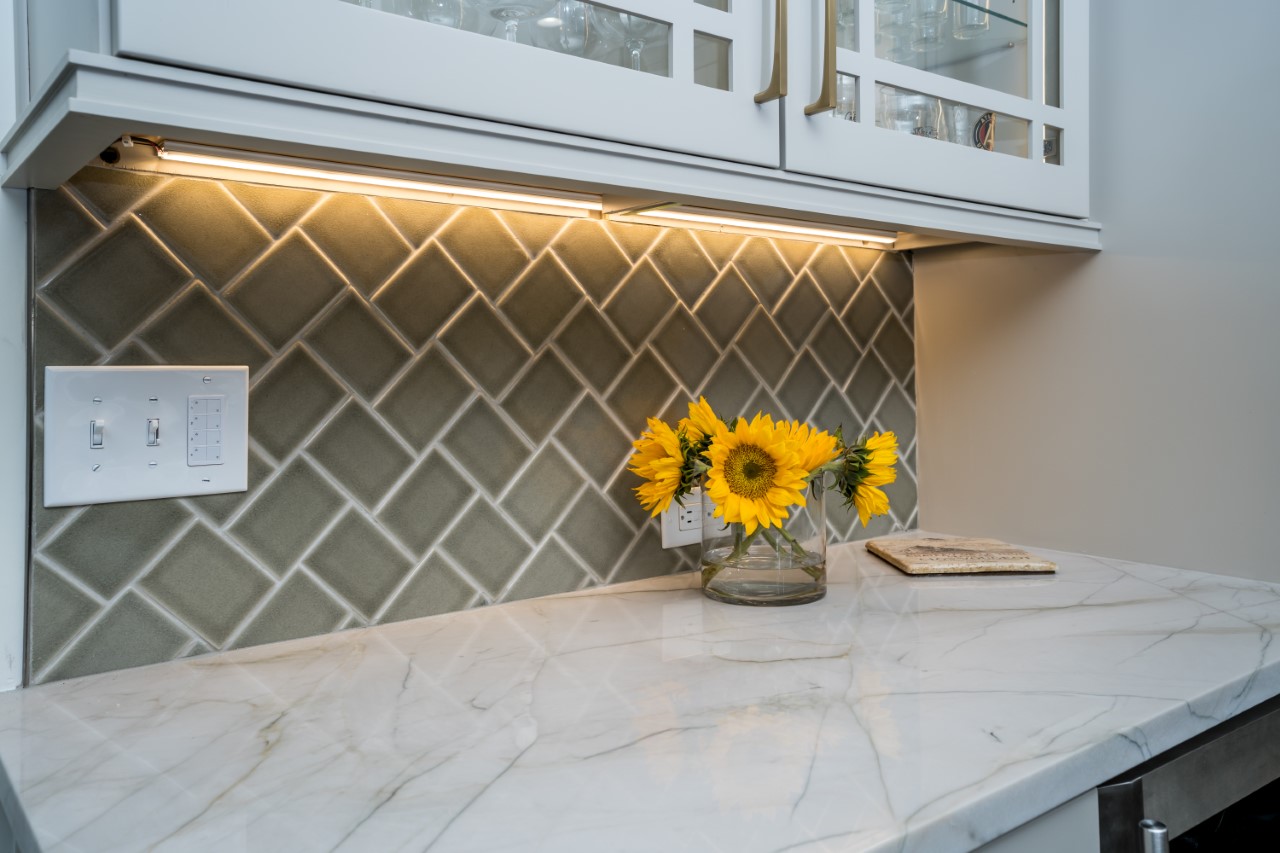
Modern Kitchen Corner with Harlequin Backsplash

DIY Granite Countertop Repair: A Step-by-Step Guide

Granite countertops are striking in any kitchen or bathroom, but accidents happen. Chips, cracks, and other damages can compromise the surface’s beauty and functionality. Fortunately, repairing these imperfections doesn’t always require professional help. With the right tools and techniques, homeowners can restore their granite countertops to their original glory. This comprehensive guide walks you through the repair process and provides essential tips for maintaining these timeless surfaces.

Assessing the Damage

Before diving into repairs, it’s important to evaluate the extent of the damage. Is the countertop chipped, cracked, or scratched? Minor chips and small cracks are typically manageable with DIY methods, while extensive damage or structural issues may require professional intervention.

How to Identify Repair Needs

  1. Examine the surface under bright light.
  2. Feel for uneven areas with your hand.
  3. Use a flashlight to detect any fissures or deep cracks.

Consider consulting a fabricator or contractor if the damage is widespread or affects the countertop’s structural integrity. For minor issues, continue with the steps below.

Tools and Materials You’ll Need

To ensure a successful repair, gather the necessary tools and materials beforehand. Here’s a list of commonly used items:

  • Epoxy resin or acrylic filler
  • Granite repair kit
  • Razor blade or utility knife
  • Sandpaper (varying grits)
  • Microfiber cloths
  • Stone-safe cleaner
  • Masking tape
  • Small mixing stick or applicator
  • Color-matching pigment (if needed)
  • Buffing pad or polishing compound

These readily available items will make the repair process smoother and more efficient.

Step-by-Step Guide to Repairing Granite Countertops

Step 1: Clean the Surface

Begin by thoroughly cleaning the damaged area. Use a stone-safe cleaner to remove dirt, grease, or debris. Wipe it dry with a microfiber cloth to ensure no moisture remains.

Step 2: Protect Surrounding Areas

Apply masking tape around the damaged section to protect the surrounding surface. This ensures that adhesives or fillers don’t spread to undamaged areas during the repair process.

Step 3: Mix the Epoxy or Filler

Follow the instructions on your granite repair kit to mix the epoxy resin or acrylic filler. If color matching is required, add the appropriate pigment to blend seamlessly with your countertop.

Step 4: Apply the Filler

Use a small applicator or stick to apply the filler to the damaged area. For chips, ensure the material fills the void completely. Work the filler into the fissure for cracks to create a strong bond.

Step 5: Smooth the Surface

After applying the filler, use a razor blade to level it with the surrounding countertop. Be gentle to avoid scratching or removing excess material from the repair site.

Step 6: Allow to Cure

Let the filler cure according to the manufacturer’s instructions. This typically takes several hours, but some products may require overnight curing.

Step 7: Sand and Polish

Once the filler has hardened, use fine-grit sandpaper to smooth the repaired area. Gradually move to higher grits for a polished finish. After sanding, buff the surface with a polishing compound to restore its shine.

Tips for Repairing Specific Issues

Fixing Chips

A pre-mixed epoxy filler works well for small chips. After applying the filler, use a damp cloth to wipe away any excess before it sets.

Repairing Cracks

Wider cracks may require a combination of adhesive and filler. Apply the adhesive first to bond the separated pieces, then use filler to level the surface.

Addressing Scratches

Minor scratches can often be buffed out using polishing pads and a stone-safe polishing compound. For deeper scratches, sanding may be necessary before polishing.

Preventing Future Damage

Once your countertop is repaired, take steps to prevent future issues:

  • Use Cutting Boards: Avoid cutting directly on the countertop to prevent scratches.
  • Clean Spills Immediately: Wipe up acidic or oily spills to avoid staining.
  • Avoid Heavy Impacts: Avoid handling heavy pots or objects near the countertop edges.
  • Seal Regularly: Apply a quality granite sealer to protect the surface from moisture and stains.

When to Seek Professional Help

While DIY methods are effective for minor repairs, certain situations require expert assistance. Consider hiring a professional if:

  • The damage affects the structural stability of the countertop.
  • You’re dealing with extensive cracks or large missing pieces.
  • Repairs require specialized tools or techniques beyond your skill level.

Common Mistakes to Avoid

  1. Skipping Surface Preparation: Properly cleaning and drying the area can compromise the repair.
  2. Using Incorrect Materials: Always choose products designed specifically for granite to avoid additional damage.
  3. Rushing the Curing Process: Allow sufficient time for adhesives and fillers to set before sanding or polishing.

Quartzite Compared to Other Countertop Materials

When compared to other countertop materials, quartzite has some advantages and disadvantages. Granite, for example, is also durable and heat-resistant, but it necessitates regular sealing to prevent staining. Marble, on the other hand, is a stunning and refined choice, but it is more prone to staining and etching than quartzite. Quartz, a man-made material, is also durable and requires low maintenance, but it cannot match the natural look of quartzite.

Quartzite Compared to Other Countertop Materials

When compared to other countertop materials, quartzite has some advantages and disadvantages. Granite, for example, is also durable and heat-resistant, but it necessitates regular sealing to prevent staining. Marble, on the other hand, is a stunning and refined choice, but it is more prone to staining and etching than quartzite. Quartz, a man-made material, is also durable and requires low maintenance, but it cannot match the natural look of quartzite.

Quartzite Compared to Other Countertop Materials

When compared to other countertop materials, quartzite has some advantages and disadvantages. Granite, for example, is also durable and heat-resistant, but it necessitates regular sealing to prevent staining. Marble, on the other hand, is a stunning and refined choice, but it is more prone to staining and etching than quartzite. Quartz, a man-made material, is also durable and requires low maintenance, but it cannot match the natural look of quartzite.

Conclusion

Repairing granite countertops is manageable for homeowners willing to invest time and effort. Following this step-by-step guide and using the right tools can effectively address chips, cracks, and scratches. Atlanta Stone Creations is here to help with more significant repairs or professional advice. With proper care and maintenance, your granite countertops will continue to enhance your home’s beauty and value for years.

Val Carvalho is a manager at Atlanta Stone Creations, with nearly two decades of experience in the stone and design industry. In addition to her leadership role, Val plays a key part in sales and design, bringing creativity, precision, and a strong sense of style to every project. Known for her warm and collaborative approach, she builds strong relationships with both her team and her clients. Val is passionate about delivering beautiful, high-quality results and creating an exceptional experience from start to finish.

Custom Granite Islands: A Centerpiece for Your Kitchen

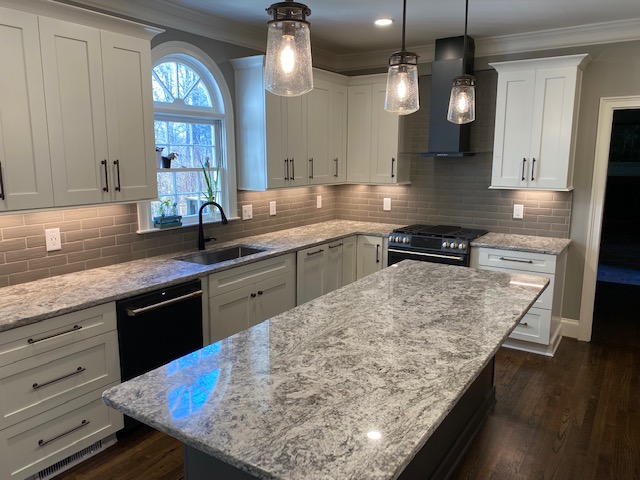
"Classic Kitchen with Gray Cabinets, Granite Counters & Subway Tile "

Custom Granite Islands: A Centerpiece for Your Kitchen

The kitchen is often considered the heart of the home, and a custom granite island can transform it into a true centerpiece. Combining luxury, durability, and functionality, these islands offer more than just aesthetic appeal—they enhance the usability and value of your space. At Atlanta Stone Creations, we craft bespoke granite islands tailored to your unique needs and style.

Why Choose Granite for Your Kitchen Island?

Granite is a natural stone prized for its timeless beauty and unmatched durability. Its unique patterns and color variations make every slab one-of-a-kind. Unlike synthetic materials, granite boasts a richness that adds depth and character to any kitchen design. But the benefits go far beyond its appearance.

Unmatched Durability

Granite’s robust nature makes it an ideal material for a kitchen island. It is resistant to scratches, heat, and stains and can withstand the demands of daily use. With proper sealing, granite surfaces are impervious to spills and easy to maintain, making them perfect for busy households.

Versatile Design Options

Available in a wide range of colors and finishes, granite can complement any kitchen style, from modern to traditional. Whether you prefer sleek black countertops or warm earth tones, a granite option matches your vision. You can even choose from polished, honed, or leathered finishes to customize the look further.

Functional Features of a Granite Island

A custom granite island is more than just a design statement; it’s a functional centerpiece that enhances the efficiency of your kitchen.

Ample Workspace

The expansive surface of a granite island provides plenty of room for meal prep, baking, or entertaining. Its durability ensures it can handle heavy pots, sharp knives, and hot pans without damage.

Integrated Storage

Many granite islands include built-in cabinets, drawers, or shelves to maximize storage. These features keep your kitchen organized and clutter-free while adding to its functionality.

Seating Solutions

Incorporating seating into your granite island turns it into a hub for socializing. Whether it’s a casual breakfast with family or drinks with friends, the island becomes a versatile gathering spot.

Designing Your Custom Granite Island

Creating a custom granite island involves several considerations to ensure it meets your needs and enhances your kitchen.

Size and Shape

The size and shape of your island should align with the dimensions of your kitchen. A compact island with clean lines can provide functionality for smaller spaces without overwhelming the room. A sprawling island with intricate edges or dual levels can be a striking focal point in larger kitchens.

Color and Pattern

Granite comes in various colors and patterns, from subtle whites and grays to bold blacks and vibrant blues. To ensure harmony, consider your kitchen’s existing palette when selecting a stone. For added depth, choose granite with dramatic veining or flecks.

Edging Options

The edge profile of your granite island can significantly impact its overall look. Options range from simple square edges to more intricate ogee or beveled styles. Each edge adds a distinct touch, allowing you to personalize your design.

Maintaining Your Granite Island

To keep your granite island looking its best, follow these maintenance tips:

  • Clean Daily: Wipe the surface with a soft cloth and mild soap to remove dirt and spills.
  • Seal Regularly: Apply a high-quality sealant every 1-2 years to maintain the stone’s staining resistance.
  • Avoid Harsh Cleaners: Steer clear of acidic or abrasive products that can damage the surface.
  • Use Protective Tools: Place trivets under hot pans and cutting boards under knives to prevent wear and tear.

Granite vs. Other Materials

Granite stands out for its beauty and practicality when selecting a material for your kitchen island. Here’s how it compares to other options:

  • Quartz: While quartz offers consistency in color and pattern, it lacks granite’s natural variation and heat resistance.
  • Marble: Marble exudes elegance but is more prone to staining and scratching. Granite provides a more durable alternative.
  • Wood: Wood adds warmth but requires regular maintenance to avoid scratches and water damage.

Transform Your Kitchen with Atlanta Stone Creations

At Atlanta Stone Creations, we pride ourselves on crafting custom granite islands that elevate your kitchen’s design and functionality. Our team works closely with you to select the perfect stone, ensuring your island becomes a stunning centerpiece that meets your needs.

Whether you’re renovating your existing space or building a new home, a granite island is an investment that delivers lasting value and beauty. Contact us today to explore our collection and start designing your dream kitchen.

Conclusion

Custom granite islands combine form and function, serving as both a practical workspace and a visual masterpiece. With their durability, versatility, and timeless appeal, granite islands are a worthwhile addition to any kitchen. Let Atlanta Stone Creations help you bring your vision to life with a bespoke solution that transforms your space into a true culinary haven.

Val Carvalho is a manager at Atlanta Stone Creations, with nearly two decades of experience in the stone and design industry. In addition to her leadership role, Val plays a key part in sales and design, bringing creativity, precision, and a strong sense of style to every project. Known for her warm and collaborative approach, she builds strong relationships with both her team and her clients. Val is passionate about delivering beautiful, high-quality results and creating an exceptional experience from start to finish.

Bathroom Upgrades That Maximize Resale Value

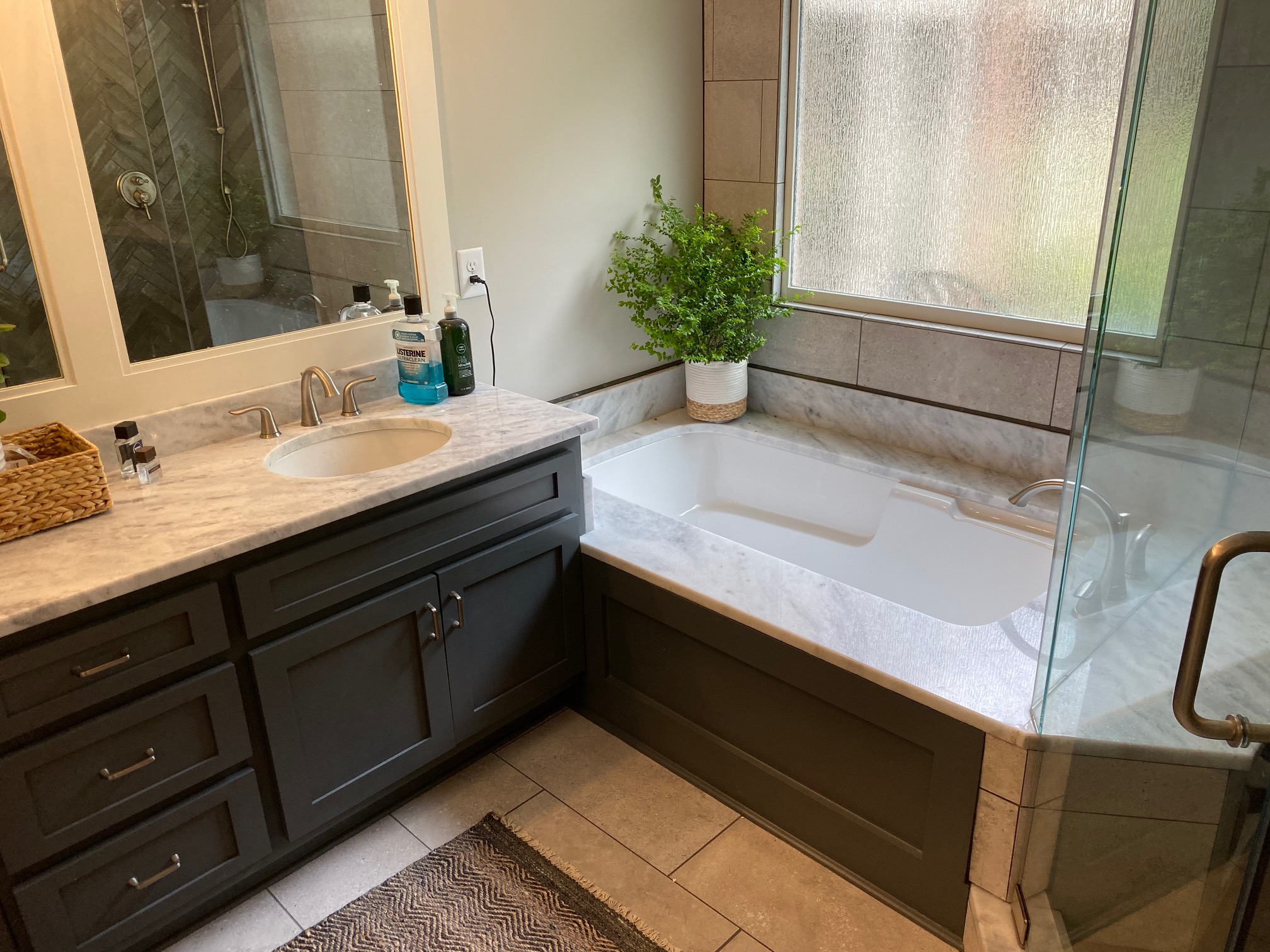
"Modern Bathroom with Charcoal Vanity, Granite Countertop & Bathtub "

Bathroom Upgrades That Maximize Resale Value

Regarding home renovations, upgrading your bathroom can significantly boost resale value. Bathrooms are key spaces buyers evaluate when considering a property, making thoughtful upgrades a strategic investment. At Atlanta Stone Creations, we specialize in creating stunning and functional bathroom designs that stand the test of time. Here’s how to enhance your bathroom to maximize its appeal and value.

1. Upgrade with Granite Countertops

Granite countertops are a timeless choice for bathroom vanities, offering both durability and elegance. These natural stone surfaces resist scratches, heat, and moisture, making them ideal for high-traffic areas. Granite’s unique patterns and rich colors add a touch of luxury to any bathroom design. Granite’s easy maintenance and long lifespan make it a practical option for homeowners.

Benefits of Granite Countertops

  • Durability: Resists daily wear and tear, ensuring a long-lasting investment.
  • Aesthetic Appeal: Wide variety of colors and patterns to suit any style.
  • Value Addition: Enhances the overall resale value of your home.

2. Install a Freestanding Bathtub

A freestanding tub serves as the focal point of a bathroom, exuding luxury and relaxation. These tubs come in various shapes, materials, and sizes, allowing homeowners to select one that complements their space. Whether you opt for a sleek modern design or a classic clawfoot style, a freestanding tub creates an inviting atmosphere.

3. Enhance Storage Solutions

Storage is often overlooked but plays a vital role in bathroom functionality. Built-in cabinets, floating vanities, and custom shelving maximize space while keeping essentials organized. Choose cabinetry with clean lines and finishes that match your bathroom’s overall design.

4. Add Modern Lighting

Lighting can transform a bathroom’s look and feel. Incorporating layered lighting, such as vanity, recessed fixtures, and accent lighting, creates a bright and inviting ambiance. Consider adding dimmers to control the lighting intensity for a touch of sophistication.

5. Update the Shower with Glass Enclosures

Replacing a standard shower curtain with a frameless glass enclosure instantly modernizes the space. Glass showers create a sense of openness, making small bathrooms appear larger. Pair this upgrade with high-quality tiles and rain showerheads for a spa-like experience.

6. Use Natural Stone for Walls and Floors

Natural stone, such as granite or marble, adds elegance to bathroom walls and floors. These materials are not only visually striking but also highly durable. Consider using large-format tiles or stone slabs for a seamless look that minimizes grout lines.

7. Install Energy-Efficient Fixtures

Eco-friendly fixtures, such as low-flow toilets and water-saving faucets, appeal to environmentally conscious buyers. These upgrades reduce water usage without compromising performance, helping homeowners save on utility bills.

8. Incorporate Heated Floors

Radiant floor heating is a luxurious feature that enhances comfort, especially during colder months. This upgrade is energy-efficient and practical, providing a consistent heat source that warms the entire bathroom.

9. Add Custom Vanities

A custom vanity tailored to your space and needs elevates the bathroom’s design. Granite tops paired with high-quality wood cabinetry create a cohesive and elegant look. Include drawers, pull-out shelves, or built-in hampers to maximize functionality.

10. Focus on Neutral Color Palettes

Neutral colors create a timeless and versatile backdrop that appeals to many buyers. Shades of white, gray, or beige paired with natural stone surfaces create a serene and sophisticated environment. Accents like colorful towels or decorative tiles can be swapped out easily to reflect changing trends.

Cost and Design Considerations

When planning bathroom upgrades, it’s essential to balance budget and design. Granite countertops, for example, offer a high return on investment due to their durability and appeal. Prices for granite slabs vary depending on the stone’s rarity and quality. Additionally, professional installation ensures the countertop’s longevity and polished finish.

Budget-Friendly Tips

  • Focus on high-impact areas like vanities and showers.
  • Refinish existing fixtures to reduce costs.
  • Opt for prefabricated granite slabs for smaller bathrooms.

Maintaining Your Upgraded Bathroom

To preserve the beauty and functionality of your renovated bathroom, follow these maintenance tips:

  • Seal Stone Surfaces: Granite and other natural stones should be sealed periodically to maintain their resistance to stains and moisture.
  • Clean Regularly: Use mild, non-abrasive cleaners to prevent scratches and discoloration.
  • Inspect Fixtures: Check for leaks or wear to ensure fixtures remain in good condition.

Why Choose Atlanta Stone Creations

At Atlanta Stone Creations, we combine craftsmanship and quality to deliver exceptional bathroom upgrades. Our expertise in granite countertops and natural stone installations ensures your bathroom becomes a stunning and functional space. From material selection to professional installation, we’re here to guide you every step of the way.

Conclusion

Bathroom upgrades are smart investments that enhance your home’s beauty and resale value. You can create a functional and luxurious space by incorporating features like granite countertops, custom vanities, and modern lighting. Let Atlanta Stone Creations help you bring your vision to life with high-quality materials and expert craftsmanship. Contact us today to start planning your bathroom transformation.

Val Carvalho is a manager at Atlanta Stone Creations, with nearly two decades of experience in the stone and design industry. In addition to her leadership role, Val plays a key part in sales and design, bringing creativity, precision, and a strong sense of style to every project. Known for her warm and collaborative approach, she builds strong relationships with both her team and her clients. Val is passionate about delivering beautiful, high-quality results and creating an exceptional experience from start to finish.

Balancing Beauty and Functionality in Home Renovations

Balancing Beauty and Functionality in Home Renovations

Home renovations are an exciting opportunity to transform spaces into something uniquely yours. However, striking a balance between aesthetics and practicality is essential. When planning upgrades, homeowners should focus on features that not only enhance the beauty of their homes but also provide long-lasting value and usability. At Atlanta Stone Creations, we understand how important it is to merge form and function seamlessly. Here’s how you can achieve this harmony in your next renovation project.

The Importance of Functionality

While stunning designs capture attention, a home must also cater to daily living needs. Functionality ensures that the improvements contribute to a better lifestyle. For example, a beautifully designed kitchen without adequate storage or counter space can become frustrating. That’s why renovations should prioritize elements that make spaces more efficient and practical.

Granite Countertops: The Perfect Blend

When balancing beauty and functionality, granite countertops are an unbeatable choice. Renowned for their durability and timeless appeal, granite surfaces elevate kitchens and bathrooms. Here’s why they’re a must-have:

  • Durability: Granite is one of the hardest natural stones, making it resistant to scratches, heat, and stains. This ensures that countertops maintain their integrity even in busy kitchens.
  • Aesthetic Versatility: Available in a wide range of colors, patterns, and finishes, granite adds elegance to any design. Whether you prefer bold veining or subtle speckling, there’s a granite slab to suit your style.
  • Ease of Maintenance: With proper sealing, granite is easy to clean and maintain, making it ideal for homeowners with busy lifestyles.
  • Value Addition: Granite countertops not only enhance the visual appeal of your home but also increase its market value, making them a wise investment.

Creating a Functional Kitchen Layout

The kitchen is often considered the heart of the home. A well-designed kitchen should balance beauty with functionality. Consider these tips:

  • Maximize Counter Space: Installing a large island with granite or quartz countertops provides ample cooking, dining, and entertaining space.
  • Incorporate Smart Storage: Custom cabinets with built-in organizers keep essentials accessible and clutter-free.
  • Choose Durable Materials: Opt for surfaces like granite that can withstand daily wear and tear while maintaining their stunning appearance.
  • Focus on Lighting: Task lighting under cabinets and pendant lights over the island enhances functionality and ambiance.

The Role of Natural Stone in Renovations

Natural stone, such as granite, quartzite, and marble, is vital in creating luxurious yet practical interiors. These materials offer:

  • Longevity: Natural stone surfaces last for decades when properly maintained.
  • Uniqueness: Every slab of stone is distinct, adding character and a one-of-a-kind touch to your home.
  • Eco-Friendliness: Sourced from nature, these materials have a lower environmental impact than synthetic alternatives.
  • Versatility: Stone can be used for countertops, backsplashes, fireplace surrounds, and flooring, ensuring cohesive designs throughout your home.

Balancing Beauty and Durability in Bathrooms

Bathrooms are another area where functionality is paramount. Here’s how to achieve a perfect balance:

  • Choose Durable Surfaces: Granite or quartz countertops resist moisture and stains, making them ideal for vanities.
  • Incorporate Storage Solutions: Floating vanities or built-in shelving keep essentials organized while maintaining a sleek look.
  • Add Visual Interest: Use stone accents or tiles to create focal points, such as a stunning shower wall or backsplash.
  • Ensure Proper Lighting: Bright, layered lighting enhances the space’s functionality and ambiance.

Practical Tips for Seamless Renovations

Achieving a balance between beauty and functionality requires careful planning. Keep these tips in mind:

  1. Define Your Goals: Determine the primary purpose of the renovation—whether it’s improving aesthetics, increasing functionality, or both.
  2. Set a Budget: Allocate resources for high-impact areas like countertops and flooring, significantly influencing appearance and usability.
  3. Work with Experts: Collaborate with professionals who understand your vision and can guide you through material selection and installation.
  4. Think Long-Term: Choose timeless designs and durable materials that will stand the test of time, reducing the need for future upgrades.
  5. Test Samples: View samples of materials like granite in your space to ensure they complement existing elements.

Customizing Your Space with Atlanta Stone Creations

At Atlanta Stone Creations, we create custom solutions that blend beauty and functionality. Our granite and other natural stones expertise ensures that your renovation exceeds expectations. Whether you’re upgrading your kitchen, transforming your bathroom, or enhancing your living spaces, our team is here to help.

Conclusion

Balancing beauty and functionality in home renovations doesn’t have to be a challenge. You can create visually stunning and practical spaces by choosing durable materials like granite, prioritizing efficient layouts, and working with skilled professionals. Atlanta Stone Creations is committed to helping you achieve your dream home. Contact us today to explore our range of natural stone options and begin your journey to a beautifully functional home.

Val Carvalho is a manager at Atlanta Stone Creations, with nearly two decades of experience in the stone and design industry. In addition to her leadership role, Val plays a key part in sales and design, bringing creativity, precision, and a strong sense of style to every project. Known for her warm and collaborative approach, she builds strong relationships with both her team and her clients. Val is passionate about delivering beautiful, high-quality results and creating an exceptional experience from start to finish.

The Hottest Home Renovation Trends for 2025

Modern Kitchen with White Cabinets, Granite Countertops & Pastel Backsplash

The Hottest Home Renovation Trends for 2025

As we enter 2025, the home renovation landscape is brimming with innovative trends catering to evolving lifestyles and environmental consciousness. These trends, from sustainable materials to high-tech solutions, reshape how homeowners approach remodeling. At Atlanta Stone Creations, we’ve compiled a comprehensive guide to the most impactful home renovation ideas for the year ahead.

1. Embracing Sustainable Practices

Sustainability remains a dominant theme in home renovations for 2025. Homeowners increasingly turn to eco-friendly materials such as bamboo flooring, recycled metal accents, and low-VOC paints. These choices not only reduce environmental impact but also create healthier indoor environments. Solar panels and energy-efficient windows are also popular upgrades, helping to lower utility bills while promoting green living.

2. Smart Home Integration

Smart technology is taking center stage in modern home design. These features, from automated lighting and thermostats to voice-activated assistants, make daily living more convenient and efficient. Advanced security systems with remote monitoring capabilities are also in high demand, offering homeowners peace of mind. Integrating these technologies into renovation plans ensures that homes remain future-ready.

3. Kitchen and Bathroom Remodels

Kitchens and bathrooms continue to be focal points for renovations. In 2025, expect to see a blend of functionality and aesthetics in these spaces. Granite countertops and quartz surfaces are highly sought after for their durability and timeless appeal. Open shelving, smart appliances, and bold tile patterns add a modern touch, while freestanding bathtubs and rain showers elevate bathroom luxury.

4. Outdoor Living Spaces

Creating seamless indoor-outdoor transitions is a key trend for 2025. Outdoor kitchens, fire pits, and pergolas are becoming essential for homeowners who love entertaining or relaxing in nature. Durable materials like natural stone and weather-resistant furniture ensure these spaces remain beautiful and functional year-round.

5. Multifunctional Rooms

With more people working and studying from home, multifunctional spaces are gaining popularity. Flex rooms serving as home offices, guest rooms, or exercise spaces provide versatility and maximize square footage. Built-in storage solutions and modular furniture make these areas adaptable to changing needs.

6. Bold Color Choices

Vibrant colors are making a comeback in 2025. While neutral palettes remain popular, homeowners incorporate bold hues like deep blues, emerald greens, and warm terracottas to add personality to their spaces. These colors can be introduced through accent walls, furniture, or statement decor pieces.

7. Natural Stone Features

Natural stone, such as marble and granite, is a timeless addition to any home. In 2025, homeowners will use these materials for countertops, backsplashes, fireplace surrounds, and feature walls. Their durability and unique patterns make them a luxurious yet practical choice.

8. Energy Efficiency Upgrades

Energy-efficient renovations are a priority for many homeowners. LED lighting, tankless water heaters, and smart energy systems reduce consumption and lower monthly bills. Insulated walls and ceilings also improve temperature regulation, making homes more comfortable and cost-effective.

9. Biophilic Design

Biophilic design, which incorporates natural elements into interior spaces, is gaining traction. Large windows that maximize natural light, indoor plants, and water features create a calming environment that connects homeowners with nature. Materials like wood, stone, and bamboo further enhance this trend.

10. Minimalist Aesthetics

Minimalism remains a strong influence in 2025, focusing on clean lines, uncluttered spaces, and functional designs. Built-in storage, neutral tones, and high-quality materials ensure that minimalist interiors are both stylish and practical. This approach emphasizes quality over quantity, creating serene and purposeful spaces.

Incorporating Trends into Your Renovation

When planning a renovation, choosing trends that align with your lifestyle and add long-term value to your home is essential. Here are some tips:

  • Prioritize Sustainability: Opt for eco-friendly materials and energy-efficient upgrades to reduce your environmental footprint.
  • Invest in High-Impact Areas: Kitchens and bathrooms offer the highest return on investment and should be a top priority.
  • Work with Experts: Collaborate with professionals to ensure your renovation is executed seamlessly and aligns with current trends.
  • Personalize Your Space: While trends are inspiring, make sure your renovations reflect your unique style and needs.

Why Choose Atlanta Stone Creations?

At Atlanta Stone Creations, we specialize in bringing the hottest home renovation trends to life. Whether updating your kitchen with granite countertops or transforming your outdoor space with natural stone features, our team combines craftsmanship and innovation to deliver exceptional results. We’re dedicated to helping homeowners create beautiful, functional, and future-ready spaces.

Conclusion

The home renovation trends 2025 emphasize sustainability, smart technology, and versatile designs. By incorporating these ideas into your projects, you can create a home that is not only stylish but also meets the demands of modern living. Contact Atlanta Stone Creations today to start planning your next renovation and bring your vision to life with expert guidance and high-quality materials.

Val Carvalho is a manager at Atlanta Stone Creations, with nearly two decades of experience in the stone and design industry. In addition to her leadership role, Val plays a key part in sales and design, bringing creativity, precision, and a strong sense of style to every project. Known for her warm and collaborative approach, she builds strong relationships with both her team and her clients. Val is passionate about delivering beautiful, high-quality results and creating an exceptional experience from start to finish.

Granite Countertops Vs. Wood Countertops

Granite Countertops Vs. Wood Countertops

Choosing between granite and wood countertops can be pivotal when considering a kitchen upgrade. Each material brings its benefits and challenges, influencing not just the aesthetics but also the functionality of your space. Granite offers unmatched durability and a sleek, modern appeal, while wood exudes warmth and a unique charm. Your choice might affect everything from maintenance routines to resale value. So, which one aligns with your lifestyle and preferences? Let’s weigh the pros and cons, see how costs stack up, and explore the impact on your home’s value.

Aspect

Granite Countertops

Wood Countertops

Durability

Durable

Wear and Tear

Maintenance

Sealing

Oiling

Aesthetic and Style

Sleek

Rustic

Heat Resistance

Heat Resistant

Heat Sensitive

Scratch and Dent Resistance

Scratch Resistant

Scratch Prone

Water and Stain Resistance

Water Resistant

Water Sensitive

Resale Value Impact

Luxury Appeal

Warmth Appeal

Differences Between Granite and Wood Countertops

Understanding the key differences between granite and wood countertops can help you make the best decision for your home. Both materials offer unique aesthetics and functionality but cater to different needs and preferences.

Granite is a natural stone renowned for its durability and resistance to heat. It’s available in various colors and patterns, each slab offering a unique design.

Wood countertops, however, provide a warm, inviting appearance that complements a rustic or traditional kitchen style. They come in various wood types, including maple, cherry, and walnut, each lending a distinct character to your space.

Granite countertops are known for their hardness, which makes them less prone to scratches and chips. This makes them an excellent choice for high-traffic kitchens where durability is essential.

In contrast, wood countertops are softer, which means they can show wear and tear over time. But don’t let that deter you; many appreciate the natural patina that develops with age, adding charm and history to your kitchen.

Another crucial difference is maintenance. Granite requires sealing to maintain its resistance to stains and spills. It’s a straightforward process but one you shouldn’t overlook.

Conversely, wood countertops need regular oiling to protect the surface and maintain appearance. Though more frequent, this task is relatively simple and satisfying.

Granite vs. Wood: Pros and Cons

Weighing the pros and cons of granite and wood countertops helps clarify which option best suits your kitchen. Granite countertops offer durability and a luxurious feel, while wood provides warmth and a natural aesthetic. To make an informed decision, consider each material’s strengths and weaknesses.

Granite countertops are incredibly durable and resistant to heat, scratches, and stains. You can place hot pots directly on the surface without worry. They’re also easy to clean with just soap and water. Granite’s natural beauty and variety of patterns can add elegance to your kitchen.

However, granite can be heavy, requiring sturdy cabinets for support. It also needs periodic sealing to maintain its resistance to stains and bacteria.

On the other hand, wood countertops bring warmth and a rustic charm to your kitchen. They’re perfect for those who appreciate a more natural, organic look. Wood can be gentle on dishware, preventing chips and cracks. It’s also easier to repair than granite—light scratches can be sanded and re-oiled.

Yet, wood is less heat resistant, so you’ll need trivets for hot pots. It’s also more susceptible to water damage and stains, requiring regular maintenance like oiling and sealing.

Ultimately, your choice depends on your lifestyle and kitchen needs. Granite might be ideal if you prioritize durability and a wide range of design options.

However, wood could be a better fit if you value a cozy atmosphere and are willing to spend a bit more on maintenance. Weigh these factors carefully to ensure your countertop complements your kitchen’s functionality and style.


Durability: Granite vs. Wood Countertops

Durability plays a major role when choosing between granite and wood countertops. If you’re looking for something that can withstand the test of time, understanding how each material stands up to daily wear and tear is crucial.

Granite countertops are renowned for their toughness. They’re formed from molten rock, making them incredibly resistant to scratches and heat. You can place hot pots directly on granite without worrying about damage, and its dense composition means it’s less likely to chip or crack under pressure.

On the other hand, wood countertops offer a different kind of durability. While they don’t match granite’s resistance to heat and scratches, they do provide a softer surface that’s gentler on your dishes. Wood countertops can develop character over time with scratches and dents, though some people appreciate this as part of the natural charm of wood.

However, if not properly sealed, they’re susceptible to water damage, and prolonged exposure to moisture can lead to warping or staining.

Consider your lifestyle and how you’ll use your countertops when considering durability. Granite might be the better choice for long-term durability if your kitchen is a bustling hub with high traffic.

But if you prefer a warmer, more traditional look and are willing to be mindful of water exposure and hot surfaces, wood could still be a viable option. Choosing between granite and wood balances durability with your kitchen’s aesthetic and functional needs.

Maintenance Requirements: Granite vs. Wood

When it comes to maintenance requirements, both granite and wood countertops have their unique demands.

Let’s start with granite. Granite countertops are relatively low-maintenance. You’ll want to seal them once a year to protect against stains and bacteria. This sealing process isn’t too complicated, usually involving a simple wipe-on, wipe-off application. Granite is resistant to most common kitchen hazards like heat and scratches. Still, you should clean spills promptly with mild soap and water to maintain their natural shine and prevent any potential staining from acidic substances such as wine or citrus.

On the other hand, wood countertops require a bit more attention to keep them looking and functioning at their best. You’ll need to be diligent about sealing and oiling them regularly. Depending on the type of wood and its finish, this could mean oiling every few months to prevent the wood from drying out, cracking, or warping.

Wood is naturally porous and more susceptible to bacteria and staining. Therefore, spills must be cleaned immediately, and prolonged exposure to moisture is avoided.

Both materials benefit from regular cleaning with gentle, non-abrasive products. Wood can be cleaned with a mixture of vinegar and water, while granite prefers a mild dish soap solution.

Aesthetic and Style Differences

Granite and wood countertops bring a distinct aesthetic to your kitchen, catering to different style preferences. If you’re aiming for a sleek and modern look, granite might be your choice. Its polished surface and various colors, from deep blacks to speckled whites, can add a touch of luxury and sophistication.

Granite’s natural stone pattern can range from subtle to bold, making it a versatile option for contemporary or traditional kitchen designs.

On the other hand, wood countertops offer warmth and a sense of rustic charm. They’re perfect if you want to create a cozy and inviting atmosphere. With options like oak, maple, or cherry, you can choose a finish that complements your cabinets and kitchen decor.

Wood’s natural grains and textures provide character and uniqueness, as no two pieces are identical. This organic appeal can bring a homely, artisanal vibe to any kitchen space.

When considering style, think about how each material interacts with light. Granite’s reflective surface can make a kitchen feel brighter and more open. In contrast, wood absorbs more light, which might be ideal for a softer, more intimate setting.

Also, consider the mood you want to set. Granite can feel cool and elegant, while wood exudes warmth and comfort.

Ultimately, the choice between granite and wood countertops should reflect your taste and how you want your kitchen to feel. Whether you’re drawn to granite’s timeless elegance or wood’s natural beauty, both options can enhance your kitchen’s aesthetic.

Heat Resistance: Granite vs. Wood

Choosing the right countertop material for your kitchen is not just about aesthetics; functionality plays a key role, too. One critical aspect to consider is heat resistance, especially if you enjoy cooking and often deal with hot pots and pans.

There is a significant difference in how granite and wood countertops handle heat.

Granite countertops are known for their excellent heat resistance. You can place hot pots and pans directly on the surface without worrying about damage. This natural stone can withstand high temperatures due to its dense composition.

However, using trivets or pads occasionally is still a good idea, as sudden temperature changes might cause thermal shock, leading to cracks over time. But granite’s heat resistance generally makes it a reliable choice for a busy kitchen environment.

On the other hand, wood countertops don’t fare as well when exposed to heat. Placing hot cookware directly on a wood surface can lead to scorch marks or discoloration.

Wood is an organic material that reacts to temperature changes, and repeated exposure to heat can cause warping or cracking. If you opt for wood, you must diligently use hot pads or trivets to protect the surface.

Resistance to Scratches and Dents

Durability is crucial when selecting kitchen countertops, particularly regarding resistance to scratches and dents. When you think about how often you use your kitchen, it’s easy to see why a strong, scratch-resistant surface is important.

Granite countertops excel in this area. They’re made from one of the hardest natural stones available, offering remarkable resistance to scratches and dents. You can confidently use knives and other kitchen tools on granite without worrying about leaving permanent marks. However, always use a cutting board to maintain the sharpness of your knives.

On the other hand, wood countertops bring different characteristics to your kitchen. They have an inherent warmth and charm but are more prone to scratches and dents than granite. Wood is softer, so everyday kitchen activities, like chopping or placing heavy pots, can leave marks over time.

However, don’t be discouraged if you love the look of wood. You can sand and refinish wooden surfaces to restore their original beauty, a process that granite doesn’t allow. This refinishing ability offers a unique advantage, giving wood countertops a renewable quality.

Ultimately, your choice depends on your lifestyle and how you plan to use your kitchen. If you prioritize a surface that effortlessly resists scratches and dents, granite should be your go-to.

But, if you’re drawn to the timeless appeal of wood and don’t mind a little maintenance, wooden countertops can be just as rewarding. Consider how you use your kitchen to make the best decision for your needs.

Water and Stain Resistance: Granite vs. Wood

When selecting a kitchen countertop, water and stain resistance are essential. Granite countertops offer impressive resistance to both. Naturally dense, granite doesn’t absorb liquids easily. It repels water effectively when properly sealed, making it an excellent choice for kitchens where spills are common.

Granite is less likely to stain from common kitchen culprits like wine, coffee, or oil. Just be sure to reseal the surface periodically to maintain its protective layer.

Conversely, wood countertops require more attention to keep them water—and stain-resistant. Wood is porous, so it can absorb liquids quickly if not properly sealed. Regularly apply a food-safe sealant or oil to prevent water damage and stains.

Even with good maintenance, wood is more vulnerable to staining from those same kitchen culprits. Spills need immediate attention, and wiping them up quickly is crucial to prevent lasting marks.

While granite gives you peace of mind with its natural toughness against stains and water damage, wood countertops demand more care. If you love the warm, inviting look of wood, be prepared for the upkeep required to stay fresh.

Granite vs. Wood: Best Choice for Kitchens

Choosing between granite and wood countertops for your kitchen centers around balancing practicality with personal taste.

Granite offers durability and a sleek look that’s hard to match. It resists scratches, heat, and stains, making it ideal for regular cooking or entertaining. Granite easily handles if you spill wine or a hot pot accidentally slips. It also adds a touch of luxury and can increase your home’s value.

On the other hand, wood countertops bring warmth and character to your kitchen. They’re perfect if you love a rustic or cozy aesthetic. Wood is softer than granite, making it more forgiving on your dishes. However, it does require regular maintenance. You’ll need to oil and seal it to prevent water damage and stains. Wood could be your top choice if you enjoy a hands-on approach to home care and appreciate the charm of natural materials.

When considering style, granite comes in various colors and patterns, allowing you to find something that suits your kitchen’s theme. It often pairs well with modern or traditional designs.

Meanwhile, wood complements a more farmhouse or vintage style but can also be versatile enough for contemporary spaces.

Think about your lifestyle and how you use your kitchen. Granite might be the best choice if you prioritize low maintenance and durability.

However, if you’re drawn to the warmth and aesthetics of natural materials and don’t mind some upkeep, wood offers a unique, inviting look that’ll make your kitchen feel like home.

Granite vs. Wood: Ideal for Bathroom Design?

In bathroom design, choosing between granite and wood countertops can significantly influence both function and style.

Granite offers a sleek, polished look that’s perfect for modern or classic bathrooms. It’s highly durable, resisting scratches and heat, which is crucial in a space where hot styling tools and heavy use are common. Granite’s non-porous nature makes it resistant to water damage and stains, a big advantage in humid environments.

On the other hand, wood countertops bring warmth and a natural feel to your bathroom. They can create a cozy, spa-like atmosphere that granite mightn’t offer. However, wood requires more maintenance to ensure longevity. You must seal it regularly to protect against moisture, which can warp or crack the surface over time. Wood can be a beautiful choice if you love the rustic charm and are willing to invest in upkeep.

Consider how much time you spend in your bathroom and your activities there. Granite’s low-maintenance appeal suits a busy lifestyle where you mightn’t have time for constant upkeep.

If you’re more about creating a serene retreat and enjoying the hands-on care wood requires, wood might be your ideal choice.

Think about your bathroom’s existing design elements. Granite complements tiles and contemporary fixtures, while wood pairs well with natural and eclectic styles.

Ultimately, the right choice hinges on your taste, lifestyle, and the atmosphere you wish to create in your bathroom sanctuary. Both materials offer unique benefits; it’s all about what suits your space best.

Color, Texture, and Grain Options

When deciding between granite and wood countertops for your bathroom, the color, texture, and grain options are pivotal in defining the space’s character.

Granite countertops offer colors, from subtle whites and grays to bold blues and reds. Each slab is unique, featuring natural patterns that can add elegance and depth to your bathroom. Granite’s texture is typically smooth and polished, though you can choose honed or leathered finishes for a more matte or tactile feel.

On the other hand, wood countertops provide warmth and natural beauty with various grain patterns and colors. For a rich, luxurious atmosphere, you can select from light woods like maple or birch for a bright, airy feel or darker woods like walnut or mahogany. The grain adds character and can vary from straight and uniform to intricate and swirling, allowing you to match it with your bathroom’s design theme.

Both materials offer customization options, but your choice depends on the ambiance you want to create. Granite’s mineral composition and natural veining can make a bold statement, while wood’s organic patterns bring comfort and coziness.

Consider how these elements complement your existing decor, cabinetry, and fixtures. Granite might be the way to go if you prefer a more modern and sleek look. Wood could be your best bet for a rustic or traditional vibe.

Ultimately, your preference for color, texture, and grain will guide you toward the perfect countertop choice.

Installation Process: Granite vs. Wood

Installing granite or wood countertops in your bathroom involves distinct processes, each with its considerations. If you’re leaning towards granite, you’ll want to know it’s a heavier material requiring professional installation.

Start by selecting a slab that suits your style. Once chosen, a template of your bathroom counter is created to ensure a precise fit. The granite is then cut, polished, and finished. Specialists will handle the heavy lifting, securely installing and sealing your countertop to prevent stains and moisture damage. Remember, granite can be unforgiving if not installed perfectly, so precision matters.

Conversely, wood countertops offer a more DIY-friendly installation. You’ll begin by measuring your space and selecting the type of wood that matches your aesthetic.

Once you have your wood slab, you must cut it to fit your bathroom dimensions. Sanding the edges and surface ensures smoothness, and applying a sealant protects it from moisture. While you might tackle this project yourself, seeking professional help ensures a flawless fit and finish. Wood is more forgiving if adjustments are needed, making it ideal for those who enjoy hands-on projects.

Both options require careful planning, but the choice depends on your comfort level with the installation process. Granite demands precision and expertise, often necessitating professional help, whereas wood provides more flexibility and a personal touch if you install it yourself.

Decide based on your preferences, skills, and the final look you envision for your bathroom.

Cleaning and Upkeep: Granite vs. Wood

Maintaining your countertops is crucial to longevity; granite and wood each have specific needs. When it comes to granite, you’ll find it relatively straightforward. Start by wiping it with a soft cloth and a mix of warm water and mild dish soap. Avoid abrasive cleaners as they can dull the surface.

To keep granite in top shape, seal it regularly, usually once a year, depending on the manufacturer’s recommendations. This sealing process prevents stains and keeps the stone looking polished.

Conversely, wood countertops require more attention to avoid damage. To prevent stains and warping, clean spills immediately using a damp cloth. To disinfect, use a gentle cleaning solution, like vinegar and water.

Avoid letting water sit on the surface, as it can seep in and cause the wood to swell or crack. Regular oiling, typically every three to six months, is essential to maintain beauty and moisture resistance. Use food-grade mineral oil to keep the wood hydrated and protected from drying out.

Both materials have their maintenance quirks. Granite’s primary concern is sealing to prevent stains, while wood demands protection from moisture and regular oiling.

Lifespan and Longevity Comparison

Granite and wood countertops each boast unique characteristics that influence their lifespan. If you’re considering either option, it’s essential to understand how long they might last and what factors contribute to their durability.

Granite countertops are renowned for their impressive longevity. With proper care, they can last a lifetime—often over 100 years. Granite’s natural resilience to scratches, heat, and stains is crucial in its extended lifespan. Its dense composition means it’s less likely to suffer damage from everyday kitchen activities.

However, you should still use cutting boards to avoid dulling your knives and trivets for hot pots to prevent thermal shock, which could potentially crack the stone.

Conversely, wood countertops typically have a shorter lifespan, usually 20 to 30 years, depending on the wood type and maintenance. Wood is more susceptible to scratches, dents, and moisture damage, which can shorten its life if not properly addressed.

Regular sealing and oiling can help protect it, but you should be prepared for some wear and tear over time. Sanding and refinishing can rejuvenate the surface, significantly extending its life.

Granite demands less maintenance and offers greater longevity, whereas wood requires more upkeep and has a shorter natural lifespan.

Your choice might depend on how much time you’re willing to invest in maintenance and whether you prefer the timeless durability of granite or the warm, inviting aesthetic of wood.

Ultimately, both options can serve you well if you care for them appropriately.

Granite vs. Wood: Impact on Home Resale Value

Both granite and wood countertops can significantly enhance your home’s resale value, but they do so in different ways.

Granite countertops are often seen as a luxury feature. Their durability and timeless appeal can attract potential buyers who associate granite with modern, upscale kitchens. The glossy, polished granite surface can make your kitchen or bathroom feel sophisticated and well-maintained, potentially leading to a higher offer from buyers who value these attributes.

On the other hand, wood countertops offer a warm, inviting aesthetic that can appeal to different buyers. Wood can be a strong selling point if you’re marketing your home to those who appreciate a rustic or farmhouse style.

Wood countertops can make a space feel cozy and personalized, enhancing the charm and character of your home. Buyers often appreciate the unique grain patterns and natural beauty that wood provides, which can also lead to increased interest in your property.

However, it’s essential to consider the maintenance aspect. Granite is more resistant to scratches and heat, which buyers may find appealing for peace of mind. Wood requires more upkeep to prevent stains and scratches, which might deter some buyers concerned with long-term maintenance.

Ultimately, the choice between granite and wood should align with your home’s style and the preferences of your target market. Both materials have the potential to enhance resale value, but understanding your buyer’s desires can help you make the best decision for your home.

Conclusion

When choosing between granite and wood countertops, consider what suits your lifestyle and style preferences. Granite offers durability and low maintenance, perfect for a modern, high-traffic kitchen. On the other hand, wood provides warmth and charm, which is ideal for a rustic feel but requires more upkeep. Think about your budget, how much maintenance you’re willing to do, and how each option might impact your home’s resale value. Ultimately, pick the material that best aligns with your needs and taste.


Find here more guides about Granite Countertops:

 

Val Carvalho is a manager at Atlanta Stone Creations, with nearly two decades of experience in the stone and design industry. In addition to her leadership role, Val plays a key part in sales and design, bringing creativity, precision, and a strong sense of style to every project. Known for her warm and collaborative approach, she builds strong relationships with both her team and her clients. Val is passionate about delivering beautiful, high-quality results and creating an exceptional experience from start to finish.