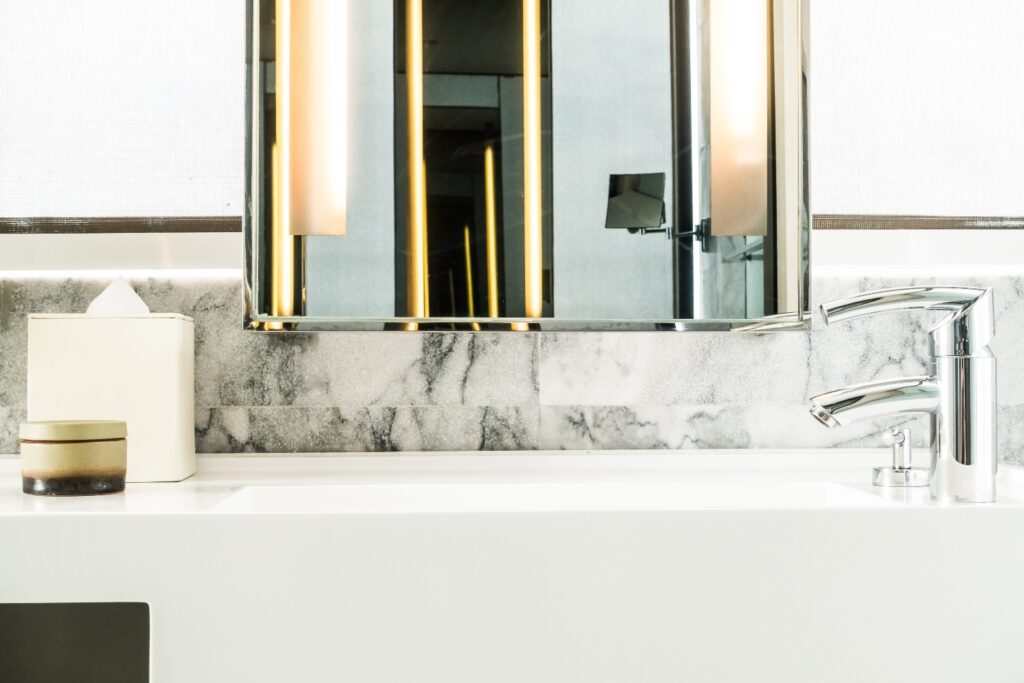
Engineered stone surfaces, particularly quartz, have emerged as a top choice for homeowners aiming to enhance their kitchens and bathrooms. These materials are celebrated for their durability, aesthetic appeal, and minimal maintenance requirements. However, understanding the financial implications and planning for installation is crucial for making an informed decision.
Factors Influencing Pricing
Raw material and manufacturing processes The cost of quartz largely depends on the quality of the quartz used and the complexity of the manufacturing process. Some quartz surfaces are made using higher-grade quartz crystals, resulting in a more luxurious and durable product.
Brand and product quality differences Brands like Caesarstone, Cambria, and Silestone offer premium quartz surfaces that can come with a higher price tag. Lesser-known brands may offer more affordable options, but quality and warranties can vary.
Thickness of the quartz slab Quartz slabs typically come in thicknesses of 1.2 cm, 2 cm, and 3 cm. Thicker slabs tend to be more expensive, not only due to the additional material but also because of the increased labor required for handling and installation.
Design and pattern complexity (e.g., veining, color) Quartz surfaces come in various designs, from solid colors to intricate veining patterns that resemble marble. Surfaces with complex patterns or custom designs are usually more expensive due to the specialized manufacturing process required.
Comparative Analysis with Other Countertop Materials
When evaluating engineered stone surfaces, it’s beneficial to compare them with alternative materials:
Quartz vs. granite: Which is more affordable? Quartz is typically more expensive than granite, with granite prices ranging from $40 to $100 per square foot. However, quartz offers greater consistency in appearance and lower maintenance, making it a better long-term investment for many homeowners.
Quartz vs. marble: Luxury and affordability comparison Marble countertops are often seen as a luxury material, with prices comparable to high-end quartz, ranging from $100 to $200 per square foot. However, marble is more porous and prone to staining, making quartz a more practical and cost-effective option.
Quartz vs. laminate and other budget materials Laminate countertops are one of the most affordable options, costing between $20 and $50 per square foot. While quartz is significantly more expensive, its durability, appearance, and longevity make it a better investment over time.
Budgeting for Quartz Surfaces: Tips and Strategies
Setting a realistic budget for quartz countertops When budgeting for quartz, consider the size of the space, the complexity of the design, and additional costs such as installation, edging, and transportation.
How to choose the right quartz for your budget To maximize your budget, opt for simpler designs and lighter veining. Mid-range quartz options often offer a good balance between aesthetics and cost. Don’t overlook reputable but lesser-known brands that can provide affordable, high-quality quartz.
Saving money on quartz without sacrificing quality Shop around and look for sales, discounts, or clearance slabs from distributors. Consider using quartz remnants for smaller projects like bathroom vanities, which can significantly reduce costs.
Key Considerations Before Purchase
Before making a decision, consider the following points:
Style and Design: Choose a color and pattern that complements your kitchen or bathroom decor.
Thickness: Quartz surfaces typically come in various thicknesses (1 cm, 2 cm, and 3 cm). Thicker slabs may offer a more luxurious appearance but can also be more expensive.
Brand Reputation: Research brands and read reviews to ensure you select a reputable manufacturer.
Warranty: Check the warranty offered by the manufacturer, as this can provide peace of mind regarding durability and quality.
Hidden Costs of Quartz Surfaces
Edging and finishing costs Standard edging is usually included in the installation, but custom edges like ogee or waterfall edges can add $10 to $30 per linear foot. Consider the style you want and factor in these additional costs.
Transport and delivery fees Quartz slabs are heavy and may require special transport. Delivery fees typically range from $100 to $300 depending on distance and logistics.
Warranty and post-installation costs Most quartz surfaces come with a manufacturer’s warranty, but you may incur additional costs for extended warranties or post-installation repairs, especially if the countertop suffers damage during use.
Conclusion
In conclusion, quartz surfaces offer a blend of beauty, durability, and low maintenance, making them an excellent choice for modern kitchens and bathrooms. By understanding the costs, weighing the pros and cons, and considering key factors before purchasing, you can make an informed decision that enhances your home’s value and aesthetic appeal. Whether you prioritize style, functionality, or longevity, engineered stone surfaces can meet your needs and exceed your expectations.
FAQs About Quartz Surface Costs
Are high-end quartz surfaces worth the investment? High-end quartz surfaces offer premium designs and longer warranties, making them a worthwhile investment for homeowners seeking a luxurious and durable countertop.
Does the color or pattern affect the price of quartz? Yes, more intricate veining and rare color patterns often increase the price of quartz slabs. Custom designs and unique finishes can also raise the cost.
Can I install quartz surfaces myself to save on labor costs? While it is possible, quartz is heavy and difficult to handle. Professional installation is recommended to avoid costly mistakes and ensure the countertops are installed correctly.
Are there affordable quartz options for smaller projects? Yes, quartz remnants from larger projects can be a more affordable option for smaller spaces like bathroom vanities or kitchen islands.
Discover the Best Quartz Countertop Colors for Your Home
Nowadays, the world of interior design is witnessing a remarkable rise in the popularity of quartz surfaces. Known for their durability, low maintenance, and aesthetic versatility, these countertops are available in a stunning variety of colors and patterns. This article highlights the most sought-after shades this year, showcasing options that blend modern trends with enduring elegance.
2024 Quartz Countertop Color Trends
Overview of 2024 Design Trends In 2024, interior design trends are focusing on creating spaces that are both visually striking and deeply comforting. Earth tones and natural shades continue to dominate, while bolder, saturated colors are making a splash for those who want their countertops to stand out.
Bold colors making a comeback One of the more exciting trends for 2024 is the resurgence of bold, statement-making colors in quartz countertops. Jewel tones like emerald green and sapphire blue, as well as warmer hues like terracotta and burnt orange, are becoming popular choices for adventurous homeowners looking to make their countertops a focal point.
The rise of natural and earthy tones While bold colors are gaining traction, natural and earthy tones remain at the forefront of design. Soft greens, browns, and sand-inspired quartz shades evoke a sense of calm and bring the outdoors in, aligning with the ongoing trend of biophilic design.
Minimalism and the appeal of soft neutrals For those who prefer a minimalist approach, soft neutral tones such as warm whites, light grays, and beige quartz countertops continue to be popular. These colors provide a timeless, sophisticated look that complements any design style without overpowering the space.
Current Trends in Quartz Surface Colors
What makes a color timeless?
Timeless colors are those that remain stylish and relevant regardless of changing design trends. They are versatile, adaptable, and provide a neutral backdrop for various kitchen or bathroom designs, ensuring they never feel dated.
Insights from industry experts indicate that this year’s standout hues include classic black and pristine white. These shades not only exude sophistication but also complement a wide range of kitchen styles, making them adaptable choices for any design aesthetic.
1. Timeless White
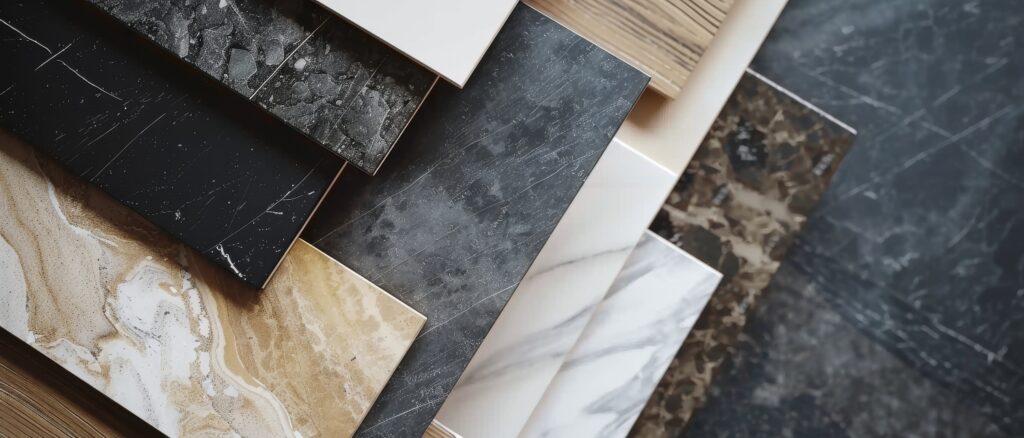
White quartz remains a favorite in contemporary design, offering a bright and airy feel. Its clean lines and minimalist appeal make it ideal for modern kitchens. Many white options feature subtle veining, adding depth and character without overwhelming the overall look.
2. Striking Black
Black surfaces are increasingly favored for their bold and dramatic presence. They serve as a striking focal point, especially when paired with lighter cabinetry or contrasting elements. Many black varieties showcase speckled gray patterns, providing an elegant touch that enhances the overall aesthetic.
3. Warm Cream Tones
Warm cream shades create a cozy and inviting atmosphere, making them perfect for traditional and rustic kitchens. These hues offer a soft contrast to darker elements, enhancing the overall warmth of the space. Cream-colored quartz also reflects natural light beautifully, making areas feel more expansive.
4. Earthy Brown Hues
Brown quartz countertops are incredibly versatile, seamlessly integrating into various design styles, from rustic to modern. Their earthy tones provide warmth and richness, making them a popular choice for homeowners looking to create a welcoming environment.
The Enduring Appeal of Quartz Colors
While design trends may evolve, certain colors maintain their timeless allure in the realm of quartz surfaces. The classic elegance of black and white ensures their continued popularity, while the ability of quartz to mimic natural stone patterns allows homeowners to achieve the luxurious look of granite or marble without the associated maintenance.
Comparison of Popular Quartz Colors
Color
Style
Ideal For
White
Modern, Minimalist
Brightening spaces, Clean aesthetics
Black
Elegant, Dramatic
Focal points, Contrast
Cream
Traditional, Rustic
Cozy atmospheres, Soft contrasts
Brown
Versatile, Earthy
Warmth, Richness
Factors to Consider When Choosing Quartz Colors
When selecting the right color for your quartz countertops, several factors should be taken into account to ensure that your choice complements your overall design vision:
Lighting: Natural and artificial lighting can significantly affect how a color appears in your space. Test samples in different lighting conditions to see how they look throughout the day.
Cabinetry and Flooring: Consider the colors and materials of your cabinets and flooring. A cohesive color palette will create a harmonious look.
Style Preference: Your personal style should guide your choice. Whether you prefer modern minimalism or rustic charm, select a color that resonates with your aesthetic.
Maintenance: Lighter colors may show stains more easily, while darker shades can hide imperfections. Consider how much maintenance you are willing to commit to.
Pros and Cons of Popular Quartz Colors
Color
Pros
Cons
White
Brightens up spacesTimeless and versatileEnhances natural light
Can show stains and scratchesRequires regular cleaning
Black
Creates a dramatic focal pointHides stains and scratches wellPairs well with various colors
Can make spaces feel smallerMay show dust and fingerprints
Cream
Warm and invitingComplements rustic designsGood for traditional aesthetics
May not suit modern stylesCan show wear over time
Brown
Rich and warm tonesVersatile for various stylesGood at hiding stains
Can feel heavy in small spacesMay clash with cooler color palettes
Expert Tips for Selecting Quartz Countertops
To help you make the best choice for your quartz countertops, consider the following expert tips:
Sample Testing: Always request samples and test them in your home environment. This will give you a better idea of how the color interacts with your space.
Consider Patterns: Some quartz options come with unique patterns that can add character. Look for options that complement your overall design.
Think Long-Term: Choose a color that you will love for years to come. Trends may change, but your countertops should remain timeless.
Consult a Professional: If you’re unsure, consult with a designer or contractor who can provide insights based on your specific space and style.
Conclusion
Choosing the right color for your quartz countertops is a significant decision that can impact the overall aesthetic of your kitchen or bathroom. By considering current trends, timeless options, and practical factors, you can select a hue that not only enhances your space but also reflects your style. Whether you opt for the classic elegance of white, the boldness of black, or the warmth of earthy tones, quartz surfaces offer a versatile and beautiful solution for any home.
FAQs
What’s the most popular quartz color for 2024? Soft neutrals like warm whites, greige, and light grays remain popular in 2024, with earthy tones and bold jewel colors also making a strong impression.
Can quartz countertops mimic the look of natural stone? Yes, many quartz designs in 2024 feature veining and patterns that mimic marble or granite, offering the luxury of natural stone with easier maintenance.
How do I match my quartz countertop color with my cabinetry? Consider complementary or contrasting colors. Light cabinetry pairs beautifully with darker quartz countertops, while dark cabinets often look best with lighter quartz options.
Are dark quartz countertops harder to maintain? Dark quartz countertops may show dust, water spots, or fingerprints more easily than lighter options, but regular cleaning will keep them looking pristine.
What’s the best quartz color for small kitchens? Lighter colors like white, cream, or light gray quartz can make a small kitchen feel more open and spacious.
Can I combine different quartz colors in one space? Yes, combining quartz colors—such as using a bold color for an island and a neutral for the main countertops—can create visual interest and highlight different areas of the space.
Quartz countertops are a stunning addition to any kitchen or bathroom, combining aesthetic appeal with remarkable durability. To ensure these surfaces remain in excellent condition, it’s essential to implement effective cleaning and maintenance strategies. This guide offers practical advice on how to keep your quartz surfaces looking pristine, along with recommended products and common pitfalls to avoid.
Why Cleaning Quartz Countertops is Important
Impact on aesthetics Regular cleaning not only preserves the beautiful appearance of quartz countertops but also prevents dullness caused by the buildup of grime, food particles, or soap residue. Clean countertops will shine and maintain their sleek, polished look.
Longevity and durability of quartz While quartz is incredibly durable, it requires proper care to ensure its longevity. Consistent cleaning prevents surface damage and wear over time, helping the countertop last for years without needing repair or replacement.
Health benefits of keeping quartz countertops clean A clean quartz countertop contributes to a healthier home environment. Since quartz is non-porous, it doesn’t harbor bacteria like porous surfaces might, but maintaining cleanliness reduces the risk of contamination from food preparation.
Effortless Daily Upkeep
Maintaining the beauty of your quartz countertops daily is a breeze. Here’s a quick and effective routine to keep them looking their best: Start by using warm water and a gentle cloth or sponge to wipe down the surface. Gently rub away any crumbs or spills for a clean finish. For extra cleaning power, add a few drops of mild dish soap to the water. This will help you achieve that perfect shine without damaging your quartz surfaces.
Materials Needed for Cleaning Quartz Countertops
Basic cleaning supplies For everyday cleaning, all you need are a soft cloth or sponge, warm water, and a mild dish detergent. These basic supplies are sufficient to keep your countertops looking great.
Gentle cleaners for everyday maintenance While soap and water are effective, you can also opt for specially formulated quartz cleaners that are gentle on the surface. Avoid products that contain harsh chemicals or abrasive ingredients.
Deep cleaning essentials For deeper cleaning sessions, you might need rubbing alcohol, a non-abrasive scrubbing pad, or a specialized quartz cleaner. Ensure you have microfiber cloths on hand to dry the surface, as these prevent streaking.
Recommended Cleaning Solutions
While quartz is generally resistant to stains, selecting the right cleaning agents is crucial to avoid damaging the surface. Here’s a list of effective products to consider:
Disinfecting Quartz Countertops: What to Use
Safe disinfectants for quartz You can safely disinfect quartz countertops using rubbing alcohol or a mild antibacterial cleaner that does not contain bleach. Spray the surface lightly and wipe it down with a soft cloth.
DIY disinfecting solutions for quartz countertops A simple homemade disinfectant can be made by mixing equal parts rubbing alcohol and water. Add a few drops of dish soap, spray the mixture, and wipe the surface clean.
How often should you disinfect quartz? It’s recommended to disinfect quartz countertops once a week or after heavy food preparation, particularly if handling raw meat or poultry.
How to Remove Stains from Quartz Countertops
Identifying common stains: oil, juice, and more Quartz is resistant to most stains, but oils, coffee, wine, and certain juices can occasionally leave marks. These should be cleaned immediately to avoid setting.
Best cleaning solutions for stains To remove stubborn stains, use a non-abrasive cleaner or a mixture of baking soda and water to form a paste. Let it sit on the stain for a few minutes, then gently scrub and wipe clean.
Avoiding abrasive scrubbers and harsh chemicals Harsh chemicals like bleach or abrasive scrubbers can permanently damage quartz countertops. Always use soft cloths and non-toxic, gentle cleaners.
Common Mistakes to Avoid
To keep your quartz surfaces in optimal condition, it’s important to avoid these frequent cleaning errors:
Abrasive Cleaners: Avoid scouring pads and harsh chemicals that can scratch the surface.
Ignoring Spills: Promptly clean up spills, especially from acidic substances like coffee or tea, to prevent discoloration.
Using Highly Acidic Cleaners: Stay away from bleach, undiluted vinegar, and oven cleaners, as these can damage the resin in quartz.
Step-by-Step Guide: How to Clean Quartz Countertops
Removing debris and crumbs: Start by clearing the countertop of any large debris or crumbs. A simple wipe with a dry cloth will suffice.
Wiping with a damp cloth: Using a soft, damp cloth, gently wipe the surface to remove any stuck-on dirt or food residue.
Applying a mild detergent or quartz cleaner: Mix a few drops of mild dish soap in warm water or use a quartz-specific cleaner. Wipe the surface with this mixture to clean it thoroughly.
Drying the surface for a streak-free finish: Once clean, dry the countertop with a microfiber cloth to prevent watermarks and ensure a streak-free finish.
Expert Tips for Deep Cleaning
For those occasions when your countertops require a more thorough cleaning, consider these expert recommendations:
Stubborn Stains: For tougher stains, create a paste of baking soda and water, apply it to the stain, and let it sit for 10-15 minutes before wiping it away.
Disinfecting: To disinfect, use a mixture of isopropyl alcohol and water in a spray bottle. Spray the surface and wipe it down with a clean cloth.
Regular Maintenance: Schedule a deep clean every few months to maintain the surface’s integrity and shine.
Understanding Quartz Countertops
Before diving into specific cleaning techniques, it’s essential to understand what quartz countertops are made of and their unique properties. Quartz is an engineered stone, composed of about 90-95% crushed natural quartz crystals mixed with resins and pigments. This composition gives quartz its durability and non-porous nature, making it resistant to stains and bacteria.
Pros and Cons of Quartz Countertops
Pros
Cons
Highly durable and scratch-resistant
Can be damaged by excessive heat
Non-porous, making it resistant to stains
Limited color and pattern options compared to natural stone
Low maintenance and easy-to-clean
Can be more expensive than other countertop materials
Available in a wide range of colors and finishes
May require professional installation
Cleaning Frequency Recommendations
To maintain the appearance and longevity of your quartz countertops, consider the following cleaning frequency guidelines:
Task
Frequency
Daily Wipe Down
Every day
Deep Cleaning
Every 1-3 months
Stain Treatment
As needed
Professional Cleaning
Every 1-2 years
Final Thoughts
Quartz countertops are a beautiful and practical choice for any home. By following the recommended cleaning practices and avoiding common mistakes, you can ensure that your surfaces remain in excellent condition for years to come. Remember, the key to maintaining quartz is consistency in care and using the right products. With the right approach, your quartz countertops will continue to enhance the beauty of your space while providing a durable and functional surface.
FAQs
Can I use bleach to clean my quartz countertops?
No, bleach and other highly acidic cleaners can damage the resin in quartz. Stick to mild dish soap and warm water for cleaning.
How do I remove tough stains from quartz?
For stubborn stains, create a paste of baking soda and water, apply it to the stain, and let it sit for 10-15 minutes before wiping it away.
Is it safe to put hot pots on quartz countertops?
While quartz is heat resistant, it’s best to use trivets or hot pads under hot pots and pans to prevent potential damage.
How often should I seal my quartz countertops?
Quartz countertops are non-porous and do not require sealing like natural stone surfaces. Regular cleaning is sufficient to maintain their appearance.
What can I use to disinfect quartz countertops?
You can use a mix of rubbing alcohol and water or a mild antibacterial cleaner that is safe for quartz surfaces.
How do I get rid of stubborn stains on quartz?
For stubborn stains, create a paste using baking soda and water. Apply it to the stain, let it sit for a few minutes, then gently scrub.
Can I use vinegar or lemon juice on quartz countertops?
No, vinegar and lemon juice are too acidic and can damage quartz surfaces over time. It’s best to stick with pH-neutral cleaners.
What is the best cleaner for quartz countertops?
A mild dish soap and water solution or a specially formulated quartz cleaner are ideal
Transform Your Home: Essential Upgrades for Increased Value
Whether you’re preparing to sell your home or simply looking to elevate its functionality and aesthetic appeal, investing in strategic upgrades can significantly increase its value. From enhancing curb appeal to modernizing your kitchen and bathroom, well-chosen improvements can offer a strong return on investment (ROI) and make your home more attractive to buyers. In this article, we’ll explore essential upgrades, including high-end countertops like granite and quartz, that can transform your home and boost its market value.
Current Trends and Insights
1. Planting Mature Trees Trees not only beautify landscapes but reduce cooling costs by up to 40%, making them a valuable investment for energy-conscious homeowners. They provide both aesthetic and financial benefits.
2. Modernizing Flooring and Ceilings Replacing old flooring and removing popcorn ceilings creates a modern, refreshed look. These updates offer immediate visual impact and align with current design trends, enhancing home appeal.
3. Energy-Efficient Windows New windows improve energy efficiency and boost the home’s appearance. This dual benefit makes them a popular update, especially among eco-conscious buyers.
4. Kitchen and Bathroom Updates Small changes in kitchens and bathrooms often yield high returns. Upgrading fixtures or surfaces can significantly enhance these high-priority areas without major costs.
5. Enhancing Curb Appeal First impressions matter, and improving curb appeal through landscaping or a fresh exterior can attract buyers and increase perceived home value with minimal investment.
Strategies for Enhancing Your Home’s Appeal
1. Declutter and Organize
Decluttering is the simplest, most cost-effective way to boost your home’s value. A clean and orderly space allows potential buyers to envision themselves in the home. Removing unnecessary items opens up rooms, making them feel larger and more inviting. Organized spaces create a sense of calm, which appeals to buyers looking for a stress-free environment.
Tip: Start with high-traffic areas like the living room and kitchen, and invest in storage solutions to keep things tidy and functional.
2. Expand Usable Living Space
Adding usable square footage to your home can significantly increase its value. Consider converting underused areas like basements, attics, or garages into functional living spaces. Whether it’s adding an extra bedroom, home office, or recreation room, more livable space broadens the home’s appeal and meets the needs of larger families or remote workers.
Tip: Focus on versatile spaces that can be adapted to various uses, making your home more attractive to a wider range of buyers.
3. Prioritize Energy Efficiency
Energy efficiency is a top priority for today’s buyers, and making your home eco-friendly can lead to higher offers. Simple upgrades like better insulation, energy-efficient windows, and Energy Star appliances reduce utility costs and lower the home’s environmental footprint. These changes not only add value but also set your home apart in a competitive market.
Tip: Highlight energy-efficient upgrades when listing your home, as these improvements are a major selling point for many buyers.
4. Modernize Key Areas: Kitchen and Bathrooms
Kitchens and bathrooms are high-traffic areas that can make or break a sale. Modernizing these rooms—whether through full renovations or simple updates like new countertops, fixtures, or cabinetry—adds both functionality and visual appeal. Even minor changes like replacing outdated hardware or adding a fresh coat of paint can give these spaces a new, polished look.
Tip: Focus on upgrades that provide a good return on investment, as kitchens and bathrooms are often the rooms buyers prioritize when determining value.
5. Enhance Curb Appeal
First impressions are critical, and enhancing your home’s curb appeal is one of the most effective ways to increase its value. Simple updates like landscaping, a new front door, or fresh paint can dramatically improve how your home is perceived. Small details like modern house numbers, new outdoor lighting, or a well-maintained driveway can make a significant difference in attracting potential buyers.
Tip: Invest in easy, high-impact exterior upgrades to ensure your home makes a strong first impression.
Kitchen Upgrades: The Heart of the Home
The kitchen is often considered the heart of the home and one of the most important rooms when it comes to increasing property value. Upgrading your kitchen with modern, durable, and stylish elements not only makes it more functional but also adds significant appeal to potential buyers.
Install High-End Countertops: Granite and Quartz
Upgrading to premium countertops can dramatically improve the look and feel of your kitchen, making it stand out in the real estate market.
Granite Countertops: Timeless Elegance: Granite has long been associated with luxury and durability. As a natural stone, each slab of granite is unique, offering a one-of-a-kind look with intricate patterns and colors. Granite is highly durable, resistant to heat and scratches, making it ideal for a busy kitchen.
Pros of Granite Countertops:
Durability: Highly resistant to heat, scratches, and normal kitchen wear and tear.
Natural Beauty: Each slab is unique, adding a custom, high-end look to your kitchen.
Boosts Value: Granite countertops are a sought-after feature in home listings, adding perceived value to your property.
Cons of Granite Countertops:
Maintenance: Granite requires regular sealing to maintain its resistance to stains and bacteria.
Cost: It’s considered a premium material, which can be expensive depending on the quality and rarity of the stone.
Quartz Countertops: Modern Luxury with Low Maintenance:Quartz countertops are engineered from natural quartz crystals combined with resins and pigments, resulting in a highly durable, non-porous surface. Quartz offers the luxurious look of natural stone with the added benefits of low maintenance and superior durability.
Pros of Quartz Countertops:
Non-Porous: Resistant to stains, bacteria, and mold, making it an excellent choice for kitchens.
Low Maintenance: Quartz doesn’t require sealing and is easy to clean with mild soap and water.
Design Flexibility: Quartz comes in a wide range of colors and patterns, including marble-look options, giving homeowners endless design possibilities.
Cons of Quartz Countertops:
Heat Sensitivity: While resistant to heat, placing hot pans directly on quartz can damage the surface.
Cost: Quartz is often priced similarly to granite, making it a higher investment compared to materials like laminate or solid surfaces.
Modern Appliances and Fixtures
In addition to countertops, upgrading kitchen appliances and fixtures can significantly enhance both functionality and value. Stainless steel appliances, energy-efficient models, and smart kitchen technology are particularly appealing to modern buyers. Consider replacing outdated faucets, cabinet handles, and light fixtures with modern, sleek designs that complement the overall aesthetic of your kitchen.
Bathroom Renovations: Style Meets Functionality
Bathrooms are another key area where upgrades can yield high returns. A modern, clean, and well-designed bathroom adds immediate value to your home, making it a smart investment for those looking to sell or enjoy their home’s enhanced comfort.
Upgrade to High-End Countertops: Granite and Quartz
Just as in the kitchen, upgrading your bathroom countertops to high-end materials like granite or quartz can make a world of difference in both aesthetics and functionality.
Granite Countertops in the Bathroom Granite’s natural beauty makes it a standout choice for bathroom vanities. Its durability ensures that it can withstand the high moisture and heat conditions typical of bathrooms. Opt for lighter shades of granite for smaller bathrooms, as they can make the space feel more open and airy.
Quartz Countertops in the Bathroom Quartz’s non-porous surface is perfect for bathroom vanities, where water, makeup, and other products can cause stains. Quartz is both easy to clean and resistant to mold, mildew, and bacteria, making it a hygienic and low-maintenance option for busy households.
Update Fixtures and Hardware
Updating your bathroom fixtures, such as faucets, showerheads, and drawer pulls, can add a touch of modern luxury without breaking the bank. Consider brushed nickel or matte black fixtures for a sleek, contemporary look. If you’re renovating the shower, opt for a frameless glass door to open up the space and give it a high-end, spa-like feel.
Add a Double Vanity
If space allows, adding a double vanity is a highly desirable upgrade, especially in master bathrooms. It offers convenience and luxury, making it a strong selling point for families or couples. Pair the vanity with high-quality countertops like granite or quartz to further enhance the bathroom’s appeal.
Flooring Upgrades: Style and Durability
The right flooring can transform the look of your home and significantly increase its value. Whether you’re upgrading your kitchen, bathroom, or entire home, consider durable, stylish flooring options that offer both aesthetic appeal and long-term value.
Hardwood Floors: Timeless and Desirable
Hardwood flooring remains one of the most popular and valuable upgrades in home renovation. It adds warmth, elegance, and durability to any room. Hardwood is highly versatile, fitting with both modern and traditional designs, and it’s a feature that consistently adds value to homes on the market.
Pros of Hardwood Flooring:
Timeless Appeal: Hardwood never goes out of style and can last for decades with proper care.
Easy to Clean: It’s simple to maintain with regular sweeping and occasional refinishing.
Boosts Resale Value: Buyers often prefer homes with hardwood flooring, making it a strong selling point.
Cons of Hardwood Flooring:
Sensitive to Moisture: Hardwood can warp or stain if exposed to excessive moisture, making it less ideal for kitchens and bathrooms unless properly sealed.
Luxury Vinyl Plank (LVP): A Durable and Affordable Alternative
For homeowners seeking the look of hardwood without the high cost or maintenance concerns, luxury vinyl plank (LVP) is an excellent alternative. LVP is water-resistant, scratch-resistant, and available in a wide range of styles that mimic the appearance of hardwood or stone. It’s particularly well-suited for kitchens and bathrooms, where moisture and spills are common.
Pros of Luxury Vinyl Plank:
Water-Resistant: Ideal for kitchens, bathrooms, and high-traffic areas.
Affordable: LVP is significantly less expensive than hardwood or natural stone.
Durable: It’s resistant to scratches, dents, and stains, making it perfect for busy households.
Cons of Luxury Vinyl Plank:
Not as High-End as Hardwood: While LVP is a great option, it doesn’t offer the same long-term value or luxury appeal as real hardwood.
Boost Curb Appeal with Exterior Upgrades
First impressions matter, and curb appeal plays a crucial role in increasing your home’s value. Simple exterior upgrades can make your home more inviting and appealing to potential buyers.
New Siding or Paint
Upgrading your home’s siding or applying a fresh coat of paint can dramatically improve its appearance. Choose neutral or classic colors that complement your home’s style and surrounding neighborhood.
Upgrade the Front Door
A new front door is a small investment that can have a big impact. Opt for a solid wood or steel door in a modern design. Adding new hardware, like a sleek handle or smart lock system, can further enhance the home’s security and curb appeal.
Landscape Improvements
Landscaping is another key factor in curb appeal. Simple enhancements like new plants, a well-maintained lawn, or outdoor lighting can make your home stand out. Consider adding a stone walkway or a cozy outdoor seating area to boost your home’s exterior charm.
Energy Efficiency Upgrades: Savings and Sustainability
Today’s homebuyers are increasingly interested in energy efficiency and sustainability. Making your home more energy-efficient not only reduces utility bills but also increases its value.
Install Energy-Efficient Windows
Upgrading to energy-efficient windows can make your home more comfortable while reducing energy costs. Look for windows with low-E glass, which reflects heat back into your home during the winter and blocks UV rays in the summer.
Upgrade Insulation
Improving your home’s insulation, particularly in the attic and walls, can significantly reduce heating and cooling costs. This upgrade also makes your home more appealing to eco-conscious buyers who prioritize energy efficiency.
Energy-Efficient Appliances
If you’re upgrading your kitchen, consider replacing old appliances with Energy Star-rated models. These appliances use less energy and water, making them better for the environment and more appealing to potential buyers looking for sustainable living options.
Additional Considerations for Home Improvements
Smart Home Technology
Integrating smart home technology can significantly enhance your property’s appeal. Features such as smart thermostats, security systems, and lighting can attract tech-savvy buyers and improve energy efficiency.
Outdoor Living Spaces
Creating inviting outdoor spaces can extend your living area and enhance your home’s value. Consider adding a deck, patio, or outdoor kitchen to make your property more appealing for entertaining and relaxation.
Quality of Materials
When undertaking renovations, the quality of materials used can greatly impact the final outcome. Investing in high-quality materials can lead to better durability and aesthetics, ultimately increasing your home’s value.
Pros and Cons of Home Improvements
Pros
Cons
Increased property value
Initial investment costs can be high
Enhanced aesthetic appeal
Some renovations may not yield expected ROI
Improved energy efficiency
Disruption during renovation process
Greater comfort and functionality
Potential for over-improvement in certain markets
Attracts more buyers
Time-consuming planning and execution
Conclusion
Investing in your home through thoughtful renovations can lead to significant benefits, both in terms of enjoyment and financial return. By focusing on key areas such as energy efficiency, aesthetic appeal, and functionality, homeowners can create a space that not only meets their needs but also attracts potential buyers. Remember to weigh the pros and cons of each project and consult with professionals when necessary to ensure that your investments yield the best possible results.
FAQs
1. Do kitchen countertops like granite and quartz really add value to my home?
Yes, upgrading to high-end countertops like granite or quartz is one of the most effective ways to add value to your home. These materials are not only durable and visually appealing, but they are also highly sought after by buyers. A well-maintained kitchen with premium countertops can significantly increase your home’s market value and appeal.
2. Which is better for resale value: granite or quartz?
Both granite and quartz are excellent choices for increasing resale value, but quartz tends to be preferred by buyers due to its non-porous nature, low maintenance, and wide range of design options. Granite, with its unique, natural appearance, also remains a top choice. Ultimately, the best option depends on your home’s style and the preferences of potential buyers in your area.
3. How much does upgrading to quartz or granite countertops cost?
The cost of quartz and granite countertops typically ranges between $50 to $150 per square foot, including installation. Factors such as the thickness of the slab, the complexity of the installation, and the brand or type of stone can affect the price. While these materials are an investment, they offer long-term value through durability and enhanced property appeal.
4. How often do granite countertops need to be sealed?
Granite countertops should be sealed approximately once a year to maintain their resistance to stains and moisture. However, the frequency can vary depending on the specific type of granite and how heavily the surface is used. A quick water test can help you determine if it’s time to reseal—if water soaks into the surface rather than beading up, it’s time to reseal.
5. Are energy-efficient upgrades worth it when selling a home?
Yes, energy-efficient upgrades like new windows, insulation, and appliances are increasingly popular with buyers and can make your home more attractive. These improvements reduce utility costs, enhance comfort, and show buyers that your home is environmentally conscious. In many cases, energy-efficient upgrades offer a solid return on investment, particularly in areas where energy costs are high.
6. What are some budget-friendly upgrades to increase my home’s value?
For homeowners on a budget, smaller upgrades can still make a big difference. Replacing outdated kitchen and bathroom fixtures, repainting rooms in neutral colors, installing modern light fixtures, and improving curb appeal with landscaping or a new front door are cost-effective ways to increase your home’s value without a major renovation.
Engineered stone surfaces, commonly referred to as quartz countertops, have gained immense popularity in contemporary kitchens and bathrooms. Renowned for their durability and aesthetic appeal, these surfaces often lead homeowners to wonder about their maintenance needs, particularly regarding sealing. This article delves into the essential aspects of quartz surfaces, including their care, benefits, and protective measures.
Do Quartz Surfaces Require Sealing?
In most cases, sealing is not necessary for quartz surfaces due to their non-absorbent nature. This characteristic prevents liquids from penetrating the material, significantly reducing the risk of stains and bacterial growth. However, certain finishes, such as honed or suede textures, may benefit from a protective sealant. It is advisable to consult with a professional before applying any sealant, as using an inappropriate product can lead to undesirable results.
Challenges Associated with Sealants
While some homeowners may consider applying a sealant, this practice can lead to complications. Issues such as improper adhesion or a cloudy appearance may arise. Additionally, aggressive cleaning agents can degrade the top layer of quartz, which naturally protects the surface.
Common Myths About Sealing Quartz Countertops
Even though sealing quartz countertops is unnecessary, some myths persist regarding quartz maintenance. Let’s debunk a few of the most common ones:
Myth 1: All Stone Surfaces Must Be Sealed
Many people assume that because quartz contains natural stone, it must be sealed like granite or marble. However, quartz is engineered to be non-porous, unlike natural stone, and therefore does not require sealing.
Myth 2: Sealing Quartz Adds Extra Protection
Some homeowners believe that applying a sealant to quartz will provide added protection. In reality, sealing quartz can be unnecessary and even counterproductive. Sealants won’t penetrate the non-porous surface of quartz, and applying them may leave a sticky residue or streaks that are difficult to remove.
Myth 3: Sealing Is Needed to Prevent Stains
While sealing is essential for natural stones to prevent staining, quartz’s engineered surface is already stain-resistant. Most everyday spills, if wiped up promptly, won’t leave stains. For tougher spots, mild cleaners and non-abrasive cloths are all you need to clean the surface effectively.
Proper Care and Maintenance for Quartz Countertops
Although quartz countertops don’t require sealing, it’s still essential to maintain them properly to preserve their appearance and functionality. Here are some tips to keep your quartz countertops looking their best:
1. Regular Cleaning
Quartz countertops are low-maintenance and easy to clean. For daily cleaning, follow these simple steps:
Use Mild Soap and Water: A soft cloth or sponge with warm water and mild dish soap is perfect for wiping down quartz countertops after meals or spills. Avoid harsh chemicals or abrasive scrubbing pads, as they can damage the surface over time.
Non-Abrasive Cleaners: If needed, you can use non-abrasive, pH-balanced cleaners specifically designed for quartz surfaces. Avoid products that contain bleach, ammonia, or vinegar, as they can damage the resin in the quartz.
2. Preventing Heat Damage
While quartz countertops are heat-resistant to some extent, they are not immune to damage from high temperatures. The resin used in quartz countertops can become discolored or damaged by direct contact with hot cookware. To protect your quartz countertops:
Use Trivets or Heat Pads: Always place hot pots, pans, and appliances like crockpots or toasters on trivets, heat pads, or cutting boards to avoid direct contact with the surface.
Avoid Extreme Heat Exposure: While quartz can withstand moderate heat, extreme temperatures can cause damage. Never place items directly from the stove or oven onto the countertop.
3. Preventing Scratches and Chips
Quartz is highly durable and scratch-resistant, but no countertop is entirely scratch-proof. To avoid damaging your quartz countertops:
Use Cutting Boards: Always use a cutting board when chopping or slicing food. While quartz is tough, knives can leave marks on the surface or dull your blades.
Avoid Heavy Impacts: Quartz is engineered to be impact-resistant, but dropping heavy objects like cast iron pans on the surface can chip or crack the edges. Handle heavy kitchen items with care.
4. Stain Removal Tips
Quartz countertops are stain-resistant, but occasional spills, especially from acidic or dark-colored liquids like red wine or coffee, can cause surface discoloration if not cleaned promptly. Here’s how to handle stubborn stains:
Wipe Spills Immediately: For most spills, a quick wipe with a damp cloth will do the trick. Quartz doesn’t absorb liquids, so acting fast will prevent staining.
Use a Mild Cleaner: For tougher stains like dried-on food or grease, use a mild, non-abrasive cleaner and a soft cloth or sponge. Avoid scouring pads or harsh chemicals.
For Stubborn Spots: If needed, a mixture of baking soda and water can be used to gently scrub away tougher stains. Apply the paste, let it sit for a few minutes, then wipe clean with a damp cloth.
What If You Accidentally Sealed Quartz Countertops?
If you’ve mistakenly sealed your quartz countertops, don’t worry—it’s not the end of the world. However, it’s important to remove the sealant to restore the quartz to its natural, low-maintenance state. Here’s what you can do:
Use a Gentle Cleaner: Try using a soft cloth and warm water to gently remove any residue left by the sealant. If necessary, use a mild cleaner that’s safe for quartz surfaces.
Avoid Abrasive Methods: Do not use abrasive scrubbers or chemical sealant removers that are not designed for quartz countertops, as they could damage the resin or leave scratches.
Conclusion: No Need to Seal Quartz Countertops
In conclusion, quartz countertops are designed to be non-porous and inherently resistant to stains, bacteria, and moisture, eliminating the need for sealing. This makes them an excellent choice for homeowners who want a high-end, durable, and low-maintenance surface for their kitchens and bathrooms. By following a simple cleaning routine and taking care to prevent heat damage and scratches, you can keep your quartz countertops looking beautiful for years to come—without the hassle of sealing.
Choosing the Best Countertop Materials for a Healthy Kitchen
When it comes to creating a kitchen that promotes health and safety, selecting the right countertop material is essential. This article explores the most effective surfaces for maintaining a hygienic environment, with a particular focus on quartz countertops, and provides a detailed comparison of various materials based on their maintenance and sanitary properties.
The Importance of Countertops in Food Safety
The kitchen serves as a central hub for food preparation, making it vital to keep surfaces free from harmful bacteria. Choosing a countertop that minimizes moisture retention and is easy to clean can significantly reduce the risk of contamination. Regular upkeep and proper cleaning techniques are key to achieving a safe cooking area.
Why Quartz Countertops Are a Preferred Option
Quartz countertops are engineered from natural quartz crystals combined with resins, resulting in a durable and visually appealing surface. Here are some of the standout features that make quartz an excellent choice for maintaining a clean kitchen:
Non-Porous Surface: The non-absorbent nature of quartz prevents liquids from penetrating, effectively inhibiting the growth of bacteria and mold.
Effortless Maintenance: Cleaning quartz is straightforward; a damp cloth with mild soap is often sufficient. For tougher stains, a gentle antibacterial cleaner can be used without damaging the surface.
Stain Resistance: Unlike porous materials, quartz is highly resistant to staining, which helps preserve its appearance and hygiene over time.
Exceptional Durability: This material is not only resistant to chipping and scratching but also withstands heat, making it ideal for busy kitchens.
Best Countertop Materials for a Healthy Kitchen
Here’s a breakdown of the top countertop materials that promote a clean, safe, and healthy kitchen environment.
Quartz: Non-Porous and Low Maintenance
Why Quartz is Ideal for a Healthy Kitchen–Quartz countertops are engineered from natural quartz crystals combined with resins, creating a non-porous surface. This means quartz doesn’t absorb liquids, making it highly resistant to bacteria, mold, and mildew. Because of its non-porous nature, quartz doesn’t need to be sealed, unlike natural stone countertops.
Pros of Quartz for a Healthy Kitchen:
Non-Porous Surface: No bacteria or germs can penetrate the surface, making it incredibly hygienic.
Low Maintenance: Quartz is easy to clean with mild soap and water. There’s no need for harsh cleaners or sealants.
Stain Resistant: Quartz’s non-porous nature makes it resistant to staining from common kitchen substances like coffee, wine, and oils.
Durable and Scratch Resistant: Quartz is tough and resistant to scratches, ensuring it remains smooth and sanitary over time.
Cons of Quartz:
Cost: Quartz is more expensive than some other countertop materials, though its durability and hygiene benefits often justify the cost.
Granite: A Classic, Natural Stone Option
Why Granite Can Work in a Healthy Kitchen Granite is a natural stone known for its durability and luxurious appearance. While it is porous, properly sealed granite countertops can resist stains and bacteria, making them a good option for kitchens. Granite is heat-resistant and can handle the daily wear and tear of a busy kitchen.
Pros of Granite:
Heat-Resistant: You can place hot pots and pans directly on granite without worrying about damaging the surface.
Durable: Granite is incredibly tough, making it resistant to scratches and chipping.
Natural Beauty: Granite offers a one-of-a-kind look, as each slab is unique.
Cons of Granite:
Requires Regular Sealing: Because granite is porous, it needs to be sealed regularly to maintain its resistance to bacteria and stains.
Can Be Expensive: Granite is a premium material, and high-quality slabs can be costly.
Solid Surface (Corian): Seamless and Repairable
Why Solid Surface is Great for Hygiene Solid surface countertops, such as Corian, are made from a blend of acrylic and natural minerals, resulting in a smooth, non-porous surface. Solid surface materials can be seamlessly integrated with sinks and backsplashes, eliminating gaps where dirt and bacteria might collect. Scratches or surface damage can be sanded out, ensuring the material stays clean and safe over time.
Pros of Solid Surface:
Seamless Installation: Integrated sinks and backsplashes prevent areas where bacteria and mold can grow.
Non-Porous Surface: No need for sealing, and it’s highly resistant to bacteria and moisture.
Easy to Repair: Minor damage like scratches can be sanded out, keeping the surface smooth and hygienic.
Cons of Solid Surface:
Heat Sensitivity: Solid surface countertops can be damaged by direct heat, so it’s important to use trivets or heat pads.
Not as Durable as Stone: Although durable, solid surface materials aren’t as resistant to heavy impacts as quartz or granite.
Conclusion
Choosing the right countertop material is a crucial decision that impacts both the functionality and aesthetics of your kitchen. Quartz countertops stand out for their non-porous nature, durability, and ease of maintenance, making them an excellent choice for those prioritizing hygiene. However, other materials like granite and laminate also offer unique benefits that may suit different preferences and budgets.
By considering the pros and cons of each material and evaluating your specific needs, you can make an informed decision that enhances your kitchen’s safety and style.
Best Granite Colors for Kitchens: A Guide to Choosing the Perfect Shade
In 2024 selecting the perfect stone for your kitchen surfaces is essential for enhancing both functionality and aesthetic appeal. With a diverse range of colors and patterns available, understanding the latest trends and expert recommendations can guide you in making an informed choice.
Popular Shades for Kitchen Surfaces
Classic White Granite: Bright and Airy
Why Choose White Granite?
Brightens the Space: White granite countertops are ideal for kitchens that need a light and airy feel. They reflect natural light, making the space appear larger and more open.
Versatility: White granite pairs well with a variety of cabinet colors, from classic white to bold black or even vibrant hues, offering endless design possibilities.
Popular White Granite Options
Bianco Romano: This granite features a soft white background with subtle gray and beige veining. It’s perfect for creating a serene, elegant kitchen atmosphere.
Alaska White: Known for its cool white background with splashes of gray, black, and brown, Alaska White adds a sophisticated yet warm touch to modern and traditional kitchens alike.
White Ice: With its crisp white base and hints of blue and gray, White Ice granite is a popular choice for contemporary kitchens, offering a sleek, polished look.
Elegant Black Granite: Bold and Sophisticated
Why Choose Black Granite?
Timeless Elegance: Black granite exudes sophistication and can serve as a striking focal point in any kitchen. Its bold appearance is ideal for creating contrast, especially in kitchens with lighter cabinetry.
Low Maintenance: Dark granite is less likely to show stains and scratches, making it a practical choice for busy kitchens.
Popular Black Granite Options
Absolute Black: A true black granite with a consistent color and smooth finish, Absolute Black is perfect for minimalist or modern kitchens seeking a sleek, monochromatic look.
Black Galaxy: This granite features a deep black background with gold and copper flecks, reminiscent of a starry night sky. It adds a touch of luxury and works well in both traditional and contemporary designs.
Impala Black: Impala Black granite, with its subtle gray flecks, offers a softer, more muted alternative to pure black granite. It’s a versatile choice that complements a wide range of design styles.
Warm Brown Granite: Cozy and Inviting
Why Choose Brown Granite?
Earthy Warmth: Brown granite brings a natural, earthy warmth to the kitchen, making the space feel cozy and inviting. It pairs beautifully with wood cabinetry, enhancing the rustic or traditional feel.
Versatile Pairing: Brown granite can complement both light and dark cabinets, making it a versatile choice for various kitchen designs.
Popular Brown Granite Options
Tan Brown: Featuring a deep brown background with black and red flecks, Tan Brown granite adds depth and richness to the kitchen. It’s a great choice for creating a warm, classic look.
Baltic Brown: Baltic Brown granite is characterized by its rich brown tones interspersed with large, circular black and tan patterns. It’s perfect for adding texture and interest to the countertop.
Tropic Brown: Tropic Brown granite, with its fine-grained brown and black speckles, offers a more uniform appearance. It’s ideal for kitchens that aim for a smooth, continuous look.
Gray Granite: Modern and Neutral
Why Choose Gray Granite?
Neutral Appeal: Gray granite is a versatile, neutral option that can easily fit into both modern and traditional kitchens. It provides a subtle backdrop that allows other design elements to shine.
Perfect for Minimalist Designs: Gray granite complements minimalist and industrial kitchen designs, where simplicity and clean lines are key.
Popular Gray Granite Options
Steel Gray: Steel Gray granite has a smooth, consistent color with small, speckled patterns. It’s an excellent choice for a modern kitchen, offering a sleek, understated look.
Silver Cloud: This granite features a light gray background with swirling veins of darker gray and white. It adds movement and texture without overwhelming the space.
New Caledonia: New Caledonia granite combines shades of gray, white, and black, creating a versatile surface that pairs well with a variety of cabinet colors and kitchen styles.
Timeless Beige Granite: Soft and Neutral
Why Choose Beige Granite?
Warm and Neutral: Beige granite countertops offer a soft, warm look that pairs well with a variety of cabinet colors and kitchen styles. It’s a timeless choice that never goes out of fashion.
Cohesive Design: Beige granite can seamlessly blend with both light and dark cabinetry, providing a neutral backdrop that complements other design elements.
Popular Beige Granite Options
Giallo Ornamental: Giallo Ornamental granite features a creamy beige background with light brown and gray speckles. It’s perfect for adding warmth and subtle elegance to the kitchen.
Colonial Gold: Colonial Gold granite has a warm beige base with golden hues and gray veining. It’s an excellent choice for traditional and transitional kitchens seeking a touch of luxury.
Santa Cecilia: Santa Cecilia granite is known for its rich beige background with flecks of gold, black, and burgundy. It’s a versatile option that adds warmth and sophistication to any kitchen.
Green Granite: Natural and Refreshing
Why Choose Green Granite?
Nature-Inspired: Green granite brings the calming and refreshing qualities of nature into your kitchen. It’s an excellent choice for kitchens that aim for a natural, organic feel.
Versatility: Green granite pairs well with wood cabinetry and other natural materials, making it a versatile choice for various design styles.
Popular Green Granite Options
Verde Butterfly: Verde Butterfly granite features a deep green background with white, gray, and black flecks. It’s a dramatic choice that works well in traditional and rustic kitchens.
Ubatuba: Ubatuba granite has a dark green background with gold, brown, and black speckles. It’s a popular choice for adding richness and depth to modern and classic kitchens alike.
Tropical Green: Tropical Green granite offers a vibrant, rich green color with dark veins. It’s perfect for adding a refreshing and lively touch to any kitchen.
Expert Insights for Selecting Your Countertop
1. Assess Your Kitchen’s Lighting
Lighting plays a vital role in how colors appear. Test samples in various lighting conditions to see how they look throughout the day.
2. Coordinate with Cabinetry
Your choice of stone should harmonize with your cabinets. For instance, warm tones like gold or brown can beautifully complement dark wood, while lighter shades like white or gray work well with lighter cabinetry.
3. Consider the Desired Atmosphere
Think about the mood you want to create. Lighter colors can evoke a sense of openness, while darker shades add depth and sophistication.
4. Explore Patterns and Textures
Granite comes in various patterns, from speckled to veined. Choose a pattern that aligns with your style—uniform patterns for a modern look, or varied patterns for a rustic feel.
5. Request Samples
Always request samples of your chosen colors. Place them in your kitchen to see how they interact with your existing elements before making a final decision.
Final Thoughts
Choosing the right color for your granite countertops in 2024 is a blend of personal style and practical considerations. By understanding the latest trends and applying expert tips, you can select a stone that enhances your kitchen’s beauty and reflects your unique taste.
Take your time, explore your options, and enjoy the journey of creating your dream kitchen.
Granite Surfaces: Design Trends and Color Choices for 2024
As we move into 2024, granite continues to be a favored material for both homeowners and designers, known for its durability, aesthetic versatility, and timeless elegance. This article explores the latest design innovations, popular color selections, and the enduring appeal of granite surfaces.
Innovative Design Trends in Granite
The Organic Movement
Trend Overview: The trend towards natural, organic materials in interior design is growing, and granite is at the forefront. Homeowners are increasingly looking for ways to bring the beauty of the outdoors into their homes, and granite, with its natural patterns and colors, perfectly embodies this trend.
Design Impact: Expect to see granite surfaces that highlight the raw, unaltered beauty of the stone, with more emphasis on slabs that showcase natural veining, unique patterns, and organic textures.
Textured Finishes
Leathered Granite: The leathered finish, with its soft, matte texture, is becoming more popular in 2024. This finish not only adds a tactile element to the countertop but also enhances the natural look of the stone, making it appear more organic and less polished.
Honed Granite: For those who prefer a smoother surface with less gloss, honed granite is another excellent choice. It offers a subtle, sophisticated look that complements the organic trend, providing a more understated elegance.
Bold Veining: Making a Statement Dramatic Veining Patterns
Trend Overview: Bold, dramatic veining is making a strong comeback in 2024. These striking patterns add visual interest and can serve as the focal point of a room, whether in a kitchen island, bathroom vanity, or fireplace surround.
Design Impact: Designers are increasingly choosing granite slabs with prominent veining, where the veins contrast sharply with the base color of the stone. This trend is particularly popular in contemporary and modern designs, where clean lines and bold features are key.
Bookmatching Techniques
Bookmatching Explained: Bookmatching involves aligning two slabs of granite so that they mirror each other, creating a symmetrical pattern that is both eye-catching and harmonious. This technique is gaining popularity for creating stunning feature walls, backsplashes, and countertops.
Applications: In 2024, expect to see bookmatched granite surfaces used to create dramatic visual effects, especially in large, open spaces where the beauty of the stone can be fully appreciated.
Trending Color Selections for 2024
Earthy Tones and Warm Neutrals
Trend Overview: Earthy tones and warm neutrals are set to dominate in 2024, reflecting a shift towards creating cozy, inviting spaces. These colors are versatile, working well in both modern and traditional designs.
Popular Colors:
Beige and Taupe: Soft, sandy beige and taupe hues are perfect for creating a warm, welcoming atmosphere. These colors pair beautifully with natural wood cabinets and brass fixtures.
Terracotta: Terracotta granite, with its warm, reddish-brown tones, adds a rustic charm that is perfect for farmhouse or Mediterranean-inspired kitchens.
Dark and Moody Granite
Trend Overview: On the opposite end of the spectrum, dark and moody granite colors are making a bold statement in 2024. These dramatic shades are ideal for those looking to create a sophisticated, high-contrast look.
Popular Colors:
Deep Black: Black granite, such as Absolute Black or Black Galaxy, offers a sleek, modern appearance that pairs well with minimalistic designs and bold, metallic accents.
Midnight Blue: Midnight blue granite is another dark option that brings depth and richness to any space. Its subtle hints of blue add a unique twist to traditional dark countertops.
Soft and Subtle Whites
Trend Overview: White granite continues to be a favorite, especially in kitchens and bathrooms aiming for a clean, timeless look. In 2024, the trend leans towards soft, subtle whites with gentle veining.
Popular Colors:
Bianco Romano: This granite features a soft white base with light gray and beige veining, offering a serene, calming effect perfect for creating a bright, airy space.
White Ice: White Ice granite, with its crisp white background and specks of black and gray, is ideal for contemporary spaces that require a touch of elegance.
The Enduring Appeal of Granite Surfaces
Granite countertops are not just a passing trend; they embody a timeless elegance that can enhance any home. Here are several reasons why granite remains a popular choice:
Exceptional Durability: Granite is one of the hardest natural stones, making it resistant to scratches, heat, and stains, ideal for busy kitchens.
Diverse Options: With a vast array of colors and patterns, granite can seamlessly fit into any design style, from traditional to contemporary.
Increased Home Value: Investing in granite surfaces can significantly boost the resale value of a property, making it a wise choice for homeowners.
Low Maintenance: Granite requires minimal upkeep, making it a practical option for families and busy lifestyles.
Integrating Granite into Modern Design
Mixed Material Designs
Trend Overview: Combining granite with other materials is a growing trend in 2024. Whether it’s mixing granite with wood, metal, or glass, this approach adds texture and contrast to your design.
Design Impact: A popular choice is pairing dark granite countertops with wood cabinets and metal fixtures, creating a balanced, cohesive look that blends the warmth of natural materials with the cool elegance of granite.
Seamless Integration
Waterfall Edges: Waterfall countertops, where the granite extends vertically down the sides of the island or countertop, continue to be popular. This design creates a seamless, flowing look that enhances the luxurious feel of the space.
Integrated Sinks: Granite integrated sinks, where the sink is carved from the same slab as the countertop, offer a sleek, modern aesthetic. This trend eliminates the seam between the sink and the countertop, making the design more cohesive and easier to clean.
Beyond the Kitchen: Granite in Unexpected Places
Granite in Bathrooms
Vanity Countertops: Granite continues to be a popular choice for bathroom vanity tops, providing both durability and a touch of luxury. The trends in bathroom granite mirror those in kitchens, with a focus on organic textures, dramatic veining, and both light and dark color palettes.
Granite Showers: In 2024, expect to see more granite used in shower surrounds and even floors, bringing the beauty and durability of granite into the bathroom.
Outdoor Granite Applications
Outdoor Kitchens: Granite’s durability makes it ideal for outdoor kitchens, where it can withstand the elements while providing a stylish and functional surface. Look for earthy tones and textured finishes that blend seamlessly with natural surroundings.
Fire Pit Surrounds: Granite is also being used to create stunning fire pit surrounds, adding both elegance and durability to outdoor living spaces.
Conclusion
As we embrace 2024, granite surfaces continue to be a top choice for homeowners and designers. With their timeless beauty, durability, and a wide array of colors and finishes, granite countertops are sure to remain a staple in home design for years to come. Whether you’re renovating your kitchen or bathroom, granite offers a blend of style and functionality that is hard to beat.
Understanding and Addressing Common Granite Countertop Issues
Granite countertops, celebrated for their enduring beauty and strength, are a top pick for kitchens and bathrooms. Yet, they present unique challenges. This article dives into common issues, smart maintenance tips, and expert advice to ensure your granite surfaces stay stunning and resilient.
Common Challenges with Granite Countertops
While granite is celebrated for its strength, it is not without vulnerabilities. Here are some prevalent challenges you may encounter:
Variability in Appearance: Each slab of granite is unique, leading to differences in color and pattern that may not align with your expectations.
Natural Imperfections: Some stones may exhibit fissures or pits, which can affect both their appearance and durability.
Color Fluctuations: The mineral composition can result in unexpected color changes, particularly under varying lighting conditions.
Risk of Damage: Although granite is tough, it can chip or crack if heavy objects are dropped on it.
Maintenance Needs: Regular sealing is crucial to protect against stains and wear.
Staining: Causes and Prevention
Causes of Stains
Porosity of Granite: Despite its dense nature, granite is still a porous material, which means it can absorb liquids. This makes it susceptible to stains, especially from substances like oil, wine, coffee, and acidic liquids.
Improper Sealing:Granite countertops need to be sealed to protect against staining. If the sealant wears off or is not applied correctly, the stone becomes vulnerable to absorbing liquids.
Solutions for Stains
Regular Sealing: Ensure that your granite countertops are sealed properly and resealed every 6 to 12 months, depending on usage. A simple water test—dropping a few drops of water on the countertop to see if it beads up—can indicate whether your granite needs resealing.
Immediate Spill Cleanup: Quickly blot (don’t wipe) spills to prevent them from penetrating the stone. Use a pH-neutral cleaner designed for granite to clean the surface.
Cracks and Chips: Understanding the Risks
Causes of Cracks and Chips
Heavy Impact: Granite is a hard stone, but it can crack or chip if subjected to a heavy impact, such as dropping a heavy object on the countertop.
Improper Installation: Cracks can also occur if the granite is not installed properly, particularly if the stone is not supported correctly or if the cabinets below are not level.
Natural Fissures: Some granite slabs naturally contain fissures—small lines within the stone. While these are typically harmless, they can be more prone to cracking under stress.
Solutions for Cracks and Chips
Professional Repair: Small chips can often be repaired using epoxy or resin that matches the color of the granite. For larger cracks, it’s best to consult a professional who can assess the damage and perform a more substantial repair if necessary.
Avoiding Heavy Impact: Be mindful when handling heavy items around your granite countertops, and consider using mats or trivets under particularly heavy or sharp objects.
Proper Installation: Ensure that your countertops are installed by experienced professionals who can ensure the stone is properly supported and aligned.
Discoloration: Causes and Prevention
Causes of Discoloration
Exposure to Sunlight: Prolonged exposure to direct sunlight can cause certain types of granite to fade or discolor over time.
Chemical Reactions: Certain household cleaners, especially those containing acids or bleach, can cause the granite to discolor by reacting with the minerals in the stone.
Improper Sealing: Like with stains, if granite is not properly sealed, it can absorb liquids that may cause discoloration.
Solutions for Discoloration
Use Appropriate Cleaners: Always use cleaners that are specifically designed for granite or natural stone. Avoid acidic or abrasive cleaners that can damage the surface.
Protect from Sunlight: If your countertops are exposed to a lot of sunlight, consider using blinds or curtains during peak sunlight hours. You can also use UV-protective sealants.
Regular Sealing: Keeping your granite sealed properly will help protect it from substances that can cause discoloration.
Scratches: Prevention and Care
Causes of Scratches
Hard Objects: Granite is highly scratch-resistant, but it’s not scratch-proof. Sharp or hard objects, like knives or heavy cookware, can scratch the surface if not handled properly.
Abrasive Cleaners: Using abrasive cleaning pads or harsh chemicals can leave small scratches on the surface of the granite.
Solutions for Scratches
Use Cutting Boards: Always use a cutting board when preparing food on granite countertops. Avoid cutting directly on the stone.
Proper Cleaning Tools: Clean your countertops with soft cloths or sponges. Avoid using steel wool, scouring pads, or any other abrasive materials.
Buffing and Polishing: Minor scratches can sometimes be buffed out using a granite polishing compound and a soft cloth. For deeper scratches, professional restoration services may be needed.
Seams Becoming Visible: Causes and Fixes
Causes of Visible Seams
Expansion and Contraction: Granite can expand and contract with changes in temperature and humidity. Over time, this movement can cause seams to become more visible.
Improper Installation: If the seams are not properly aligned or filled during installation, they may become more noticeable as the granite settles.
Solutions for Visible Seams
Proper Installation: Ensure that your countertops are installed by professionals who are experienced in aligning and sealing seams properly.
Color-Matched Epoxy: If seams become visible over time, they can often be filled with color-matched epoxy to blend with the rest of the countertop.
Regular Maintenance: Keeping the seams clean and polished can help them blend better with the rest of the countertop, making them less noticeable.
Preventive Measures for Longevity
To keep your granite countertops looking their best, consider implementing the following preventive measures:
Proper Sealing: Ensure your countertops are sealed during installation and reapply sealant frequently, based on usage and wear.
Use Cutting Boards: Always use cutting boards to prevent scratches and maintain the surface’s integrity.
Avoid Acidic Cleaners: Keep acidic substances like vinegar and citrus away from your countertops to prevent etching.
Regular Cleaning: Use a pH-balanced cleaner specifically designed for granite to maintain its shine and prevent buildup.
Protective Accessories: Utilize coasters and mats to shield your countertops from spills and heat damage.
Conclusion
Granite countertops can significantly enhance the beauty of your home, but they require proper care to avoid common pitfalls. By implementing the strategies outlined in this article, you can ensure that your granite surfaces remain stunning and functional for years to come.
Choosing the Ideal Natural Stone for Your Bathroom Countertops
Selecting the perfect natural stone surface for your bathroom countertop is a crucial decision that can elevate the overall look and feel of your space. Natural stone countertops are a popular choice due to their durability, timeless beauty, and ability to add a touch of luxury to any bathroom design. When it comes to choosing the right material for your vanity tops, there are several key factors to consider.
From granite and marble to quartz and quartzite, each type of stone offers unique benefits in terms of aesthetics, durability, and maintenance requirements. By exploring color options, maintenance tips, and design possibilities before making your selection, you can ensure that you find the perfect stone surface that complements your style preferences while also meeting practical needs.
Benefits of Natural Stone Surfaces
Natural stone, particularly varieties like granite, marble, and quartzite, offers numerous advantages that make it an excellent choice for bathroom countertops:
Durability: Known for their strength, natural stones resist scratches, heat, and moisture, which is crucial in a bathroom environment.
Low Maintenance: With proper sealing, these surfaces are easy to clean and maintain, requiring minimal effort to keep them looking pristine.
Aesthetic Variety: Available in a wide array of colors and patterns, natural stone can seamlessly integrate into various design styles, from modern to traditional.
Key Considerations for Selecting Your Stone Surface
The Importance of Sealing
Before installation, sealing your stone countertop is vital to protect it from moisture and staining. A high-quality sealant enhances the stone’s longevity and appearance. Resealing is typically recommended every 1-3 years, depending on usage and exposure.
Color and Pattern Selection
Choosing the right color and pattern is crucial for achieving your desired aesthetic. Here are some popular options and their characteristics:
Color
Characteristics
Design Compatibility
White
Brightens the space, creates an airy feel
Modern, Minimalist
Black
Offers a bold contrast, adds sophistication
Contemporary, Industrial
Gray
Neutral tone, versatile for various styles
Transitional, Traditional
Beige
Warm and inviting, complements natural light
Classic, Rustic
Blue
Creates a calming atmosphere, reminiscent of water
Coastal, Spa-like
Thickness and Edge Profiles
Stone countertops are available in various thicknesses, typically ranging from 2 cm to 3 cm. Thicker options provide a more substantial appearance. Additionally, edge profiles can enhance the design; popular choices include beveled, rounded, and straight edges, each contributing to the overall aesthetic.
Choosing the Right Granite for Your Bathroom
Selecting the right granite is crucial for achieving the desired aesthetic in your bathroom. Consider these factors when choosing your granite countertops.
Color and Pattern Selection
Light Colors: Light-colored granite, such as whites, creams, and soft grays, can make a small bathroom appear larger and more open. These shades are perfect for creating a clean, airy feel.
Dark Colors: Dark granite options like black, deep blue, or rich brown add drama and sophistication. They pair well with modern or industrial bathroom designs.
Veining and Patterns: Consider the level of veining and movement in the stone. Busy patterns can become a focal point, while more subdued patterns offer a serene, understated look.
Matching Granite with Bathroom Fixtures
Cabinets: Coordinate your granite choice with the color and style of your bathroom cabinets. Light granite can contrast beautifully with dark cabinetry, while dark granite can complement lighter cabinets.
Tiles and Flooring: Ensure the granite harmonizes with the bathroom tiles and flooring. Granite with subtle undertones that echo the colors of your tiles can create a cohesive design.
Sink and Fixtures: Choose fixtures that enhance the beauty of the granite. Polished chrome, brushed nickel, or matte black faucets can add a modern touch, while antique brass or copper can warm up the space.
Incorporating Granite Countertops in Various Bathroom Styles
Granite countertops can be integrated into a wide range of bathroom styles, from classic to modern. Here’s how to make granite work in different design themes.
Traditional Bathrooms
Design Elements: Traditional bathrooms often feature warm, earthy tones, ornate fixtures, and classic cabinetry. Granite in shades like beige, brown, or gold with subtle veining enhances this timeless look.
Complementary Features: Pair granite with wood or antique white cabinets, decorative mirrors, and traditional lighting fixtures to complete the classic aesthetic.
Modern Bathrooms
Design Elements: Modern bathrooms focus on clean lines, minimalism, and bold contrasts. Opt for granite in black, white, or gray with sleek, linear patterns to complement a modern design.
Complementary Features: Incorporate floating vanities, frameless mirrors, and contemporary faucets to emphasize the modern feel. The sleek, polished finish of granite adds a high-end, modern touch.
Rustic or Farmhouse Bathrooms
Design Elements: Rustic bathrooms embrace natural materials and a cozy, welcoming atmosphere. Granite with a leathered or honed finish in earthy tones like brown, green, or gray fits perfectly in this setting.
Complementary Features: Combine the granite with reclaimed wood cabinetry, vintage-style faucets, and exposed beams to enhance the rustic charm.
Transitional Bathrooms
Design Elements: Transitional bathrooms blend traditional and modern elements, creating a balanced and harmonious space. Granite in neutral tones with a polished or honed finish works well in transitional designs.
Complementary Features: Use shaker-style cabinets, a mix of classic and modern fixtures, and simple, elegant decor to achieve this versatile look.
Enhancing Small Bathrooms with Granite Countertops
Granite can be a game-changer in small bathrooms, making the space feel more luxurious and expansive. Here’s how to make the most of granite in a smaller space.
Maximizing Space with Light Granite
Light-colored granite can reflect more light, making a small bathroom appear larger and more open. Consider white, cream, or light gray granite with minimal veining for a clean, airy effect.
Pairing light granite with light-colored walls and cabinets can further enhance the sense of space.
Creating Focal Points
In small bathrooms, using granite on the vanity or as a backsplash can create a stunning focal point. Choose a granite with bold patterns or colors to draw attention and add character to the room.
Consider extending the granite from the countertop up the wall to create a seamless, integrated look.
Expert Tips for Maintaining Your Natural Stone Surface
Essential Care Tips:
Clean spills promptly to prevent staining.
Use a pH-balanced cleaner for regular maintenance.
Avoid harsh chemicals and abrasive materials.
Utilize coasters and cutting boards to protect the surface.
Reseal the countertop every 1-3 years for optimal protection.
Wipe down with a soft cloth to maintain shine.
Use trivets for hot items to prevent damage.
Consult a professional for deep cleaning and maintenance as needed.
Conclusion
Natural stone surfaces are an excellent choice for bathroom countertops, combining beauty and functionality. By considering factors such as sealing, color selection, and maintenance, you can ensure that your stone surface enhances your bathroom’s design and stands the test of time.