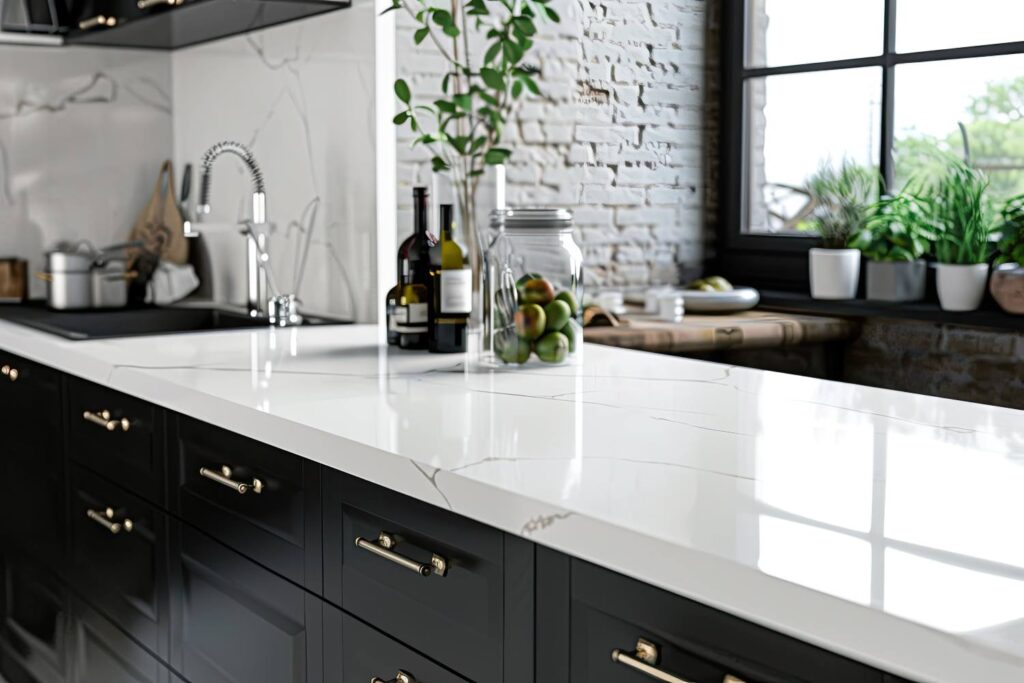
How to Clean and Maintain Your Granite Countertops

How to Clean and Maintain Your Granite Countertops
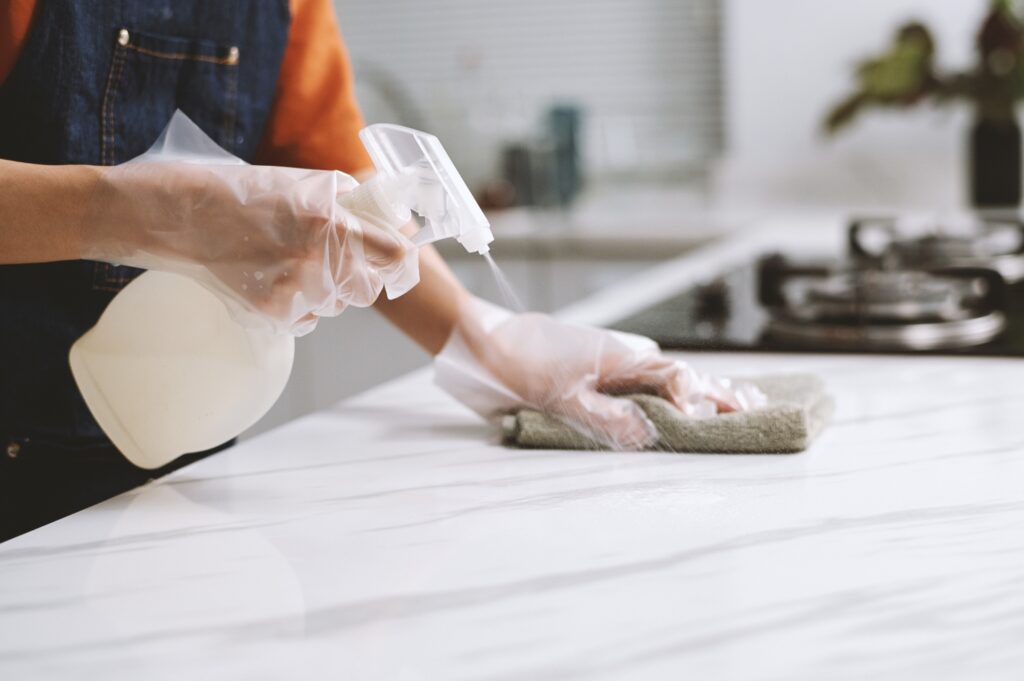
Granite is the ultimate choice for your kitchen countertops, offering a blend of durability and timeless beauty that is unmatched. To ensure your granite surfaces remain pristine, it’s crucial to follow proper maintenance practices. This comprehensive guide provides expert insights on caring for granite countertops, including practical tips and solutions to common concerns.


Daily Cleaning Practices

Establishing a daily cleaning routine is crucial for maintaining the beauty and durability of your granite countertops.


 What You’ll Need

  • Soft microfiber cloths or paper towels
  • pH-neutral dish soap
  • Warm water
  • Spray bottle (optional)
  • Granite-specific cleaner (optional)


Step-by-Step Daily Cleaning

  1. Remove Debris: Begin by removing any crumbs, dust, or loose debris from the countertop with a dry microfiber cloth or a soft brush.
  2. Prepare Cleaning Solution: Mix a small amount of pH-neutral dish soap with warm water in a spray bottle or a bowl. If you prefer, use a granite-specific cleaner that is safe for natural stone surfaces.
  3. Wipe the Surface: Dampen a microfiber cloth with the cleaning solution and gently wipe down the countertop. Avoid using too much water, as excessive moisture can weaken the sealant over time.
  4. Dry the Surface: After cleaning, use a dry microfiber cloth to buff the surface dry, preventing streaks and water spots.


Avoiding Common Mistakes

  • Avoid Acidic or Abrasive Cleaners: Steer clear of vinegar, lemon juice, ammonia, and bleach, as these can etch the granite’s surface and break down the sealant.
  • Don’t Use Rough Scrubbers: Steel wool, scouring pads, and abrasive sponges can scratch the surface, dulling the granite’s finish.


Weekly Maintenance Routine

In addition to daily care, a weekly maintenance routine can help preserve the integrity of your granite. Consider the following steps:

  1. Apply a cleaner specifically designed for natural stone or a mild soap solution to the surface.
  2. Rinse thoroughly with warm water and dry with a soft cloth to prevent streaks.
  3. Steer clear of acidic cleaners like vinegar or bleach, which can damage the sealant.


Dealing with Spills: Immediate Action Required

Spills are inevitable in any kitchen, but how you handle them can make all the difference in maintaining your granite countertops.

Types of Spills and Their Impact

  • Water: While water is generally harmless, it can leave behind mineral deposits if not wiped up promptly.
  • Oils: Cooking oils and other greasy substances can penetrate the stone and cause dark spots.
  • Acidic Substances: Citrus juices, wine, and vinegar can etch the surface and dull the finish if left to sit.

 How to Handle Spills

  • Blot, Don’t Wipe: If a spill occurs, immediately blot the area with a paper towel or a soft cloth. Wiping can spread the spill and cause more extensive staining.
  • Use a Mild Cleaner: After blotting, clean the area with a mild, pH-neutral cleaner and warm water. Dry the surface thoroughly to prevent water spots.


Deep Cleaning: Tackling Stubborn Stains

Despite regular cleaning, your granite countertops may develop stubborn stains over time. Here’s how to address these issues without damaging the stone.

 Identifying the Stain

  • Organic Stains: These are usually caused by food or beverages and appear as dark spots or discolorations.
  • Oil-Based Stains: Grease, cooking oil, or cosmetic products can leave behind oily residues that darken the stone.
  • Rust Stains: Metal objects left on the countertop for extended periods can cause rust stains, which are particularly difficult to remove.

 Cleaning Organic Stains

  1. Create a Paste: Mix baking soda with water to form a thick paste.
  2. Apply the Paste: Spread the paste over the stained area and cover it with plastic wrap. Let it sit for 24 hours to draw out the stain.
  3. Rinse and Dry: After 24 hours, remove the plastic wrap, wipe away the paste, and rinse the area with warm water. Dry thoroughly.

 Removing Oil-Based Stains

  1. Make a Poultice: Combine baking soda with acetone (found in most nail polish removers) to form a thick paste.
  2. Apply and Cover: Spread the poultice over the stain, cover it with plastic wrap, and allow it to sit for 24 to 48 hours.
  3. Wipe Clean: After the waiting period, remove the poultice, rinse with water, and dry the area.

 Dealing with Rust Stains

  • Use a Rust Remover: For rust stains, a specialized stone-safe rust remover is recommended. Follow the product instructions carefully.
  • Avoid DIY Remedies: Do not use bleach or other household rust removers, as they can damage the granite.


Sealing Your Granite Countertops: A Crucial Step

Sealing is one of the most important steps in maintaining granite countertops. Proper sealing protects the stone from stains and damage.

  When to Seal Granite

  • Perform the Water Test: To determine if your granite needs resealing, perform a simple water test. Place a few drops of water on the countertop. If the water beads up, your seal is still intact. If it absorbs into the stone, it’s time to reseal.
  • Frequency: Depending on usage, reseal your granite countertops every 6 to 12 months.

 How to Seal Granite Countertops

  1. Clean the Surface: Thoroughly clean the countertop and allow it to dry completely before applying the sealant.
  2. Apply the Sealant: Using a soft cloth or applicator pad, apply the sealant evenly across the surface. Make sure to follow the manufacturer’s instructions for application.
  3. Let It Sit: Allow the sealant to sit on the granite for the recommended time (usually 15-30 minutes).
  4. Wipe Off Excess: After the waiting period, wipe off any excess sealant with a clean, dry cloth.
  5. Buff the Surface: Once the sealant has dried, buff the surface to enhance the granite’s shine.


Polishing Granite: Enhancing the Shine

Polishing your granite countertops enhances their natural luster and provides an additional layer of protection.

 When to Polish

  • Polishing can be done every few months or after sealing to maintain the granite’s shine. Avoid over-polishing, as this can lead to a build-up of product on the surface.

 How to Polish Granite

  1. Choose the Right Polish: Use a granite-specific polish that is safe for natural stone.
  2. Apply the Polish: Spray the polish onto the surface or apply it with a soft cloth.
  3. Buff to Shine: Using a circular motion, buff the polish into the granite until the surface is shiny and smooth.


Common Concerns and Expert Insights

1. How often should I reseal my granite?

Determining how often you need to reseal your granite countertops depends on the type of granite and how frequently it is used. A quick water test can easily assess if resealing is required. If water beads on the surface, the seal is still effective; however, if it absorbs into the stone, then it’s time to apply a new sealer.

2. What cleaners are safe for granite?

To properly care for your countertops, it is essential to use cleaners specifically formulated for natural stone or a mild soap solution. Harsh chemicals should be avoided as they can degrade the sealant and cause damage to the stone over time. It is crucial to make sure you are using the right products to maintain the beauty and durability of your granite surfaces.

3. How can I address scratches on my granite?

Minor scratches can often be polished out with a granite polishing compound. For deeper scratches, consulting a professional may be necessary for repair.


Granite Care Comparison Table

Care Task

Frequency

Recommended Products

Daily Cleaning

Daily

Mild dish soap, soft cloth

Weekly Deep Clean

Weekly

Granite cleaner, warm water

Resealing

1-3 years

Granite sealant


Conclusion

With the right care and maintenance, granite surfaces can remain a beautiful and functional part of your home for many years. By following these guidelines and addressing common concerns, you can ensure that your granite countertops continue to impress. Remember, a little effort goes a long way in preserving the elegance of your surfaces.

Why Choosing a Professional to Install Your Granite Countertops?

Why Choosing a Professional to Install Your Granite Countertops?

Granite countertops, prized for their durability and timeless elegance, are a top choice for kitchens and bathrooms. Yet, the magic lies in expert installation. This article delves into why hiring skilled professionals is crucial, outlining the process, benefits, and tips to find the perfect contractor. Discover how proper installation transforms your home’s aesthetic and functionality!


Why Quality Installation Matters

Installing granite countertops demands expertise and precision. Here’s why you should trust seasoned professionals for the job:

  • Technical Expertise: Professionals possess the training and experience to handle granite effectively, ensuring precise cuts and fittings that minimize the risk of damage.
  • Access to Specialized Tools: Expert installers utilize advanced equipment necessary for a flawless installation, which may not be available to the average homeowner.
  • Quality Assurance: A reputable contractor often has a proven track record of customer satisfaction, which is a strong indicator of the quality of their work.


The Complexity of Granite Installation

Granite installation involves a series of detailed steps that require specialized skills, tools, and experience. Here’s why the process is more complicated than it may seem.

 Precision Measuring and Cutting

  • Precision is Key: Start your granite countertop installation with exact measurements of your kitchen or bathroom. This guarantees a flawless fit around sinks, faucets, and fixtures. A single measurement mistake can lead to expensive errors and frustrating delays.
  • Cutting: Granite’s extreme hardness demands precision and expertise. Professional installers wield diamond blade saws and specialized tools to achieve flawless cuts, ensuring perfect fits and minimal waste.


Ensuring Longevity and Durability

A well-installed granite countertop can last for decades, but improper installation can lead to problems that compromise its longevity and durability.

 Proper Sealing

  • Guarding Granite: Granite’s porous nature makes it vulnerable to stains and damage from absorbed liquids. Expert installers shield the stone with a premium sealant, applied meticulously for ultimate protection against spills and moisture. This thorough process ensures your granite remains pristine and resilient.
  • The right timing and technique are vital for sealing. Experts masterfully apply sealant to ensure deep absorption and robust protection, significantly enhancing the countertop’s longevity.

 Avoiding Future Repairs

  • Safeguarding Against Cracks and Chips: Poor installation creates stress points in granite, making it prone to damage. Professionals expertly handle the stone, ensuring your countertop stays flawless and stunning for years.
  • Securing the Countertop: Expert installers go the extra mile to ensure your countertop stays rock-solid. They use sturdy support brackets for overhangs and firmly anchor the stone to cabinets, preventing any future shifting or damage.


Cost Efficiency: Long-Term Savings

While hiring a professional may seem more expensive upfront, it can actually save you money in the long run by preventing costly mistakes and ensuring a high-quality installation.

 Avoiding Costly Mistakes

  • Material Waste: Incorrect cutting, measuring errors, or mishandling of granite can lead to wasted materials, which are expensive to replace. Professional installers minimize waste by getting the job done right the first time.
  • Preventing Damage: Damage to your granite countertops during installation can result in significant repair or replacement costs. Professionals are insured and experienced, reducing the likelihood of such issues and covering any damages that might occur.


Access to Expertise and Resources

Hiring a professional not only guarantees a better installation but also provides access to a wealth of knowledge and resources that can enhance the overall project.

  Expert Advice

  • Design Consultation: Professional installers often provide design consultation services, helping you choose the best granite slab, edge profile, and finish for your space. Their expertise ensures that your countertop complements the overall design of your kitchen or bathroom.
  • Problem-Solving: Unexpected challenges can arise during installation, such as uneven cabinets or difficult cuts. Professionals have the experience to troubleshoot these issues and find effective solutions.


How to Choose the Right Installer

Selecting the right professional for your granite countertop installation is essential to achieving the stunning results you envision. Here’s how Atlanta Stone Creations can help you make an informed decision:

Check Our Reputation: Atlanta Stone Creations is proud of our strong track record in the industry, supported by numerous positive reviews and satisfied customers. We invite you to explore our reputation on online platforms and through local referrals.

Assess Our Experience: Our team specializes in granite installations with years of extensive experience, ensuring your project is handled by experts who understand the intricacies of working with natural stone.

Review Our Portfolio: Take a look at our portfolio of previous work to see the quality of our installations. Our diverse projects showcase a range of styles, allowing you to see how we can bring your vision to life.


Conclusion

When it comes to enhancing the beauty and functionality of your space, investing in quality installation for granite countertops is a must. By choosing skilled installers, you can ensure that your countertops not only look stunning but also stand the test of time. With our professional team on the job, you can enjoy all the benefits that granite has to offer without worrying about any potential issues that may arise from improper installation.

It’s important to select a reputable installer who knows how to work with this natural stone material. Our team is here to provide top-notch service and expert care tips so that your countertops remain in pristine condition for years to come. Don’t hesitate – call us today and let us take care of your next countertop project!


Guide to Install Kitchen Granite Countertops: Steps and Insights

Guide to Install Kitchen Granite Countertops: Steps and Insights

Granite countertops are a top choice for kitchens and bathrooms, providing both durability and elegance. This comprehensive guide will walk you through the necessary steps and expert insights to ensure a successful installation of your new granite countertop.


1. Planning Your Project

Installing new granite countertops demands meticulous planning for a flawless finish. Keep these key factors in mind:

  • Budget: Craft a detailed budget that encompasses materials, labor, and unexpected costs. A meticulously planned budget ensures you control expenses and sidestep surprises.
  • Measurements: Accurate measurements are vital for a perfect fit of your granite slabs. Precision here ensures seamless installation and flawless results.
  • Design Preferences: Pick a granite color and pattern that enhances your home’s style. This choice will transform the look and feel of your space, turning your kitchen or bathroom into a stunning focal point.


2. Essential Materials

Having the right tools and materials is essential for a successful granite countertop installation. Here’s a list of what you’ll need:

  • Granite slabs
  • Measuring tape and level
  • Diamond blade wet saw or angle grinder
  • Safety gear (gloves, goggles, ear protection)
  • Adhesive, caulk, and epoxy
  • Clamps and support brackets
  • Shims and a caulking gun


3. Step-by-Step Installation Process

Follow these steps to effectively install your granite countertops:

  1. Preparation: Preparation is the secret to flawless countertop installation. Before our experts arrive, clear the area and remove any existing surfaces. This simple step ensures a smooth, efficient process for installing your stunning granite or quartz countertops. With this prep work done, you’ll enjoy a seamless transformation in your kitchen or bathroom space.
  2. Accurate Measurement: Before beginning the installation process of your new granite countertops, it is crucial to carefully measure the space where the countertop will be placed. This step is essential in ensuring a seamless and precise fit for your stone countertop. By marking the dimensions clearly, you can provide our team of installers with accurate information on how to proceed with cutting and installing the granite slab. This meticulous attention to detail will guarantee that your kitchen or bathroom project goes smoothly from start to finish.
  3. Granite Cutting: During the installation process, it may be necessary to cut the granite slabs to ensure a perfect fit for your countertops. This step is crucial for achieving a flawless finish in your kitchen or bathroom. While some DIY enthusiasts may attempt this task themselves, we highly recommend leaving it to our team of experienced installers who have the right tools and expertise to handle this delicate procedure with precision. Trust us to take care of every detail during the cutting phase of your project, ensuring that your new countertop will be installed seamlessly and look stunning in your home.
  4. Dry Fit: To begin the installation process of your beautiful granite countertops, it is crucial to place the stone slabs on top of your cabinets. This step allows you to check for proper fit and alignment before moving forward with the rest of the installation.
  5. Securing the Slabs: Use a durable adhesive to attach the granite onto your cabinets, ensuring a level countertop surface with shims.
  6. Joint Sealing: Apply acrylic caulk to seal the joints between slabs for a seamless appearance. To ensure a flawless finish during the installation of your countertops, it is crucial to apply acrylic caulk to seal the joints between granite or quartz slabs. This step is essential in creating a cohesive and polished look that will elevate the overall aesthetic of your kitchen or bathroom. By following this process, you can expect a professional and high-quality result that will leave you satisfied with the final outcome.
  7. Final Cleaning: After the installation of your countertops, it is crucial to properly care for your granite surface. Wipe down the countertop with a microfiber cloth and apply a granite sealer to protect against stains. This step is essential in maintaining the beauty and longevity of your new stone countertop.


4. Important Considerations During Installation

As you proceed with the installation, keep these factors in mind:

  • Time Commitment: The entire process may take several days to weeks, depending on the complexity of your project.
  • Professional Assistance: If you’re uncertain about any step, hiring professionals can ensure a high-quality installation.
  • Post-Installation Care: Regular sealing (every 1-2 years) is recommended to maintain the beauty and durability of your granite.


6. Expert Insights and Tips

Expert Tips for Granite Countertop Installation

  • Always use a professional for cutting and polishing granite to avoid damage.
  • Consider the weight of granite; ensure your cabinets can support the load.
  • Choose a granite sealer that is appropriate for your specific type of granite.
  • Regularly clean your countertops with a pH-balanced cleaner to avoid dulling the surface.


7. Maintenance Schedule for Granite Countertops

Task

Frequency

Notes

Seal the granite

Every 1-2 years

Use a high-quality granite sealer.

Clean with granite cleaner

Weekly

Avoid harsh chemicals.

Wipe spills immediately

As needed

Prevents staining.


Professional Installation: Atlanta Stone Creations

While DIY installation is an option, the expertise of professionals ensures a flawless and lasting result. Atlanta Stone Creations specializes in the installation of granite countertops, offering superior craftsmanship and attention to detail.


Atlanta Stone Creations: Your Local Experts

  • Atlanta Stone Creations, renowned for top-notch countertop installations, proudly serves Atlanta and its neighboring areas.
  • Our team delivers tailored service, crafting each project to mirror our clients’ distinct styles and needs.
  • Discover our stunning granite slabs, get expert design tips, and enjoy a seamless installation experience from start to finish.


Conclusion

Installing granite countertops is a significant investment that can transform your home. By following the steps outlined in this guide and considering the expert insights provided, you can ensure a successful installation process.

If you have any questions or need further assistance, don’t hesitate to consult with our expert team.

Preparing for Your Granite Countertop Installation

Preparing for Your Granite Countertop Installation

Granite countertops are a top choice for kitchens and bathrooms, providing a perfect balance of durability and timeless elegance. If you’re considering the installation of these stunning natural stone surfaces in your home, it’s essential to be well-prepared. This comprehensive guide will walk you through every step of the process, from planning to execution, ensuring a seamless and successful countertop installation experience.


Current Trends and Insights

In 2024, granite remains a top choice for homeowners looking to upgrade their kitchen countertops. Here are some essential insights to consider when planning the installation of your new granite countertop:

  • When planning for the installation of new countertops in your kitchen, granite is an excellent choice. The process of preparing for granite installation involves selecting from a wide range of colors and patterns to ensure a personalized design that fits perfectly with your home decor. Granite slabs can be installed in various ways, such as on cabinets or as a backsplash, making it a versatile option for any kitchen renovation project. Whether you are looking to install granite countertops yourself or hire professional installers, taking accurate measurements and ensuring proper fit with your existing surfaces is crucial. With its natural stone beauty and durability, granite is one of the best choices for creating a stunning focal point in your kitchen space.
  • The process of installing your new kitchen countertops can vary in time, typically taking two to three weeks from selection to completion.
  • Get ready for some disruption during the countertop installation process, including noise and dust, so be sure to plan accordingly.


Preparing for Your Countertop Installation

1. Selecting the Right Granite

Selecting the ideal slab for your kitchen countertops is a critical decision in the installation process. Take the time to visit local suppliers and explore a variety of options available. Consider how each granite or quartz slab’s color and pattern will seamlessly integrate into your overall design scheme, ensuring a cohesive and visually appealing result.

2. Accurate Measurements

To ensure a seamless installation process, it is crucial that your contractor meticulously measures your kitchen space. This essential step will help prevent any potential issues with fitting the new countertops later on.

3. Clearing the Area

Clear your countertop of all items, including furniture and appliances, before installation begins. This ensures a safe, efficient workspace for our expert installers to work their magic.

4. Disconnecting Utilities

Before installing your new countertops, especially if adding a sink or cooktop, disconnect all plumbing and electrical connections. This crucial step ensures a smooth, accident-free installation in your kitchen.

5. Creating a Safe Installation Environment

For a seamless countertop installation, ensure your site is spotless and debris-free. This guarantees the installers’ safety and allows them to deliver precise, high-quality work.

6. Communicate with Your Installer

Stay in constant touch with your installer from start to finish. Know the timeline, scope of work, and extra services like plumbing or electrical tasks. Ask questions and voice concerns to ensure everything meets your expectations perfectly.

7. Enjoy Your New Granite Countertops

After the installation and curing, your new granite countertops are ready to shine. With proper care, these stunning surfaces will remain a breathtaking centerpiece in your home for years to come.


Step-by-Step Installation Process

Phase 1: Template Creation

To kick off the process of installing your new countertops, the first crucial step is to create a template for them. This involves using either cardboard or plywood to ensure an exact fit in your kitchen.

Phase 2: Fabrication

Once the template is approved, the granite slabs are cut and polished according to your specifications. This phase may take several days, depending on the complexity of the design.

Phase 3: Installation

Our skilled installers will expertly position the granite slabs onto your kitchen cabinets, ensuring perfect alignment and tight seams for a flawless finish. Using top-quality adhesives and sealants, they’ll secure and protect the natural stone surface, creating a stunning centerpiece in your kitchen.

Phase 4: Final Touches

Once your granite countertops have been installed, the next crucial steps involve sealing the stone to safeguard against stains and ensuring that all connections are properly secured.


Key Considerations for Your Project

1. Understanding Costs

Revamp your kitchen with breathtaking granite countertops, but watch the budget. Costs depend on stone type, installation intricacies, and extras like sinks or backsplashes. Pick smartly for a gorgeous yet affordable makeover!

2. Importance of Professional Installation

For flawless countertops, trust the pros. Their expertise guarantees perfect granite or quartz installation, preventing damage and ensuring safety. Watch your kitchen transform with stunning new stone surfaces that boost both beauty and function. Choose skilled installers for peace of mind and a seamless upgrade to your dream countertops.

3. Maintenance Tips

To keep your granite surfaces looking their best, regular maintenance is essential. Here are some tips:

  • Seal your countertops every 1-2 years to prevent staining.
  • Use a pH-balanced cleaner for daily cleaning.
  • Avoid harsh chemicals that can damage the surface.


Conclusion

Prepping for your new granite countertops is essential and exciting. Follow this guide to transform your kitchen with ease. For extra help or to book an installation, reach out to your local granite supplier now!

Granite Countertops: A Sustainable Choice for Your Home

Granite Countertops: A Sustainable Choice for Your Home

As environmentally conscious homeowners, the choice of eco-friendly materials for your kitchen countertops is crucial. Granite surfaces have become a popular option due to their natural beauty and sustainability.

This comprehensive guide delves into the environmental advantages of granite countertops compared to other materials, empowering you to make an informed decision that aligns with your commitment to a green home.


Why Choose Granite?

Granite, a natural stone formed through the slow crystallization of magma, is not only visually striking but also remarkably durable. Here are some key environmental advantages of choosing granite countertops:

Eco-Friendly and Sustainable: Granite is a naturally occurring material that is both sustainable and eco-friendly. Its extraction and processing have a lower environmental impact compared to many synthetic alternatives.

Contributes to a Sustainable Home: By incorporating granite into your kitchen design, you enhance the sustainability of your home. Granite’s longevity and minimal maintenance needs reduce the frequency of replacement, conserving resources over time.

Low Carbon Footprint: Granite countertops have a lower carbon footprint than other materials like marble or quartz, making them a more environmentally responsible option.

Natural and Renewable: As a natural resource, granite can be recycled and repurposed, reducing waste and supporting a circular economy. This makes it an excellent choice for those who prioritize environmental ethics in their purchasing decisions.

Combining Beauty with Sustainability: Granite offers a perfect blend of aesthetic appeal and environmental responsibility, making it a top choice for eco-conscious homeowners seeking durable, high-quality countertops.

By choosing granite, you’re not only investing in the beauty of your home but also making a positive impact on the environment.

  • Exceptional Longevity: Granite is known for its durability, often lasting for decades. This longevity reduces the frequency of replacements, which minimizes waste.
  • Natural Composition: As a natural stone, granite is free from harmful chemicals and synthetic additives, making it a safer choice for indoor environments.
  • Local Sourcing: When granite is sourced from nearby quarries, the carbon footprint associated with transportation is significantly reduced, enhancing its eco-friendliness.
  • Recyclability: At the end of its life cycle, granite can be repurposed or recycled, further contributing to its sustainability profile.


Comparative Analysis: Granite vs. Other Countertop Materials

To truly grasp the environmental impact of granite countertops, let’s compare them to other popular countertop options:

Granite is a natural stone that offers eco-friendly benefits for your kitchen. When choosing sustainable materials for your countertops, granite stands out as an environmentally friendly choice. Its sustainability can be seen in its low carbon footprint and renewable qualities.

In comparison to other countertop options like marble or quartz, granite surfaces are made from recycled materials and contribute to a more ethical design in your home. The use of granite not only adds beauty to your space, but also helps reduce the environmental impact of traditional countertop choices.

By opting for granite countertops, you are making a conscious decision to choose a sustainable material that aligns with eco-friendly practices. Its durability and longevity make it a better choice than many other non-environmentally friendly options on the market.

So when considering which countertop material best suits your needs, remember the many benefits that environmentally friendly granite has to offer:


Material

Durability

Environmental Impact

Recyclability

Cost

Granite

High

Low (if locally sourced)

Yes

$$$

Quartz

High

Moderate (manufacturing process uses resins)

Limited

$$$

Bamboo

Moderate

Low (renewable resource)

Yes

$$

Recycled Glass

Moderate

Low (uses recycled materials)

Yes

$$$

Laminate

Low

High (synthetic materials)

No

$


Expert Insights on Selecting Sustainable Countertops

Tips for Choosing Eco-Friendly Granite

  • Source Responsibly: Opt for granite that is quarried locally to minimize transportation emissions.
  • Consider Reclaimed Options: Look for reclaimed granite, which reduces the demand for new stone extraction.
  • Finish Matters: A honed finish requires less energy to produce compared to a polished finish.
  • Regular Maintenance: Proper care can extend the life of your granite countertops, enhancing their sustainability.


Final Thoughts

Granite countertops can be a sustainable choice when sourced and maintained responsibly. Their durability, natural composition, and potential for recycling make them an attractive option for environmentally conscious homeowners. By considering the entire lifecycle of granite-from extraction to disposal-individuals can make informed decisions that align with their sustainability goals.

As the demand for eco-friendly materials continues to rise, granite remains a viable option that balances beauty, functionality, and environmental responsibility.


Understanding Granite Countertops: Features, Benefits, and Comparisons

Understanding Granite Countertops: Features, Benefits, and Comparisons

Granite countertops are a top choice for kitchen and bathroom surfaces due to their exceptional durability, natural beauty, and undeniable elegance. The high resilience of granite makes it an extremely popular option for homeowners looking for long-lasting surfaces that can withstand stains and daily wear and tear. When comparing granite to quartz countertops, the renowned stone stands out for its strength, longevity, and resistance to scratches.

While both materials offer beautiful patterns and colors, granite is known for being one of the hardest natural stones available. Choosing between granite and quartz comes down to personal preference in terms of appearance, maintenance requirements, and cost.

Granite’s solid surface can last for years with proper care, making it a worthwhile investment in your home’s aesthetic appeal. Whether you choose granite or quartz ultimately depends on how you want your kitchen or bathroom surfaces to look and perform over time.


Why Granite is a Top Choice

Granite, a natural stone quarried from the earth’s depths, is renowned for its exceptional durability and strength. With a hardness rating of 7 on the Mohs Scale, granite countertops are extremely resilient and can withstand scratches and wear with ease. This makes them an ideal choice for high-traffic areas in your kitchen or home. The elegance and beauty of granite surfaces are undoubtedly unmatched, making them a top choice for those looking to invest in long-lasting materials that will last for years to come.


Key Features of Granite Surfaces

Granite countertops offer several notable advantages:

  • Scratch Resistant: Granite countertops are renowned for their exceptional durability and scratch resistance. The high hardness of this natural stone allows it to withstand daily use in the kitchen without showing signs of wear. Granite is an extremely resilient material that can last for years, making it a top choice for homeowners looking for a long-lasting and low-maintenance surface option. Its elegance and beauty will undoubtedly enhance the appearance of any home, making it a solid investment in both longevity and style.
  • Heat Resistance: This exceptional material, known for its durability and resilience, can withstand high temperatures with ease. This makes it the perfect choice for kitchens where hot pots and pans are frequently placed on the surface.
  • Chip Resistance: Granite countertops are renowned for their exceptional durability and resilience. While no surface is completely immune to damage, granite is better equipped to withstand wear and tear compared to softer materials. This natural stone has a high hardness level, making it extremely resilient against chipping or scratches in the kitchen. Granite’s longevity and resistance to stains make it an extraordinary choice for your home. Its elegance and beauty will undoubtedly elevate the look of any space, with a lifespan that can last for years without losing its appearance. When considering the best countertop material for your kitchen, granite stands out as a top choice due to its unmatched strength and ability to withstand daily use.
  • UV Stability: Granite countertops are renowned for their exceptional durability and resilience in withstanding the elements. This natural stone is an excellent choice for outdoor applications as it does not fade when exposed to sunlight, making it a top pick for those looking to enhance the beauty and longevity of their outdoor spaces.
  • Hygienic Surface:Granite countertops are renowned for their exceptional durability and resilience. The natural stone is extremely hard, making it one of the best materials for kitchen surfaces. Its non-porous nature ensures that bacteria cannot harbor on the surface, providing a safe environment for food preparation. This makes granite an excellent choice for homeowners looking to invest in a long-lasting and beautiful countertop option that will withstand the test of time.


Maintaining Your Granite Countertops

With proper care, granite surfaces can last a lifetime. Here are some expert tips to ensure their longevity:

  • Always use a cutting board to prevent dulling knives and avoid potential stains.
  • Handle heavy objects with care, as dropping something substantial can cause damage.
  • Regularly seal your granite countertops to protect against stains and moisture absorption.


Granite vs. Quartz: A Comparative Analysis

When considering countertop materials, granite and quartz are often compared. Below is a detailed comparison of their durability and maintenance:

Feature

Granite

Quartz

Scratch Resistance

High

High

Heat Resistance

Excellent

Good

Chip Resistance

Good

Excellent

Stain Resistance

Moderate (requires sealing)

High (non-porous)

Maintenance

Requires periodic sealing

Low (no sealing needed)

Appearance Variety

Natural variations

Consistent patterns


Pros and Cons of Granite Countertops

Advantages:

  • Natural beauty with unique patterns that enhance any space.
  • Highly durable and long-lasting, making it a worthwhile investment.
  • Resistant to heat and scratches, ideal for busy kitchens.

Disadvantages:

  • Requires periodic sealing to maintain its stain resistance.
  • Can be heavy, necessitating sturdy cabinetry for support.
  • Generally more expensive than some other countertop materials.


Conclusion

Granite countertops are renowned for their exceptional durability, resilience, and beauty, making them a top choice for homeowners looking to elevate the elegance of their kitchen. The natural stone is extremely durable and can withstand stains and scratches with ease. Its high hardness level ensures a long lifespan, making it an extraordinary investment for your home. When comparing granite to quartz countertops, both materials have their unique strengths. 

Granite’s natural beauty and timeless appeal set it apart from quartz surfaces. While quartz may be easier to maintain in some cases, granite offers unmatched strength and resistance that can last for years without losing its luster. 

Eco-Friendly Countertop Materials and Options

Eco-Friendly Countertop Materials and Options

Eco-friendly countertops are made from sustainable, low-impact materials that are beneficial for the environment. 

Choosing eco-friendly kitchen countertops is an essential step toward a sustainable home. These countertops are made from materials that minimize environmental impact through their lifecycle, from extraction to disposal. Opting for eco-friendly options not only supports environmental conservation but also enhances the health and aesthetic appeal of your kitchen.


Benefits of Choosing Eco-friendly Countertops

Eco-friendly countertops offer numerous benefits:

  • Environmental Impact: Sustainable materials reduce deforestation, lower carbon emissions, and conserve natural resources.
  • Health Benefits: These materials often have fewer toxins and lower off-gassing, improving indoor air quality.
  • Cost Efficiency: Though sometimes more expensive initially, eco-friendly countertops often save money in the long run due to their durability and low maintenance needs.


Understanding Sustainability in Countertop Materials

Sustainability in countertop materials involves several factors:

  • Recycled Materials: Using recycled content, such as glass or reclaimed wood, reduces waste and conserves resources.
  • Low-emission Production: Sustainable production methods minimize pollution and energy consumption.
  • Longevity: Durable materials that last longer reduce the need for frequent replacements, lowering overall environmental impact.


Types of Eco-friendly Countertop Materials

Various eco-friendly countertop materials cater to different tastes and needs:

  • Marble
  • Porcelain
  • Quartz
  • Quartzite
  • Granite
  • Soapstone


Marble Countertops

Marble countertops are a timeless choice for their natural beauty and recyclability. Although extracting marble can be resource-intensive, its long lifespan and ability to be repurposed make it an eco-friendly option. Proper sealing and maintenance can enhance its durability, making it a sustainable choice for your kitchen.


Porcelain Countertops

Porcelain countertops are made from natural clay and minerals, fired at high temperatures to create a durable and heat-resistant surface. Their low environmental impact during production and long lifespan make them an excellent eco-friendly choice. Porcelain is also highly resistant to stains and scratches, ensuring it remains beautiful for years with minimal upkeep.


Quartz Countertops

Quartz countertops combine natural quartz crystals with resins to create a non-porous, durable surface. These countertops are low-maintenance and long-lasting, which contributes to their eco-friendliness. The production of quartz countertops involves fewer emissions compared to other materials, and they do not require harmful sealants, making them a safer option for indoor air quality.


Quartzite Countertops

Quartzite is a natural stone that offers the beauty of marble and the strength of granite. It is formed from sandstone and transformed by heat and pressure, making it a highly durable and eco-friendly option. The mining of quartzite is generally less harmful to the environment compared to other natural stones, and its longevity reduces the need for replacements.


Granite Countertops

Granite is a popular choice due to its abundance and aesthetic appeal. It is a highly durable material that can last for decades with proper care. Granite countertops are recyclable and can be repurposed for other projects, reducing waste. Choosing locally sourced granite can further lower the environmental impact associated with transportation.


Soapstone Countertops

Soapstone is a non-porous and heat-resistant material that requires minimal maintenance. Its durability and long lifespan make it an eco-friendly choice. Soapstone countertops do not require sealing and are resistant to stains and bacteria, contributing to a healthier kitchen environment.


Comparing Eco-friendly Countertop Materials

When choosing between eco-friendly countertop materials, consider the following factors:

  • Durability: Some materials, like quartzite and granite, are more durable than others.
  • Maintenance: Low-maintenance options, such as quartz and soapstone, reduce the need for harsh cleaning products.
  • Cost: Initial costs can vary, but consider the long-term savings from reduced maintenance and longer lifespan.


Installation Considerations for Eco-friendly Countertops

Proper installation is crucial to maximizing the lifespan and eco-friendliness of your countertops. Hiring professional installers can ensure minimal waste and optimal performance. Additionally, consider the disposal of old countertops—recycling or repurposing them can further reduce environmental impact.


Cost Analysis of Eco-friendly Countertops

While eco-friendly countertops may have a higher initial cost, their durability and low maintenance can lead to long-term savings. Investing in sustainable materials can also increase your home’s value, making them a worthwhile consideration for any kitchen renovation.


Health Benefits of Eco-friendly Countertops

Choosing eco-friendly countertops can improve your kitchen’s health:

  • Non-toxic Materials: Many sustainable options do not emit harmful chemicals, reducing indoor air pollution.
  • Improved Indoor Air Quality: Lower emissions from production and minimal need for harsh cleaning products contribute to a healthier home environment.


Environmental Impact of Countertop Choices

Your choice of countertop material can significantly affect the environment:

  • Carbon Footprint: Consider the energy used in production and transportation of materials.
  • Resource Conservation: Opt for materials that use recycled content or are abundant and sustainably sourced.


Future Trends in Eco-friendly Countertops

The future of eco-friendly countertops is promising, with emerging materials and technologies aimed at further reducing environmental impact. Innovations include bio-based resins, recycled materials, and new sustainable mining practices that minimize ecological disruption.


Sustainability of Eco-Friendly Countertops

Sustainability is a key factor in the production and use of eco-friendly countertops. Here are some ways these materials contribute to a more sustainable future:


Recycled Materials

Using recycled materials helps reduce the demand for new raw materials and minimizes waste.


Energy Efficiency

Many eco-friendly countertop manufacturers use energy-efficient production methods, such as day-lit factories, to reduce their carbon footprint.


Longevity

Eco-friendly countertops are designed to last, reducing the need for frequent replacements and the associated environmental impact.


Biodegradability

Some materials, like bamboo and reclaimed wood, are biodegradable, meaning they will break down naturally at the end of their life cycle.


Conclusion

Choosing eco-friendly kitchen countertop materials like marble, porcelain, quartz, quartzite, granite, and soapstone is a step towards a sustainable and stylish kitchen. These materials offer durability, aesthetic appeal, and a reduced environmental impact, making them a wise investment for any homeowner looking to create a greener home.

Read More About Kitchen Countertops:

How to Replace Kitchen Countertops

How to Replace Kitchen Countertops

Replacing kitchen countertops can completely transform your kitchen, giving it a fresh, modern look. Countertops are not only functional surfaces but also significant design elements that impact the overall aesthetic of your kitchen.

This guide will take you through the entire process of replacing your kitchen countertops, from understanding your material options to the final installation. Whether you’re considering granite, quartz, marble, or quartzite, this comprehensive guide will help you make informed decisions and ensure a successful kitchen upgrade.


Understanding Kitchen Countertops

Kitchen countertops come in various materials, each offering unique benefits and styles. The most popular options include granite, quartz, marble, and quartzite, known for their durability and beauty. Trends in kitchen countertops have evolved, with homeowners now favoring materials that combine aesthetics with practical benefits.


Why Replace Your Kitchen Countertops?

Replacing your kitchen countertops can enhance your home’s aesthetic appeal, increase its property value, and improve functionality. Outdated or damaged countertops can make a kitchen look worn and reduce its usability. New countertops provide a fresh look and better performance, making meal preparation and other activities more enjoyable.


Planning Your Countertop Replacement

Before you start the replacement process, it’s crucial to plan. Determine your budget, set a realistic timeline, and decide whether you’ll hire professionals or tackle the project yourself. Budgeting is essential as costs can vary significantly based on the material and installation method.


Choosing the Right Material

Selecting the right material is a critical step. Here’s a brief overview of some popular choices:

  • Granite: Known for its natural beauty and durability.
  • Quartz: Engineered stone offering consistency and low maintenance.
  • Marble: Luxurious and elegant, but requires more care.
  • Quartzite: Natural stone that’s harder than granite and offers unique patterns.
  • Laminate: Budget-friendly and comes in various styles.
  • Butcher Block: Adds warmth with a natural wood finish.


Granite Countertops

Pros and Cons: Granite is incredibly durable and heat-resistant, but it requires sealing to prevent stains.  Installation Tips: Ensure proper support and professional installation to handle the weight.


Quartz Countertops

Pros and Cons: Quartz is non-porous, making it resistant to stains and bacteria. However, it’s not as heat-resistant as granite.  Installation Tips: Since it’s heavy, professional installation is recommended to avoid damage.


Marble Countertops

Pros and Cons: Marble offers a timeless look and unique veining but is prone to scratching and staining.  Installation Tips: Requires careful sealing and maintenance to preserve its appearance.


Quartzite Countertops

Pros and Cons: Quartzite is extremely durable and has a unique, natural appearance but can be expensive.  Installation Tips: Professional installation is essential due to its hardness and weight.


Removing the Old Countertop

When it’s time to remove the old countertop, having the right tools and following a systematic process is essential.

Tools Needed: To remove an old countertop, you’ll need a pry bar, utility knife, screwdrivers, and safety gear such as gloves and goggles.

Step-by-Step Guide:

  1. Disconnect Plumbing and Appliances: Start by turning off the water supply and disconnecting any plumbing fixtures and appliances connected to the countertop.
  2. Remove Old Caulk: Use a utility knife to cut through the caulk around the edges of the countertop.
  3. Unscrew Countertops from Cabinets: Locate and unscrew the brackets or screws holding the countertop to the cabinets.
  4. Lift and Dispose of the Old Countertop: Carefully lift the countertop with assistance if needed, and dispose of it properly.

Safety Precautions: Always wear protective gear like gloves and goggles to avoid injuries. Ensure proper ventilation when using tools that produce dust or fumes.


Preparing for the New Countertop

Preparation is key to a successful countertop installation.

Measuring: Accurate measurements are crucial to ensure the new countertop fits perfectly. Measure the dimensions of the cabinets and the space where the countertop will sit.

Cutting: Depending on the material of the new countertop, use the appropriate tools for cutting. Precision is vital to avoid mistakes.

Leveling: Before placing the new countertop, make sure the cabinets are level. Use shims if necessary to adjust the height and ensure an even surface.


Installing Granite Countertops

Granite countertops add elegance and durability to any kitchen.

Detailed Process:

  1. Measure and Cut the Granite: Use specialized tools to cut the granite to the exact measurements.
  2. Apply Adhesive: Apply a strong adhesive to the cabinets to secure the granite.
  3. Place the Countertop: Carefully place the granite slab onto the cabinets and align it properly.
  4. Secure It: Ensure the countertop is securely attached and stable.

Sealing: Apply a high-quality sealant to protect the granite from stains and damage.

Maintenance Tips: Clean granite countertops with mild soap and water, and avoid abrasive cleaners to maintain their shine and durability.


Installing Quartz Countertops

Quartz countertops are known for their consistency and low maintenance.

Detailed Process:

  1. Measure and Cut the Quartz: Cut the quartz slabs to fit your kitchen dimensions.
  2. Use Adhesive: Apply adhesive to the top of the cabinets.
  3. Secure and Align: Place the quartz countertop, ensuring proper alignment and stability.

Sealing: Sealing is not required for quartz countertops as they are non-porous.

Maintenance Tips: Use a non-abrasive cleaner and avoid harsh chemicals to keep your quartz countertops in pristine condition.


Installing Marble Countertops

Marble countertops add a touch of luxury and elegance but require careful handling.

Detailed Process:

  1. Measure and Cut the Marble: Precisely measure and cut the marble slab.
  2. Apply Adhesive: Use a suitable adhesive to attach the marble to the cabinets.
  3. Carefully Place the Countertop: Place the marble carefully to avoid cracks or chips.

Sealing: Regularly seal marble countertops to prevent stains and damage.

Maintenance Tips: Clean with a pH-neutral cleaner and avoid acidic substances to maintain the marble’s beauty.


Installing Quartzite Countertops

Quartzite countertops offer unique patterns and exceptional durability.

Detailed Process:

  1. Measure and Cut the Quartzite: Ensure precise measurements and cuts.
  2. Apply Adhesive: Use adhesive to secure the quartzite to the cabinets.
  3. Secure Properly: Place the quartzite slab and ensure it is firmly attached.

Sealing: Sealing is necessary to protect quartzite from stains and etching.

Maintenance Tips: Clean with mild soap and water, and reseal as needed to maintain the quartzite’s appearance.


Finishing Touches

Edging: Choose from various edge profiles like beveled, bullnose, or ogee to add a polished look to your countertop.

Backsplash: Installing a complementary backsplash protects the walls and enhances the overall kitchen design.

Final Adjustments: Check for any gaps or misalignments and ensure everything is secure and properly adjusted.


Maintenance and Care

Daily Cleaning: Use mild soap and water for daily cleaning, avoiding harsh chemicals that can damage the countertop surface.

Long-term Care: Regularly reseal natural stones and avoid heavy impacts to keep the countertops in good condition.

Preventing Damage: Use cutting boards for chopping and trivets for hot pans to prevent scratches and heat damage. Wipe spills immediately to avoid staining.


Cost Analysis

Material Costs: The cost of materials varies widely based on the type of countertop you choose. Granite, quartz, marble, and quartzite all have different price ranges.

Installation Costs: Professional installation adds to the overall cost but ensures a quality finish.

Hidden Expenses: Don’t forget to account for removal and disposal of the old countertop and any additional fixtures or modifications needed.


DIY vs. Professional Installation

Pros and Cons: DIY installation can save money but requires specific skills and tools. Professional installation ensures quality, warranty, and a stress-free process.

When to DIY: Simple materials like laminate or butcher block can be installed by handy homeowners.

When to Hire a Pro: For heavy and complex materials like granite, quartz, or marble, it’s best to hire professionals.


Common Mistakes to Avoid

Measurement Errors: Always double-check all measurements before cutting to avoid costly mistakes.

Improper Sealing: Proper sealing is essential to protect your countertops from stains and damage.

Overlooking Support: Ensure the cabinets can support the weight of the new countertop to prevent structural issues.


Final Thoughts

Replacing kitchen countertops is a significant project that can enhance the beauty and functionality of your kitchen. By carefully planning, choosing the right materials, and following proper installation steps, you can achieve a stunning and long-lasting result. Whether you opt for the natural beauty of granite, the durability of quartz, the elegance of marble, or the unique patterns of quartzite, this guide provides all the information you need to make your kitchen countertop replacement a success.


Read More About Kitchen Countertops:

Best Affordable Kitchen Countertop Materials

Best Affordable Kitchen Countertop Materials

Upgrading your kitchen countertops can make a dramatic difference in both style and functionality. The good news is, you don’t have to spend a fortune to achieve a fresh new look. This guide explores a range of cost-effective countertop materials and offers practical advice for a stylish kitchen renovation on a budget.


Advantages of Cost-Effective Countertops

Choosing affordable countertops comes with several perks:

  • Economical: These materials are generally less expensive than high-end options, freeing up your budget for other kitchen updates.
  • Visual Appeal: Many budget-friendly countertops come in an array of colors, patterns, and textures to enhance your kitchen’s aesthetic.
  • Low Maintenance: Several cost-effective materials are easy to clean and maintain, saving time and reducing long-term costs.


Affordable Countertop Options

Here’s a look at several wallet-friendly countertop materials that can elevate your kitchen:

  • Laminate
  • Butcher Block
  • Tile
  • Concrete
  • Solid Surface
  • Granite Tile
  • Recycled Materials
  • Granite
  • Quartz
  • Soapstone


Laminate Countertops

Laminate is a budget-friendly option that offers a wide selection of designs, including those that replicate high-end materials like granite or marble. It’s easy to install and maintain, and while it’s durable and resistant to stains and scratches, it can be sensitive to heat.


Butcher Block Countertops

Butcher block countertops bring a warm, natural touch to your kitchen. As one of the most affordable solid-surface choices, they are easy to care for with regular oiling and can be sanded to remove scratches or stains. They complement various kitchen styles, from rustic to contemporary.


Tile Countertops

Tile countertops offer a customizable, cost-effective solution. With options including ceramic, porcelain, and glass, you can select from a variety of colors and patterns. Tiles are resistant to heat and stains, though grout lines require regular cleaning. When properly sealed, tiles are a durable and attractive choice.


Concrete Countertops

Concrete countertops add a modern, industrial vibe to your kitchen. They are extremely durable and can be custom-molded to fit your kitchen layout. While professional installation might be pricey, DIY kits offer a more affordable alternative. Concrete can be tinted and finished in various ways for a unique look.


Solid Surface Countertops

Solid surface countertops, such as Corian, provide a seamless, uniform appearance that mimics the look of natural stone. They are non-porous and repairable, making them resistant to stains and bacteria. Though generally more affordable than natural stone, they offer a high-end appearance.


Granite Tile Countertops

Granite tile countertops combine the beauty and durability of granite with a lower cost. Using tiles rather than large slabs allows you to achieve a high-end look on a budget. Granite tiles are easy to replace and maintain, making them practical for busy kitchens.


Recycled Materials Countertops

Recycled countertops are an eco-friendly and cost-effective choice. Made from materials like recycled glass or paper, they offer distinctive designs while helping to reduce waste. These countertops are durable and a great option for those interested in sustainable living.


Granite Countertops

Granite countertops are renowned for their durability and classic appeal. While full granite slabs can be costly, prefabricated granite offers a more affordable alternative. These pre-cut, polished pieces reduce labor costs and make granite more accessible for budget renovations.


Quartz Countertops

Engineered quartz countertops deliver the aesthetic of natural stone without the hefty price. Even though quartz is one of the more expensive options, its great affordability lies in its exceptional durability and low maintenance. Quartz countertops are highly resistant to stains and scratches, making them ideal for high-traffic kitchen areas. Unlike natural stone, quartz does not require sealing, further reducing upkeep costs. Available in numerous colors and patterns, quartz provides a versatile and budget-friendly option that combines beauty with practiceality, ensuring a long-lasting and stylish addition to any kitchen.


Soapstone Countertops

Soapstone countertops have a smooth, elegant finish and are highly heat-resistant. Although premium soapstone can be expensive, more affordable options are available. Soapstone is durable, non-porous, and requires minimal upkeep, making it a practical choice.


Choosing the Right Countertop Material

When selecting a countertop material, consider these factors:

  • Durability: Materials like granite and quartz offer high durability compared to others.
  • Maintenance: Low-maintenance options, such as quartz and laminate, are easier to care for.
  • Cost: Evaluate initial costs and the long-term savings from reduced maintenance and longevity.


Tips for Stylish, Budget-Friendly Kitchens

You can achieve a chic kitchen look without splurging:

  • Design Choices: Opt for classic designs and neutral tones that can be updated with accessories.
  • Accents: Enhance your kitchen with affordable items like backsplash tiles, cabinet hardware, and lighting.
  • Remnants: Use countertop remnants or off-cuts for smaller areas such as islands or backsplashes.


Looking Ahead: Trends in Affordable Countertops

The future of budget-friendly countertops looks bright, with advancements in materials and technologies aimed at reducing costs and environmental impact. Emerging trends include recycled and bio-based materials, as well as new manufacturing methods that improve durability and affordability.


Comparison of Budget-Friendly Countertop Materials

Material

Durability

Maintenance

Heat Resistance

Customizability

Laminate

Moderate

Low

Low

High

Butcher Block

Moderate

High

Low

Moderate

Tile

High

Moderate

High

High

Solid Surface

High

Low

Moderate

Moderate

Concrete

High

High

High

High

Granite Tile

High

Moderate

High

Moderate

Recycled Materials

High

Moderate

Moderate

High

Granite

High

Moderate

High

Low

Quartz

High

Low

Moderate

Moderate

Soapstone

High

Low

High

Low


In Summary

Selecting the right countertop for your kitchen involves balancing budget, functionality, and personal style. By exploring affordable options and applying cost-saving tips, you can achieve a stunning kitchen transformation without overspending. Whether you go for laminate, butcher block, tile, solid surface, or concrete, there are numerous ways to create a beautiful and functional kitchen that suits your financial plan.

Read More About Kitchen Countertops:

Top Durable Kitchen Countertop Materials

Top Durable Kitchen Countertop Materials

When renovating a kitchen, selecting the right countertop material is crucial for both functionality and aesthetics. Durability is a key consideration, especially in a high-traffic area like the kitchen. This article explores the most durable countertop materials available, with a detailed comparison between quartz and granite to help you make an informed decision.


Analyzing the Durability and Maintenance of Popular Kitchen Countertops

When it comes to kitchen countertops, durability is a top priority for homeowners who want surfaces that can withstand the rigors of daily use. Among the various materials available, granite, marble, quartz, and quartzite stand out for their exceptional durability and beauty. Here, we’ll explore the unique characteristics and benefits of each, helping you choose the best durable kitchen countertop for your home.


Granite Countertops

Granite is renowned for its durability and strength. As one of the hardest natural stones, granite is incredibly resistant to scratches and heat, making it ideal for busy kitchens where surfaces are frequently used for cooking and meal preparation. Its long lifespan, coupled with proper care and maintenance, means that granite countertops can last for decades without showing significant signs of wear.

However, maintaining granite countertops requires periodic sealing to maintain their resistance to stains and bacteria. Granite’s porous nature means it can absorb liquids if not properly sealed, leading to potential staining and bacterial growth. For everyday cleaning, mild soap and water are sufficient, but harsh chemicals should be avoided as they can break down the sealant over time.

Aesthetically, granite offers a wide range of colors and patterns, each slab being unique. This natural variation allows homeowners to select a design that complements their kitchen decor perfectly. The unique patterns in granite also help conceal minor wear and tear over time, maintaining a fresh appearance even after years of use.


Marble Countertops

Marble is celebrated for its classic elegance and luxurious look. While it is slightly softer than granite, making it more susceptible to scratches and etching from acidic substances, marble remains a durable option, especially in low-traffic areas of the kitchen. Its high heat resistance makes marble an excellent choice for areas near stoves and ovens, where hot pots and pans are frequently placed.

To preserve its beauty, marble requires regular sealing to protect against staining and etching. Acidic substances like lemon juice or vinegar can etch the surface if not wiped up promptly, so gentle cleaning solutions are best to maintain its finish. Marble offers a timeless aesthetic with its smooth surface and elegant veining, with popular varieties including Carrara, Calacatta, and Statuario marbles, each adding a touch of sophistication to any kitchen.


Quartz Countertops

Quartz countertops are engineered from natural quartz crystals combined with resin, creating a non-porous and incredibly durable surface. This engineered excellence makes quartz highly resistant to scratches and stains, ideal for high-traffic kitchen areas. Unlike natural stone, quartz does not require sealing, making it a low-maintenance option. Regular cleaning with mild soap and water is sufficient to keep it looking new.

Quartz offers consistent patterns and colors, providing a uniform look throughout the countertop. This can be an advantage for those seeking a clean, modern aesthetic. Additionally, quartz is available in a wide array of colors and patterns, allowing it to mimic the appearance of natural stone or offer solid, bold colors for a contemporary look. This versatility makes it suitable for various kitchen styles, from traditional to modern.


Quartzite Countertops

Quartzite is a natural stone that combines the stunning look of marble with the hardness of granite, making it highly resistant to scratches and etching. Its natural resilience and high heat resistance ensure it can handle hot pots and pans without damage, similar to granite and marble. Quartzite is an excellent choice for active kitchens where durability is paramount.

Like granite and marble, quartzite should be sealed to protect against staining. Regular sealing ensures the stone remains protected and retains its natural beauty. Cleaning quartzite involves using non-abrasive cleaners and a soft cloth to preserve its surface and maintain its polished appearance.

Aesthetically, quartzite offers the stunning look of marble with a unique, crystalline appearance. It comes in various shades and often features dramatic veining and patterns, adding a touch of elegance to any kitchen. This natural beauty makes quartzite a favored choice for homeowners seeking both durability and a high-end appearance.


Porcelain Countertops

Porcelain countertops are gaining popularity for their sleek, modern look and exceptional durability. Made from a blend of clay, feldspar, and other natural minerals, porcelain is fired at high temperatures to create a highly durable and non-porous surface. This makes it resistant to heat, stains, and scratches, making it an ideal choice for busy kitchens.

One of the significant advantages of porcelain is its low maintenance requirements. It does not need sealing and can be easily cleaned with mild soap and water. Additionally, porcelain is available in a wide range of colors and designs, some of which can mimic the look of natural stone, wood, or concrete. This versatility allows homeowners to achieve a high-end look without the high maintenance associated with natural stone.

Porcelain’s sleek, modern appearance makes it a popular choice for contemporary kitchen designs. Its uniform surface can contribute to a minimalist aesthetic, and its ability to mimic other materials provides flexibility in design choices. Porcelain countertops can be fabricated in large slabs, reducing the number of seams and creating a more cohesive look.


Soapstone Countertops

Soapstone is a natural stone known for its durability and smooth, matte finish. Composed primarily of talc, soapstone is softer than granite and quartz but is still highly resistant to heat, stains, and scratches. Its non-porous nature means it does not require sealing, making it a low-maintenance option for kitchen countertops.

While soapstone can develop a patina over time, which may enhance its rustic charm, periodic oiling with mineral oil can help maintain its appearance and deepen its natural color. Soapstone’s unique aesthetic, with its rich, deep colors and subtle veining, makes it a favorite for those seeking a distinctive and timeless look in their kitchen.


Countertop Material

Durability

Maintenance

Heat Resistance

Scratch Resistance

Aesthetic Appeal

Granite

Extremely durable, long lifespan

Requires periodic sealing, easy to clean

High

High

Wide range of unique colors and patterns

Marble

Durable, but softer than granite

Requires regular sealing, gentle cleaning

High

Moderate

Luxurious look with elegant veining

Quartz

Engineered for durability, non-porous

Low maintenance, no sealing required

Moderate

High

Consistent patterns, versatile colors

Quartzite

Very durable, harder than granite

Requires sealing, non-abrasive cleaning

High

High

Natural beauty with crystalline appearance

Porcelain

Extremely durable, highly resistant

Low maintenance, easy to clean

High

High

Sleek, modern look with various design options

Soapstone

Highly durable, naturally non-porous

Low maintenance, periodic oiling

High

Moderate

Smooth, matte finish with rich, deep colors


Final Thoughts

Choosing the right durable kitchen countertop involves considering both the material’s strength and its aesthetic appeal. Granite, marble, quartz, and quartzite each offer unique benefits, from the natural beauty and heat resistance of granite and marble to the low maintenance and versatility of quartz and quartzite. By understanding the characteristics and maintenance requirements of each material, you can select a countertop that will not only endure daily use but also enhance the beauty of your kitchen.

At Atlanta Stone Creations, we specialize in providing high-quality granite, marble, quartz, and quartzite countertops tailored to your needs. Contact us to learn more about our products and how we can help you create a durable and stunning kitchen.


Read More About Kitchen Countertops: