Impact of Countertops on Home Resale Value

Impact of Countertops on Home Resale Value

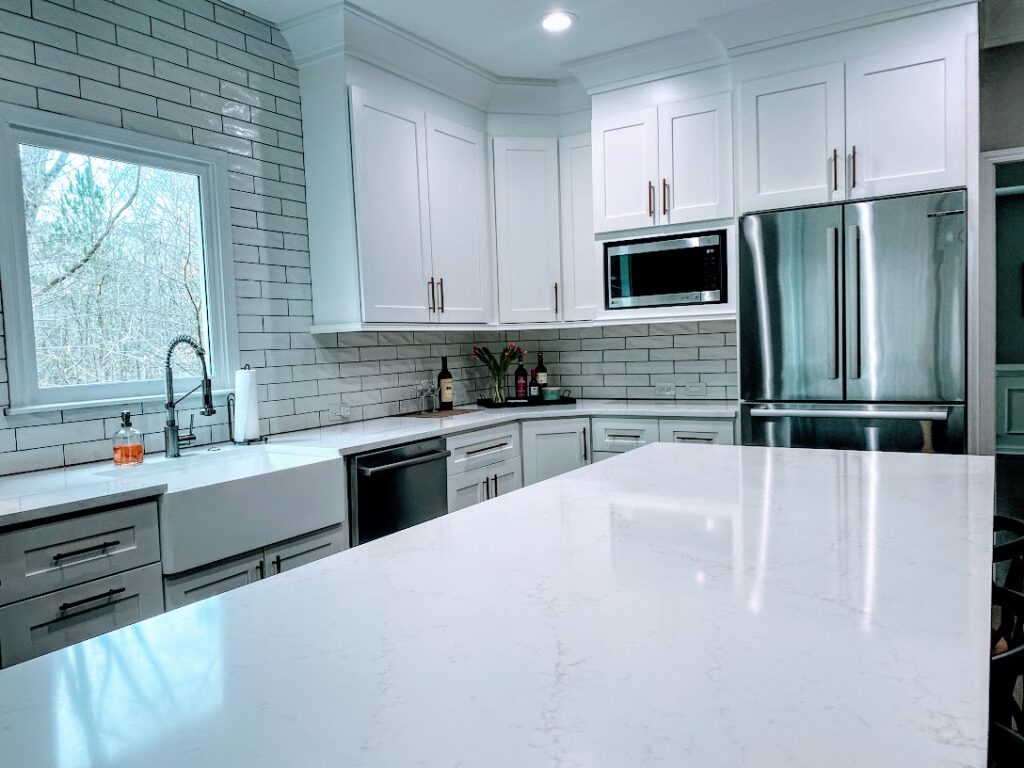
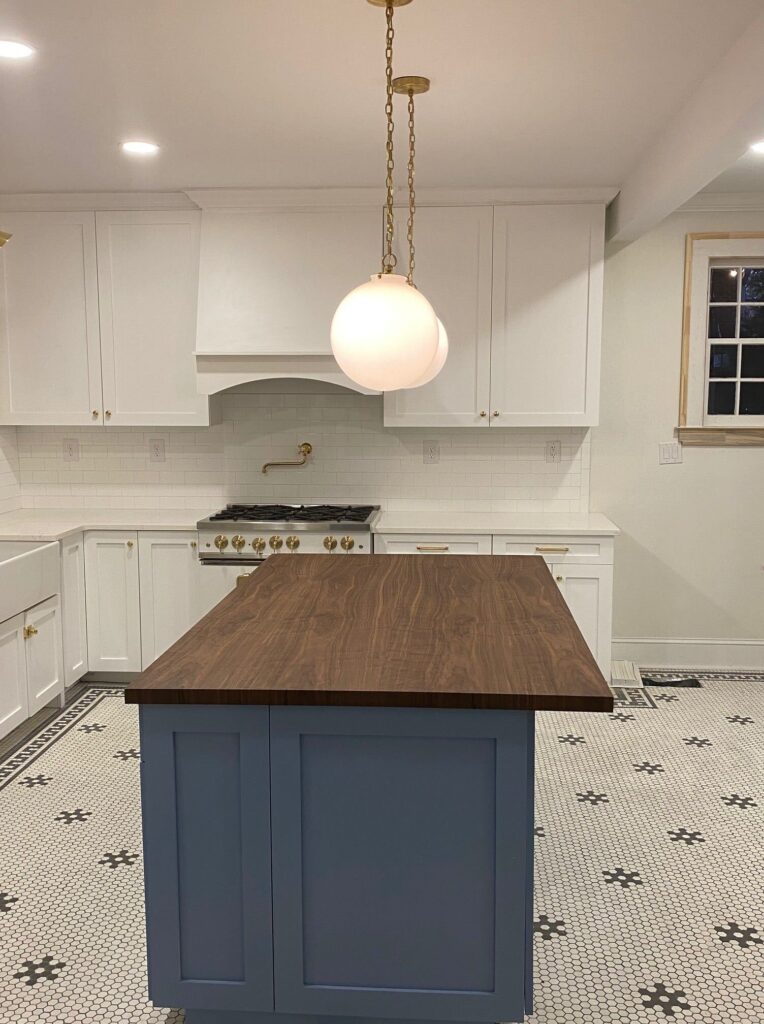
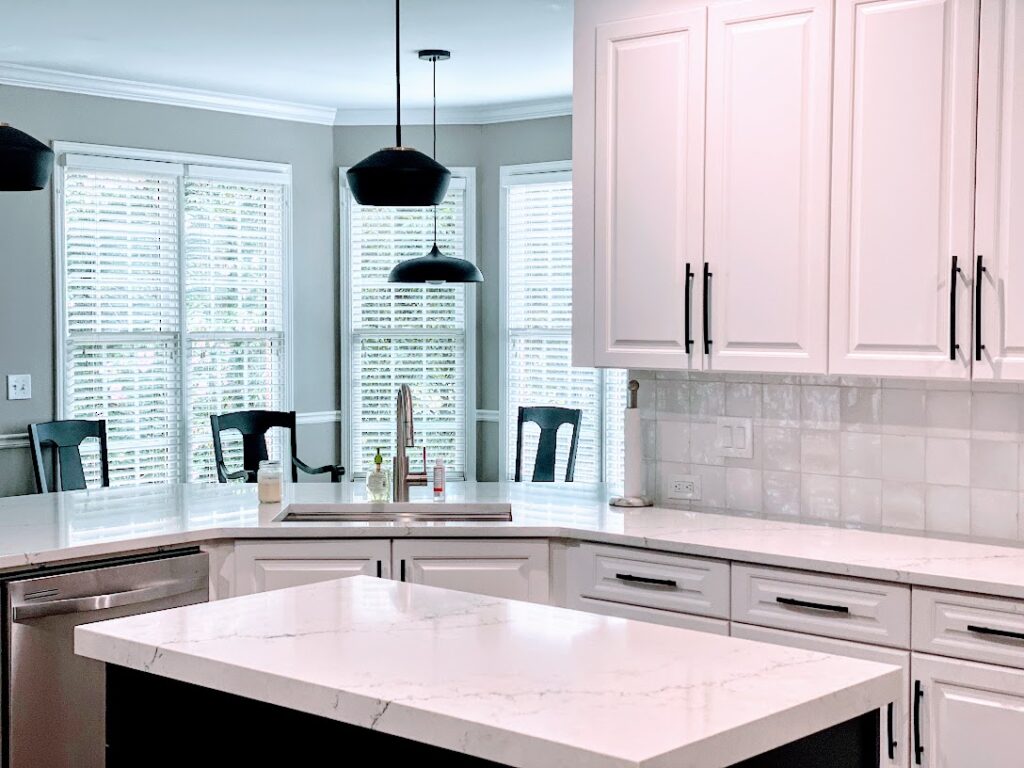
You’re probably aware that countertops are more than just a functional element in your home; they’re a key factor in determining its resale value. When potential buyers enter a kitchen or bathroom, countertops often draw the eye first, setting the tone for the entire space. Upgrading to materials like granite or quartz can raise your property’s appeal, but have you considered how different materials might sway buyer perceptions? Understanding the nuances of countertop choices could be critical in justifying your asking price. So, what exactly makes one countertop material more enticing than another?


How Countertops Affect Home Resale Value


When it comes to selling a home, countertops can play a significant role in influencing potential buyers’ perceptions and, ultimately, the resale value. Research from the National Association of Realtors’ 2022 Remodeling Impact Report indicates that kitchen upgrades, including countertop installations, often recover a significant portion of their cost at resale. Kitchen renovations can recover up to 67% of their investment during resale​. 

You mightn’t realize it, but countertops are one of the first things buyers notice when they walk into a kitchen or bathroom. They set the tone for the space, and if they’re outdated or damaged, it could leave a negative impression.

On the flip side, well-maintained, attractive countertops can enhance a home’s appeal, making it seem more modern and inviting.

As a seller, you need to understand that buyers often equate quality countertops with a well-cared-for home. They’re looking for durability and style that promise easy maintenance and longevity. A home with high-quality countertops signals to potential buyers that the property has been cared for and upgraded in meaningful ways. This perception can significantly impact their willingness to pay a higher price.

Moreover, countertops can influence the perceived value of the entire kitchen or bathroom. Even if the rest of the room is in great shape, outdated countertops can make the space feel less appealing.

Research supports this idea, showing that materials like quartz and granite are highly favored by buyers for their durability and low maintenance. In today’s competitive real estate market, buyers tend to be aware of these materials’ benefits and are often willing to pay a premium for homes featuring them​


Best Countertop Materials for Maximizing Resale


Choosing the right countertop material can significantly boost your home’s resale value. When you’re in the market to upgrade your kitchen or bathroom, consider materials that appeal to a broad range of buyers.

Quartz is a top contender due to its durability and low maintenance. It’s an engineered stone that mimics the look of natural stone but resists stains and scratches, making it a practical yet stylish choice.

Marble countertops can also attract potential buyers, especially in luxury markets. Their classic beauty and uniqueness add a touch of elegance to any home, although they require more care to maintain their pristine appearance. If you’re willing to put in a bit of extra effort, marble can offer a great return on investment.

Choose the material that aligns best with your home’s style and your target buyer’s preferences.


Granite Countertops and Resale Value


Granite countertops bring a timeless appeal that often translates into increased resale value for your home. When potential buyers walk into your kitchen or bathroom, the natural beauty and durability of granite can make a strong impression.

Granite’s unique patterns and colors can complement a variety of design styles, making it a versatile choice. Buyers appreciate the fact that granite is a long-lasting material, which means they won’t have to invest in new countertops anytime soon.

You should know that installing granite countertops can give your home a competitive edge in the real estate market. Homes with granite countertops often stand out in listings, attracting more interest and potentially higher offers.

When buyers see granite, they associate it with quality and luxury, which can justify a higher asking price.

Keep in mind that while granite is a premium material, it requires proper installation and maintenance. Ensuring the countertops are sealed and in good condition will help you maximize their resale value.


Quartz Countertops: Do They Increase Home Value?


While granite countertops have long been a favorite for homeowners looking to boost resale value, quartz surfaces are gaining popularity for their own impressive benefits. If you’re considering upgrading your countertops, quartz might just be your best option.

Quartz countertops offer durability and a non-porous surface that resists stains, which is a huge selling point for potential buyers who prioritize low maintenance.

When it comes to aesthetics, quartz provides a wide range of colors and patterns, allowing you to match any kitchen or bathroom style. This versatility can appeal to a broader range of buyers, potentially increasing your home’s resale value.

Unlike natural stone, quartz doesn’t require sealing, making it easier to maintain over time, which buyers often appreciate.

In the competitive housing market, having quartz countertops can set your home apart from others. Buyers are increasingly aware of the benefits of quartz and may be willing to pay a premium for homes featuring this material.

By choosing quartz countertops, you’re not only enhancing the look and feel of your home but also potentially boosting its market appeal and value.


Marble Countertops: Impact on Luxury Home Sales


Marble countertops have long been synonymous with luxury and elegance, making them a prime choice for upscale homes. When you’re selling a luxury property, potential buyers expect high-quality finishes, and marble fits the bill perfectly.

It’s not just about aesthetics; marble countertops can significantly influence a buyer’s perception of your home’s value. They bring a timeless appeal that’s hard to replicate with other materials.

In the competitive realm of luxury real estate, every detail counts. Marble’s unique veining and rich texture can make your kitchen or bathroom stand out, creating a lasting impression.


Buyers often associate marble with sophistication and exclusivity, which can enhance their willingness to pay a premium for your home. The luxurious feel of marble can also act as a focal point in your interior design, potentially making your property more memorable and desirable.

However, it’s essential to maintain them well, as marble is susceptible to stains and scratches. Properly cared-for marble countertops can be a game-changer in closing a sale.


How to Choose Countertops for Resale Value


Selecting the right countertops can significantly impact your home’s resale value. When choosing countertops, focus on materials that are both popular and durable. Granite and quartz are excellent choices because they’re not only attractive but also scratch and heat-resistant. Buyers often appreciate these features, which can make your home more appealing.

Consider the overall style of your home. If you have a modern design, sleek quartz or polished granite might be your best bet. For more traditional homes, you might look at natural stones with subtle patterns.

It’s essential to match the countertops to the home’s aesthetic to create a cohesive look that potential buyers will love.

Don’t forget about maintenance. Opt for materials that are low maintenance and easy to clean. Quartz, for example, doesn’t require sealing and is resistant to stains, which is a huge plus for busy homeowners.


Kitchen Countertops: Resale Value Considerations


When you’re considering kitchen countertops, they often play a significant role in determining a home’s resale value. It’s essential to choose materials that not only appeal to potential buyers but also stand the test of time.

Granite and quartz are popular choices because they offer durability and a modern look that many homebuyers desire. Their resistance to scratches and heat makes them practical, while their aesthetic appeal adds to the kitchen’s overall value.

You’re also wise to consider the overall design and color scheme of your kitchen. Neutral tones like whites, grays, and beiges tend to attract a broader range of buyers, as they can easily fit into any design style.

Additionally, ensuring the countertops complement other kitchen elements, such as cabinets and flooring, can create a cohesive look that boosts value.

While high-end materials like marble can add luxury, they mightn’t always yield the best return on investment due to their maintenance needs.

Focus on balancing cost with potential resale value. You should always keep in mind the preferences of the target market in your area.


Bathroom Countertops and Home Value


In terms of boosting your home’s resale value, bathroom countertops are an important consideration. Potential buyers often look at bathrooms as key areas that reflect the overall quality of a home. Upgrading your bathroom countertops can make a significant difference in how buyers perceive your property.

Opt for materials like quartz or granite, which are both durable and visually appealing. These materials not only withstand the wear and tear of daily use but also give your bathroom a luxurious feel that buyers love.

Consider the style and color that complements your bathroom’s existing décor. Neutral tones generally work best, as they offer a clean, timeless look that appeals to a broad range of tastes. Avoid overly trendy patterns that mightn’t age well or appeal to future buyers.

Keep in mind that the size of your bathroom also plays a role in your countertop selection. In smaller spaces, lighter colors can make the area feel more open and inviting.

Don’t forget about the finishing touches, like modern faucets or updated sinks, which can enhance the overall appeal. By investing wisely in your bathroom countertops, you’ll likely see a good return when it comes time to sell.


Outdoor Kitchen Countertops and Resale


Outdoor kitchen countertops can significantly impact your home’s resale value, especially if you choose the right materials. When you invest in quality materials like granite, quartz, or stainless steel, you not only enhance the aesthetic appeal but also ensure durability against outdoor elements.

Prospective buyers appreciate a well-designed outdoor kitchen and the right countertops can serve as a major selling point.

Consider the climate in your area when selecting materials. If you live in a region with extreme weather conditions, opt for countertops that can withstand temperature fluctuations and heavy rainfall. Granite and concrete are excellent choices for durability and maintenance. Their resistance to heat and scratches makes them ideal for outdoor use, ensuring your investment pays off when it’s time to sell.

Additionally, think about the overall design and functionality of your outdoor kitchen. Buyers are drawn to spaces that offer both style and practicality.

A seamless integration of countertops with other outdoor features like grills, sinks, and seating areas creates a cohesive look that enhances your property’s appeal. By thoughtfully choosing your outdoor kitchen countertops, you’re setting the stage for a higher resale value and a more enticing home for future buyers.


Custom Countertops: Do They Boost Home Value?


Custom countertops can indeed boost your home’s value, especially when they align with current design trends and buyer preferences. When you invest in customized countertops, you’re not just adding a personal touch; you’re potentially increasing the appeal of your home to future buyers. The key is to choose materials and designs that are both stylish and functional.


Consider the layout and style of your home. If your kitchen or bathroom has a modern design, selecting sleek, minimalist custom countertops can enhance that look. For a more traditional home, opting for custom countertops with warm, natural tones might resonate better with buyers.


It’s crucial to keep in mind the overall aesthetic and choose materials that complement your existing decor. Custom countertops can also be tailored to fit unique spaces, maximizing both utility and attractiveness.


Potential buyers often appreciate this attention to detail, which can make your home stand out in a crowded market. While customization comes at a cost, the return on investment can be significant if it enhances the buyer’s perceived value.


Ultimately, well-chosen custom countertops can be a smart and profitable upgrade to your home.


Countertop Durability and Buyer Perception


When considering countertops for your home, durability often ranks high on the list of priorities. After all, you want a surface that can withstand daily wear and tear while still looking great. Durable countertops like granite and quartz not only endure the test of time but also appeal to potential buyers. They signal quality and longevity, reassuring buyers that they won’t have to replace them anytime soon.

Buyers often perceive durable countertops as a symbol of a well-maintained home. When they see materials that resist scratches, stains, and heat, they’re more likely to feel confident about making an offer. They appreciate knowing they won’t face immediate repair or replacement costs. This perception can significantly impact their decision-making process, as they equate durable countertops with reduced maintenance headaches.

Moreover, when you invest in durable materials, you’re not just enhancing your daily living experience; you’re also boosting your home’s resale value. Buyers are willing to pay a premium for homes with high-quality, long-lasting features.


Frequently Asked Questions

How Do Eco-Friendly Countertops Impact Home Resale Value?


You should consider installing eco-friendly countertops, as they appeal to environmentally conscious buyers and can enhance your home’s marketability. They demonstrate sustainability, potentially increasing buyer interest and boosting resale value, especially in green-minded communities.


Are There Specific Countertop Colors That Attract Buyers?


When choosing countertop colors, you’ll want to opt for neutral shades like whites, grays, and beiges. These colors appeal to a broader audience, creating a versatile backdrop that helps buyers envision their own style in the space.


What Countertop Styles Are Trending in the Current Real Estate Market?


You’re seeing a trend towards sleek, minimalist countertop styles. Buyers love quartz with subtle patterns, waterfall edges, and integrated sinks. These styles create a modern, seamless look that appeals to contemporary tastes in the current real estate market.


Do Countertop Installation Costs Affect Overall Home Resale Value?


You’re wondering if countertop installation costs influence home resale value. They do. While higher upfront costs might seem daunting, quality countertops enhance appeal and durability, often resulting in a higher selling price that offsets initial expenses.


How Important Are Countertop Finishes in Influencing Buyer Decisions?


Countertop finishes play a crucial role in grabbing buyers’ attention and influencing their decisions. They enhance the aesthetic appeal and can make your space more inviting, so don’t underestimate their power when considering updates for potential resale.


Conclusion


When you’re looking to boost your home’s resale value, don’t underestimate the impact of upgrading your countertops. Opting for high-quality materials like granite or quartz can make your kitchen and bathroom stand out, attracting potential buyers with their appeal and durability. Well-maintained countertops signal that you’ve invested care and attention into your home, justifying a higher asking price. Ultimately, choosing the right countertops can significantly enhance buyer interest and increase your property’s marketability.


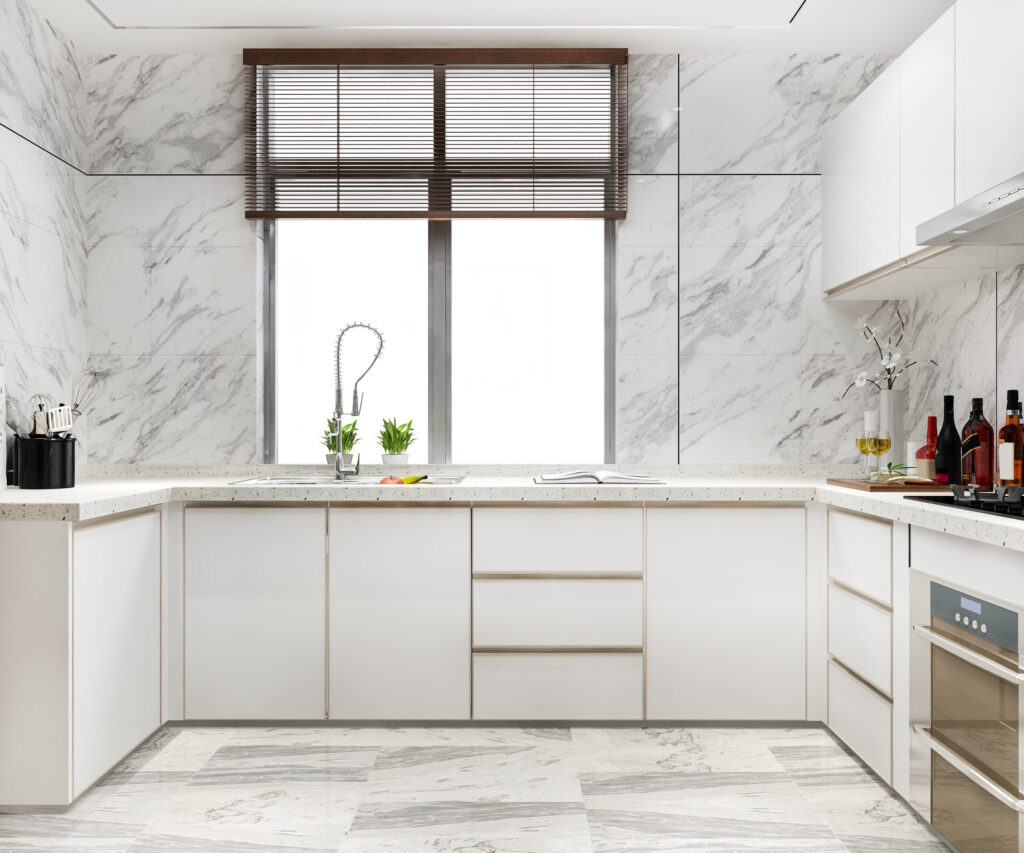

Best Heat-Resistant Countertop Options

Best Heat-Resistant Countertop Options

When you’re exploring the best heat-resistant countertop options, you might find yourself weighing the benefits of granite, soapstone, quartz, and marble. Each material brings its strengths to the table, with granite and soapstone leading the pack in heat resistance. While quartz offers a sleek look, it requires some care against direct heat. Marble, although elegant, demands a bit more caution. Your choice ultimately hinges on your cooking habits and aesthetic goals. But before you make a decision, consider what might happen when practicality meets design in your kitchen or outdoor space. What should you prioritize?

Best Heat-Resistant Countertop Materials

When you’re choosing countertops that can withstand high temperatures, you’ll find several excellent materials to consider.

Soapstone is an outstanding choice. It’s a natural stone that doesn’t just resist heat but also absorbs it, making it a fantastic option for kitchens where hot pans are frequently placed on surfaces. You won’t need to worry about it cracking or scorching.

Quartz is another popular candidate. Although it’s engineered stone, quartz countertops are known for their durability and heat resistance. However, be aware that while quartz is heat-tolerant, it’s not entirely heat-proof. You should still use trivets or pads to protect the surface from direct, intense heat to maintain its pristine look.

Then there’s marble, a classic beauty in any kitchen. While marble is elegant and heat-resistant to some extent, it requires a bit more caution. Prolonged exposure to high temperatures can damage it, so it’s best to use coasters or trivets.

These materials give you a range of options, each with its strengths.

Consider your cooking habits and maintenance preferences when deciding which material suits your kitchen best. That way, you’ll ensure your countertops remain both functional and beautiful.

Granite: Heat-Resistant Properties

Granite, a monumental stone, stands out for its impressive heat-resistant properties. When you’re considering a countertop that can withstand high temperatures, granite should be on your radar. This natural stone doesn’t just add aesthetic appeal; it also offers practical benefits.

If you accidentally place a hot pan or pot directly on your granite countertop, you don’t have to panic. Granite can handle the heat without suffering damage like scorch marks or cracks.

In your kitchen, where heat is a constant factor, a granite countertop becomes a reliable ally. Its dense composition allows it to absorb and distribute heat efficiently, protecting the surface from thermal shock. You’ll appreciate that granite’s resistance to heat doesn’t just safeguard the stone itself but also contributes to maintaining its stunning visual appeal over time.

However, while granite is robust against heat, it’s wise to use trivets or hot pads regularly. This practice helps preserve the sealant that protects the stone from stains and spills.

Granite also complements other heat-resistant materials, creating a cohesive and functional kitchen environment. When you choose granite, you’re investing in a countertop that balances beauty with resilience.

Soapstone: A Natural Heat-Resistant Choice

Soapstone, an often underrated material, is a natural heat-resistant choice for countertops. When you’re looking for a surface that can handle hot pots and pans without breaking a sweat, soapstone is a solid contender. This natural stone boasts incredible heat tolerance, allowing you to place hot cookware directly on its surface without fear of damage.

Unlike some other countertop materials, soapstone doesn’t require a protective trivet or pad, making it incredibly convenient for busy kitchens.

One of soapstone’s standout features is its ability to absorb, retain, and evenly distribute heat. This makes it ideal not just for kitchen countertops, but also for fireplaces and wood stoves. It maintains a cool surface despite absorbing heat, so accidental burns are less of a concern.

Plus, soapstone is non-porous, which means it won’t stain easily. You’ll also appreciate that it doesn’t require sealing, simplifying your maintenance routine.

With its soft, smooth texture and beautiful, natural coloration ranging from light gray to deep charcoal, soapstone adds a unique aesthetic to your space. It develops a lovely patina over time, enhancing its character.

If you want durability with a touch of elegance, soapstone is worth considering.

Quartz: Heat Tolerance and Limitations

Quartz countertops offer a blend of beauty and practicality, but they come with their own set of heat-related considerations.

While quartz is engineered to be durable, it’s essential to understand that it’s not entirely heat-proof. Quartz countertops are made from a combination of natural quartz and resins, which give them their beautiful appearance and strength. However, the resins can be sensitive to high temperatures.

When you place a hot pot or pan directly on the surface, the intense heat can cause discoloration or even cracking. It’s best to use trivets or heat pads to protect your quartz countertops from damage. In general, quartz can handle temperatures up to around 150°F (65°C), but exposure to anything hotter can lead to problems.

Another point to consider is that while quartz is resistant to staining and scratching, it’s not as heat-resistant as some natural stones.

That doesn’t mean you should shy away from quartz, though. Its ease of maintenance and aesthetic appeal make it a popular choice for many kitchens. Just remember to take a few simple precautions, and your quartz countertops will maintain their elegance for years.

Marble Countertops: Can They Handle Heat?

Marble countertops exude timeless elegance and sophistication, but when it comes to heat resistance, they’ve their limitations. You might be drawn to marble for its luxurious appearance, but it’s important to know how it reacts to heat.

Marble can handle some heat, but it’s not as forgiving as other materials like granite or quartz. Direct contact with hot pots and pans can cause damage. The heat mightn’t instantly crack the marble, but it can lead to discoloration or dull spots known as thermal shock.

When you place a hot item on a marble countertop, the heat causes the surface to expand. If this heat exposure is sudden or intense, it can stress the marble and create irreversible damage.

To avoid these issues, always use trivets or heat pads under hot cookware. This small step can save you from costly repairs or the need for resurfacing.

Installing Heat-Resistant Countertops

When installing heat-resistant countertops, the process involves careful planning and precise execution to ensure functionality and longevity. Start by measuring your kitchen or workspace to determine the exact dimensions needed. Accurate measurements prevent costly mistakes and ensure a seamless fit.

Choose a reputable installer who’s experienced with the specific material you’ve selected, whether it’s granite, soapstone, quartz, or another heat-resistant option.

Before installation, clear the area of any obstacles and remove old countertops if necessary. Ensure that your cabinets are level and sturdy, as uneven surfaces can lead to improper fitting and long-term issues.

During installation, observe the placement of seams and edges. Proper alignment not only enhances the appearance but also helps in maintaining structural integrity.

It’s crucial to use the right adhesive and support brackets according to the manufacturer’s guidelines. This guarantees that your countertops remain secure and stable under various conditions.

Once installed, inspect the countertops for any chips or imperfections that might’ve occurred during the process. Addressing these immediately will ensure your countertops look and perform their best over time.

Following these steps, you’ll enjoy beautiful, heat-resistant countertops that stand the test of time.

Sealing Heat-Resistant Countertops

Proper sealing is essential for maintaining the durability and appearance of heat-resistant countertops. Even though materials like granite and soapstone are naturally heat-resistant, sealing them enhances their longevity and protects against stains and moisture. You should seal these surfaces regularly, typically every 1 to 3 years, depending on the specific countertop material and manufacturer recommendations.

To seal your countertops, start by cleaning the surface thoroughly with a gentle, non-abrasive cleaner. Ensure it’s completely dry before applying the sealant. Choose a high-quality sealant suited for your specific countertop material. Using a clean cloth or applicator, evenly apply a thin layer of sealant and let it sit for the recommended time. Once it has been absorbed, wipe off any excess with a soft cloth.

Sealing doesn’t just keep your countertops looking pristine; it also prevents heat-induced discoloration and damage. This extra layer of protection can help maintain the investment you’ve made in your kitchen or bathroom.

Best Heat-Resistant Countertops for BBQ Areas

Maintaining your indoor countertops is important, but if you’re setting up a BBQ area, choosing the right heat-resistant material becomes critical. You don’t want to ruin your outdoor cooking experience with surfaces that can’t handle the heat.

Granite is a top contender, known for its ability to withstand high temperatures without cracking or discoloring. Its natural beauty and durability make it a popular choice, ensuring your BBQ area looks great and functions well.

Soapstone is another excellent option. It can handle heat like a champ and even withstand direct contact with hot pots and pans. Its rustic appearance adds charm to any BBQ setup, and you’ll appreciate its low maintenance.

Quartz, while beautiful, has some limitations in extreme heat. If you love the look, ensure you use trivets or heat pads to prevent damage. It’s a great choice for BBQ areas where aesthetics are a priority, but caution is required.

Lastly, consider concrete for a customizable and durable option. It’s highly heat-resistant and can be tailored to your desired style.

Whatever material you choose, ensure it aligns with your BBQ area’s functionality and design vision, so you enjoy worry-free outdoor cooking.

Outdoor Kitchens: Heat-Resistant Countertops

Outdoor kitchens’ countertops need to withstand both the elements and the high temperatures from cooking activities. When you’re choosing materials, consider options that can handle the sun, rain, and heat from grills or ovens.

Granite is a top contender due to its durability and heat resistance. It won’t fade in the sun, making it an excellent choice for outdoor settings.

Soapstone is another option; it’s naturally heat-resistant and can endure the weather without sealing. Plus, its rustic look can add charm to your outdoor space.

You might also consider quartz, though it requires caution. While it’s durable, direct sunlight and extreme heat can cause damage if not carefully managed. Opt for a shaded area or a protective cover if you select quartz.

Marble, while elegant, isn’t the best choice for outdoor kitchens due to its susceptibility to heat and weather conditions.

When installing, ensure the countertops are properly sealed where needed to maximize their lifespan. Regular maintenance is key to keeping them looking great and performing well.

Heat Resistance vs. Scratch Resistance

Balancing the need for heat resistance and scratch resistance in countertops can be challenging, but it’s crucial for a functional kitchen.

When you’re choosing a countertop, consider how you use your kitchen daily. Heat-resistant materials like granite and soapstone let you place hot pots without worrying about burns, but they mightn’t be as scratch-resistant as other options.

Marble, for instance, handles heat well, but it’s prone to scratching and staining if you’re not careful.

On the other hand, quartz offers decent scratch resistance thanks to its engineered surface, but its heat tolerance isn’t as high as natural stones. You’ll need to use trivets or hot pads to prevent damage.

Granite strikes a good balance, being both heat and scratch-resistant, though it requires regular sealing to maintain its durability.

Think about your cooking habits. Do you frequently set hot items directly on the counter? Or do you often chop without a cutting board? Your answers will guide you to the right material.

Ultimately, no countertop is completely impervious to damage, so take preventive measures to extend its life. Weigh your priorities, and you’ll find the perfect balance for your kitchen.

Frequently Asked Questions

Can Heat-Resistant Countertops Be Used in Indoor Fireplaces?

You can use heat-resistant countertops in indoor fireplaces, but ensure the material withstands high temperatures. Consider granite or soapstone, as they’re durable. Always consult a professional to verify their suitability for your specific fireplace design and installation.

What Is the Cost Comparison Between Heat-Resistant and Regular Countertops?

When you compare costs, heat-resistant countertops generally run higher than regular ones. You’ll pay extra for materials like granite or quartz, but they offer durability and longevity. Weigh your budget against potential damage from heat exposure.

How Does Heat Resistance Affect Countertop Color Options?

When you’re choosing heat-resistant countertops, you’ll find that color options vary with materials. Granite and quartz offer diverse colors, while soapstone is more limited. Heat resistance doesn’t heavily restrict color, but material choice might.

Are There Eco-Friendly Heat-Resistant Countertop Materials?

You can choose eco-friendly heat-resistant countertops like recycled glass or concrete. They not only withstand heat but also reduce environmental impact. These materials offer durability and style, making them a great sustainable choice for your kitchen.

Do Heat-Resistant Countertops Require Special Cleaning Products?

You’re wondering if heat-resistant countertops need special cleaning products. Generally, they don’t. Use mild soap and water. Avoid harsh chemicals or abrasive cleaners to maintain their surface. Regular care preserves their heat-resistant qualities and appearance.

Conclusion

When choosing heat-resistant countertops, consider your cooking habits and aesthetic preferences. Granite and soapstone offer excellent durability and heat resistance, with granite being versatile and soapstone non-porous and hassle-free. Quartz is a stylish choice but needs protection from direct heat, while marble adds elegance but requires careful handling. For outdoor kitchens and BBQ areas, prioritize materials that withstand high temperatures. Ultimately, select the countertop that balances functionality and style for your specific needs.

Countertops for Outdoor Kitchens

Countertops for Outdoor Kitchens

An outdoor kitchen puts a countertop through everything it never sees indoors: direct sun, driving rain, freezing nights, pollen, and the blast of heat off a grill. Not every surface can take it. A material that looks flawless in your indoor kitchen may fade, crack, or stain within a season when it’s exposed to the elements. Here is how the real contenders hold up, and which one fits the way you cook and entertain.

What Outdoor Cooking Demands of a Surface

Before comparing materials, it helps to know what an exterior top is actually up against. Outdoor kitchens sit fully exposed to the elements, so conditions are harsher and less predictable than anything a work surface inside faces.

A weather-exposed slab has to manage several things at once:

  • Constant sunlight that can wash out color over the years
  • Freeze-and-thaw cycles that stress porous materials
  • Standing rain, humidity, and sudden temperature swings
  • Radiant heat from grills, burners, and pizza ovens
  • Pollen, leaves, and grease that stain if left too long

Around Georgia, heat and strong sun are the two factors homeowners underestimate most. A surface that answers both is the one worth building your space around.

Porcelain: The Standout Outdoor Performer

Porcelain has quietly become the material many fabricators reach for first, and for good reason. It is a sintered surface, made by firing natural clays and minerals at extremely high temperatures until they fuse into a dense panel. That process, not quarrying, is what gives it such a rugged profile.

Large-format porcelain surfaces are some of the most weather-ready options on the market. Here is what makes them excel:

  • Sun-stable, so patterns and tone resist UV fading
  • Non-porous, needing no sealer to repel water
  • Highly heat-tolerant, shrugging off grill spatter
  • Handles freezing and thawing without cracking
  • Comes in big slabs that keep seams to a minimum

You can see the range on our porcelain surface page, including looks that mimic marble, concrete, or raw rock without the upkeep those would demand outside.

Granite: The Rugged Natural Classic

For a natural pick, granite is tough to beat outdoors. Its mineral makeup is naturally UV-stable and genuinely heat-resistant near a burner, which is why homeowners have trusted it on exterior surfaces for decades.

Why this stone earns its place in a cookout zone:

  • Holds color under strong light, unlike resin-based tops
  • Takes direct grill heat far better than engineered options
  • Dense and hard, resisting chips and everyday scratches
  • Every slab differs, adding one-off character to a patio
  • Widely stocked in tones that suit decks and pergolas

One honest caveat: the stone is slightly porous, so it wants periodic sealing to keep moisture out, though very dark varieties need it less often. Browse the granite countertop page if that look appeals to you.

Quartzite and Soapstone for Exterior Use

Two more natural stones deserve a spot here, since both handle the elements well.

Quartzite is a metamorphic rock, harder than most stones and just as resistant to the sun. It shrugs off scratches and daylight without complaint, though it benefits from an occasional reseal. Soapstone takes a different route: naturally non-porous, it never needs a sealer, tolerates heat, and simply deepens into a rich patina over time.

A quick look at how these two behave outside:

  • Quartzite offers striking, dramatic veining and real hardness
  • Prolonged daylight will not dull a quartzite slab
  • Soapstone resists staining without any protective coating
  • Acidic drinks and marinades rarely etch soapstone
  • Both suit a natural, earthy patio aesthetic

Either is a solid choice; you can compare our quartzite slab options against soapstone to see which suits your build.

Where Quartz Fits, and Where It Does Not

This is where a lot of homeowners get tripped up. Engineered quartz is a fantastic indoor surface, but it is a different animal outside. Because it is roughly 90 to 95 percent ground quartz bound with polymer resins, those resins react poorly to sustained sun exposure.

Standard quartz can fade or turn yellow in direct sunlight, and most makers specifically exclude open-air installations from coverage. A few points to keep in mind:

  • Only UV-rated, outdoor-specific quartz lines belong in full sun
  • Beneath a fully covered, shaded patio, regular quartz can work
  • Always confirm the manufacturer’s warranty before you commit

If your cooking zone sits under a solid roof, quartz stays viable; if it bakes in afternoon light, natural stone will serve you far better.

Concrete, Tile, and Budget-Friendly Choices

Not every project calls for a premium slab, and a few wallet-friendly routes hold up reasonably well.

Options that stretch a budget without falling apart:

  • Cast concrete, endlessly customizable but needing a good sealer
  • Frost-rated tile paired with a quality, weatherproof grout
  • Remnant stone pieces left over from larger fabrication jobs
  • Poured finishes that can mimic pricier materials at less cost

Concrete can develop hairline cracks over time, and tile relies on solid grout work, yet both offer a tough work surface at a lower price than premium stone.

Material Comparison for Outdoor Use

Every surface trades one thing for another. This chart summarizes how the main choices behave once they’re outside, though results still vary depending on the specific slab and the amount of daylight the spot gets.

Material

Sun Resistance

Heat Tolerance

Sealing

Best For

Porcelain

Excellent

Excellent

None needed

Fully exposed, low-upkeep builds

Granite

Very good

Excellent

Periodic

Rugged, natural, heat-heavy zones

Quartzite

Excellent

Very good

Periodic

Bold veining with real hardness

Soapstone

Excellent

Very good

None needed

Earthy patios, zero-sealer upkeep

Standard quartz

Poor in the sun

Fair

None needed

Covered, shaded spaces only

Sun, Weather, and the Georgia Climate

Our regional climate shapes the smart choice more than any trend does. Long, humid summers and strong afternoon light are hard on color-sensitive tops, while the occasional hard freeze tests anything porous.

Keep these local realities in mind:

  • Intense summer rays reward genuinely sun-stable materials
  • Humidity makes non-porous surfaces easier to keep clean
  • A rare deep freeze can crack unsealed, waterlogged slabs
  • Afternoon shade or a pergola extends the life of any top

Homeowners across our Metro Atlanta service area get the best results by matching outdoor kitchen countertops to the level of exposure the space really has

Caring for an Exterior Surface

Even the toughest slab lasts longer with a little routine attention. Outdoor care is simpler than most people expect, but it does differ from indoor habits.

A few practical pointers:

  • Rinse pollen, grease, and debris with mild soap and water
  • Reseal porous stone such as quartzite on schedule
  • Use a cover or built-in shading during peak sun months
  • Wipe acidic spills promptly to protect softer materials
  • Skip harsh, abrasive cleaners that can dull a finish

Marble, worth a brief mention, is the classic surface we usually steer people away from; it is porous, etches quickly, and fares poorly in direct sun without diligent upkeep.

Frequently Asked Questions

What is the best countertop material for an outdoor kitchen?

Sintered porcelain panels are widely regarded as the top all-around performer, since they remain color-stable, resist heat, repel water without a sealer, and handle hard freezes with almost no upkeep. Granite runs a very close second, offering natural character and superb heat resistance, though it needs resealing now and then. Quartzite and soapstone also excel outdoors. The right pick depends on how exposed your space is, your tolerance for maintenance, and the look you want, so weigh sunlight and upkeep against aesthetics.

What is the cheapest option for outdoor countertops?

Weatherproof, frost-safe tile and cast concrete are generally the most budget-friendly routes, both costing less than premium slabs while still handling daily use. Tile with quality grout resists cracking, while sealed concrete allows custom shapes and finishes. Among natural stone options, quarried slabs are often the most accessible starting point thanks to their wide availability. Remnant pieces left from larger jobs can also lower the price on a compact build. Because cost shifts with material and size, a project-specific quote gives the clearest picture.

What is the best surface for an outdoor kitchen?

It comes down to how much sun and heat the spot gets. For a fully exposed build, a sintered panel and granite lead the way because both remain stable under relentless daylight and radiant grill heat. Quartzite adds dramatic veining with similar toughness, and soapstone brings non-porous, zero-sealer convenience. Standard engineered quartz suits covered, shaded areas best. Matching the material to real-world exposure, rather than chasing a single winner, is what keeps an installation looking sharp for years.

Is granite or quartz better for outdoors?

For most exposed builds, granite is the stronger choice. Its mineral composition remains stable in sunlight and resists heat, so it holds its tone and shrugs off hot cookware beside a grill. Standard quartz, by contrast, leans on polymer resins that can discolor or yellow in direct light, and most warranties exclude exterior use. The engineered option only rivals natural stone when it is a specialized UV-rated line or lives under full cover. In open sun, the quarried stone wins comfortably.

Ready to Build Your Outdoor Kitchen?

Planning a cookout space that can take Georgia weather year-round? Our team has fabricated durable exterior surfaces across the region for over two decades, and we will help you match the right slab to your patio and your budget. Browse finished builds in our outdoor project gallery, then reach out through our contact page for a free consultation and quote on your dream cookout space today.

Choosing the Ideal Countertop for High-Use Kitchens

Choosing the Ideal Countertop for High-Use Kitchens

The kitchen is often the busiest area of the home, serving as a gathering place for family and friends. Selecting the right countertop material is essential for balancing aesthetics with functionality, especially in high-traffic environments. This article highlights various countertop options, focusing on the benefits of quartz surfaces.


Why Quartz Stands Out

Quartz countertops have gained popularity due to their unique combination of durability and style. Here are several reasons why they are a favored choice:


      • Exceptional Durability: Composed of natural quartz crystals and resins, these surfaces are engineered to resist scratches, chips, and stains, making them ideal for busy kitchens.

      • Low Maintenance: Unlike natural stone options that require regular sealing, quartz countertops are easy to clean and maintain, needing only soap and water for everyday upkeep.

      • Hygienic Surface: The non-porous nature of quartz prevents the absorption of liquids and bacteria, ensuring a safe and sanitary environment for food preparation.

    • Design Versatility: Available in a vast array of colors and patterns, quartz can seamlessly fit into any kitchen aesthetic, from contemporary to classic.
     

    Durability Features of Quartz Countertops

    Quartz surfaces are designed to withstand the rigors of daily kitchen activities. Below are some of their standout durability features:

    Feature Description
    Scratch Resistance Quartz surfaces are highly resistant to scratches, allowing for cutting and chopping directly on the countertop without fear of damage.
    Heat Resistance While quartz can tolerate moderate heat, it is advisable to use trivets for hot pots and pans to prevent thermal shock.
    Stain Resistance The non-porous surface of quartz prevents stains from penetrating, making it easy to wipe away spills and messes.
    Impact Resistance Engineered for toughness, quartz minimizes the risk of chipping or cracking from heavy impacts, ensuring longevity.

    Top Countertop Materials for Busy Kitchens

    Let’s explore some of the best countertop options for high-traffic kitchens, focusing on durability, maintenance, and overall performance.

    1. Quartz: The Best Overall Choice for Busy Kitchens

    Why Choose Quartz? Quartz countertops are engineered from a mix of natural quartz crystals and resins, creating a highly durable, non-porous surface. They are resistant to stains, scratches, and heat, making them an excellent choice for busy kitchens. Quartz is also non-porous, meaning it won’t absorb liquids or harbor bacteria, making it a hygienic option for food preparation areas.

    Pros of Quartz:


        • Durable: Quartz is one of the hardest materials available for countertops, making it resistant to scratches and chips.

        • Low Maintenance: Quartz requires no sealing, polishing, or special care. A simple wipe-down with mild soap and water is enough.

        • Variety of Designs: Quartz comes in a wide range of colors, patterns, and finishes, including marble-look designs that offer the beauty of natural stone without the high maintenance.

        • Stain Resistant: Its non-porous surface ensures that spills from common kitchen items like wine, coffee, and oils won’t seep into the material.

      Cons of Quartz:


          • Heat Sensitivity: While quartz is heat-resistant to a degree, placing extremely hot pans directly on the surface can damage the resin. Always use trivets or heat pads.

          • Cost: Quartz is more expensive than materials like laminate or butcher block, typically ranging from $50 to $150 per square foot.

        2. Granite: A Classic Choice for Durability and Luxury

        Why Choose Granite? Granite is a natural stone known for its strength, durability, and unique veining patterns. Each granite slab is one-of-a-kind, making it an attractive option for homeowners looking for a luxurious, natural look. Granite is heat-resistant and can handle the occasional hot pan placed on the surface without damage.

        Pros of Granite:


            • Highly Durable: Granite is resistant to scratches, chips, and heat, making it ideal for heavy use in busy kitchens.

            • Unique Aesthetic: No two granite slabs are the same, offering a completely unique look for your kitchen.

            • Heat Resistance: Granite can withstand direct heat from hot pots and pans without being damaged.

          Cons of Granite:


              • Maintenance: Granite is porous, which means it requires regular sealing to prevent staining from liquids and food spills.

              • Cost: Granite is considered a premium material, and its price can vary based on the rarity and complexity of the stone.

            3. Solid Surface (Corian): Seamless and Easy to Repair

            Why Choose Solid Surface? Solid surface countertops, such as Corian, are made from a blend of acrylic and natural minerals. They offer a seamless appearance, which can be particularly useful for creating a smooth, integrated look with backsplashes and sinks. Solid surface countertops are also non-porous, making them resistant to stains and easy to clean.

            Pros of Solid Surface:


                • Seamless Appearance: Solid surface countertops can be seamlessly integrated with backsplashes, sinks, and even islands, making them perfect for a sleek, modern kitchen.

                • Easy to Repair: Scratches and minor damage can be sanded out easily, restoring the surface to like-new condition.

                • Low Maintenance: Solid surface countertops don’t require sealing and are resistant to stains and moisture.

              Cons of Solid Surface:


                  • Scratch and Heat Sensitivity: While durable, solid surface materials are more prone to scratches and can be damaged by heat. It’s essential to use cutting boards and trivets.

                  • Limited Durability Compared to Stone: Solid surface materials are not as tough as quartz or granite, making them less ideal for kitchens that see heavy

                4.Laminate: Budget-Friendly and Low Maintenance

                Why Choose Laminate? Modern laminate countertops have transformed from budget basics to stylish essentials. Crafted from bonded layers of paper or fabric and resin, they now boast an array of colors, patterns, and finishes. Some even mimic natural stone or wood at a fraction of the cost. Durable and versatile, laminate offers affordable luxury for any kitchen.

                Pros of Laminate:


                    • Affordable: Laminate is one of the most budget-friendly countertop options, making it accessible for homeowners looking to update their kitchen without breaking the bank.

                    • Variety of Designs: Laminate countertops come in a wide variety of patterns, colors, and textures, including options that mimic granite, quartz, or wood.

                    • Low Maintenance: Laminate is easy to clean with just soap and water, and it doesn’t require sealing or special care.

                  Cons of Laminate:


                      • Less Durable: Laminate is more prone to scratches, burns, and water damage compared to other materials. It’s not ideal for heavy-duty kitchen use.

                    • Limited Repair Options: Once laminate is damaged, it can be difficult to repair, and replacement may be the only option.
                     

                    What to Consider When Choosing a Kitchen Countertop

                    Before diving into the specific materials, it’s important to understand the key factors that should influence your decision when choosing a countertop for a busy kitchen:

                    1. Durability

                    Busy kitchens are prone to scratches, spills, heat exposure, and the occasional impact from heavy pots or utensils. Durability is one of the most critical factors to consider. You’ll want a countertop material that can resist scratches, chips, stains, and other common forms of damage, allowing it to look great and function well over the years.

                    2. Maintenance

                    With frequent cooking, cleaning, and food prep, low-maintenance countertops are a must for high-traffic kitchens. Some materials, like granite or marble, require regular sealing, while others, like quartz or solid surface, are virtually maintenance-free.

                    3. Heat and Stain Resistance

                    Heat resistance is crucial if you’re placing hot pans directly on the countertop, while stain resistance is important for kitchens that see a lot of food preparation. Materials like natural stone may be prone to staining, while non-porous surfaces like quartz and laminate can resist spills and splatters.

                    4. Aesthetic Appeal

                    While functionality is key, the appearance of your countertops can dramatically impact the overall look of your kitchen. Choose a material that complements your cabinetry, flooring, and backsplash, while reflecting your personal style.

                    5. Budget

                    Countertop materials come in a wide range of prices, from budget-friendly laminate to high-end natural stones. Consider both the upfront costs and long-term value when making your selection.


                    Choosing the Best Countertop for Your Kitchen

                    With so many options available, choosing the right countertop for your busy kitchen can seem overwhelming. Ultimately, the best choice depends on your priorities, whether that’s durability, aesthetics, ease of maintenance, or budget.

                    For durability and low maintenance, quartz and granite stand out as the top choices. Solid surface materials offer seamless designs and easy repairs, while butcher block adds warmth and are ideal for food prep. If you’re looking for a budget-friendly option, laminate can provide great value with a wide range of design options. Finally, for homeowners seeking a custom look, concrete offers a highly customizable and industrial-style option.

                    By considering your kitchen’s needs and your personal preferences, you can choose the countertop material that will serve you best, keeping your busy kitchen functional and beautiful for years to come.

                    Discover the Durability of Quartz Countertops

                    Discover the Durability of Quartz Countertops

                    Quartz countertops have become a popular choice for homeowners and designers alike, thanks to their blend of beauty and resilience. This article explores the characteristics of quartz surfaces, highlighting their advantages and disadvantages while comparing them to granite alternatives.


                    Exploring the Resilience of Quartz Surfaces

                    Crafted from approximately 90-95% crushed natural quartz crystals combined with resins and pigments, these countertops are engineered for longevity. Here are some key attributes that contribute to their impressive performance:

                      • Scratch Resistance: The robust nature of quartz makes it highly resistant to scratches, making it an excellent choice for busy kitchens where knives and utensils are frequently used.

                      • Chip Resistance: The manufacturing process creates a strong bond, significantly reducing the likelihood of chips and cracks compared to natural stones.

                      • Heat Tolerance: While quartz can handle temperatures up to 400°F, it is advisable to use trivets or hot pads to prevent potential discoloration or warping from extreme heat.

                    • Non-Porous Surface: Unlike granite, quartz does not absorb liquids, which helps prevent staining and makes it easier to maintain a hygienic surface.
                     

                    What Makes Quartz Countertops So Durable?

                    Quartz countertops are engineered surfaces made from 90-95% natural quartz crystals mixed with resin binders and pigments. This combination results in a product that is not only stunning in appearance but also incredibly durable. Let’s break down the key factors that contribute to the durability of quartz countertops:

                    1. Hardness and Scratch Resistance

                    Quartz is one of the hardest materials on the Mohs scale of mineral hardness, ranking just below diamonds. This means that quartz countertops are highly resistant to scratches, making them an excellent choice for kitchens and bathrooms, where sharp objects like knives, pots, and pans are commonly used.

                    Unlike softer materials like marble, quartz countertops can stand up to everyday wear and tear without showing signs of damage. While it’s always a good idea to use cutting boards to protect your surfaces, accidental knife slips or the occasional dropped utensil are less likely to leave permanent marks on quartz.

                    2. Non-Porous and Stain Resistant

                    One of the most significant advantages of quartz countertops is their non-porous nature. This means that, unlike natural stone surfaces such as granite or marble, quartz doesn’t have microscopic pores that can absorb liquids. As a result, quartz countertops are highly resistant to stains from common kitchen and bathroom substances like coffee, wine, oils, and cosmetics.

                    The non-porous quality of quartz also prevents bacteria, mold, and mildew from penetrating the surface, making it a hygienic choice for areas where food is prepared or personal care products are used.

                    3. Heat Resistance

                    While quartz is not completely impervious to heat, it is more heat-resistant than many other countertop materials. The resins used in quartz countertops can withstand temperatures up to about 150°F (65°C). However, it’s important to note that direct exposure to extremely high heat, such as placing a hot pan directly on the surface, can cause damage over time.

                    To maintain the integrity of your quartz countertops, always use trivets or heat-resistant pads when handling hot cookware or appliances in the kitchen. In bathrooms, avoid placing hot styling tools like hair straighteners or curling irons directly on the surface to prevent potential heat damage.

                    4. Impact Resistance

                    Quartz countertops are engineered to be highly resistant to chipping, cracking, and other forms of impact damage. While no countertop material is entirely immune to heavy impacts, quartz is less likely to suffer chips or cracks compared to natural stone materials. Its engineered composition provides flexibility and strength, making it ideal for busy households where accidents can happen.

                    This durability makes quartz a great choice for high-traffic areas, such as family kitchens or bathrooms, where countertop surfaces are frequently used and exposed to potential impacts from heavy items.

                    5. Low Maintenance and Longevity

                    Unlike natural stone countertops that require periodic sealing to maintain their integrity, quartz countertops are virtually maintenance-free. Their non-porous surface eliminates the need for sealing, polishing, or special treatments. A simple cleaning routine with mild soap and water is enough to keep your quartz countertops looking as good as new.

                    In terms of longevity, quartz countertops can last for decades without losing their luster or performance. This makes them a cost-effective investment for homeowners looking for a long-lasting, low-maintenance countertop option.


                    How Quartz Countertops Compare to Other Materials in Durability

                    To truly understand the durability of quartz countertops, it helps to compare them to other popular countertop materials. Here’s how quartz stacks up against granite, marble, laminate, and solid surface options:

                    Quartz vs. Granite

                    Both quartz and granite are incredibly durable materials, but there are some key differences. While granite is a natural stone and has a unique, one-of-a-kind appearance, it is porous and requires regular sealing to prevent staining and bacteria growth. Quartz, on the other hand, is non-porous and doesn’t need sealing, making it more resistant to stains and easier to maintain.

                    When it comes to hardness, quartz and granite are comparable, but quartz offers better consistency in design, whereas granite can have natural imperfections. In terms of impact resistance, quartz is less prone to chipping and cracking than granite, which can be brittle in certain areas due to natural fissures.

                    Quartz vs. Marble

                    Marble is known for its stunning, luxurious appearance, but it is much softer and more prone to scratches, etching, and stains compared to quartz. Marble is also a porous material, meaning it requires regular sealing and special care to protect against spills and acid-based products.

                    Quartz countertops offer a similar elegant look with marble-like veining, but with far superior durability. For homeowners who love the look of marble but need a more resilient and low-maintenance option, quartz is an excellent alternative.

                    Quartz vs. Laminate

                    Laminate countertops are one of the most affordable options on the market, but they don’t offer the same level of durability as quartz. Laminate is more prone to scratches, burns, and water damage, and it doesn’t have the same longevity as quartz countertops. While laminate may be a budget-friendly choice, quartz is a far more durable and long-lasting investment for homeowners looking for quality.

                    Quartz vs. Solid Surface

                    Solid surface countertops, such as Corian, are another popular option. While solid surface materials are non-porous like quartz, they are softer and more prone to scratches and heat damage. Solid surface countertops can be repaired if scratched, but quartz is much more resistant to damage in the first place, reducing the need for repairs.


                    Everyday Durability in the Kitchen and Bathroom

                    Whether you’re using quartz countertops in the kitchen or bathroom, their durability makes them an ideal choice for both spaces. In the kitchen, quartz’s resistance to scratches and stains makes it perfect for food preparation areas, islands, and backsplashes. Its heat resistance ensures that minor mishaps with hot pots or pans won’t ruin your countertops.

                    In the bathroom, quartz’s non-porous surface provides an excellent barrier against water, makeup, soaps, and other bathroom products. Its resistance to stains means that it won’t be affected by the frequent use of toothpaste, lotions, or cleaning products. With minimal maintenance, quartz countertops remain looking fresh and beautiful even in high-moisture environments.


                    Final Thoughts

                    Quartz countertops offer a compelling combination of beauty, durability, and low maintenance, making them an excellent choice for various applications. While they may come with a higher price tag compared to some alternatives, their longevity and aesthetic versatility can justify the investment. Whether you prefer a sleek modern look or a classic design, quartz surfaces can enhance the appeal of your space.

                    Ultimately, the decision to choose quartz should be based on your specific needs, style preferences, and budget. With the right care and maintenance, quartz countertops can serve you well for many years, providing both functionality and elegance to your home.

                    Why Choose Quartz Surfaces For Your Bathroom?

                    Why Choose Quartz Surfaces For Your Bathroom?

                    Quartz surfaces have emerged as a top choice for bathroom renovations, combining durability with aesthetic appeal. This article explores the numerous advantages of these engineered stone countertops, along with innovative design ideas and color options that can enhance your bathroom space.


                    Advantages

                    Quartz has long been a favorite material for kitchen countertops, but its popularity is rapidly growing in bathrooms. Here’s why:


                        • Durability: Quartz is one of the hardest materials used for countertops, offering superior resistance to chips, cracks, and scratches. Unlike natural stones like marble or granite, quartz is engineered, meaning it combines natural quartz crystals with resins to form a non-porous, durable surface.

                        • Non-Porous and Stain-Resistant: Bathrooms are high-moisture environments, making non-porous materials essential for preventing mold and mildew growth. Quartz’s non-porous nature means it doesn’t absorb water, bacteria, or stains, making it a hygienic option for countertops.

                        • Low Maintenance: Unlike natural stone, quartz doesn’t require sealing. Regular cleaning with mild soap and water is enough to keep it looking new. Its stain-resistant surface also means you don’t have to worry about spilled makeup, soap, or toothpaste leaving marks.

                      • Aesthetic Variety: Quartz countertops come in a wide range of colors and patterns, including marble-like veining, solid tones, and speckled designs. Whether you prefer a minimalist, modern look or something more traditional, quartz offers design flexibility to match any bathroom style.
                       

                      Considerations When Choosing Quartz

                      While quartz offers numerous benefits, there are important factors to consider before making a decision:


                          • Cost: The initial investment for quartz can be higher than alternatives like laminate or tile. However, its longevity and low maintenance can justify the expense over time.

                          • Temperature Sensitivity: Although durable, quartz can be susceptible to extreme heat. It’s essential to protect the surface from direct contact with hot cookware or appliances.

                        • Weight: Due to its density, quartz countertops are heavier than many other materials, which may necessitate additional support during installation.
                         

                        Why Choose Quartz for Your Bathroom Countertops?

                        Quartz has long been a favorite material for kitchen countertops, but its popularity is rapidly growing in bathrooms. Here’s why:


                            1. Durability: Quartz is one of the hardest materials used for countertops, offering superior resistance to chips, cracks, and scratches. Unlike natural stones like marble or granite, quartz is engineered, meaning it combines natural quartz crystals with resins to form a non-porous, durable surface.

                            1. Non-Porous and Stain-Resistant: Bathrooms are high-moisture environments, making non-porous materials essential for preventing mold and mildew growth. Quartz’s non-porous nature means it doesn’t absorb water, bacteria, or stains, making it a hygienic option for countertops.

                            1. Low Maintenance: Unlike natural stone, quartz doesn’t require sealing. Regular cleaning with mild soap and water is enough to keep it looking new. Its stain-resistant surface also means you don’t have to worry about spilled makeup, soap, or toothpaste leaving marks.

                          1. Aesthetic Variety: Quartz countertops come in a wide range of colors and patterns, including marble-like veining, solid tones, and speckled designs. Whether you prefer a minimalist, modern look or something more traditional, quartz offers design flexibility to match any bathroom style.
                           

                          Color Options for Quartz Surfaces

                          Quartz surfaces come in a diverse range of colors and finishes. Here are some popular selections to consider:

                          Color Description
                          Bright White Creates a clean, minimalist look that enhances natural light.
                          Soft Beige A warm neutral that complements various design styles and adds warmth.
                          Cool Gray Offers a modern and sophisticated vibe, perfect for contemporary spaces.
                          Deep Black Provides a dramatic contrast, ideal for a bold statement.
                          Ocean Blue Brings a refreshing touch, perfect for coastal or nautical-themed bathrooms.

                          How to Incorporate Quartz Countertops into Your Bathroom Renovation

                          If you’re ready to transform your bathroom with quartz countertops, here are some steps to guide you through the process:

                          1. Choose the Right Color and Design

                          When selecting quartz for your bathroom, think about the overall color scheme and design theme. For a bright and airy bathroom, go with light-colored quartz in shades of white, cream, or beige. For a more dramatic effect, opt for darker tones or quartz with striking veining. Be sure to consider how the countertops will complement your cabinetry, flooring, and fixtures.

                          2. Focus on Functionality

                          Quartz is incredibly durable, but consider your specific needs when choosing the finish and thickness. A thicker slab (typically 3 cm) offers a more substantial, high-end look, while a thinner slab (2 cm) can be more cost-effective and perfect for modern, minimalist designs. Be mindful of the edges as well—quartz can be customized with different edge profiles like beveled, ogee, or waterfall for added style.

                          3. Professional Installation

                          Installing quartz countertops requires precision, especially in the bathroom where sinks and fixtures require precise cutouts. Hiring a professional installer ensures that your quartz countertops are installed correctly, minimizing seams and ensuring a smooth, durable finish. This is especially important for ensuring proper support for the heavy quartz material.

                          4. Pair with Complementary Materials

                          The beauty of quartz is its versatility, allowing it to pair well with various materials. For a modern touch, pair white or gray quartz with stainless steel or matte black fixtures. For a more traditional look, pair warm-toned quartz with brass or bronze finishes. The key is to create a cohesive design that flows seamlessly throughout the bathroom.


                          Cost Considerations for Quartz Bathroom Countertops

                          While quartz is a premium material, it’s important to understand the costs involved to budget effectively for your bathroom remodel.


                              • Material Costs: Quartz countertops typically range from $50 to $150 per square foot, depending on the quality, color, and brand. High-end quartz with intricate veining or custom designs may be more expensive but can deliver a striking visual impact.

                              • Installation Costs: Professional installation can add $50 to $100 per square foot to the total cost. Factors such as the size of the bathroom, cutouts for sinks, and the complexity of the design can influence the overall installation price.

                            • Longevity and Return on Investment: While quartz may have a higher upfront cost compared to other materials like laminate, its durability and low maintenance make it a worthwhile investment. Quartz countertops can last decades without needing replacement, and they can significantly boost the value of your home, making them a great long-term investment.
                             

                            Maintaining Your Quartz Bathroom Countertops

                            One of the greatest advantages of quartz countertops is their low-maintenance nature. However, there are still a few tips to keep your bathroom quartz countertops looking their best:


                                • Daily Cleaning: Wipe down the countertop with a soft cloth and a mild soap and water solution. Avoid abrasive cleaners that could damage the surface. Since quartz is non-porous, it doesn’t harbor bacteria, so cleaning is easy and efficient.

                                • Avoid Harsh Chemicals: Steer clear of bleach, ammonia, and highly acidic cleaners that can dull the finish over time. Instead, use pH-balanced cleaners designed for stone surfaces.

                                • Prevent Heat Damage: While quartz is heat-resistant, it’s best to avoid placing hot styling tools directly on the surface. Use a trivet or heat-resistant mat to protect your countertops from potential heat damage.

                              • Watch for Hard Water Spots: If your area has hard water, wipe up water spills promptly to prevent mineral buildup. A solution of water and vinegar can help remove stubborn spots without damaging the quartz surface.
                               

                              Why Quartz is the Ultimate Choice for Bathroom Renovations

                              Quartz countertops offer a perfect blend of beauty, functionality, and durability, making them ideal for bathroom renovations. Whether you’re creating a serene spa-like retreat or a bold, contemporary space, quartz can transform your bathroom into a place of elegance and practicality. With its wide range of design options, low maintenance, and lasting value, quartz countertops are an investment that will serve your home for years to come.


                              Conclusion: Making the Right Choice

                              Choosing quartz surfaces for your bathroom can be a smart investment, offering a blend of durability, low maintenance, and aesthetic appeal. By considering the pros and cons, understanding maintenance requirements, and exploring various brands, you can make an informed decision that aligns with your design vision and lifestyle needs.

                              Whether you opt for a classic white finish or a bold color, quartz countertops can enhance the beauty and functionality of your bathroom for years to come. With the right care, these surfaces will continue to impress with their elegance and resilience.

                              Quartz Countertops for Kitchens: A Complete Guide

                              Quartz Countertops for Kitchens: A Complete Guide

                              Quartz countertops have become a popular choice for homeowners looking to enhance their kitchens with a blend of style and functionality. Known for their durability and low maintenance, these surfaces offer a wide range of aesthetic options. This article will explore the unique characteristics of quartz, highlight leading brands, and provide essential tips for selecting the right countertop for your space.

                              Why quartz is a popular choice for kitchens Quartz has grown in popularity for kitchens due to its combination of beauty and functionality. It resists scratches, stains, and heat, making it perfect for high-traffic kitchen areas. Homeowners also love quartz for its wide range of colors, patterns, and finishes.

                              The rise of quartz in modern kitchen designs With the shift toward sleek, modern kitchens, quartz has become a top choice for designers. Its smooth, polished appearance and ability to mimic natural stone make it a versatile option for both contemporary and traditional kitchen styles.


                              Advantages of Quartz Countertops 


                                • Durability and scratch resistance: Quartz is one of the hardest materials available for countertops, making it highly resistant to scratches and dents. In a busy kitchen environment, where knives, pots, and utensils can cause damage, quartz countertops hold up exceptionally well.

                                •  Non-porous nature and stain resistance: One of the key benefits of quartz is its non-porous surface, which means it does not absorb liquids or harbor bacteria. This makes it stain-resistant and easy to clean, a crucial feature for kitchen countertops that see frequent spills from food, sauces, and drinks.

                                •  Low maintenance requirements: Unlike granite or marble, quartz doesn’t require regular sealing or special treatments. It’s a low-maintenance option, needing only simple cleaning with mild soap and water to maintain its shine and cleanliness.

                              • Aesthetic appeal and design flexibility: Quartz countertops come in a wide variety of colors, patterns, and finishes, allowing homeowners to find the perfect match for their kitchen design. Whether you want a marble-like appearance, bold colors, or subtle neutrals, quartz offers endless possibilities.
                               

                              How Quartz Countertops Compare to Other Kitchen Materials


                                1. Quartz vs. granite: Which is better for kitchens? While both quartz and granite are durable, quartz is often favored for its low-maintenance nature and uniform appearance. Granite, being a natural stone, requires periodic sealing and has natural imperfections, while quartz offers more consistency and ease of care.

                                1. Quartz vs. marble: Pros and cons in a kitchen setting Marble provides an elegant, luxurious look but is prone to staining and scratching, especially in high-traffic kitchen areas. Quartz can mimic the appearance of marble but offers greater durability and resistance to everyday kitchen hazards.

                              1. Quartz vs. laminate and solid surface countertops Quartz is more expensive than laminate and solid surface options but provides superior durability, longevity, and a premium appearance. Laminate is budget-friendly but lacks the resilience and beauty of quartz, while solid surface materials can scratch and dull over time.
                               

                              Design Options for Quartz Kitchen Countertops


                                • Popular colors and finishes for kitchen quartz: Quartz countertops come in a variety of colors, from bright whites and light grays to bold blacks and deep earth tones. Finishes range from high-gloss polished surfaces to matte textures, providing homeowners with options to suit any kitchen style.

                                • Marble-look quartz: A stylish alternative: One of the most popular trends in kitchen design is marble-look quartz. This option gives you the luxurious appearance of marble without the high maintenance, providing an elegant look that’s perfect for both modern and traditional kitchens.

                                • Custom edges, backsplashes, and waterfall designs: Quartz countertops can be customized with various edge profiles, from simple square edges to more intricate designs like ogee or bullnose. Waterfall edges, where the countertop continues down the side of the cabinets, create a sleek, modern look. Quartz backsplashes are also a popular choice for a cohesive, clean appearance.

                                • How to choose quartz to match your kitchen design style: When selecting quartz for your kitchen, consider the overall design theme. Lighter tones and veining work well in classic or farmhouse kitchens, while bold colors or dramatic veining patterns suit modern and contemporary spaces.


                              Key Considerations for Choosing Quartz Countertops

                              To ensure you make the best choice for your kitchen, consider the following factors:


                                • Durability: Look for brands that offer warranties and have a solid reputation for quality.

                                • Maintenance: Choose a brand that provides clear care instructions to keep your countertop looking its best.

                                • Design Options: Ensure the brand offers a variety of colors and patterns that align with your kitchen’s aesthetic.

                              • Budget: Compare prices across different brands to find a countertop that meets your financial expectations without sacrificing quality.
                               

                              Final Thoughts

                              Quartz countertops offer a perfect blend of beauty, durability, and low maintenance, making them an excellent choice for any kitchen. With a variety of brands and styles available, you can find the perfect surface to match your design preferences and functional needs. By considering the information provided in this guide, you can confidently choose a quartz countertop that enhances your kitchen’s aesthetic while providing long-lasting performance.

                              For further assistance or to explore specific products, feel free to reach out to local suppliers or visit showrooms to see the options in person. Happy countertop shopping!