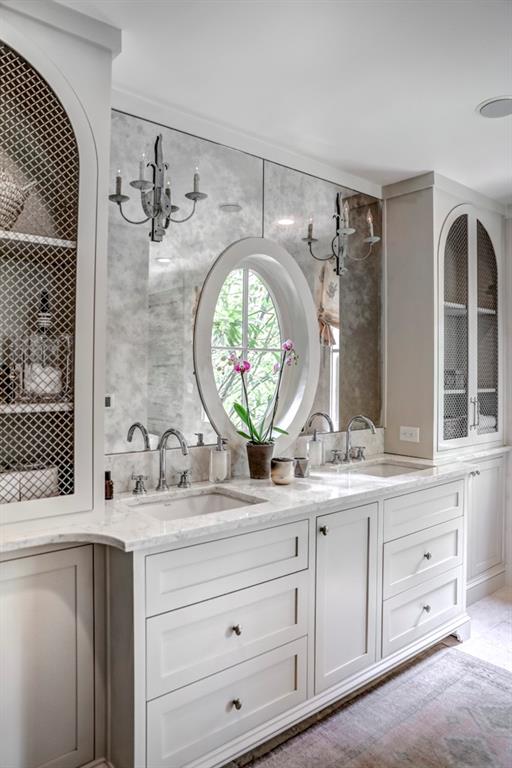
Quartz Countertops vs. Wood Countertops (Butcher Block)

Modern Kitchen Island with Curved Design, Quartz Countertop & Pendant Lights

Quartz Countertops vs. Wood Countertops (Butcher Block)

When choosing between quartz and wood countertops, you face a fascinating decision that blends practicality with aesthetics. Quartz countertops offer unmatched durability and low maintenance, ideal for a busy lifestyle, while wood countertops, particularly butcher block, bring a warm, rustic charm that can transform a kitchen’s atmosphere. But don’t just focus on looks—consider the maintenance each requires and how the costs stack up over time. As you weigh these factors, you’ll uncover which material suits your needs and how each can shape the heart of your home in distinctive ways.

Material Composition

Understanding their material composition is key when choosing between quartz and wood countertops.

Quartz countertops are engineered from a mix of natural quartz crystals and resins. This blend is molded into slabs and polished to a high-gloss finish. The result is a non-porous surface that’s consistent in color and pattern. The manufacturing process allows for a wide range of colors and designs, some of which mimic the appearance of natural stone.

Quartz’s composition makes it resistant to stains and bacteria, as there are no pores or cracks for spills to seep into.

On the other hand, wood countertops, often referred to as butcher blocks, are crafted from pieces of wood glued together to form a solid surface. The wood used can vary from maple, oak, cherry, to walnut, each bringing its unique grain patterns and warmth to your kitchen space.

Wood countertops are typically sealed with oils or finishes to protect against moisture and enhance their natural beauty. However, they require regular maintenance to keep them looking their best and to prevent water damage.

Durability Comparison

After exploring the material composition of quartz and wood countertops, let’s examine their durability.

Durability is a key factor when choosing a countertop, as it affects how well it will withstand daily use, spills, and potential damage.

Quartz countertops are well-known for their exceptional durability. Made from engineered stone, quartz is non-porous and resistant to stains, scratches, and heat. You don’t have to worry about leaving a hot pan on your quartz countertop; it won’t scorch easily. Its non-porous nature also means it won’t harbor bacteria or require sealing, providing a long-lasting and hygienic surface.

Conversely, wood countertops, especially butcher block, offer a different kind of durability. Wood is naturally resilient and, when properly maintained, can withstand daily wear and tear.

However, wood is more susceptible to scratches and dents, especially if you’re cutting directly on the surface. Moreover, wood is porous, which makes it prone to staining and water damage if spills aren’t promptly cleaned. This porosity can also lead to bacteria growth if not properly managed.

Yet, many appreciate the character that wood develops over time, with natural imperfections adding to its charm.

Maintenance Requirements

Maintenance is a crucial aspect to consider when selecting between quartz and wood countertops. If you’re looking for a low-maintenance option, quartz might be your best bet.

Quartz countertops are non-porous engineered surfaces, which means they don’t absorb liquids and are resistant to stains. This characteristic makes them incredibly easy to clean—just wipe them down with a damp cloth and mild soap. Unlike natural stones, you won’t need to worry about sealing them annually.

On the other hand, wood countertops, commonly known as butcher blocks, require a bit more attention. They’re porous and can absorb liquids, so spills must be cleaned up promptly to prevent stains and bacterial growth.

To maintain their protective layer, you’ll need to apply a food-safe mineral oil or sealant regularly, usually every month or so. This treatment helps prevent drying, cracking, and warping, ensuring the wood remains in good condition.

You’ll also want to be cautious with heat and moisture around wood countertops. Always use trivets or hot pads to protect the surface from hot pots and pans, and avoid leaving wet items on the surface for extended periods.

Quartz is more forgiving with heat but still requires some care, as extreme temperatures can cause thermal shock.

Ultimately, the choice between quartz and wood countertops depends on how much time and effort you will invest in their upkeep. Quartz offers ease and convenience, while wood provides a warm, rustic charm with a bit more hands-on care.

Cost Analysis

While considering the upkeep of quartz and wood countertops, it is important to evaluate their cost implications. The initial investment and long-term expenses can significantly influence your decision.

Quartz is engineered, non-porous, and durable, which can justify its higher price point. It requires minimal maintenance, saving you money on upkeep over time.

While they might initially seem more budget-friendly, remember that they require regular sealing and oiling to maintain their appearance and functionality. These maintenance tasks can add to the overall cost in the long run.

However, if you’re handy and willing to do the upkeep yourself, you could manage these expenses more economically.

When comparing the two, consider the upfront costs and the potential for repairs and replacements. Quartz is less likely to suffer from scratches, stains, or water damage, reducing the likelihood of costly repairs. Wood countertops, in contrast, are more prone to these issues, which could mean additional investments over time to keep them looking their best.

Ultimately, your budget and willingness to maintain your countertops will dictate your best choice. Weighing initial and long-term costs will help you make an informed decision that aligns with your financial and lifestyle preferences.

Aesthetic Appeal

Step into the world of countertops, and you’ll find that aesthetic appeal often takes center stage in decision-making. It’s not just about functionality; it’s about transforming your kitchen or bathroom into a visual masterpiece.

When choosing between quartz and wood countertops, each offers a distinct look that can dramatically alter the ambiance of your space.

Quartz countertops bring a sleek, modern vibe to any room. With a wide array of colors and patterns, from subtle whites and grays to bold, striking hues, quartz offers versatility to complement contemporary and traditional designs.

The uniformity in pattern ensures a polished, cohesive look throughout your kitchen or bathroom. If you’re aiming for a clean, sophisticated appearance, quartz might be your go-to.

In contrast, wood countertops, often referred to as butcher blocks, introduce warmth and character. Each piece of wood has a unique grain pattern and color variations, lending a natural, rustic charm to your space.

This organic feel can create a cozy, welcoming atmosphere that’s hard to replicate with man-made materials. Wood’s natural beauty is unrivaled for a farmhouse or cottage-style kitchen.

Consider your style preferences and the overall mood you want to set. Do you prefer the pristine and uniform or the imperfect beauty of nature?

Each option has its own allure and can make a statement in its own right. Your choice will reflect not just your aesthetic preferences but also the environment you want to create in your home.


Frequently Asked Questions

Are Quartz Countertops More Eco-Friendly Than Wood Countertops?

When considering eco-friendliness, consider the production and sourcing of materials. Quartz requires energy-intensive processes, while wood can be sustainably harvested. Wood is generally more eco-friendly if it’s sourced responsibly. Choose wisely!


Do Quartz Countertops Offer Better Heat Resistance Than Butcher Block?

You’re wondering about heat resistance. Quartz countertops handle heat better because they resist scorching and warping. You can place hot pots directly on them, unlike wood, which can get damaged. So, choose quartz for superior heat endurance.


Can Butcher Block Countertops Be Customized in Shape and Size Like Quartz?

Yes, you can customize butcher block countertops in shape and size. They’re versatile and can be tailored to fit your unique kitchen layout, allowing you to create a personalized look that matches your design preferences perfectly.


How Do Quartz and Wood Countertops Impact Indoor Air Quality?

You’re concerned about air quality. Quartz countertops don’t emit volatile organic compounds, so they’re safe. Wood might release VOCs, especially when treated. Ensure proper sealing and ventilation to minimize any potential impact on your indoor air.


Are Either Quartz or Wood Countertops Susceptible to Staining From Food or Drinks?

You’re wondering about staining. Quartz countertops resist stains better because they’re non-porous. Wood countertops, however, are more prone to stains from food and drinks. Regular sealing can help, but cleaning spills quickly is essential to prevent damage.

Conclusion

When choosing between quartz and wood countertops, consider your priorities. If you value durability and easy maintenance, you’ll appreciate quartz’s stain resistance and longevity. It may cost more initially, but its low upkeep is a major advantage. On the other hand, if you’re drawn to warmth and rustic charm, wood countertops offer unique grain patterns that can transform your space. Just remember, they need regular sealing and oiling. Ultimately, your choice depends on what suits your lifestyle and aesthetic preferences.

Granite Countertops Vs. Wood Countertops

Granite Countertops Vs. Wood Countertops

Choosing between granite and wood countertops can be pivotal when considering a kitchen upgrade. Each material brings its benefits and challenges, influencing not just the aesthetics but also the functionality of your space. Granite offers unmatched durability and a sleek, modern appeal, while wood exudes warmth and a unique charm. Your choice might affect everything from maintenance routines to resale value. So, which one aligns with your lifestyle and preferences? Let’s weigh the pros and cons, see how costs stack up, and explore the impact on your home’s value.

Aspect

Granite Countertops

Wood Countertops

Durability

Durable

Wear and Tear

Maintenance

Sealing

Oiling

Aesthetic and Style

Sleek

Rustic

Heat Resistance

Heat Resistant

Heat Sensitive

Scratch and Dent Resistance

Scratch Resistant

Scratch Prone

Water and Stain Resistance

Water Resistant

Water Sensitive

Resale Value Impact

Luxury Appeal

Warmth Appeal

Differences Between Granite and Wood Countertops

Understanding the key differences between granite and wood countertops can help you make the best decision for your home. Both materials offer unique aesthetics and functionality but cater to different needs and preferences.

Granite is a natural stone renowned for its durability and resistance to heat. It’s available in various colors and patterns, each slab offering a unique design.

Wood countertops, however, provide a warm, inviting appearance that complements a rustic or traditional kitchen style. They come in various wood types, including maple, cherry, and walnut, each lending a distinct character to your space.

Granite countertops are known for their hardness, which makes them less prone to scratches and chips. This makes them an excellent choice for high-traffic kitchens where durability is essential.

In contrast, wood countertops are softer, which means they can show wear and tear over time. But don’t let that deter you; many appreciate the natural patina that develops with age, adding charm and history to your kitchen.

Another crucial difference is maintenance. Granite requires sealing to maintain its resistance to stains and spills. It’s a straightforward process but one you shouldn’t overlook.

Conversely, wood countertops need regular oiling to protect the surface and maintain appearance. Though more frequent, this task is relatively simple and satisfying.

Granite vs. Wood: Pros and Cons

Weighing the pros and cons of granite and wood countertops helps clarify which option best suits your kitchen. Granite countertops offer durability and a luxurious feel, while wood provides warmth and a natural aesthetic. To make an informed decision, consider each material’s strengths and weaknesses.

Granite countertops are incredibly durable and resistant to heat, scratches, and stains. You can place hot pots directly on the surface without worry. They’re also easy to clean with just soap and water. Granite’s natural beauty and variety of patterns can add elegance to your kitchen.

However, granite can be heavy, requiring sturdy cabinets for support. It also needs periodic sealing to maintain its resistance to stains and bacteria.

On the other hand, wood countertops bring warmth and a rustic charm to your kitchen. They’re perfect for those who appreciate a more natural, organic look. Wood can be gentle on dishware, preventing chips and cracks. It’s also easier to repair than granite—light scratches can be sanded and re-oiled.

Yet, wood is less heat resistant, so you’ll need trivets for hot pots. It’s also more susceptible to water damage and stains, requiring regular maintenance like oiling and sealing.

Ultimately, your choice depends on your lifestyle and kitchen needs. Granite might be ideal if you prioritize durability and a wide range of design options.

However, wood could be a better fit if you value a cozy atmosphere and are willing to spend a bit more on maintenance. Weigh these factors carefully to ensure your countertop complements your kitchen’s functionality and style.


Durability: Granite vs. Wood Countertops

Durability plays a major role when choosing between granite and wood countertops. If you’re looking for something that can withstand the test of time, understanding how each material stands up to daily wear and tear is crucial.

Granite countertops are renowned for their toughness. They’re formed from molten rock, making them incredibly resistant to scratches and heat. You can place hot pots directly on granite without worrying about damage, and its dense composition means it’s less likely to chip or crack under pressure.

On the other hand, wood countertops offer a different kind of durability. While they don’t match granite’s resistance to heat and scratches, they do provide a softer surface that’s gentler on your dishes. Wood countertops can develop character over time with scratches and dents, though some people appreciate this as part of the natural charm of wood.

However, if not properly sealed, they’re susceptible to water damage, and prolonged exposure to moisture can lead to warping or staining.

Consider your lifestyle and how you’ll use your countertops when considering durability. Granite might be the better choice for long-term durability if your kitchen is a bustling hub with high traffic.

But if you prefer a warmer, more traditional look and are willing to be mindful of water exposure and hot surfaces, wood could still be a viable option. Choosing between granite and wood balances durability with your kitchen’s aesthetic and functional needs.

Maintenance Requirements: Granite vs. Wood

When it comes to maintenance requirements, both granite and wood countertops have their unique demands.

Let’s start with granite. Granite countertops are relatively low-maintenance. You’ll want to seal them once a year to protect against stains and bacteria. This sealing process isn’t too complicated, usually involving a simple wipe-on, wipe-off application. Granite is resistant to most common kitchen hazards like heat and scratches. Still, you should clean spills promptly with mild soap and water to maintain their natural shine and prevent any potential staining from acidic substances such as wine or citrus.

On the other hand, wood countertops require a bit more attention to keep them looking and functioning at their best. You’ll need to be diligent about sealing and oiling them regularly. Depending on the type of wood and its finish, this could mean oiling every few months to prevent the wood from drying out, cracking, or warping.

Wood is naturally porous and more susceptible to bacteria and staining. Therefore, spills must be cleaned immediately, and prolonged exposure to moisture is avoided.

Both materials benefit from regular cleaning with gentle, non-abrasive products. Wood can be cleaned with a mixture of vinegar and water, while granite prefers a mild dish soap solution.

Aesthetic and Style Differences

Granite and wood countertops bring a distinct aesthetic to your kitchen, catering to different style preferences. If you’re aiming for a sleek and modern look, granite might be your choice. Its polished surface and various colors, from deep blacks to speckled whites, can add a touch of luxury and sophistication.

Granite’s natural stone pattern can range from subtle to bold, making it a versatile option for contemporary or traditional kitchen designs.

On the other hand, wood countertops offer warmth and a sense of rustic charm. They’re perfect if you want to create a cozy and inviting atmosphere. With options like oak, maple, or cherry, you can choose a finish that complements your cabinets and kitchen decor.

Wood’s natural grains and textures provide character and uniqueness, as no two pieces are identical. This organic appeal can bring a homely, artisanal vibe to any kitchen space.

When considering style, think about how each material interacts with light. Granite’s reflective surface can make a kitchen feel brighter and more open. In contrast, wood absorbs more light, which might be ideal for a softer, more intimate setting.

Also, consider the mood you want to set. Granite can feel cool and elegant, while wood exudes warmth and comfort.

Ultimately, the choice between granite and wood countertops should reflect your taste and how you want your kitchen to feel. Whether you’re drawn to granite’s timeless elegance or wood’s natural beauty, both options can enhance your kitchen’s aesthetic.

Heat Resistance: Granite vs. Wood

Choosing the right countertop material for your kitchen is not just about aesthetics; functionality plays a key role, too. One critical aspect to consider is heat resistance, especially if you enjoy cooking and often deal with hot pots and pans.

There is a significant difference in how granite and wood countertops handle heat.

Granite countertops are known for their excellent heat resistance. You can place hot pots and pans directly on the surface without worrying about damage. This natural stone can withstand high temperatures due to its dense composition.

However, using trivets or pads occasionally is still a good idea, as sudden temperature changes might cause thermal shock, leading to cracks over time. But granite’s heat resistance generally makes it a reliable choice for a busy kitchen environment.

On the other hand, wood countertops don’t fare as well when exposed to heat. Placing hot cookware directly on a wood surface can lead to scorch marks or discoloration.

Wood is an organic material that reacts to temperature changes, and repeated exposure to heat can cause warping or cracking. If you opt for wood, you must diligently use hot pads or trivets to protect the surface.

Resistance to Scratches and Dents

Durability is crucial when selecting kitchen countertops, particularly regarding resistance to scratches and dents. When you think about how often you use your kitchen, it’s easy to see why a strong, scratch-resistant surface is important.

Granite countertops excel in this area. They’re made from one of the hardest natural stones available, offering remarkable resistance to scratches and dents. You can confidently use knives and other kitchen tools on granite without worrying about leaving permanent marks. However, always use a cutting board to maintain the sharpness of your knives.

On the other hand, wood countertops bring different characteristics to your kitchen. They have an inherent warmth and charm but are more prone to scratches and dents than granite. Wood is softer, so everyday kitchen activities, like chopping or placing heavy pots, can leave marks over time.

However, don’t be discouraged if you love the look of wood. You can sand and refinish wooden surfaces to restore their original beauty, a process that granite doesn’t allow. This refinishing ability offers a unique advantage, giving wood countertops a renewable quality.

Ultimately, your choice depends on your lifestyle and how you plan to use your kitchen. If you prioritize a surface that effortlessly resists scratches and dents, granite should be your go-to.

But, if you’re drawn to the timeless appeal of wood and don’t mind a little maintenance, wooden countertops can be just as rewarding. Consider how you use your kitchen to make the best decision for your needs.

Water and Stain Resistance: Granite vs. Wood

When selecting a kitchen countertop, water and stain resistance are essential. Granite countertops offer impressive resistance to both. Naturally dense, granite doesn’t absorb liquids easily. It repels water effectively when properly sealed, making it an excellent choice for kitchens where spills are common.

Granite is less likely to stain from common kitchen culprits like wine, coffee, or oil. Just be sure to reseal the surface periodically to maintain its protective layer.

Conversely, wood countertops require more attention to keep them water—and stain-resistant. Wood is porous, so it can absorb liquids quickly if not properly sealed. Regularly apply a food-safe sealant or oil to prevent water damage and stains.

Even with good maintenance, wood is more vulnerable to staining from those same kitchen culprits. Spills need immediate attention, and wiping them up quickly is crucial to prevent lasting marks.

While granite gives you peace of mind with its natural toughness against stains and water damage, wood countertops demand more care. If you love the warm, inviting look of wood, be prepared for the upkeep required to stay fresh.

Granite vs. Wood: Best Choice for Kitchens

Choosing between granite and wood countertops for your kitchen centers around balancing practicality with personal taste.

Granite offers durability and a sleek look that’s hard to match. It resists scratches, heat, and stains, making it ideal for regular cooking or entertaining. Granite easily handles if you spill wine or a hot pot accidentally slips. It also adds a touch of luxury and can increase your home’s value.

On the other hand, wood countertops bring warmth and character to your kitchen. They’re perfect if you love a rustic or cozy aesthetic. Wood is softer than granite, making it more forgiving on your dishes. However, it does require regular maintenance. You’ll need to oil and seal it to prevent water damage and stains. Wood could be your top choice if you enjoy a hands-on approach to home care and appreciate the charm of natural materials.

When considering style, granite comes in various colors and patterns, allowing you to find something that suits your kitchen’s theme. It often pairs well with modern or traditional designs.

Meanwhile, wood complements a more farmhouse or vintage style but can also be versatile enough for contemporary spaces.

Think about your lifestyle and how you use your kitchen. Granite might be the best choice if you prioritize low maintenance and durability.

However, if you’re drawn to the warmth and aesthetics of natural materials and don’t mind some upkeep, wood offers a unique, inviting look that’ll make your kitchen feel like home.

Granite vs. Wood: Ideal for Bathroom Design?

In bathroom design, choosing between granite and wood countertops can significantly influence both function and style.

Granite offers a sleek, polished look that’s perfect for modern or classic bathrooms. It’s highly durable, resisting scratches and heat, which is crucial in a space where hot styling tools and heavy use are common. Granite’s non-porous nature makes it resistant to water damage and stains, a big advantage in humid environments.

On the other hand, wood countertops bring warmth and a natural feel to your bathroom. They can create a cozy, spa-like atmosphere that granite mightn’t offer. However, wood requires more maintenance to ensure longevity. You must seal it regularly to protect against moisture, which can warp or crack the surface over time. Wood can be a beautiful choice if you love the rustic charm and are willing to invest in upkeep.

Consider how much time you spend in your bathroom and your activities there. Granite’s low-maintenance appeal suits a busy lifestyle where you mightn’t have time for constant upkeep.

If you’re more about creating a serene retreat and enjoying the hands-on care wood requires, wood might be your ideal choice.

Think about your bathroom’s existing design elements. Granite complements tiles and contemporary fixtures, while wood pairs well with natural and eclectic styles.

Ultimately, the right choice hinges on your taste, lifestyle, and the atmosphere you wish to create in your bathroom sanctuary. Both materials offer unique benefits; it’s all about what suits your space best.

Color, Texture, and Grain Options

When deciding between granite and wood countertops for your bathroom, the color, texture, and grain options are pivotal in defining the space’s character.

Granite countertops offer colors, from subtle whites and grays to bold blues and reds. Each slab is unique, featuring natural patterns that can add elegance and depth to your bathroom. Granite’s texture is typically smooth and polished, though you can choose honed or leathered finishes for a more matte or tactile feel.

On the other hand, wood countertops provide warmth and natural beauty with various grain patterns and colors. For a rich, luxurious atmosphere, you can select from light woods like maple or birch for a bright, airy feel or darker woods like walnut or mahogany. The grain adds character and can vary from straight and uniform to intricate and swirling, allowing you to match it with your bathroom’s design theme.

Both materials offer customization options, but your choice depends on the ambiance you want to create. Granite’s mineral composition and natural veining can make a bold statement, while wood’s organic patterns bring comfort and coziness.

Consider how these elements complement your existing decor, cabinetry, and fixtures. Granite might be the way to go if you prefer a more modern and sleek look. Wood could be your best bet for a rustic or traditional vibe.

Ultimately, your preference for color, texture, and grain will guide you toward the perfect countertop choice.

Installation Process: Granite vs. Wood

Installing granite or wood countertops in your bathroom involves distinct processes, each with its considerations. If you’re leaning towards granite, you’ll want to know it’s a heavier material requiring professional installation.

Start by selecting a slab that suits your style. Once chosen, a template of your bathroom counter is created to ensure a precise fit. The granite is then cut, polished, and finished. Specialists will handle the heavy lifting, securely installing and sealing your countertop to prevent stains and moisture damage. Remember, granite can be unforgiving if not installed perfectly, so precision matters.

Conversely, wood countertops offer a more DIY-friendly installation. You’ll begin by measuring your space and selecting the type of wood that matches your aesthetic.

Once you have your wood slab, you must cut it to fit your bathroom dimensions. Sanding the edges and surface ensures smoothness, and applying a sealant protects it from moisture. While you might tackle this project yourself, seeking professional help ensures a flawless fit and finish. Wood is more forgiving if adjustments are needed, making it ideal for those who enjoy hands-on projects.

Both options require careful planning, but the choice depends on your comfort level with the installation process. Granite demands precision and expertise, often necessitating professional help, whereas wood provides more flexibility and a personal touch if you install it yourself.

Decide based on your preferences, skills, and the final look you envision for your bathroom.

Cleaning and Upkeep: Granite vs. Wood

Maintaining your countertops is crucial to longevity; granite and wood each have specific needs. When it comes to granite, you’ll find it relatively straightforward. Start by wiping it with a soft cloth and a mix of warm water and mild dish soap. Avoid abrasive cleaners as they can dull the surface.

To keep granite in top shape, seal it regularly, usually once a year, depending on the manufacturer’s recommendations. This sealing process prevents stains and keeps the stone looking polished.

Conversely, wood countertops require more attention to avoid damage. To prevent stains and warping, clean spills immediately using a damp cloth. To disinfect, use a gentle cleaning solution, like vinegar and water.

Avoid letting water sit on the surface, as it can seep in and cause the wood to swell or crack. Regular oiling, typically every three to six months, is essential to maintain beauty and moisture resistance. Use food-grade mineral oil to keep the wood hydrated and protected from drying out.

Both materials have their maintenance quirks. Granite’s primary concern is sealing to prevent stains, while wood demands protection from moisture and regular oiling.

Lifespan and Longevity Comparison

Granite and wood countertops each boast unique characteristics that influence their lifespan. If you’re considering either option, it’s essential to understand how long they might last and what factors contribute to their durability.

Granite countertops are renowned for their impressive longevity. With proper care, they can last a lifetime—often over 100 years. Granite’s natural resilience to scratches, heat, and stains is crucial in its extended lifespan. Its dense composition means it’s less likely to suffer damage from everyday kitchen activities.

However, you should still use cutting boards to avoid dulling your knives and trivets for hot pots to prevent thermal shock, which could potentially crack the stone.

Conversely, wood countertops typically have a shorter lifespan, usually 20 to 30 years, depending on the wood type and maintenance. Wood is more susceptible to scratches, dents, and moisture damage, which can shorten its life if not properly addressed.

Regular sealing and oiling can help protect it, but you should be prepared for some wear and tear over time. Sanding and refinishing can rejuvenate the surface, significantly extending its life.

Granite demands less maintenance and offers greater longevity, whereas wood requires more upkeep and has a shorter natural lifespan.

Your choice might depend on how much time you’re willing to invest in maintenance and whether you prefer the timeless durability of granite or the warm, inviting aesthetic of wood.

Ultimately, both options can serve you well if you care for them appropriately.

Granite vs. Wood: Impact on Home Resale Value

Both granite and wood countertops can significantly enhance your home’s resale value, but they do so in different ways.

Granite countertops are often seen as a luxury feature. Their durability and timeless appeal can attract potential buyers who associate granite with modern, upscale kitchens. The glossy, polished granite surface can make your kitchen or bathroom feel sophisticated and well-maintained, potentially leading to a higher offer from buyers who value these attributes.

On the other hand, wood countertops offer a warm, inviting aesthetic that can appeal to different buyers. Wood can be a strong selling point if you’re marketing your home to those who appreciate a rustic or farmhouse style.

Wood countertops can make a space feel cozy and personalized, enhancing the charm and character of your home. Buyers often appreciate the unique grain patterns and natural beauty that wood provides, which can also lead to increased interest in your property.

However, it’s essential to consider the maintenance aspect. Granite is more resistant to scratches and heat, which buyers may find appealing for peace of mind. Wood requires more upkeep to prevent stains and scratches, which might deter some buyers concerned with long-term maintenance.

Ultimately, the choice between granite and wood should align with your home’s style and the preferences of your target market. Both materials have the potential to enhance resale value, but understanding your buyer’s desires can help you make the best decision for your home.

Conclusion

When choosing between granite and wood countertops, consider what suits your lifestyle and style preferences. Granite offers durability and low maintenance, perfect for a modern, high-traffic kitchen. On the other hand, wood provides warmth and charm, which is ideal for a rustic feel but requires more upkeep. Think about your budget, how much maintenance you’re willing to do, and how each option might impact your home’s resale value. Ultimately, pick the material that best aligns with your needs and taste.


Find here more guides about Granite Countertops:


Granite Countertops Vs. Stainless Steel Countertops

Granite Countertops Vs. Stainless Steel Countertops

When choosing between granite and stainless steel countertops, you weigh more than aesthetics. Granite’s natural charm and unique patterns might draw you in, but remember the upkeep it demands. On the other hand, stainless steel offers a sleek, modern finish and minimal maintenance, yet it has its drawbacks, like visible fingerprints. How do these materials stack up in terms of cost, durability, and impact on resale value? Each option has pros and cons—what will sway your decision in this countertop conundrum?

Aspect

Granite Countertops

Stainless Steel Countertops

Durability

Durable

Resilient

Maintenance

Sealing

Low Maintenance

Aesthetic and Style

Natural Look

Modern

Heat Resistance

Heat Resistant

High Heat Resistance

Scratch and Dent Resistance

Scratch Resistant

Prone to Scratches

Stain and Rust Resistance

Stain Resistant

Rust Resistant

Resale Value Impact

Luxury Appeal

Modern Appeal

Best for High-Traffic Areas

Heat & Scratch Resistant

Hygiene Focused

Differences Between Granite and Stainless Steel

When you’re deciding between granite and stainless steel countertops, it helps to understand their key differences. Granite countertops, made from natural stone, offer a unique pattern and color variation that can become the centerpiece of your kitchen. Each granite slab is different, bringing a distinct and personalized touch to your space.

In contrast, stainless steel countertops provide a sleek, modern look that fits well in contemporary kitchens. Their uniform, metallic finish reflects light and gives your kitchen a clean, industrial feel.

Granite is known for its natural beauty and durability. It can withstand heat, which makes it ideal for placing hot pots and pans directly on its surface. However, granite is porous and requires sealing to prevent stains from spills and moisture. You’ll need to reseal it periodically to maintain its appearance and durability.

On the other hand, stainless steel countertops are non-porous, making them highly resistant to staining and bacterial growth. They’re also heat-resistant, but unlike granite, they can scratch and show fingerprints easily. The reflective surface can dent if something heavy is dropped, so handle objects carefully.

You should also consider maintenance when choosing between these materials. Granite requires ongoing care to keep it sealed and looking its best, while stainless steel needs regular cleaning to prevent fingerprints and smudges.

Each countertop material brings its own characteristics that can influence your kitchen’s functionality and style, so weigh these differences carefully before making your decision.

Granite vs. Stainless Steel: Pros and Cons

Having explored the differences between granite and stainless steel, it’s time to weigh the pros and cons of each to guide your decision-making process.

Granite countertops bring a natural beauty to your kitchen or bathroom, offering a variety of colors and patterns that can complement any decor. They’re incredibly durable, withstanding heat and resisting scratches, making them ideal for busy households.

However, granite requires regular sealing to prevent stains and maintain its shine. It can also chip or crack if heavy objects fall on it.

Conversely, stainless steel countertops provide a sleek, modern look that fits well in contemporary spaces. They’re non-porous, meaning they resist stains and buildup of bacteria, simplifying cleaning.

Stainless steel is also heat resistant, allowing you to place hot pots directly on the surface without worry. Yet, they can scratch easily and show fingerprints and smudges, necessitating frequent cleaning to maintain their appearance.

Granite can be more challenging to install due to its weight and the necessity for precise cuts to accommodate sinks and appliances.

Conversely, stainless steel is more forgiving during installation, as it can be custom-made to fit any space seamlessly.

Ultimately, your choice between granite and stainless steel will depend on your priorities. If you value natural beauty and don’t mind a bit of maintenance, granite may be the way to go.

If you prefer a modern aesthetic and low maintenance, stainless steel could be the perfect fit for your kitchen or bathroom.


Durability: Granite vs. Stainless Steel Countertops

Both granite and stainless steel countertops are renowned for their durability. They offer long-lasting performance, but they have distinct characteristics.

Granite is a natural stone that’s incredibly hard and resistant to scratches and heat. It’s perfect if you frequently place hot pans directly on the surface or use sharp knives without a cutting board. However, granite can chip or crack if it’s struck with enough force, especially around the edges or near the sink.

Stainless steel countertops, on the other hand, are almost indestructible. They’re resilient against heat and stains and impervious to rust and corrosion. You can count on stainless steel to withstand your kitchen’s daily hustle and bustle without showing signs of wear.

However, it’s prone to scratching, so you’ll notice small abrasions over time, but they often blend into the surface, creating a uniform patina that some people find appealing.

In terms of impact resistance, stainless steel has an edge over granite. If you’re prone to dropping heavy pots or pans, stainless steel won’t chip or crack like granite might. It also boasts a non-porous surface, making it less likely to harbor bacteria or stains.

Granite, although durable, is porous and might require sealing to maintain its integrity and protect against stains.

When choosing between granite and stainless steel countertops, consider your lifestyle and your kitchen use. Both materials offer exceptional durability, but their distinct features might sway your decision depending on your needs.

Maintenance Needs: Granite vs. Stainless Steel

Maintenance is a crucial consideration when choosing between granite and stainless steel countertops. Each material has unique needs, which can influence your decision based on how much time and effort you’re willing to invest in upkeep.

Granite countertops require regular sealing to maintain their appearance and protect against stains. If you choose granite, you’ll need to seal it at least once a year, depending on the type of granite and the level of use. This process can be a bit of a chore, but it’s essential to keep the surface pristine and prevent liquids from seeping in.

You’ll also need to clean granite with a gentle, pH-balanced cleanser to avoid damaging the sealant or the stone.

In contrast, stainless steel countertops are relatively low-maintenance. They don’t require sealing and are resistant to most stains and damage. However, stainless steel can easily show fingerprints and smudges, so you must wipe them down regularly with a soft cloth and a mild cleaner.

You might occasionally polish them with a stainless steel cleaner if you want to keep them shiny and new. Scratches can be an issue, but they can usually be buffed out or may even contribute to the natural patina over time.

Ultimately, your choice between granite and stainless steel will depend on your lifestyle and how much time you will dedicate to maintenance. Stainless steel might be the way to go if you prefer minimal upkeep. If you’re up for a bit more work to enjoy the natural beauty of stone, granite could be your ideal choice.

Heat Resistance: Granite vs. Stainless Steel

Both granite and stainless steel countertops have strengths in heat resistance, but they handle high temperatures in distinct ways. If you love to cook or bake frequently, understanding these differences can help you decide which material suits your kitchen needs better.

Due to their natural stone composition, granite countertops can withstand high temperatures. You can place hot pots and pans directly on the surface without worrying about immediate damage.

However, repeated exposure to extreme heat can cause thermal shock, potentially leading to cracks. Using trivets or hot pads is always a wise precaution to preserve granite’s longevity.

On the other hand, stainless steel countertops excel in heat resistance. They’re commonly used in professional kitchens for this very reason. You can confidently set down hot cookware without any risk of heat damage since stainless steel easily disperses heat.

This makes it a practical choice if your kitchen sees a lot of action and you need a surface that won’t be affected by frequent high temperatures.

While both materials offer robust heat resistance, stainless steel might edge out granite in terms of long-term durability under constant heat exposure. It doesn’t suffer from thermal shock and maintains its integrity over time.

However, remember that aesthetics and other factors like maintenance are crucial in your final decision.

If heat resistance is your top priority, consider how each material aligns with your cooking habits and kitchen environment before choosing.

Scratch and Dent Resistance Comparison

Choosing between granite and stainless steel countertops also means considering how well each material stands up to scratches and dents.

Granite countertops are known for their remarkable resistance to scratches. The natural hardness of granite makes it difficult to damage with everyday kitchen tools. You can comfortably use knives and other utensils without worrying about leaving marks on the surface. However, while granite is tough, it’s not invincible. Dropping heavy objects can chip or crack the edges, so handling heavy items carefully is best.

On the other hand, stainless steel countertops are more prone to scratching. Even though they’re less likely to crack or chip, the surface can easily scratch from sharp objects and abrasive cleaning materials. You might notice small marks over time, giving the countertop a patina that some people find appealing. This lived-in look can add character, but scratches could become a concern if you prefer a pristine appearance.

When it comes to dents, stainless steel is more susceptible than granite. A heavy impact can leave a noticeable indentation on a stainless steel surface. Granite’s solid composition makes it less likely to dent, but as mentioned, it can chip under significant force.

Ultimately, your choice depends on how you use your kitchen. Granite might be your best bet if you prioritize scratch resistance and don’t mind a little extra care to avoid chips. But stainless steel could be the way to go if you prefer a more industrial look and can tolerate some scratches and dents.

Stain and Rust Resistance: Granite vs. Stainless Steel

Granite and stainless steel countertops each offer distinct advantages in stain and rust resistance. If you’re considering granite, you’ll appreciate its natural ability to resist stains. Granite is a dense, non-porous stone that won’t readily absorb liquids when properly sealed.

However, you must maintain the seal because an unsealed or poorly sealed granite surface can become susceptible to stains from oils, wine, or acidic substances. Regular sealing every one to two years will help keep your granite countertop looking pristine.

Conversely, stainless steel countertops offer a different kind of durability. They’re inherently rust-resistant due to the chromium content in the steel, which forms a protective layer over the surface. This makes stainless steel an excellent choice in environments where moisture is a concern, like kitchens.

It’s important to note that while they resist rust, stainless steel countertops can show water spots, fingerprints, and smudges. A quick wipe with a microfiber cloth usually solves this, keeping your countertop shiny and clean.

Consider how each material fits into your lifestyle and kitchen habits when comparing the two. Granite requires a bit more maintenance to prevent staining, but it offers natural beauty and warmth.

Stainless steel, meanwhile, offers industrial strength and modern appeal with minimal risk of rust, though it might show small marks more readily. Ultimately, the choice between granite and stainless steel should reflect your personal style and the level of maintenance you’re willing to perform.

Granite vs. Stainless Steel: Best for Kitchens

When it comes to selecting the best countertop for your kitchen, both granite and stainless steel have their distinct advantages. Granite might be your go-to option if you’re looking for a classic, natural appearance. Its unique patterns and colors can add warmth and elegance to your kitchen.

Granite is incredibly durable and resistant to heat, making it an excellent choice if you frequently cook with hot pots and pans.

On the other hand, stainless steel offers a modern, sleek look that is perfect for contemporary kitchens. It’s exceptionally hygienic, thanks to its non-porous surface, which resists bacteria and germs. This makes stainless steel a top pick for those who prioritize cleanliness.

It’s also easy to clean and maintain; a simple wipe with a damp cloth keeps it looking pristine.

Both materials are strong when it comes to durability. Granite is tough, but it can chip or crack if you drop heavy objects on it.

Stainless steel is more forgiving, with its resilience against impact and ability to withstand heavy use without damage. However, it’s prone to scratches and fingerprints, which can be a downside if aesthetics are a priority.

Budget is another factor to consider. Granite countertops can range widely in price depending on the stone’s rarity, while stainless steel is often more cost-consistent.

Ultimately, the best choice depends on your style, cooking habits, and maintenance preferences. Whichever you choose, both granite and stainless steel can enhance the functionality and beauty of your kitchen.

Granite vs. Stainless Steel: Best for Bathrooms

Choosing the right countertop for your bathroom involves weighing the unique benefits of granite and stainless steel.

Granite offers natural elegance, with its unique patterns and colors elevating any bathroom’s look. It’s a durable material that is resistant to heat and scratches, making it practical for bathroom use. However, granite requires regular sealing to prevent stains and moisture damage, which can be a consideration if you’re looking for low maintenance.

On the other hand, stainless steel countertops provide a modern, sleek appearance. They’re incredibly durable and resistant to water and heat, ideal for bathrooms with constant moisture. Stainless steel is also hygienic because it doesn’t harbor bacteria, a significant advantage in a bathroom setting. It’s easy to clean, and it often just needs a wipe with a damp cloth.

However, you should consider the drawbacks of each material. Granite can chip if heavy objects are dropped on it, and the cost can be higher due to the need for professional installation and sealing.

While durable, stainless steel is prone to scratching and can easily show fingerprints, which might require more frequent cleaning to maintain its pristine look.

Ultimately, your choice depends on your priorities. Granite might be your best option if you value a classic, natural look and don’t mind the maintenance. If you’re after a contemporary, low-maintenance surface that’s highly sanitary, stainless steel could be the way to go.

Consider your lifestyle, budget, and the overall aesthetic you want for your bathroom.

Color and Finish Options: Granite vs. Stainless Steel

Granite and stainless steel offer distinct color and finish options that can dramatically influence the look and feel of your space. When you’re choosing a countertop, granite provides a wide range of natural colors and patterns, and each slab is uniquely different. You can find shades from deep blacks and blues to subtle whites and greens. Granite speckles, veins, and swirls create a dynamic visual texture, giving your kitchen or bathroom a natural, earthy feel.

Granite’s polished finish adds a glossy sheen, enhancing the stone’s colors, while a honed finish gives you a matte, more understated look.

On the other hand, stainless steel is all about sleek, modern sophistication. It’s a uniform silver-gray, offering a clean, contemporary aesthetic. While stainless steel doesn’t offer the colorful variety of granite, it compensates with various finish options. You might prefer a brushed finish for its subtle texture and ability to mask fingerprints or a mirrored finish if you want a high-gloss, reflective surface that adds a touch of glamour.

These finishes can enhance the industrial or minimalist vibe you might be aiming for.

Your choice between granite and stainless steel largely depends on the atmosphere you want to create. Granite’s natural patterns and colors can make your space feel warm and inviting, while stainless steel’s sleek finish delivers a modern, cutting-edge look.

Consider your existing decor and personal style—both options can significantly enhance your home’s aesthetic, each in its own unique way.

Installation Process: Granite vs. Stainless Steel

Considering the aesthetic appeal of granite and stainless steel, it’s equally important to consider their installation processes. When you’re ready to install granite countertops, be prepared for a more intricate and potentially time-consuming process.

Granite slabs are heavy, requiring skilled professionals to handle and install them. The process often involves custom cutting to fit your kitchen layout precisely, which can extend the installation timeline. Additionally, proper sealing is essential to protect granite from stains and moisture, adding an extra step to the installation.

Conversely, stainless steel countertops offer a relatively straightforward installation process. They’re typically fabricated off-site to your kitchen’s specifications, so the pieces are ready to be fitted and secured when they arrive.

This prefabrication significantly cuts down on installation time. Stainless steel is lighter than granite, making it easier to handle and position, which can be advantageous if you’re considering a DIY approach. However, ensuring that the countertop is securely attached and sealed at the seams is crucial to prevent any movement or moisture intrusion.

Ultimately, choosing between granite and stainless steel depends on your priorities. If you value a quick, less labor-intensive installation, stainless steel might be the better option.

However, if you invest time and hire professionals for a more detailed installation, granite’s timeless beauty could be worth the effort. Weighing these factors will help you decide which material aligns best with your kitchen renovation goals.

Cleaning and Hygiene: Granite vs. Stainless Steel

Regarding cleaning and hygiene, granite and stainless steel offer unique advantages that can influence your choice. If you prioritize easy maintenance, stainless steel might appeal to you. It’s non-porous, so it doesn’t absorb liquids or harbor bacteria, making it a breeze to clean. A simple swipe with a damp cloth usually does the trick for everyday grime.

For stubborn spots, a mild detergent or vinegar solution can restore its shine without much effort. Plus, stainless steel’s resistance to staining and corrosion means you won’t have to worry about using harsh chemicals.

On the other hand, granite brings its own benefits to the table. Sealed granite surfaces resist stains and bacteria effectively, but they require a bit more attention than stainless steel. You’ll need to reseal granite periodically to maintain its non-porous quality.

Cleaning is straightforward: use a gentle dish soap and warm water to keep it looking pristine. Avoid acidic or abrasive cleaners to prevent damage to the sealant. With proper care, granite can remain hygienic and visually appealing.

Both materials withstand heat well, but be careful with granite, as sudden temperature changes can potentially affect the sealant. For stainless steel, be cautious of scratches, which might compromise its sleek appearance over time.

Ultimately, the choice between granite and stainless steel for your kitchen or bathroom depends on your cleaning preferences and commitment to maintenance. Each option offers hygienic surfaces; it’s about finding the right fit for your lifestyle.

Lifespan Comparison: Granite vs. Stainless Steel

While keeping your countertops clean and hygienic is undeniably important, considering their lifespan plays a key role in your decision-making process. Granite and stainless steel each have distinct characteristics affecting how long they last in your kitchen. By evaluating these, you can choose that best suits your lifestyle and home environment.

Granite countertops are known for their durability. When properly sealed and maintained, they can last a lifetime. Granite is a natural stone, resistant to scratches, heat, and most household chemicals.

However, regular sealing is required to resist stains and moisture. Without this maintenance, granite can lose its integrity over time. Nonetheless, with the right care, you’re looking at a countertop that can serve your kitchen for decades.

On the other hand, stainless steel countertops offer a different kind of longevity. They’re highly resistant to rust, stains, and heat, making them a favorite in commercial kitchens.

Stainless steel doesn’t crack or fade, ensuring it retains its sleek appearance. While it can scratch and dent, these imperfections often add to its charm, giving it a unique, worn-in look.

Unlike granite, stainless steel doesn’t require sealing, reducing the need for ongoing maintenance.

Ultimately, both materials offer impressive lifespans when properly cared for. If you prefer a countertop that requires less maintenance, stainless steel might be your choice.

However, if you’re drawn to the timeless beauty of natural stone and are willing to invest in its upkeep, granite could be the ideal fit for your home.

Granite vs. Stainless Steel: Resale Value Impact

Choosing the right countertop material can significantly affect your home’s resale value. When you’re debating between granite and stainless steel, it’s essential to understand how each material impacts potential buyers’ perceptions and the final selling price.

Granite countertops often attract buyers who appreciate luxury and traditional aesthetics. Due to their natural beauty and unique patterns, granite is a premium home feature. Granite can give your kitchen or bathroom a timeless elegance that appeals to many homebuyers. If you choose granite, you’ll likely see a good return on your investment because it’s a feature many buyers explicitly search for.

The perception of quality and durability associated with granite can boost your home’s resale value by making it stand out in a competitive market.

Conversely, stainless steel countertops offer a sleek, modern look that appeals to a different segment of buyers. These countertops are often favored in contemporary or industrial-style homes. They project an image of sophistication and are particularly attractive to buyers who value a modern, minimalist aesthetic.

However, stainless steel can be perceived as too industrial for some traditional buyers, which might limit its appeal in certain markets.

Ultimately, your choice between granite and stainless steel should also consider your local real estate trends. Research what styles are popular in your area and what’s been selling well.

Granite vs. Stainless Steel for High-Traffic Areas

Considering the impact on resale value, it’s also important to evaluate how granite and stainless steel countertops perform in high-traffic areas of your home.

Kitchens and bathrooms often see a lot of activity, so you need a countertop that can withstand the wear and tear while maintaining its appeal.

Granite countertops offer a durable, natural stone surface resistant to scratches and heat. If you have a bustling kitchen, granite can easily handle hot pots, sharp knives, and busy hands.

However, granite is porous, so regular sealing is required to prevent stains from spills. Without proper maintenance, it can lose its charm over time.

Conversely, stainless steel countertops offer a sleek, modern look and are highly favored in professional kitchens for their durability.

They’re non-porous, meaning they resist bacteria and stains without needing sealing. This makes them a practical choice for areas where hygiene is a priority.

However, stainless steel can scratch and show fingerprints easily, which might bother you if you prefer a pristine look.

When choosing between granite and stainless steel for high-traffic areas, consider your lifestyle and the maintenance you will commit to.

Granite provides a traditional and warm aesthetic but needs consistent upkeep to stay flawless.

Stainless steel offers a contemporary vibe with minimal maintenance but mightn’t suit everyone’s taste due to its industrial feel and potential for visible wear.

Ultimately, the right choice depends on balancing your household’s needs with each material’s long-term benefits.

Conclusion

Consider your preferences and lifestyle when choosing between granite and stainless steel countertops. Granite offers natural beauty and heat resistance, but it needs regular sealing to prevent stains. Stainless steel provides a sleek, modern look with minimal maintenance, though it can show scratches and fingerprints. Consider your willingness to commit to upkeep, the impact on resale value, and suitability for high-traffic areas. Ultimately, select the countertop that best fits your needs and style.


Find here more guides about Granite Countertops:

Granite Countertops Vs. Solid Surface Countertops

Granite Countertops Vs. Solid Surface Countertops

When deciding between granite and solid surface countertops, you’re not just making a design choice—you’re weighing factors like durability, maintenance, and cost. Granite offers a unique natural elegance but demands more upkeep, while solid surfaces provide a sleek, consistent look with easier maintenance. Each option has its own pros and cons that might sway your decision based on your lifestyle and kitchen use. But how do these choices impact your home’s value and future renovations? There’s much more to consider as you explore these countertop options further.

Aspect

Granite Countertops

Solid Surface Countertops

Durability

Durable

Less Durable

Maintenance

Sealing

Low Maintenance

Appearance and Style

Natural Look

Uniform Look

Heat Resistance

Heat Resistant

Sensitive to Heat

Scratch Resistance

Scratch Resistant

Scratch Prone

Stain Resistance

Stain Resistant

Highly Stain Resistant

Best for Kitchens

Unique Aesthetic

Seamless Design

Best for Bathrooms

Elegant

Hygienic and Seamless

Installation

Professional Required

DIY-Friendly

Resale Value

High

Moderate

Lifespan

Long-Lasting

Moderate

Differences Between Granite and Solid Surface

Understanding the differences between granite and solid-surface countertops is crucial for making an informed choice. Granite, a natural stone, offers a unique, varied appearance with each slab, thanks to its distinct mineral patterns and colors.

On the other hand, solid surface countertops are manufactured from acrylic or polyester resins and need fillers to provide a consistent, uniform look across every piece. This means you can choose from a wider range of colors and patterns with solid surfaces, allowing for a more customizable design that fits your kitchen or bathroom aesthetic.

Granite countertops are incredibly durable and can withstand high temperatures, making them ideal for areas where hot pots and pans are a daily occurrence. However, they require regular sealing to maintain their resistance to staining and bacteria.

Solid surface countertops are non-porous, naturally resisting stains and bacteria without regular sealing. This characteristic makes them a low-maintenance choice for busy households.

Installation processes also differ between these two materials. Granite slabs are heavy and require professional installation due to their weight and the need for precise cutting.

Solid surface countertops are usually lighter and can sometimes be installed by skilled DIY enthusiasts, although professional installation ensures a seamless appearance.

In terms of repairability, solid surfaces allow for easy fixes like sanding out scratches or buffing away minor damages, while granite requires more specialized attention.

Understanding these differences can guide you in selecting the right countertop material for your needs and lifestyle.

Granite vs. Solid Surface: Pros and Cons

Choosing between granite and solid surface countertops involves weighing the pros and cons of each material.

Granite countertops are beloved for their natural beauty and durability. They offer unique patterns and colors since they’re cut from stone slabs, making each piece distinct. Granite is heat resistant, so you can place hot pots and pans directly on the surface without worry.

However, granite does require periodic sealing to maintain its resistance to stains and spills. It’s also quite heavy, so proper support and installation are crucial.

On the other hand, solid surface countertops are non-porous, meaning they resist stains and bacteria without needing sealing. This makes them a low-maintenance option that’s easy to clean.

Solid surfaces can be molded to fit any space seamlessly, allowing for integrated sinks and backsplashes. They also come in various colors and patterns, though they mimic natural stone’s look rather than offer the real thing.

However, solid surface materials aren’t as heat resistant as granite. Placing a hot pot directly on them can cause damage, such as scorch marks or warping. They’re also more susceptible to scratches and dents, although these can often be buffed out relatively easily.

Ultimately, your choice depends on your lifestyle and aesthetic preferences. If you prioritize natural elegance and heat resistance, Granite may be the right call.

However, a solid surface might better suit your needs if you prefer seamless design and low maintenance. Consider how much time you want to spend on upkeep and how you’ll use your counters daily.


Durability: Granite vs. Solid Surface Countertops

Granite’s natural strength makes it one of the most durable countertop materials available. When you choose granite, you’re opting for a surface that can withstand high-stress levels and impacts. It resists scratches and chips, so you won’t have to worry about damaging it during everyday kitchen tasks.

Its resilience also means it’s less likely to suffer from heat damage, which is a significant advantage if you often place hot pots and pans directly on your counters.

However, granite isn’t invincible. It can crack if subjected to a hard enough impact, especially around edges and corners. Given its robust nature, these instances are relatively rare.

Remember, granite is a natural stone, so no two slabs are identical—variations in veining and color add character but can also indicate areas of differing density.

On the other hand, solid-surface countertops are made from a blend of acrylic or polyester resins combined with natural materials. While they’re not as heat resistant as granite, they’re non-porous and more forgiving of minor scratches and dents.

You can easily sand out surface scratches, maintaining their appearance over time.

Solid-surface countertops are less prone to cracking than granite, which can be advantageous in high-traffic kitchens. However, they’re more susceptible to heat damage and can warp or discolor if exposed to high temperatures.

Regarding durability, granite is the way to go if you’re looking for strength and heat resistance. But a solid surface might better suit your needs if you’re concerned about minor surface imperfections.

Maintenance Needs: Granite vs. Solid Surface

Maintaining your countertops is crucial for keeping your kitchen looking pristine, and both granite and solid surface countertops have their maintenance demands.

If you’ve chosen granite, you must be mindful of sealing. Granite is a natural stone, which means it’s porous. You should seal your granite countertops about once a year to prevent staining and bacteria buildup. Some varieties might require more frequent sealing, so checking with your supplier is essential.

Daily cleaning involves using mild soap and water avoiding harsh chemicals that can damage the sealant.

On the other hand, solid surface countertops are much less demanding when it comes to maintenance. These countertops are non-porous, which means they don’t require sealing. You can clean them easily with soap and water. They’re resistant to stains, but wiping up spills quickly is still a good idea to maintain their appearance.

Although more forgiving, solid surface countertops can scratch easily, so using cutting boards and avoiding abrasive pads will help keep the surface smooth and scratch-free.

Granite can be tricky to repair. Chips and cracks often need professional attention to blend seamlessly with the rest of the surface.

Solid surface countertops are advantageous here; minor scratches or burns can usually be buffed with a fine abrasive pad. For deeper damages, a professional can often restore them to their original condition.

Ultimately, the choice between granite and solid surface countertops depends on how much maintenance you’re willing to commit to and the nature of your kitchen activities.

Appearance and Style Differences

The visual impact of your countertops can dramatically influence your kitchen’s overall design. Choosing between granite and solid surface countertops involves more than just durability and maintenance; it’s also about how they’ll fit into your style vision.

Granite countertops offer a unique, natural beauty, showcasing the earth’s artistry through varied patterns and colors. Every granite slab is unique, giving your kitchen a distinctive look ranging from subtle and elegant to bold and dramatic.

If you love the idea of a statement piece in your kitchen, granite might be your go-to. Its natural variations can add richness and depth, ensuring no two kitchens look alike. Whether you’re a fan of speckled patterns or swirling veins, granite provides an organic aesthetic that can complement traditional, rustic, or even modern settings.

On the other hand, solid-surface countertops offer a more uniform appearance. They come in a wide range of colors and patterns, including options that mimic the look of stone. Solid-surface countertops might be more appealing if you prefer a sleek and cohesive design.

Their seamless look can help create a clean, modern vibe that is perfect for contemporary kitchens. Solid surface countertops also allow for integrated sinks and backsplashes, providing a smooth, uninterrupted flow. This can be particularly advantageous if you’re aiming for a minimalist design or need a more customized fit for your kitchen.

Whether you prefer granite’s natural elegance or the clean lines of solid surfaces, both materials offer distinct aesthetic benefits that can enhance your kitchen’s style.

Heat Resistance: Granite vs. Solid Surface

Granite countertops have a distinct advantage over solid surface options in terms of heat resistance. Granite is a natural stone formed under intense heat and pressure, making it incredibly resilient to high temperatures. You can confidently place hot pots or pans directly onto a granite countertop without worrying about damage. This makes it an ideal choice for busy kitchens where cooking is frequent, and quick placement of hot cookware is often necessary.

On the other hand, solid-surface countertops, typically made from acrylic or polyester resins, don’t handle heat quite as well. These materials might start to warp, discolor, or even melt if exposed to high temperatures. If you choose solid-surface countertops, you must be more cautious and use trivets or heat pads to protect the surface from hot items. This requirement can be inconvenient, especially during hectic cooking sessions when you’re juggling multiple tasks.

Moreover, granite’s natural ability to withstand heat extends its durability and longevity, saving you potential repair or replacement costs that can arise from heat damage. It’s a material that serves both form and function, bringing a touch of elegance without sacrificing practicality.

While solid-surface countertops offer other advantages, they require more attention to prevent heat-related damage. Granite might be the better choice if your kitchen sees lots of action and you value peace of mind regarding heat resistance. This decision balances aesthetics with the everyday demands of a bustling kitchen.

Scratch Resistance Comparison

Choosing between granite and solid surface countertops often involves considering their scratch resistance, an important factor for maintaining a pristine kitchen look.

When deciding on a countertop material, understanding how each stands up to everyday wear and tear can help you make the right choice for your kitchen.

Granite is a natural stone, known for its robustness and durability. It ranks high on the Mohs hardness scale, meaning it’s less prone to scratches from regular kitchen activities.

Granite can withstand the occasional knife slip or heavy pot without significant damage. However, it’s not completely immune to scratches. Using cutting boards and being mindful of abrasive objects can help maintain its polished appearance.

On the other hand, solid-surface countertops made from synthetic materials offer a different kind of scratch resistance. They’re generally softer than granite, making them more susceptible to scratches from sharp objects.

But here’s the upside: solid surface materials are non-porous and consistent throughout, making scratches easier to buff out or repair. You can usually handle minor scratches yourself with some light sanding and polishing.

Ultimately, your lifestyle and kitchen habits should guide your choice. If you often cook up a storm, granite might better suit your needs with its superior scratch resistance.

However, a solid surface could be the way to go if you prefer a countertop that’s easy to repair and maintain. Weighing these aspects will help ensure your kitchen remains both functional and beautiful.

Stain Resistance: Granite vs. Solid Surface

After considering scratch resistance, it’s also important to evaluate how these materials hold up against stains.

Understanding stain resistance can make a big difference in your decision when you’re choosing between granite and solid-surface countertops.

Granite, being a natural stone, has a porous surface. This means that it can absorb liquids without proper sealing and become prone to staining. Regular sealing is crucial to maintain its resistance to stains like wine, oil, or coffee.

If you diligently reseal your granite countertop every year, it will effectively resist most common household stains. However, if you neglect this maintenance step, spills can quickly seep into the stone, leaving unsightly marks.

On the other hand, solid surface countertops, such as those made from acrylic or polyester resins, are non-porous by nature. This feature makes them inherently resistant to stains, as liquids can’t penetrate the surface.

Solid surfaces are easy to maintain, and you won’t need to worry about sealing or resealing. If you spill something, a quick wipe is usually enough to prevent staining. They are especially forgiving in busy kitchens, where accidental spills are frequent.

Granite vs. Solid Surface: Which is Better for Kitchens?

Deciding between granite and solid surface countertops for your kitchen often depends on your lifestyle and preferences.

Granite offers the natural beauty and unique patterns that many homeowners adore. If you value a one-of-a-kind look and don’t mind a bit of maintenance, granite might be your top pick. It’s incredibly durable and can withstand heat from pots and pans, making it a practical option for avid cooks.

On the other hand, solid-surface countertops provide a seamless appearance and a wide range of colors and patterns. They’re non-porous, which means they resist stains and bacterial growth, a huge plus if you prioritize hygiene in your kitchen. Solid-surface countertops might be the better choice if uniformity and easy maintenance appeal to you.

Consider how much wear and tear your kitchen sees. Granite is more resilient to scratches and chips but requires periodic sealing to maintain its staining resistance.

Solid surfaces, while more prone to scratching, can often be sanded down to remove minor damage, keeping them looking fresh with less effort.

Your budget also plays a crucial role. Granite is often more expensive, not just in material costs but also due to the need for professional installation. Solid surfaces can be more budget-friendly and might offer a wider range of prices to fit various financial plans.

Ultimately, choosing between granite and solid surface countertops hinges on what you value most in your kitchen: natural beauty and heat resistance or seamless design and easy upkeep.

Consider your cooking habits and aesthetic preferences to make the best decision for your space.

Granite vs. Solid Surface: Best Choice for Bathrooms

When selecting the best countertop for your bathroom, both granite and solid surface materials have distinct advantages that could sway your decision.

Granite offers a natural, luxurious appearance with unique patterns and colors that can elevate the style of any bathroom. Its durability and resistance to heat make it an appealing choice. However, granite requires periodic sealing to maintain its non-porous surface, which might add to your maintenance tasks.

On the other hand, solid-surface countertops provide a seamless look with integrated sinks, reducing crevices where mold and mildew can develop. They’re non-porous, which makes them inherently resistant to stains and bacteria—a definite plus for hygiene.

Solid surfaces also allow easy repairs; minor scratches can often be buffed out without hassle. If you’re leaning toward a specific aesthetic, solid surfaces come in various colors and patterns, offering more consistency than the natural variability of granite.

Granite can be more expensive upfront, but its timeless appeal can add long-term value to your home. Solid surfaces tend to be more budget-friendly and provide flexibility in design, especially if you want a modern look.

Consider the level of maintenance you’re willing to undertake. If you prefer a natural stone with a unique look and are willing to perform regular upkeep, granite could be your best bet.

Solid surfaces might be the choice for you if you prefer low maintenance and uniformity. Ultimately, your choice depends on balancing aesthetics, functionality, and budget.

Installation Process: Granite vs. Solid Surface

Installing granite and solid surface countertops involves distinct processes that could influence your decision.

When you choose granite, you’re opting for a natural stone that requires precise cutting and fitting. The installation process is labor-intensive and must be handled by professionals. Due to its weight and rigidity, granite countertops need a sturdy, level base to prevent cracking. Before installation, professionals measure and template your space to ensure a perfect fit. Once the slab is cut, polished, and transported, it’s carefully placed and secured, requiring specialized tools and adhesives.

On the other hand, solid surface countertops offer a more straightforward installation process. Made from acrylic or polyester resins, these countertops are lighter and more flexible, making them easier to handle. You can even consider DIY installation if you’re handy, although hiring professionals is recommended for a seamless finish.

Solid surface materials can be cut and shaped with standard woodworking tools, and seams are nearly invisible when properly bonded. The process involves measuring, cutting, and adhering the pieces directly to your cabinets, which generally takes less time than granite.

Choosing between granite and solid surface largely depends on your preferences and priorities. If you’re looking for a durable, natural stone that enhances your home’s elegance, granite’s worth the extra effort and cost.

However, solid surface countertops might be better if you value ease of installation and versatility. Either way, understanding the installation differences helps you make an informed decision that aligns with your needs.

Cleaning and Care: Granite vs. Solid Surface

After you’ve tackled the installation process, understanding how to maintain your countertops is equally important.

Granite countertops require regular sealing to keep them resistant to stains and bacteria. You should seal your granite every 6 to 12 months, depending on usage and the stone’s porosity. Use a mild dish soap, warm water, and a soft cloth to clean. Avoid harsh chemicals or abrasive cleaners, as they can damage the surface. Wipe spills promptly, especially acidic substances like wine or citrus, to prevent etching or staining.

On the other hand, solid surface countertops are non-porous, meaning they don’t need sealing. This makes them relatively easier to maintain compared to granite. A simple mixture of warm water and a gentle dish soap is effective for daily cleaning. You can use household cleaners, but avoid those with harsh chemicals like bleach. Solid surfaces are more resistant to stains, but wiping up spills quickly is wise to maintain their pristine condition.

Using cutting boards is crucial to preventing scratches in both materials. While solid-surface countertops are more forgiving and can be sanded to remove minor damage, granite is more susceptible to chips and cracks.

Always use trivets or hot pads under hot pots and pans, as extreme heat can damage both surfaces. Following these cleaning and care tips will make your countertops look stunning and significantly extend their lifespan.

Customization Options: Granite vs. Solid Surface

Granite countertops offer a stunning array of customization options, allowing you to choose from various colors, patterns, and finishes that can transform any kitchen or bathroom into a unique space.

With granite, you get a natural stone, with each slab boasting its own distinct character. Whether you prefer deep, rich hues or light, airy tones, granite has something to match your style. You can select from polished, honed, or flamed finishes, each offering a different texture and aesthetic. The natural veining and speckles in granite ensure no two pieces are alike, giving your home a truly personalized touch.

Conversely, solid-surface countertops provide their own set of customization perks. Made from a blend of acrylic and polyester, these countertops are crafted to meet your exact specifications.

You can choose from a broad spectrum of colors and patterns, including options that mimic the look of stone or more contemporary, bold designs. Unlike granite, solid surfaces can be molded into nearly any shape, so you can have integrated sinks, seamless backsplashes, and custom edge profiles.

Both materials offer substantial customization, but your choice largely depends on your priorities. Granite is your go-to if you value stone’s uniqueness and natural beauty.

However, if you want a sleek, seamless look with more flexibility in design, a solid surface might suit your needs better. Consider how much personalization you need and whether you prefer nature’s artistry or human ingenuity in your countertops.

Resale Value: Granite vs. Solid Surface Countertops

When considering resale value, many homeowners find that granite countertops hold a slight edge over solid surface options. Granite’s natural allure and unique patterns tend to attract potential buyers more, making it a sought-after feature in homes. If you’re considering selling your home, having granite countertops could increase your property’s market appeal and price.

Buyers often associate granite with luxury and durability, which can translate into a higher perceived value. The uniqueness of each granite slab gives your kitchen or bathroom a distinct look, often making it a focal point. This appeal can be a deciding factor for buyers torn between multiple properties.

Furthermore, granite’s reputation for being long-lasting and relatively low-maintenance adds to its desirability.

On the other hand, solid surface countertops, while more versatile and easier to customize, mightn’t evoke the same level of excitement. They tend to be viewed as more functional rather than luxurious. While they’re still a solid choice, they don’t always offer the same wow factor as granite.

However, it’s essential to consider your local market. In some areas, buyers may prioritize practicality and uniformity, making solid surface countertops preferable.

However, granite’s ability to enhance a home’s overall aesthetic can give you a slight advantage in competitive real estate markets.

If you prioritize maximizing resale value, choosing granite could be a wise investment. It’s worth evaluating your specific market conditions to decide which countertop material aligns best with your resale goals.

Lifespan Comparison: Granite vs. Solid Surface

While resale value is important, longevity is equally significant when choosing between granite and solid surface countertops. You want a countertop that withstands daily wear and tear while maintaining its aesthetic appeal over time.

Let’s dive into how granite and solid surface options stack up in terms of lifespan.

Granite countertops are renowned for their durability. As a natural stone, granite is tough, making it resistant to scratches and heat. With proper sealing and maintenance, granite countertops can last for decades, even a lifetime.

You should reseal them every one to two years to maintain their resistance to stains. However, granite can chip or crack if subjected to heavy impact, so carefully handle heavy pots and pans.

On the other hand, solid surface countertops, made from acrylic and polyester blends, offer different durability. They’re non-porous, which makes them resistant to stains and easy to clean.

While they’re not as hard as granite, solid-surface countertops are more forgiving of minor scratches and dents. You can often buff out these blemishes yourself. Depending on usage and maintenance, solid-surface countertops have a lifespan of around 10 to 20 years.

Conclusion

When deciding between granite and solid-surface countertops, focus on what best suits your lifestyle. Granite offers unmatched natural beauty and durability, but it demands regular maintenance. On the other hand, solid-surface countertops provide easy maintenance and customization, though they may lack the uniqueness of natural stone. Consider your budget, how you use your kitchen, and your style preferences. Ultimately, choose the countertop that aligns with your needs and enhances your home’s value and aesthetic.


Find here more guides about Granite Countertops:

Granite Countertops Vs. Quartz Countertops

Granite Countertops Vs. Quartz Countertops

When choosing between granite and quartz countertops, it’s crucial to weigh factors like durability, maintenance, and aesthetics. Granite offers a natural, earthy allure with unique patterns but requires regular sealing to maintain its charm. Meanwhile, quartz provides a sleek, non-porous surface that resists stains and scratches, making it a low-maintenance option. But which material truly fits your lifestyle and kitchen needs? Consider more than just looks and upkeep—consider cost, lifespan, and even the latest trends. Let’s explore these aspects and help you make an informed decision.

Aspect

Granite Countertops

Quartz Countertops

Durability

Heat Resistant

Stain Resistant

Maintenance

Sealing Required

Low Maintenance

Appearance and Style

Unique Patterns

Consistent Color

Heat Resistance

High Heat Resistance

Sensitive to Heat

Scratch Resistance

Scratch Resistant

Scratch Resistant

Stain Resistance

Requires Sealing

Naturally Stain Resistant

Best for Kitchens

Natural Aesthetic

Wide Color Options

Best for Bathrooms

Elegant

Low Maintenance

Installation

Heavy and Complex

Easier Installation

Resale Value

High

High

Lifespan

Long-Lasting

Long-Lasting

Differences Between Granite and Quartz

Understanding the differences between granite and quartz countertops is crucial when choosing between them. Both materials offer unique qualities, and knowing what sets them apart can effectively guide your decision-making process.

Granite is a natural stone quarried directly from the earth, giving each slab a unique pattern and color. This means no two granite countertops look exactly alike, providing a one-of-a-kind aesthetic to your kitchen or bathroom.

On the other hand, quartz countertops are engineered, consisting of approximately 90-95% ground natural quartz and 5-10% resins, polymers, and pigments. This composition allows for a more uniform appearance and comprehensive range of color options, including colors not found in nature. If you’re aiming for a consistent look across large surfaces, quartz might be more appealing.

Regarding durability, granite is tough and can resist scratches and heat. However, it’s porous and requires periodic sealing to prevent stains from liquids and oils.

Quartz, being non-porous, doesn’t need sealing, making it more resistant to staining and bacterial growth. This characteristic makes quartz a popular choice for those seeking low-maintenance surfaces.

Another difference lies in their environmental impact. Granite’s quarried nature means its extraction can have a significant environmental footprint.

Quartz, though requiring energy to produce, often uses recycled materials, which can be a more sustainable option. Choosing between granite and quartz depends on your preference for natural beauty versus engineered consistency and considerations for maintenance and environmental impact.

Granite vs. Quartz: Pros and Cons

Choosing between granite and quartz countertops involves weighing their pros and cons to determine which best suits your needs.

Granite is a natural stone with unique patterns and a timeless appeal. Granite might be the way to go if you love having a piece of nature in your home. However, it requires periodic sealing to maintain its appearance and prevent stains. Granite is also more susceptible to chips and scratches compared to quartz.

On the other hand, quartz countertops are engineered, meaning they’re made by combining natural quartz with resins. This process results in a non-porous surface resistant to stains and bacteria, making it an excellent choice for kitchens and bathrooms. You won’t need to seal quartz, which is a significant advantage if you prefer low-maintenance options.

Quartz offers a wide range of colors and patterns, providing more consistency than granite.

When considering durability, both materials are quite robust, but quartz has a slight edge due to its non-porous nature and resistance to damage. However, remember that quartz can be damaged by excessive heat, so always use trivets or hot pads.

Regarding environmental impact, granite might be considered a more eco-friendly option since it’s natural, but the quarrying process can be intensive. Quartz manufacturing can also have environmental impacts, though some manufacturers offer more sustainable options.

Ultimately, your choice will depend on maintenance preferences, aesthetic desires, and lifestyle needs. Whether you prefer granite’s natural beauty or quartz’s modern versatility, both have unique benefits.

Durability: Granite vs. Quartz Countertops

Over time, the durability of your countertops becomes a critical factor in your kitchen’s functionality and aesthetics. When deciding between granite and quartz, it’s essential to understand how each material stands up to daily wear and tear.

Granite is a natural stone, making it incredibly hard and heat-resistant. If you love to cook, you’ll appreciate granite’s ability to withstand hot pots and pans. However, its natural composition means it may have weak points or fissures that can make it susceptible to chipping or cracking if impacted with force.

Quartz, on the other hand, is engineered from a mix of natural quartz crystals and resins. This construction makes quartz countertops non-porous and resistant to scratches and stains. Unlike granite, you won’t need to worry about sealing it to maintain its durability. Quartz’s uniformity also means it’s less likely to have the natural weaknesses in granite, reducing the risk of cracking under pressure.

Both materials offer impressive durability, but they respond differently to various challenges. Granite’s heat resistance is unmatched, making it ideal for those who frequently place hot items on their counters. In contrast, quartz excels in resisting stains and scratches, perfect for busy households where accidents are bound to happen.

Ultimately, the choice between granite and quartz for durability hinges on your lifestyle and kitchen use. Consider prioritizing heat resistance or a surface less prone to stains and scratches.

Maintenance Needs: Granite vs. Quartz

While durability plays a significant role in selecting countertops, understanding the maintenance needs of granite and quartz is equally important.

When choosing granite, you’re opting for a natural stone that requires more attention. Granite is porous, so you’ll need to seal it regularly, typically once a year, to prevent stains from oils, wine, or other liquids. Clean spills promptly and use a gentle cleanser to avoid damaging the sealant. Avoid harsh chemicals, and always use a soft cloth or sponge for cleaning.

On the other hand, quartz countertops offer a more low-maintenance option. Because they’re engineered from resin-bound natural quartz, they’re non-porous and don’t need sealing. This means you won’t have to worry about periodic resealing or the risk of staining as much. Cleaning quartz is a breeze; a simple mixture of mild soap and water usually does the trick. However, avoid abrasive cleaners or pads, which can scratch the surface.

Both materials can withstand everyday use, but cutting boards and trivets should be used to maintain their pristine condition.

If you’re not careful, granite can be more susceptible to chips or cracks, whereas quartz is generally more forgiving. However, be cautious with direct heat on quartz surfaces, as it can cause discoloration.

Appearance and Aesthetic Differences

How does the visual appeal of granite countertops compare to that of quartz? When you’re choosing between these two, it’s all about what you prefer in terms of appearance.

Granite countertops offer a natural, unique look since each slab is one-of-a-kind. The swirling patterns and specks come from the minerals within the stone, giving your kitchen or bathroom a distinct, earthy feel. If you appreciate natural variations and a bit of unpredictability in your decor, granite might be what you’re after.

On the other hand, quartz countertops boast a more uniform appearance because they’re engineered. They combine ground quartz with resins, allowing for a more controlled look. This means you can expect consistency in color and pattern, perfect if you want a sleek, modern aesthetic.

Quartz offers a wide range of color options, including some that mimic natural stones, allowing flexibility in matching your design themes.

Consider the finish of both materials, too. Granite often comes in polished or honed finishes, which can affect its overall look and feel. Quartz also offers different finishes, from polished to matte, adding another layer to your design choices.

Ultimately, your decision might depend on whether you’re drawn to granite’s natural, organic beauty or quartz’s more predictable, customizable look. Both can elevate the style of your space, but their distinct appearances cater to different tastes and design goals.

Choose the one that aligns with your vision for your home.

Heat Resistance: Granite vs. Quartz

When considering heat resistance, it’s essential to understand how granite and quartz countertops perform under high temperatures.

Knowing how each material reacts to heat is crucial for maintaining your countertop’s appearance and function if you often cook, bake, or use hot appliances.

Granite countertops are naturally heat-resistant thanks to their formation process. Granite is an igneous rock that forms under intense heat and pressures deep within the earth.

This natural ability makes granite an excellent choice for placing hot pots or pans directly on its surface. While granite can tolerate high temperatures, it is still wise to use trivets or hot pads as precautions.

Extreme temperature changes can cause thermal shock, potentially leading to cracks.

Quartz countertops, on the other hand, are engineered using a mix of natural quartz and resin binders. While quartz is naturally heat-resistant, the resins used in its construction can be sensitive to high temperatures.

Placing a hot pan directly on a quartz countertop can cause discoloration or even damage the resin, leaving marks that are often impossible to remove.

Unlike granite, quartz doesn’t handle heat as effectively, so you should always use protective measures like trivets or heat pads.

Scratch Resistance Comparison

Understanding how granite and quartz countertops resist heat naturally leads us to consider their scratch resistance. When choosing a countertop, ensure it can withstand daily wear and tear, especially in a busy kitchen. Granite and quartz both have their pros and cons in this regard.

Granite, being a natural stone, is renowned for its toughness. On the Mohs scale of mineral hardness, granite usually scores around a 6 or 7 out of 10. This means it’s quite resistant to scratches from common kitchen items like knives and utensils. However, it’s not completely scratch-proof. If you’re not using a cutting board, sharp objects can leave marks over time.

Also, granite’s scratch resistance can vary based on the specific minerals in your chosen slab.

Quartz countertops, on the other hand, are engineered surfaces made from crushed quartz mixed with resins and pigments. This composition makes them extremely durable. Quartz typically scores a consistent seven on the Mohs scale.

The engineered nature of quartz gives it a uniform hardness across the entire surface, making it less prone to scratching compared to some granite variants. The resins used in quartz countertops add an extra layer of protection.

While both materials offer good scratch resistance, quartz might have a slight edge due to its uniform composition and added resin protection.

Ultimately, the choice depends on your priorities and how you plan to use your countertop. Always consider the specific conditions of your kitchen and how you intend to maintain your countertop for the best results.


Quartz vs. Granite: Which is Better for Kitchens?

Whether quartz or granite is better for your kitchen depends on your needs and preferences. Both options offer unique benefits, so it’s essential to consider what matters most to you.

Quartz countertops are engineered from natural quartz particles, resins, and pigments, making them non-porous and resistant to stains. If you cook frequently, you’ll appreciate quartz’s low-maintenance nature. Spills and splashes won’t seal and stain the surface, so you can focus on your culinary creations without worrying about constant cleaning.

Quartz doesn’t require sealing, saving you time and effort over the years.

On the other hand, granite countertops are made from natural stone, each slab unique in its pattern and color. If you value authenticity and one-of-a-kind beauty, granite might be your choice. It’s a durable, heat-resistant material for handling hot pots and pans.

However, remember that granite is porous and needs regular sealing to protect against stains and bacteria.

Consider the style of your kitchen. Quartz offers a wide variety of colors and patterns, including options that mimic the look of natural stone. It’s easier to find a quartz countertop that matches your kitchen decor.

While more limited in color, granite provides a natural elegance that many homeowners cherish.

Ultimately, the decision hinges on your lifestyle. Quartz is ideal if you prioritize ease of maintenance and consistent appearance. But granite could be a better fit if you love natural beauty and don’t mind some upkeep.

Quartz vs. Granite: Best Choice for Bathrooms

Having explored the benefits of quartz and granite for kitchens, let’s now consider how these materials fare in bathroom settings. When choosing between quartz and granite for your bathroom countertops, consider moisture resistance, maintenance, and durability.

Quartz countertops excel in bathroom environments due to their non-porous nature. Unlike granite, quartz resists water and stains without the need for sealing. This feature makes it ideal for bathrooms where high humidity and water exposure are common. You won’t have to worry about moisture seeping into the surface and causing damage or mold growth.

Quartz is easy to clean; a simple wipe with soapy water keeps it pristine.

Conversely, granite offers a natural, one-of-a-kind appearance, but it requires a bit more upkeep. Because granite is porous, you must regularly apply a sealant to protect it from water damage and stains. However, if you’re willing to maintain it, granite can provide a timeless, elegant look that many homeowners love.

Both materials are durable, but quartz has a slight edge in terms of resistance to chips and scratches. It’s engineered to withstand the rigors of daily use without showing signs of wear.

Granite is also tough but might chip more easily if you’re not careful.

Ultimately, your choice depends on how much time you’re willing to invest in maintenance and the aesthetic you prefer. If you want low maintenance with excellent moisture resistance, go for quartz. Granite is a solid choice if you love the natural beauty and don’t mind some upkeep.

Quartz vs. Granite: Color Options

Both quartz and granite offer a wide range of color options that can suit any design preference. Whether you dream of a sleek, modern kitchen or a warm, inviting bathroom, you’ll find plenty of choices with both materials. However, some differences might influence your decision.

Quartz countertops are engineered using a mixture of natural quartz and resins. This manufacturing process allows for various color options, including uniform patterns, vibrant hues, and even textures that mimic other natural stones.

If you want a specific color to match your decor, quartz is highly customizable. You can choose from soft pastels, bold blacks, or bright blues, giving you creative freedom to establish your unique aesthetic.

On the other hand, granite is a natural stone, so its color options depend on the quarry from which it’s extracted. Each slab is unique, filled with natural veins and patterns that offer a one-of-a-kind look.

Granite typically comes in earthy tones like browns, grays, and beiges, but there are also rarer slabs with blues, greens, or reds. If you love having a piece of nature in your home, granite’s organic beauty might be more appealing.

Ultimately, choosing quartz and granite for color options depends on your style. Quartz offers consistency and variety, while granite provides natural uniqueness.

Consider what best aligns with the atmosphere you hope to create in your space.

Installation Process: Granite vs. Quartz

With your color choices in mind, it’s important to consider how the installation process of quartz and granite countertops could impact your project. Both materials have distinct installation requirements that can affect the timeline and complexity of your renovation.

Granite countertops are natural stone, so they’re heavy and require precise handling. When installing granite, you must ensure your cabinets can support the weight. Professional installers will typically handle the slab with specialized equipment to avoid cracking. These slabs are cut to fit your space, and because granite is natural, each piece is unique. This uniqueness can lead to seams that aren’t always perfectly aligned, which can be considered if you prefer a seamless look.

Installers often need to seal granite after installation to protect it from stains and moisture.

On the other hand, quartz countertops consist of engineered stone, which combines natural quartz with resins and pigments. This combination makes quartz more uniform in appearance and slightly lighter than granite. Quartz is easier to work with, and the installation process is generally quicker.

Because it’s engineered, quartz often has fewer visible seams, giving you a more consistent look. Quartz doesn’t require sealing, which simplifies the process.

When planning your project, consider the installation complexities of both materials. Granite might offer a unique, natural appearance but requires more careful installation. Quartz provides a consistent look with less installation hassle.

Ultimately, your choice will depend on balancing these factors with your aesthetic preferences and practical needs.

Cleaning and Care: Granite vs. Quartz

Choosing between granite and quartz countertops also means considering how you’ll maintain them over time. Granite countertops require a bit more attention than quartz. Since granite is a natural stone, it has pores that can harbor bacteria and stains if not properly sealed.

To maintain granite countertops’ appearance and hygiene, seal them at least once a year. To clean granite, use mild dish soap and warm water. Avoid harsh chemicals or abrasive pads, as these can damage the sealant and dull the stone.

On the other hand, quartz countertops are engineered and non-porous, making them easier to maintain. They don’t require sealing, saving you time and effort. For daily cleaning, a gentle soap and water solution works well.

Quartz is more resistant to scratches, but to prevent surface damage, you should still avoid using abrasive cleaners or pads.

Extreme temperatures can damage both granite and quartz, so always use trivets or hot pads under hot pans and pots. Also, be mindful of using cutting boards to prevent scratches, ensuring the longevity of your countertop’s finish.

Regarding care, quartz is generally lower maintenance than granite, making it a good choice if you prefer less upkeep. However, with regular sealing and proper cleaning, granite can also remain beautiful for years.

Ultimately, the choice depends on how much time and effort you will dedicate to maintaining your countertops. Understanding these care requirements will help you make an informed decision that suits your lifestyle.

Stain Resistance: Quartz vs. Granite

Maintaining your countertops is only part of the equation; understanding their stain resistance is equally important. Granite and quartz have their own strengths and weaknesses. Knowing these will help you choose the best kitchen or bathroom surfaces.

Granite is a natural stone, and its porous nature means it can absorb liquids if not properly sealed. Spills from substances like red wine, coffee, or oils can penetrate the surface, leading to stains. Therefore, it’s crucial to seal your granite countertops regularly. If you’re diligent about applying a sealant and cleaning spills immediately, granite can effectively resist stains.

However, it demands some maintenance to keep its pristine look.

On the other hand, quartz countertops boast impressive stain resistance due to their non-porous surface. Made from engineered stone, quartz is a blend of natural quartz crystals and resins. This combination creates a dense, durable surface that doesn’t require sealing.

Common kitchen spills are much less likely to leave a mark on quartz countertops. Just a quick wipe with a damp cloth is often enough to keep them looking clean.

While granite and quartz offer beautiful, durable countertops, quartz stands out for its low maintenance and superior stain resistance. If your priority is minimizing upkeep while maintaining a clean and elegant surface, quartz might be the better option for your home.

Customization Options: Granite vs. Quartz

When customizing your countertops, granite, and quartz offer unique opportunities to tailor the look to your style.

Granite, a natural stone, provides a unique appearance with each slab. The variations in color, veining, and pattern mean you’ll never have the same countertop as anyone else. If you love the idea of a natural, organic look with distinct character, granite’s your go-to. You can select from a wide range of finishes like polished, honed, or leathered, each bringing out different aspects of the stone’s natural beauty.

On the other hand, quartz countertops offer a level of customization that granite can’t match due to its engineered nature. Quartz is available in various colors and patterns, even mimicking natural stone. If you’re dreaming of a specific color scheme or pattern, quartz provides more consistency and predictability.

Quartz also makes it easier to achieve a seamless look, as the slabs are manufactured to your specifications, including edge profiles and thickness.

Both materials offer edge options, such as beveled, bullnose, or ogee, allowing you to add a personal touch to your kitchen or bathroom.

While granite’s natural variations give it a timeless, earthy appeal, quartz offers modern versatility with its uniformity and color range.

Ultimately, your choice between granite and quartz for customization depends on whether you prefer the unpredictable elegance of nature or the tailored precision of engineering. Each has its charm and can be customized to fit your unique vision perfectly.

Granite and Quartz Lifespan Comparison

Both granite and quartz countertops are known for their impressive durability, but they differ in terms of lifespan and maintenance needs.

When you choose granite, you’re opting for a natural stone that can last a lifetime with proper care. Granite’s uniqueness comes from its natural formation, which results in varied patterns and colors. This individuality also means each slab can have different porosity levels, affecting its need for sealing. You’ll likely need to reseal granite once a year to maintain its resistance to stains and moisture, ensuring it stays beautiful for decades.

On the other hand, quartz countertops are engineered from natural quartz crystals combined with resins and pigments. This manufacturing process makes quartz non-porous, so it doesn’t require sealing—one less maintenance task for you. Quartz’s lifespan is comparable to granite’s, potentially lasting decades. However, due to its consistent composition, quartz is more resistant to chipping and cracking, giving it an edge in durability.

Granite is better at heat resistance. You can place hot pots directly on granite without worrying about damage. Quartz, while durable, can be susceptible to heat damage, so it’s wise to use trivets or hot pads to protect its surface.

Ultimately, both granite and quartz offer long-lasting beauty and functionality. Your choice between the two may depend on your preference for natural versus engineered stone and your willingness to perform occasional maintenance like sealing.

Consider your lifestyle and maintenance preferences to make the best decision for your home.

Granite vs. Quartz: Best for High-Traffic Areas

Choosing the right countertop material is crucial in high-traffic areas like kitchens and busy family rooms. You want something that can withstand daily wear and tear, resist stains, and require minimal maintenance. Granite and quartz are both popular choices, but each has strengths in high-traffic zones.

Granite, a natural stone, is known for its durability and heat resistance. If you regularly place hot pots or pans directly on your countertops, granite can withstand the heat without damage.

However, granite is porous, which means you’ll need to seal it periodically to prevent stains from spills. If you don’t mind this extra step, granite can be a great option for busy areas.

Conversely, quartz countertops are engineered from natural quartz crystals and resin. They’re non-porous, making them highly resistant to stains and bacteria without regular sealing.

If you have a bustling household with frequent spills, quartz can make cleanup a breeze. Quartz is also scratch-resistant, though it’s not as heat-resistant as granite, so you’ll need trivets or pads for hot items.

Ultimately, quartz may be your best bet if you prioritize low maintenance and stain resistance. But granite could be the way to go if you value heat resistance and don’t mind occasional sealing.

Consider your daily habits and maintenance preferences to make the best choice for your high-traffic areas.

Choosing Between Granite and Quartz for Resale Value

Homebuyers’ preferences often influence the choice between granite and quartz countertops, especially when considering resale value. When planning to sell your home, the materials you choose for your kitchen can significantly impact potential buyers’ perceptions and, ultimately, your property’s marketability.

Both granite and quartz have their appeal, but understanding what buyers value can guide your decision.

Granite countertops appeal to those who appreciate natural beauty and uniqueness. Each slab is distinct, offering unique patterns and colors that captivate potential buyers. However, some buyers might be concerned about granite’s periodic sealing need and susceptibility to stains and scratches.

If you choose granite, highlight its natural charm and durability, but be prepared to address maintenance questions.

Quartz countertops, on the other hand, have gained popularity for their low-maintenance nature and uniform appearance. They’re engineered to be stain-resistant and scratch-resistant, making them an attractive option for busy households.

Many buyers are drawn to quartz’s sleek, modern look, which can complement a wide range of kitchen styles. If you’re leaning towards quartz, emphasize its durability and ease of care.

Ultimately, consider your local market and buyer preferences. In some areas, natural stone might be more desirable, while in others, the practicality of quartz could win out.

Talk to local real estate agents to understand trends and buyer inclinations. By aligning your countertop choice with market demands, you can enhance your home’s appeal and potentially boost its resale value, ensuring you make a wise investment.


Conclusion

When deciding between granite and quartz countertops, consider what matters most. Granite’s unique patterns might win you if you love natural beauty and don’t mind occasional maintenance. On the other hand, if low maintenance and durability are your priorities, quartz could be the perfect fit for your busy kitchen. Both options offer excellent longevity, but your choice will depend on your style preferences and lifestyle needs. Choose the countertop that best complements your home’s aesthetic and function.


Find here more guides about Granite Countertops:

Granite Countertops Vs. Marble Countertops

Granite Countertops Vs. Marble Countertops

When you’re considering kitchen upgrades, the debate between granite and marble countertops is one you can’t ignore. Each material offers unique qualities that cater to different preferences and lifestyles. Granite impresses with its durability and resistance to scratches, making it a practical choice for busy households. On the other hand, marble captivates with its classic elegance, though it demands more diligent maintenance due to its susceptibility to stains. Have you ever wondered which material aligns best with your needs while balancing aesthetics and practicality? Let’s explore the nuances that might just tip the scale in favor of one over the other.


Aspect

Granite Countertops

Marble Countertops

Durability

Scratch Resistant

Softer, Prone to Scratches

Maintenance

Low Maintenance

Higher Maintenance

Appearance

Speckled Patterns

Elegant Veining

Heat Resistance

High

Moderate

Scratch Resistance

High

Lower

Stain Resistance

Requires Sealing

Requires Frequent Sealing

Best for Kitchens

Durable & Resilient

Aesthetic Appeal

Best for Bathrooms

Low Maintenance

Classic Look

Installation

Heavy & Complex

Requires Precision

Resale Value

High

High (Luxury Appeal)

Lifespan

Long-Lasting

Shorter with Frequent Use

Differences Between Granite and Marble

Understanding their differences is key when choosing between granite and marble for your countertops. Granite is an igneous rock, meaning it’s formed from cooled molten lava, which gives it a dense and hard surface.

On the other hand, marble is a metamorphic rock crafted from limestone subjected to intense heat and pressure. This process results in a softer, more porous material compared to granite.

Granite typically has a speckled appearance due to the combination of quartz, feldspar, and mica crystals. This composition makes granite incredibly durable and resistant to scratches and heat.

Marble, however, is renowned for its elegant veining patterns. These veins result from mineral impurities like iron oxides, graphite, or clay, creating unique, flowing designs.

Granite’s color palette ranges widely, with shades from blacks and browns to blues and greens. Marble tends to showcase lighter hues, such as whites, grays, and creams, although you might also find shades of pink or green.

These color differences can influence the overall aesthetic of your kitchen or bathroom.

In terms of maintenance, granite requires less frequent sealing due to its lower porosity, while marble’s porous nature means you’ll need to seal it more regularly to prevent staining.

You’ll also want to be careful with acidic substances on marble, as they can etch the surface over time.

Choosing between granite and marble will ultimately depend on your style preferences and how you plan to use your countertops. Understanding these differences will help you make an informed decision that suits your lifestyle and design vision.

Granite vs. Marble: Pros and Cons

Choosing between granite and marble countertops is like selecting the perfect canvas for your kitchen or bathroom masterpiece. Each brings its own unique set of benefits and drawbacks, and knowing these will help you make an informed decision.

Granite is celebrated for its durability and resistance to scratches and heat. Granite is an excellent choice if you spend a lot of time cooking and need a surface that can withstand the heat of hot pots or the sharpness of knives.

Granite is a low-maintenance option that doesn’t require frequent sealing, making it perfect for busy households. However, it offers fewer color options and may have a more speckled appearance, which mightn’t suit everyone’s aesthetic preferences.

On the other hand, marble exudes elegance and timeless beauty, making it ideal for a luxurious look. Its veined patterns are unique and can add a touch of sophistication to any space.

Marble is softer than granite, making it more prone to scratches and stains. You’ll need to be more diligent with sealing and maintenance to preserve its pristine condition. If you don’t mind putting in a little extra care, marble can be a stunning addition to your home.

Ultimately, the choice between granite and marble depends on your lifestyle and design preferences. Consider how much maintenance you’re willing to perform and what aesthetic you’re aiming for.

Both materials can elevate your space, so weigh their pros and cons carefully to find the best fit for your home.


Durability: Granite vs. Marble Countertops

If you investigate the durability of granite versus marble countertops, you’ll find some key differences that might sway your decision.

Granite is known for its robustness. It’s a natural stone formed from volcanic activity, which makes it incredibly hard. You’ll appreciate how granite resists scratches and chips, making it a top choice for busy kitchens where cutting and chopping happen directly on the surface.

It’s not just about resisting physical damage; granite also withstands high temperatures. You can place hot pots or pans directly on it without worrying about leaving marks.

On the other hand, marble, with its classic elegance, is a softer stone. It’s composed largely of calcite, which makes it more susceptible to scratches, chips, and etching. Those beautiful veining patterns you’ve admired can be a double-edged sword; they’re more prone to damage if not handled carefully.

If you’re considering installing marble in high-traffic areas, consider how much you value its aesthetics over its durability.

However, marble does have its strengths. It remains cool, ideal if you love baking or working with dough. It can handle gentle use well, and some people even appreciate the patina that develops over time, seeing it as adding character rather than a flaw.

Ultimately, your choice between granite and marble should align with your lifestyle. If durability is your priority, granite is likely the better fit. But if you’re drawn to the timeless beauty of marble and are willing to treat it with care, it can certainly be a stunning addition to your home.

Maintenance Needs: Granite vs. Marble

Understanding granite and marble countertops’ specific needs is crucial for keeping them in top condition.

Granite countertops are generally more forgiving, making them slightly easier to maintain. They’re naturally resistant to most stains and scratches, but you should seal them once a year to enhance their durability and resistance to spills. Simply clean granite with warm water and mild dish soap using a soft cloth. Avoid harsh chemicals or abrasive pads, which can dull the surface.

Marble, on the other hand, requires a little more attention. It’s more porous and prone to staining and etching from acidic substances like lemon juice or vinegar. You should seal marble countertops more frequently, ideally every few months, to help protect against potential stains.

When cleaning, use a pH-neutral cleaner specifically designed for stone surfaces. Wipe spills immediately to prevent them from seeping into the stone. Avoid using any acidic or abrasive cleaning products as they can damage the marble’s surface.

Both granite and marble benefit from regular upkeep. For granite, a quick wipe-down after meals does the trick, while marble demands immediate attention to spills and regular sealing.

Don’t place hot pots directly on either surface to prevent potential damage. Use trivets or coasters to ensure longevity.

Appearance and Veining Differences

Granite and marble countertops often captivate with their unique appearances and intricate veining patterns. When you’re choosing between the two, understanding their distinct visual characteristics can help you make an informed decision.

Granite is formed from molten rock and tends to have a speckled appearance with small, densely packed grains. Its patterns are more uniform, though they do vary. Granite offers a wide range of colors, including black, gray, white, and even shades of pink and green. This makes each piece of granite unique, ensuring that no two countertops will look the same.

In contrast, marble is metamorphic, formed from limestone subjected to heat and pressure over time. It’s well-known for its luxurious, classic look, characterized by soft, swirling veins that sweep through the stone. These veins are typically more pronounced than granite’s patterns and can vary in color from gray and black to blue, green, or even pink, depending on the mineral content.

Marble’s elegance often adds a sophisticated touch to kitchens and bathrooms.

When deciding between granite and marble, consider your style preferences. If you love a bold, dramatic look with consistent patterns, granite might be your choice. Its durability is often paired with its visual appeal, making it a favorite for many.

On the other hand, if you’re drawn to timeless beauty and distinctive veining, marble can offer an elegant and refined appearance. Its veining can become a focal point in any room, adding a touch of luxury and sophistication to your home.

Heat Resistance: Granite vs. Marble

Both granite and marble countertops exhibit varying levels of heat resistance, a crucial factor to consider when selecting the right material for your kitchen or bathroom.

If you frequently cook or use hot tools, understanding each material’s heat resistance can help you make an informed decision.

Granite is known for its robust heat resistance. You can place hot pots and pans directly on a granite countertop without damaging the surface.

The natural formation process of granite involves intense heat and pressure, making it highly resilient to the high temperatures you’ll encounter in a kitchen setting.

So, if you’re prone to setting down hot cookware without a trivet, granite might be your best bet.

Marble, on the other hand, isn’t as heat-resistant as granite. It’s a softer stone, and while it can handle some heat, it’s prone to thermal shock if exposed to sudden, extreme temperature changes.

Direct contact with hot items might cause discoloration or damage. To protect the surface, it is advisable to use trivets or hot pads.

If you love the elegance of marble but need to use hot appliances frequently, taking these precautions becomes essential.

Scratch Resistance Comparison

While heat resistance is a significant factor, scratch resistance is vital in choosing the right countertop material. When you’re deciding between granite and marble for your kitchen or bathroom, understanding how each material handles scratches is crucial. Granite is generally more scratch-resistant than marble, making it an excellent choice if durability is a top priority for you.

Granite’s scratch resistance comes from its composition. It’s made up of tightly interlocking crystals, which create a hard surface. As a result, you can chop vegetables or slide cookware across your granite countertop with minimal worry about scratches. However, it’s still wise to use cutting boards to maintain its pristine condition.

On the other hand, marble is softer and more porous than granite. Its stunning veining and natural beauty might catch your eye, but it requires a bit more care. Everyday kitchen tools can cause scratches, and even something as simple as dragging a plate across its surface might leave a mark. This softness makes it crucial for you to use cutting boards and trivets regularly to protect the marble surface.

If you prefer a countertop that looks great with less upkeep, granite is likely your best bet. But if you’re drawn to the elegance of marble and are willing to take extra precautions to maintain it, then marble could still be the right choice for you.

Ultimately, considering how much wear and tear your countertop will face helps you make a more informed decision.

Stain Resistance: Granite vs. Marble

When considering countertops, stain resistance is another crucial factor that can influence your decision between granite and marble. You want your kitchen or bathroom to retain its pristine appearance, so understanding how each material reacts to spills is essential.

Granite countertops are generally more stain-resistant than marble. This is because granite is a denser and less porous material. When properly sealed, granite can withstand most spills, including common kitchen culprits like wine, coffee, and oil. You should still wipe up spills promptly to maintain the countertop’s integrity, but granite’s resilience gives you a bit more leeway.

Regular sealing is recommended to enhance its protection and keep it looking its best.

On the other hand, marble is more porous and susceptible to staining. Its beautiful, veined surface can be easily marred by acidic substances such as lemon juice, vinegar, or tomato sauce. If you choose marble, you’ll need to be vigilant about sealing it more frequently and cleaning spills immediately to prevent permanent marks.

Marble’s vulnerability to stains requires more maintenance and care, which is something to consider if you prefer a low-maintenance option.

Ultimately, if you prioritize stain resistance and ease of care, granite may be the better choice for you. Its robust nature allows for a more forgiving experience in busy kitchens or bathrooms.

However, if you’re drawn to marble’s timeless elegance and are willing to invest time in maintenance, it can still be a stunning choice. Weighing these factors will help you decide which material aligns with your lifestyle and aesthetic preferences.


Granite vs. Marble: Which is Better for Kitchens?

Choosing between granite and marble for your kitchen countertops hinges on understanding their distinct characteristics and how they align with your needs.

Granite offers superior durability and resistance to scratches, heat, and stains, making it an ideal choice if you’re looking for a hardworking surface that can withstand the daily hustle and bustle of a busy kitchen. Its naturally varied patterns and colors give it a unique aesthetic that can match a variety of kitchen designs, from traditional to modern.

On the other hand, marble exudes elegance and luxury with its classic veining and softer tones. While it’s undeniably beautiful, marble is more porous and susceptible to staining and etching from acidic substances. This means you’ll need to be more diligent with maintenance and careful with food prep.

If you love the idea of a kitchen with a sophisticated, timeless look and are willing to take extra care of it, marble might be your choice.

Consider your lifestyle when making this decision. If your kitchen sees a lot of cooking and activity, granite’s resilience could be a better fit. It’s also worth noting that granite generally requires less maintenance, needing only periodic sealing to maintain its luster.

Conversely, marble could be your statement piece if your kitchen is more of a gathering space where aesthetics take precedence and you’re prepared to handle the upkeep.

Ultimately, the choice between granite and marble for your kitchen depends on your priorities: durability and ease of care versus elegance and timeless beauty.

Granite vs. Marble: Best Choice for Bathrooms

In the quest for the perfect bathroom countertops, both granite and marble present their unique appeals and challenges.

Granite is renowned for its durability and resistance to moisture, making it an excellent choice for high-traffic bathrooms. It stands up well to everyday wear and tear, including the occasional spill of cosmetic products or water splashes. Granite is your go-to if you want a countertop that requires minimal maintenance. Regular sealing resists stains and maintains its polished appearance over time.

On the other hand, marble offers an elegant, timeless look that can elevate any bathroom’s aesthetic. Its natural veining and softer feel create a luxurious atmosphere. However, marble is more porous than granite, which means it can absorb moisture and stains more easily. This could be a concern in a bathroom setting where water and soap are abundant. You’ll need to seal marble more frequently and use acidic products to prevent etching and staining.

If you prioritize practicality and ease of maintenance, granite might be the better choice for your bathroom. It’s tough, resilient, and can handle the humid environment without much fuss.

But marble could be the perfect fit if you’re drawn to a classic, sophisticated look and are willing to invest in regular upkeep.

Choosing between granite and marble for your bathroom ultimately hinges on your lifestyle and priorities. Consider factors like maintenance, durability, and how much effort you will put into preserving the material’s beauty.

Both options offer stunning results, but they serve different needs and preferences.

Color Options in Granite vs. Marble

When deciding between granite and marble countertops, dive into the world of color options, and you’ll discover a spectrum of choices to suit any design preference.

Granite, renowned for its durability and versatility, offers a broad palette ranging from subtle earth tones to vibrant, dramatic hues. You’ll find granite in shades of black, white, green, blue, red, and even exotic patterns that mimic natural landscapes. Each slab is unique, with speckles, veins, and swirls that add depth and character to your kitchen or bathroom.

On the other hand, marble is synonymous with elegance and timeless beauty. Its color palette is more subdued but equally stunning. Marble is most commonly found in shades of white and grey, with veins of black, gold, or green that create a classic and sophisticated look.

While white Carrara is a popular choice, you can also explore options like Calacatta, which offers bolder veining, or the deep, rich tones of dark green or black marble.

When choosing between granite and marble, consider the overall aesthetic you aim to achieve. If you want a bold, eye-catching focal point, granite’s vibrant colors and patterns might be your best bet.

For a refined, more traditional appearance, marble’s soft hues and elegant veining may better align with your vision. Remember, lighting and surrounding decor will influence how these colors appear in your space.

Ultimately, your choice should reflect your personal style and the ambiance you wish to create in your home.

Installation Process: Granite vs. Marble

While the color options in granite and marble can significantly impact your space’s aesthetic, understanding the installation process is equally important when deciding between these two materials.

Installing granite countertops usually involves a few straightforward steps, but it requires precision. First, you’ll need to ensure your cabinet tops are level and stable since granite slabs are heavy. Next, professionals template your space for an accurate fit, which is crucial for a seamless look. After cutting the granite to size, they polish the edges and cutouts for sinks or faucets. They’ll then install and secure the slab using adhesive and support brackets, ensuring it aligns perfectly with the walls and cabinets.

Marble countertop installation follows a similar sequence but demands even more precision due to the stone’s nature. Marble is more prone to cracking during handling, so professionals take extra care during transport and placement.

Like granite, the templating process determines the marble’s fit, but the cutting phase needs heightened attention to avoid chips or breaks. Once cut, the marble edges are polished, and any necessary cutouts are made. During installation, a strong adhesive is used to secure the marble, and additional support may be necessary, especially for larger slabs.

Both materials require professional installation due to their weight and the need for precise handling. Consider the installation complexity and potential costs when choosing between these two materials.

Granite may offer slightly more straightforward installation, but marble’s elegance could be worth the extra effort if you’re prepared for it. Ultimately, the choice is yours based on your priorities and budget.

Cleaning and Care: Granite vs. Marble

Regular maintenance is key to preserving the beauty and durability of your granite or marble countertops.

To maintain granite, you’ll want to wipe up spills quickly to prevent stains. Use mild dish soap and warm water with a soft cloth for daily cleaning. Avoid using abrasive cleaners that can scratch or dull the surface. Granite is relatively low-maintenance but requires periodic sealing—usually once a year—to protect its porous surface from absorbing liquids.

Marble, on the other hand, demands a bit more attention due to its more porous nature and susceptibility to etching. Like granite, use gentle dish soap and warm water for regular cleaning. Be especially cautious with acidic substances like lemon juice or vinegar, as these can cause etching and leave dull spots on marble. Spills should be wiped up immediately to avoid staining.

Marble also benefits from sealing, but you might need to do it more frequently than with granite.

For both materials, avoid harsh chemicals and acidic cleaners. Trivets and cutting boards can help prevent scratches and potential heat damage. If your marble shows signs of etching or staining, you might need professional polishing to restore its original shine.

Granite offers a more forgiving maintenance routine, while marble requires diligent care to maintain its elegance.

Customization Options: Granite vs. Marble

Regarding customization, both granite and marble offer a wealth of options to suit your style and space. Whether you’re leaning towards a traditional look or something more modern, these materials can be tailored to your taste.

Granite offers various color options, from deep blacks and rich greens to light tans and vibrant reds. Each slab is unique, with patterns ranging from subtle speckles to bold, sweeping veins. This variety ensures you find a piece that perfectly complements your kitchen or bathroom.

On the other hand, marble is renowned for its classic elegance and timeless appeal. It offers a more limited palette, generally in whites, grays, and blacks, but its veining can add a dramatic touch to any room. Carrara, Calacatta, and Statuario are popular types, each with distinct veining patterns that can match your design preference. The luxurious aura of marble makes it a favorite for those seeking a sophisticated, high-end look.

Both materials allow for custom edge profiles, which means you can choose from simple, sleek lines to ornate, detailed edges that add character to your countertops. Additionally, you can decide on the finish—polished for a glossy look or honed for a more matte, understated appearance. This choice can significantly impact the overall aesthetic and function of your space.

Ultimately, whether you choose granite or marble, the customization options are vast, enabling you to create a countertop that’s uniquely yours. Consider what aligns best with your vision and enjoy the process of designing your perfect space.

Resale Value: Granite vs. Marble Countertops

Choosing between granite and marble countertops can impact your home’s resale value. Both materials are popular choices that can attract potential buyers, but each has distinct features that might influence their decision.

Granite is known for its durability and wide array of colors and patterns, making it a versatile option that appeals to a broad audience. Its reputation for being a low-maintenance choice can be a strong selling point and might boost your home’s marketability. Buyers often appreciate granite’s resilience to scratches and heat, which can add to the perceived value of your property.

On the other hand, marble exudes a sense of luxury and timeless elegance that many buyers find irresistible. Its classic appearance can enhance the aesthetic appeal of your kitchen or bathroom, making it a desirable feature in upscale homes. Marble countertops can create a striking first impression, potentially leading to a higher offer price from interested buyers who value style over practicality.

However, you should consider the potential downsides. Marble is more susceptible to staining and chipping, which might deter some buyers who are concerned about upkeep. If your marble countertops show signs of wear, it could negatively affect your home’s resale value.

Ultimately, the choice between granite and marble countertops comes down to understanding your target market. If your prospective buyers prioritize durability and ease of maintenance, granite might be the better option.

But if they’re drawn to elegance and are willing to invest in maintenance, marble could enhance your home’s appeal and resale value.

Granite and Marble Countertop Lifespan

The lifespan of your countertops can significantly affect your decision between granite and marble.

Granite countertops are renowned for their durability and can last for decades, often outliving the home itself. Thanks to their impressive strength and resistance to scratches and heat, granite countertops can serve you well with minimal maintenance. All you need is regular sealing to keep them looking pristine. With proper care, you might never need to replace them.

On the other hand, marble countertops, while elegant and timeless, have a shorter lifespan compared to granite. Marble is a softer stone, making it more prone to scratches, chips, and stains. It also reacts to acidic substances, leading to etch marks over time.

However, don’t be discouraged if you’re drawn to marble’s beauty. With diligent care and consistent sealing, you can extend its life significantly. Just be prepared for more maintenance than granite requires.

In terms of longevity, granite clearly has the upper hand. Granite might be your best bet if you prefer countertops that can withstand the test of time with less fuss.

However, if you’re willing to invest a bit more effort into maintenance for the sake of aesthetics, marble can still be a viable option.

Ultimately, your choice between granite and marble should consider how much time and energy you will dedicate to upkeep. Whichever you choose, knowing their respective lifespans will help you plan for long-term satisfaction with your investment.

Granite vs. Marble: Best for High-Traffic Areas

Due to their robust nature, granite countertops often outperform marble in high-traffic areas. If you’ve got a bustling kitchen or a busy bathroom, granite’s durability makes it a top choice. It’s less prone to scratches and chips, which are common in areas with heavy use. You don’t want to worry about every little bump or scrape, and you won’t have to with granite.

Granite’s harder and denser composition gives it an edge over marble regarding withstanding daily wear and tear. It resists stains better, especially if sealed properly, so those accidental spills aren’t as big of a concern. You can place hot pans directly on granite without fear of damaging the surface, offering more flexibility in your space.

On the other hand, marble, while undeniably beautiful, is softer and more porous. It’s more susceptible to etching and staining, particularly from acidic substances like lemon juice or vinegar. In high-traffic areas, maintaining marble can be more demanding. You’d need to be vigilant about sealing it regularly and cleaning up spills immediately to prevent damage.

Both materials have their charm when considering aesthetic appeal, but if practicality and ease of maintenance are your priorities, granite shines in high-traffic environments. It allows you to enjoy a beautiful, functional space without constant worry about upkeep.

Trends in Granite and Marble Countertops

Over recent years, both granite and marble countertops have seen evolving trends that blend style with functionality. If you’re renovating your kitchen or bathroom, it’s important to stay updated on these trends to make informed decisions.

Granite countertops steer towards natural, matte finishes over the once-popular high-gloss look. This shift not only showcases the stone’s organic beauty but also minimizes glare and fingerprints, making maintenance a breeze for you.

In terms of color, there’s a growing preference for lighter shades of granite, such as whites and soft grays, which brighten spaces and complement modern, minimalist designs. You’ll also notice an increase in bold, dramatic veining patterns that add a distinctive character to your home. Granite’s durability remains a constant favorite, especially with the trend of mixing materials—pairing granite with wood or metal accents for a balanced, eclectic feel.

Marble countertops, on the other hand, are embracing a classic yet contemporary vibe. Honed finishes are gaining popularity due to their soft texture and reduced susceptibility to scratching.

You’ll likely see a resurgence of Calacatta and Carrara marbles, known for their striking veining and timeless elegance.

Eco-friendly and sustainable choices are also trending, with recycled or locally sourced materials becoming more desirable. This trend aligns with the growing awareness of environmental impact.

Conclusion

When choosing between granite and marble countertops, consider your priorities. If you want durability and low maintenance for high-traffic areas, go for granite. It’s scratch-resistant and less likely to stain. On the other hand, if aesthetics and elegance are your focus, marble’s unique veining and soft tones are unmatched, but it demands more care. Ultimately, the decision is yours, based on how much maintenance you’re willing to invest and which material aligns with your lifestyle.


Find here more guides about Granite Countertops:

Granite Countertops Vs. Laminate Countertops

Granite Countertops Vs. Laminate Countertops

Aspect

Granite Countertops

Laminate Countertops

Durability

High, Scratch Resistant

Prone to Scratches, Less Durable

Maintenance

Requires Sealing

Low Maintenance

Appearance

Unique Natural Patterns

Wide Variety of Designs

Heat Resistance

High

Low

Scratch Resistance

High

Low

Stain Resistance

Requires Regular Sealing

Naturally Non-Porous

Best for Kitchens

Durable, Heat-Resistant

Budget-Friendly, Versatile

Best for Bathrooms

Moisture Resistant

Budget-Friendly, Stylish

Installation

Professional Required

DIY-Friendly

Resale Value

Adds to Home Value

Less Impact on Resale Value

Lifespan

Long-Lasting

Shorter with Heavy Use

When considering a new countertop, you face the choice between granite and laminate, each with its unique benefits and challenges. You’re drawn to granite’s natural beauty and durability yet mindful of its maintenance needs and cost. On the other hand, laminate’s affordability and design versatility might catch your eye, but its susceptibility to damage could be a concern. So, how do you determine the better option for your kitchen or bathroom? Let’s explore how these materials stack up against each other regarding durability, maintenance, and overall value.

Differences Between Granite and Laminate

Understanding the key differences between granite and laminate countertops is crucial when choosing between them. First, consider the materials involved. Granite is a natural stone extracted directly from quarries, and each slab possesses unique patterns and colors.

In contrast, laminate countertops consist of a synthetic material made by layering paper with resin, topped with a printed design that mimics the look of stone, wood, or other surfaces.

Next, think about durability. Granite is known for its toughness and resistance to scratches and heat. It’s a solid choice if you want a surface that can handle hot pots and sharp knives without damage.

On the other hand, laminate is more susceptible to scratches and heat damage. You’ll need to use cutting boards and trivets more frequently to keep it in good shape.

Another important difference lies in the installation process. Granite countertops require professional installation due to their weight and need for precise cutting. They can be an investment not just in material but also in labor costs.

Laminate is much lighter, easier, and cheaper to install. If you’re handy, you can even attempt a DIY project.

Finally, consider maintenance. Granite needs regular sealing to prevent stains and etching from acidic substances. It’s a bit of effort, but it ensures longevity.

Laminate, however, requires minimal upkeep and requires regular cleaning with mild soap and water.

Granite vs. Laminate: Pros and Cons

Considering their unique characteristics, choosing between granite and laminate countertops boils down to weighing their pros and cons.

When you think about granite, its natural beauty and luxurious appeal might captivate you. It’s a natural stone that offers unique patterns, ensuring no two slabs are identical. Granite is a solid choice if you want to add value to your home. However, it’s heat resistant and requires periodic sealing to prevent stains and potential damage.

On the other hand, laminate countertops offer a different set of advantages. They’re budget-friendly, making them an excellent option if you watch your spending. Laminate is available in various colors and patterns, including designs that mimic natural stone like granite. It’s easy to maintain and clean since it doesn’t need the sealing process that granite does.

However, laminate isn’t heat resistant, so hot pots or pans can cause damage.

Now, let’s consider installation and customization. Granite is heavier and often requires professional installation, adding to the overall cost. Yet, it can be cut to fit any kitchen layout.

Laminate is lightweight, easier to install, and can even be a DIY project. It also offers more flexibility for intricate designs or edge details.

Durability: Granite vs. Laminate Countertops

Durability is a critical factor when choosing between granite and laminate countertops. If you’re constantly using your kitchen, you need surfaces that can withstand the hustle and bustle without losing their appeal.

Granite countertops are renowned for their strength and resilience. They’re formed under high pressure and heat, making them resistant to scratches and heat. You can place hot pots directly on granite without fear of damaging it, and it’s not easy to scratch, even with sharp kitchen tools.

On the other hand, laminate countertops mightn’t hold up as well under intense kitchen activity. They’re constructed from layers of plastic bonded to particleboard or kraft paper, making them more susceptible to scratching and heat damage. If you accidentally slide a sharp knife across a laminate surface or place a hot pan on it, you might be dealing with noticeable damage.

Granite’s natural stone composition gives it a distinct edge in terms of long-term durability. It’s not just about withstanding daily wear and tear; granite can last for decades with proper care.

Laminate, however, tends to have a shorter lifespan. Over time, the layers can peel, chip, or warp, especially if exposed to moisture.

Granite is likely your best bet if you’re looking for a countertop that will endure years of heavy use. It may require a higher upfront investment, but its durability often means it won’t need replacing as frequently as laminate.

Choose wisely, considering how much your kitchen sees action daily.

Maintenance Needs: Granite vs. Laminate

How much effort are you willing to put into maintaining your countertops? Laminate countertops might be your best bet if you prefer a low-maintenance option. They require minimal upkeep—just regular cleaning with mild soap and water.

Laminate is non-porous, so you won’t have to worry about stains seeping in. It also doesn’t need any special treatments like sealing. Simply wipe it down after use, and you’re good to go.

On the other hand, granite countertops require a bit more attention. Granite is a natural stone, meaning it’s porous and can absorb liquids if not properly sealed.

Initially, you must seal your granite countertops to protect them from stains and bacteria. This sealing process isn’t difficult, but it should be done regularly, typically once a year, to maintain the surface’s integrity.

You should also be mindful of what you place on granite. Spills, especially acidic ones like wine or citrus juice, should be wiped up quickly to prevent etching or staining.

While granite is heat-resistant, using trivets or hot pads is still a good idea to avoid potential damage.

Appearance and Design Options

Regarding appearance and design options, granite and laminate countertops offer distinct choices that can suit different tastes and styles. If you’re after a natural, one-of-a-kind look, granite countertops might be your best bet. Each slab is unique, featuring its own patterns, colors, and veining that create a sophisticated and timeless appeal.

Granite comes in a range of shades, from deep blacks to vibrant blues and subtle whites, allowing you to seamlessly match or contrast with your kitchen decor.

On the other hand, laminate countertops provide an incredibly versatile selection of design options. With laminate, you can mimic the appearance of natural materials like wood, stone, or even metal at a fraction of the cost. The technology behind laminate has advanced significantly, offering high-resolution images and textures that closely resemble real materials.

You can choose from an extensive array of colors and patterns, making it easy to find something that matches your style or your existing kitchen theme.

Granite countertops often exude luxury and durability, giving your kitchen an upscale look. Though honed and leathered finishes are typically polished, they are available for a more matte appearance.

Meanwhile, laminate countertops shine in their adaptability and budget-friendliness. They come in various finishes, from glossy to matte, ensuring you can achieve your desired aesthetic.

Ultimately, your choice between granite and laminate depends on your design preferences, budget, and the level of uniqueness or uniformity you wish to achieve in your kitchen space.

Heat Resistance: Granite vs. Laminate

Heat resistance plays a pivotal role in choosing the right countertop material in kitchen functionality. When you’re juggling multiple dishes and hot pots, you need a countertop that can handle the heat.

Granite countertops are renowned for their excellent heat resistance. They’re made from natural stone, which means they can endure high temperatures without sustaining damage. You can place a hot pan directly from the stove onto a granite surface without worrying about burn marks or warping.

On the other hand, laminate countertops aren’t as forgiving. While they offer a wide range of styles and affordability, they fall short in the heat resistance department. Laminate is constructed from layers of paper and resin bonded to particleboard, making it vulnerable to high temperatures. Placing a hot pot directly on laminate can cause the surface to bubble, scorch, or even crack.

Using trivets or heat pads is essential to protect these surfaces from damage.

Choosing between granite and laminate comes down to how you use your kitchen. Granite is the better option if you frequently cook and need a countertop that stands up to heat. It provides peace of mind, knowing you won’t inadvertently damage your workspace with everyday kitchen activities.

However, if budget constraints are a primary concern and you’re willing to take precautions to protect your countertop, laminate might still be a viable choice. Ultimately, it’s about balancing your kitchen needs with the characteristics of each material.

Scratch Resistance Comparison

Scratches on your countertops can quickly diminish the aesthetic appeal of your kitchen, making scratch resistance a crucial factor in your decision between granite and laminate. When evaluating these options, you’ll find granite offers a superior level of durability.

Granite, being a natural stone, has a hard surface that can withstand the everyday wear and tear of chopping, sliding pots, and other kitchen activities. While it’s not completely scratch-proof, it’s significantly more resistant to scratches than laminate.

On the other hand, laminate countertops consist of a thin layer of decorative paper or fabric bonded to particleboard or MDF. While laminate has improved over the years, it still can’t compete with granite’s toughness.

Everyday kitchen tools, sharp objects, or even dragging heavy items can leave unsightly marks on laminate surfaces. And once a laminate countertop is scratched, it’s quite challenging to repair, often requiring replacement of the affected area.

Granite might be the better choice if you frequently use your countertops for food prep or place heavy kitchenware directly on the surface. Although granite demands some initial care, like sealing, to maintain its scratch resistance, the long-term benefits can outweigh the maintenance efforts.

Ultimately, scratch resistance is essential in deciding between granite and laminate. Granite offers a robust surface that can withstand the rigors of daily use, while laminate, though cost-effective and stylish, may not offer the same lasting durability against scratches.

Choose wisely based on your kitchen habits and aesthetic preferences.

Stain Resistance: Granite vs. Laminate

You’re probably wondering how granite and laminate compare regarding stain resistance, especially considering how often spills happen in your kitchen.

Granite, being a natural stone, has a porous surface. This means it can absorb liquids if not properly sealed. Regular sealing is essential to maintain their resistance to stains when you invest in granite countertops. A well-sealed granite surface can repel everyday spills like coffee, wine, and oils, but without that protective layer, these substances can seep in and leave permanent marks.

On the other hand, laminate countertops offer a different kind of protection. Made from layers of plastic bonded to particleboard or kraft paper, laminate surfaces are non-porous. This makes them naturally resistant to stains without the need for sealing. Spills can be easily wiped away with a damp cloth, and you won’t have to worry about them soaking in.

However, laminate does have its limits. While it’s generally resistant to most household stains, it’s not impervious to heat or sharp objects, which can lead to damage that might expose the underlying material to stains.

Consider your lifestyle and maintenance preferences when choosing between granite and laminate for stain resistance. Granite requires more upkeep with regular sealing but offers a luxurious, natural look.

Laminate is low-maintenance and budget-friendly, with a wide range of design options. Ultimately, both materials can serve you well, but understanding their characteristics will help you make the best choice for your kitchen’s needs.

Granite vs. Laminate: Which is Better for Kitchens?

While stain resistance is a key consideration, other factors should also be considered when deciding between granite and laminate countertops for your kitchen.

Think about durability, maintenance, and aesthetics. Granite is a natural stone offering a unique, elegant look that can add value to your home. It’s incredibly durable, able to withstand high heat, and resistant to scratches, making it ideal for busy kitchens where you cook a lot. However, granite requires regular sealing to maintain its look and prevent stains.

On the other hand, laminate countertops are budget-friendly and come in various colors and patterns, some even mimicking the appearance of granite. They’re easy to clean and don’t require sealing, which can be a significant advantage if you prefer low-maintenance options. However, laminate is less heat-resistant and more prone to scratches and chips, affecting its longevity in a high-traffic kitchen.

Consider your lifestyle and kitchen habits. If you’re an avid chef who values durability and a high-end look, granite might be the better investment despite its higher cost and maintenance needs.

On the contrary, laminate could be the way to go if you prefer a cost-effective, versatile solution that requires minimal upkeep.

Ultimately, your choice should reflect your kitchen’s functional demands and your personal style. By weighing these factors, you can select the countertop that best suits your needs, ensuring your kitchen remains both beautiful and practical for years to come.

Granite vs. Laminate: Best Choice for Bathrooms

Choosing between granite and laminate bathroom countertops involves considering factors like moisture resistance, maintenance, and style.

Granite is known for its durability and natural beauty. It resists moisture well, which is crucial in a bathroom setting where water is abundant. Proper sealing allows granite to withstand humidity and prevent mold and mildew growth. However, granite requires regular sealing to maintain its moisture resistance and prevent staining, which means more maintenance effort on your part.

Laminate countertops, on the other hand, offer a more budget-friendly option. They come in various styles and can mimic the look of more expensive materials, including granite. Laminate is water-resistant but not waterproof. Prolonged exposure to moisture can lead to warping or bubbling, especially around seams. It’s essential to wipe up spills promptly to maintain its appearance and functionality.

Regarding style, granite brings a unique, high-end look to your bathroom. Each slab is distinct, offering a range of colors and patterns that can elevate the aesthetic of your space.

Laminate offers versatility with countless designs, colors, and finishes, allowing you to match your bathroom decor effortlessly.

Ultimately, your choice between granite and laminate will depend on your priorities. If you value a luxurious appearance and are willing to commit to maintaining it, granite is your go-to.

If budget and ease of upkeep are your main concerns, laminate might better fit your bathroom. Consider your needs and lifestyle to make the best decision for your bathroom countertops.

Installation Process: Granite vs. Laminate

Installing granite and laminate countertops involves distinct processes that can significantly impact your renovation timeline and budget.

When you choose granite, you’re opting for a material that requires professional installation. Granite slabs are heavy and need precise cutting to fit your space. The installation starts with measuring and templating, ensuring the countertops fit perfectly.

Then, skilled installers transport the granite to your home, where they’ll carefully position it, often needing to reinforce cabinets to support the stone’s weight. Expect this process to take several days, from the initial templating to the final sealing.

On the other hand, laminate countertops offer a more DIY-friendly installation. If you’re handy, you might be able to tackle this project yourself, which can save you money. Laminate comes in pre-formed sections or sheets that are cut to size on-site.

The material is much lighter than granite, making it easier to handle. You’ll need to measure your space accurately, cut the laminate to fit, and attach it to the countertop base. With some basic tools and patience, you can complete a laminate countertop installation in a day or two.

The choice between granite and laminate affects the installation process and the overall cost. Granite’s professional installation adds to its expense, while laminate’s DIY potential makes it a more budget-friendly option.

Consider your comfort level with home improvement projects and your budget when deciding which material suits your needs. Both offer distinct advantages, but the installation process plays a crucial role in your decision-making.

Cleaning and Care: Granite vs. Laminate

Proper care of your countertops ensures they remain beautiful and functional for years. Granite and laminate countertops have specific needs for cleaning and maintenance.

Granite countertops are known for their durability, but they require a bit more attention to maintain their natural beauty. You should clean granite with a mild dish soap and warm water using a soft cloth or sponge. Avoid harsh chemicals, as they can damage the sealant. It’s crucial to reseal granite periodically, typically once a year, to protect it from stains and moisture.

Laminate countertops, on the other hand, are much more low-maintenance. You can clean them with a mild household cleaner or vinegar and water. Wipe down the surfaces with a soft cloth or sponge. Unlike granite, laminate doesn’t need to be sealed, which makes it easier to care for in the long run.

However, it’s important to remember that laminate can be scratched or scorched easily, so use cutting boards and trivets to protect it from damage.

Both materials have cleaning rules. For granite, always blot spills immediately, especially those from acidic substances like wine or citrus, to prevent etching or staining. For laminate, avoid abrasive pads and cleaners that can dull the finish.

Regardless of your choice, ensuring that your countertops are well-cared for will keep them looking great and extend their lifespan. Following these simple cleaning and maintenance tips, you’ll enjoy stunning kitchen or bathroom surfaces for years.

Resale Value: Granite vs. Laminate Countertops

When considering your home’s resale value, the type of countertops you choose can make a significant difference. Granite countertops often have the upper hand in this area. Potential buyers usually consider granite a premium material, signaling durability and a high-end look. This perception can translate into a higher offer for your home, making it a worthwhile investment if you plan to sell.

Granite’s appeal lies in its natural beauty and unique patterns, which can make a kitchen or bathroom stand out. Many buyers are willing to pay more for homes with granite countertops because they won’t have to upgrade them. This can be a crucial selling point, especially in competitive real estate markets where every detail counts.

On the other hand, while budget-friendly and available in various designs, laminate countertops often don’t offer the same resale value boost. Buyers may perceive laminate as less durable and less attractive, and they might factor in the cost of replacing them when making an offer. This perception can potentially lower the overall value of your home.

However, if your budget doesn’t allow for granite, you can still enhance your home’s appeal with high-quality laminate options that mimic the look of more expensive materials. While it may not add the same value as granite, a well-chosen laminate can still contribute positively to your home’s aesthetic.

Ultimately, the choice between granite and laminate should align with your financial goals and the expectations of your local market. Consider what’s best for your situation and how it impacts your home’s resale value.

Conclusion

When deciding between granite and laminate countertops, consider your priorities. If you value durability, heat resistance, and a boost in resale value, granite’s the way to go. Be prepared for professional installation and regular maintenance, though. On the other hand, if you’re budget-conscious and want easy installation with diverse design choices, laminate is your best bet. Just remember, it’s less durable and can affect resale value. Weigh these factors to choose the countertop that suits your needs best.


Find here more guides about Granite Countertops:

Granite Countertops Vs. Glass Countertops

Granite Countertops Vs. Glass Countertops​​

You’re faced with deciding whether to go for granite or glass countertops, and it’s not as straightforward as it seems. Granite boasts durability and timeless appeal, while glass offers a sleek, modern edge. But what about the practical aspects you might overlook? Granite’s maintenance demands can be daunting, but can glass withstand daily kitchen chaos without showing wear? There’s more than just aesthetics at play here; understanding these materials’ strengths and weaknesses will guide you toward the perfect choice for your home. Which one truly fits your lifestyle? Let’s explore further.


Aspect

Granite Countertops

Glass Countertops

Durability

Highly durable, heat-resistant, scratch-resistant

Tempered but prone to chipping and scratching

Maintenance

Requires regular sealing to prevent stains

Easy maintenance, non-porous, no sealing needed

Appearance

Natural stone patterns, earthy tones, unique slabs

Sleek, modern, customizable with colors and lighting

Heat Resistance

High; can withstand hot pots and pans

Moderate; risk of thermal shock with hot objects

Scratch Resistance

High, scratch-resistant

Moderate; scratches more easily, requires cutting boards

Stain Resistance

Needs sealing; resists stains when properly sealed

Naturally non-porous and stain-resistant

Installation

Heavy, requires professional installation

Lightweight, easier installation, requires precision

Ideal For Kitchens

Durable, handles high traffic, classic look

Hygienic, modern aesthetic, suitable for light use

Ideal For Bathrooms

Moisture-resistant when sealed, traditional look

Non-porous, hygienic, perfect for contemporary style

Environmental Impact

Quarrying impact, but long-lasting

Often made from recycled glass, more eco-friendly

Resale Value

High, valued by buyers for luxury appeal

Moderate to high, appeals to modern design tastes

Best for High-Traffic Areas

Excellent for durability and low maintenance

Suitable for low to moderate traffic


Differences Between Granite and Glass Countertops

When considering the differences between granite and glass countertops, you’ll notice distinct characteristics that set them apart. Granite countertops are crafted from natural stone, giving each piece a unique pattern and color variation, making your kitchen or bathroom feel one-of-a-kind.

On the other hand, glass countertops offer a sleek, modern look with their smooth, reflective surfaces, often available in a wide array of colors and finishes.

In terms of durability, granite is renowned for its hardness and ability to withstand heat and scratches. You won’t have to worry much about placing hot pots directly on it or causing damage with sharp knives.

Although toughened, glass countertops can be more susceptible to chipping or cracking if heavy objects are dropped on them. Still, they’re treated to withstand daily use, and their non-porous nature makes them resistant to stains and bacteria.

The aesthetic appeal is another major difference. Granite boasts a natural elegance and brings warmth to the space with its earthy tones and intricate designs. It can complement both traditional and contemporary styles.

Glass, however, enhances modern and minimalist designs, creating an open and airy feel. Its ability to be backlit or integrated with LED lighting adds an element of sophistication and drama to your space.

Lastly, the maintenance requirements differ. Granite needs periodic sealing to maintain its appearance and prevent stains.

Glass countertops, being non-porous, require no sealing and are easy to clean with just a damp cloth, keeping them looking pristine with minimal effort.

Granite vs. Glass: Pros and Cons

Choosing between granite and glass countertops involves weighing the pros and cons of each material to find the best fit for your needs.

Granite countertops boast a timeless appeal with natural stone patterns and earthy tones, adding elegance to any kitchen or bathroom. They’re heat-resistant, so you can place hot pots directly on the surface without worry. Granite is also known for its long-lasting nature, making it a worthwhile investment for homeowners seeking durability and beauty.

On the flip side, glass countertops offer a sleek, modern look that’s hard to match. Thanks to their translucent properties, they bring a sense of openness to the space. Glass is highly customizable and available in various colors, textures, and finishes to match your style. It’s non-porous, meaning it won’t absorb stains or harbor bacteria, making it a hygienic option for food preparation areas.

However, both materials have their downsides. Granite requires regular sealing to maintain its resistance to stains and moisture. Without proper maintenance, it can develop unsightly marks. Its heavy weight may also necessitate additional structural support during installation.

Meanwhile, while stunning, glass countertops are prone to visible scratches and fingerprints and demand frequent cleaning to maintain their pristine appearance.

Ultimately, your choice depends on what you value most in your countertop. Granite might be your go-to if you prioritize a classic look with durability. But if you’re leaning toward a contemporary style with easy maintenance, glass countertops could be your ideal match.

Each option offers unique benefits that cater to different tastes and lifestyles.

Durability: Granite vs. Glass Countertops

Durability is a crucial factor to consider when selecting your countertop material. You want a surface that withstands daily wear and tear and maintains its beauty and functionality over time.

Granite countertops are renowned for their robustness. Formed from natural stone, they’re highly resistant to scratches and heat. You can place hot pans directly on a granite surface without fear of damage, and it won’t easily scratch or chip under normal kitchen use. Granite’s natural density makes it less prone to cracking, ensuring your investment lasts for years.

On the other hand, while offering a sleek and modern aesthetic, glass countertops present a different durability profile. They’re tempered for strength, which means they’re tougher than standard glass, but they’re not as inherently durable as granite.

Glass countertops can still resist heat to some extent, but placing extremely hot objects directly on them is risky, as it might lead to thermal shock or cracking. Although scratch-resistant, they’re more susceptible to chips or cracks from heavy impacts or sharp objects.

When considering which material best suits your needs, consider your kitchen habits. Granite might be better if you’re looking for a countertop that can handle rough use and high heat without frequent worry.

However, if you favor aesthetics and are mindful of handling, glass could still be viable. Ultimately, your choice depends on balancing beauty with the practical demands of your kitchen environment.

Maintenance Needs: Granite vs. Glass

Apart from durability, maintenance needs play a significant role in choosing the right countertop material for your kitchen. Granite countertops demand regular attention to maintain their pristine condition.

Sealing granite is essential to prevent staining, as this natural stone is porous. You should plan to reseal your granite countertop at least once a year. Additionally, you’ll need to clean up spills promptly to avoid potential discoloration. Use a gentle, pH-balanced cleaner to avoid damaging the surface, and steer clear of harsh chemicals that could strip the sealant.

On the other hand, glass countertops require a different approach. They offer the advantage of being non-porous, which means you won’t need to seal them. This feature makes them resistant to stains and easier to clean.

A simple glass cleaner or mild soap and water will keep your glass countertop sparkling. However, be cautious with abrasive scrubbers, as they can scratch the surface. Glass countertops can show fingerprints and smudges more readily, so regular wiping might be necessary to keep them looking their best.

In general, if you prefer a countertop that requires less intensive maintenance and doesn’t require sealing, glass might be the way to go.

However, if you’re willing to invest a bit more effort in a classic, durable option, granite could be the better choice. Consider your lifestyle and how much time you will spend on upkeep when deciding between these two beautiful countertop materials.

Appearance and Style Differences

Regarding appearance and style, granite and glass countertops offer distinct aesthetics that can transform your kitchen.

You’ll find that granite countertops bring a sense of natural elegance to your space. With their rich, earthy tones and unique veining patterns, no two granite slabs are alike. This one-of-a-kind quality makes granite an excellent choice if you’re aiming for a traditional or rustic kitchen vibe. Granite’s natural beauty can serve as a stunning focal point, grounding your kitchen with its timeless appeal.

On the other hand, glass countertops present a sleek, modern look. They offer a variety of customization options, from different colors and textures to unique embedded patterns. Glass countertops can be clear, frosted, or even back-painted to match your desired aesthetic. Their reflective surface helps create the illusion of a larger, brighter space, which can be especially beneficial in smaller kitchens.

If you’re going for a contemporary or minimalist style, glass countertops can provide that clean, sophisticated edge.

While granite offers a warm, organic feel, glass brings a cool, avant-garde touch. You’ll want to consider how each material complements your existing kitchen elements. Granite works well with wood cabinets and traditional fixtures, while glass pairs beautifully with stainless steel appliances and modern hardware.

Ultimately, the choice depends on your taste and the atmosphere you want to cultivate in your kitchen. Both granite and glass countertops have the potential to elevate your kitchen’s design, offering beauty and style in their own unique ways.

Heat Resistance: Granite vs. Glass

Of particular importance when choosing a countertop is heat resistance, a factor that can significantly impact your kitchen’s functionality. If you often cook or bake, you will likely place hot pans or pots directly on your countertops. It’s essential to know how granite and glass countertops handle heat exposure.

Granite countertops are well-known for their impressive heat resistance. Formed under intense heat and pressure within the earth, granite naturally withstands high temperatures. You can occasionally place hot cookware on a granite surface without worrying about immediate damage.

However, using trivets or hot pads regularly is still wise, as repeated exposure to extreme heat can cause discoloration or cracks over time.

On the other hand, glass countertops offer a different experience regarding heat. While tempered glass is engineered to endure high temperatures, it doesn’t handle direct, prolonged heat as well as granite. Placing a hot pot directly on a glass countertop can cause thermal shock, potentially leading to cracking or other damage.

It’s crucial always to use protective measures like trivets when working with hot items on glass surfaces.

When deciding between granite and glass countertops, consider how often you’ll expose them to heat. Granite might be more suitable if you frequently cook at high temperatures and need a resilient surface.

However, if you prefer the sleek aesthetic of glass and are willing to use hot pads consistently, glass can still be a viable option. Remember, understanding the heat resistance of your countertop choice is key to maintaining its longevity and appearance.

Scratch and Shatter Resistance Comparison

Durability is a crucial factor when comparing granite and glass countertops, particularly in scratch and shatter resistance. When you’re deciding between these materials, it’s important to know how each one holds up under the daily wear and tear of kitchen activities.

Granite countertops are renowned for their impressive scratch resistance. You won’t have to worry about knife marks or other sharp objects leaving permanent scars on your granite surface. This natural stone is incredibly hard and can withstand heavy use without showing signs of damage.

However, while granite is tough, it’s not entirely impervious to scratches if you use extremely sharp tools directly on its surface. So, it’s still a good idea to use cutting boards to maintain its pristine condition.

On the other hand, glass countertops offer a striking aesthetic appeal but are generally more prone to scratches. While tempered glass enhances its durability, you should exercise caution with sharp objects. Light scratches can become noticeable over time, detracting from the countertop’s sleek look.

Regular use of cutting boards is essential to preserve the glass surface.

Again, granite is the best in terms of shatter resistance. Its natural composition makes it highly resistant to cracking or breaking under stress.

Although glass countertops are made with safety glass that minimizes shattering risks, they can still crack or chip if subjected to heavy impacts. If you accidentally drop a heavy pot or pan, a glass countertop is more likely to sustain damage, whereas granite remains steadfast.

Stain and Water Resistance: Granite vs. Glass

Both granite and glass countertops offer distinct advantages and challenges regarding stain and water resistance. If you’re looking for a countertop that can handle daily kitchen spills and splashes, both materials have their merits, but they also require specific care to maintain their appearance.

Granite countertops are known for their durability and natural beauty. However, since granite is a porous stone, it can absorb liquids if not sealed properly. To prevent staining, you’ll need to apply a sealant regularly—typically once a year. This extra step helps granite resist water and most liquid stains effectively.

Spills like red wine or oil should still be cleaned up promptly to avoid potential discoloration. So, while granite offers robust resistance, it demands a bit of upkeep.

On the other hand, glass countertops boast excellent stain and water resistance without the need for sealing. Their non-porous surface means liquids don’t penetrate, making them easy to clean and less prone to harboring bacteria.

You simply wipe away any spills with a damp cloth, and they’ll look as good as new. However, you should be mindful of using abrasive cleaners, as they might scratch the surface over time.

Environmental Impact of Granite and Glass

When considering the environmental footprint of granite and glass countertops, it’s important to weigh the impact of their production and disposal. Granite, a natural stone, requires quarrying, which can be quite invasive to the environment. The mining process involves heavy machinery, blasting, and transportation, all contributing to carbon emissions and habitat disruption.

Once extracted, granite slabs often travel long distances to reach your home, further increasing their carbon footprint.

On the other hand, glass countertops are usually made from recycled glass, offering a more sustainable option right from the start. Recycling glass consumes less energy compared to producing new glass from raw materials. This process reduces the need for new resources and reduces landfill waste.

However, manufacturing glass countertops still involves energy-intensive processes like melting and forming, which can contribute to emissions. It’s also worth noting that if the glass isn’t recycled, it can take a long time to decompose in landfills.

Regarding disposal, granite is a non-renewable resource, and once it’s broken or discarded, it doesn’t biodegrade. It can be recycled or repurposed, but this isn’t always a common practice.

Glass, especially if it’s made from recycled materials, can often be recycled again, making it a more circular option.

Ultimately, if you want to minimize your environmental impact, consider both materials’ sourcing and end-of-life options. Opting for recycled glass countertops might be a greener choice, but being mindful of granite’s longevity and potential for recycling can also make a difference.

Granite vs. Glass: Best for Kitchens

Considering the environmental aspects of your countertop choices, evaluating which material suits your kitchen’s functional needs is crucial.

Granite and glass have unique benefits, but understanding their practical applications can help you make an informed decision.

Granite countertops are renowned for their durability. If you often cook up a storm in the kitchen, granite’s heat-resistant nature will be your best friend. You won’t have to worry about placing hot pots and pans directly on the surface.

Granite’s scratch-resistant property makes it perfect for those who enjoy prepping meals without constantly using cutting boards. Plus, granite’s natural beauty adds an elegant touch to any kitchen, with various colors and patterns to fit your style.

On the other hand, glass countertops offer a sleek, modern look that can transform your kitchen into a contemporary masterpiece. They’re non-porous, meaning they won’t harbor bacteria, making them incredibly hygienic.

This quality is crucial if you’re concerned about cleanliness in your kitchen. Glass is also customizable, allowing you to choose from various colors and textures to reflect your personal taste.

However, it’s worth noting that glass can be prone to scratches and chipping if not handled with care.

Granite vs. Glass: Ideal for Bathroom Spaces

Granite and glass offer distinct advantages when considering the ideal material for bathroom spaces. Granite countertops provide durability and a classic look that can enhance the aesthetic of your bathroom. They’re also resistant to heat and scratches, which is perfect if you often use hot tools like curling irons or straighteners.

Plus, with proper sealing, granite is moisture-resistant, a crucial factor in humid bathroom environments.

On the other hand, glass countertops offer a sleek, modern appeal that’s hard to match. Glass can create an illusion of more space, making it a fantastic choice for smaller bathrooms. It’s non-porous, so it won’t absorb water, so it’s naturally resistant to mold and mildew.

Cleaning glass is a breeze too—just a quick wipe and it’s spotless. Moreover, glass can be customized with various textures and colors, allowing you to express your personal style.

When deciding between granite and glass for your bathroom, consider your lifestyle and maintenance preferences. If you want a stylish and low-maintenance countertop, glass might be your best bet. It’s ideal for those who prefer a contemporary look and effortless cleaning.

However, granite could be the winner if you’re drawn to a more traditional and durable option. It offers the strength and timeless beauty that many homeowners love.

Ultimately, the choice between granite and glass for your bathroom depends on your priorities. Consider the overall design, the level of maintenance you’re comfortable with, and how each material complements your bathroom’s aesthetic.

Installation Process: Granite vs. Glass

Choosing between granite and glass for your bathroom countertops affects not only style and function but also the installation process.

If you opt for granite, be prepared for a heavier material that requires precise handling. Due to their weight, you’ll need professionals to transport and install the slabs safely. Granite’s natural variation means the installers must carefully lay each piece to ensure a seamless look.

They also seal the surface to protect it from stains, which is an extra step in the process.

On the other hand, glass countertops offer a completely different experience. They’re lighter than granite, making the installation slightly easier. However, precision is key when dealing with glass. The installers must take great care to avoid any chips or cracks during the process.

Glass countertops often require custom fitting, ensuring they match the exact dimensions of your space, which might extend the installation timeline.

Both materials demand a solid, level base to prevent future issues. For granite, installers will reinforce the base to support its weight, while glass needs a stable platform to avoid stress points that could lead to breakage.

If your bathroom has uneven surfaces, adjustments will be necessary for both materials.

Cleaning and Upkeep: Granite vs. Glass

Maintaining your countertops is crucial for preserving their beauty and functionality. When cleaning granite and glass countertops, each material has its own unique requirements.

Regular sealing is essential for granite to keep the stone resistant to stains and damage. Depending on the usage and type of granite, you should apply a granite-specific sealer every six months to a year. For daily cleaning, use mild dish soap and warm water with a soft cloth or sponge. Avoid acidic or abrasive cleaners, which can dull the finish and damage the sealant.

On the other hand, glass countertops require a different approach. They’re non-porous, so they won’t absorb liquids or stains, making them relatively low-maintenance. A glass cleaner or a mixture of vinegar and water works well for routine cleaning. Simply spray the surface and wipe it clean with a microfiber cloth to avoid streaks. Be gentle to prevent scratches, though tempered glass is quite durable.

Both materials have their challenges. Granite can harbor bacteria in its pores if not properly sealed, so diligence in maintaining the seal is important. Glass may show fingerprints and smudges more readily, requiring more frequent touch-ups to keep it looking pristine.

In terms of upkeep, granite may demand a bit more effort due to the need for sealing, while glass offers easy maintenance but requires frequent cleaning to maintain its shine. Ultimately, your choice might come down to how much time and effort you will dedicate to keeping your countertops in top shape.

Customization and Design Flexibility

Regarding customization and design flexibility, both granite and glass countertops offer unique advantages that can cater to your aesthetic preferences.

Granite countertops are known for their natural beauty and distinct veining patterns. Each granite slab is unique, so you can choose a piece that truly speaks to your taste. You’ll find various colors ranging from subtle earth tones to vibrant blues and greens. Granite’s natural appearance can complement various styles, whether you prefer a classic, rustic, or modern look.

On the other hand, glass countertops provide a sleek, contemporary feel that appeals to modern design enthusiasts, and they offer endless customization possibilities. You can select from clear, frosted, or textured finishes, each imparting a different vibe to your space.

One exciting feature of glass countertops is the option to incorporate LED lighting. This can create stunning effects, such as illuminated edges or color-changing surfaces, adding a dynamic element to your kitchen or bathroom design.

You can also choose the shape and thickness of a glass countertop, which can be molded to fit unique spaces or design concepts. Custom patterns or designs can be embedded within the glass, providing a personalized touch that’s hard to achieve with other materials.

Ultimately, your choice between granite and glass countertops will depend on your personal style and the visual impact you want to achieve.

Whether you prefer granite’s natural elegance or glass’s modern versatility, both options allow you to express your creativity and make your space truly yours.

Impact on Resale Value: Granite vs. Glass

Granite and glass countertops can significantly enhance your home’s resale value, each offering distinct advantages.

Granite countertops are often seen as a classic choice. They exude luxury and durability, attracting potential buyers who value traditional elegance. Granite’s natural beauty and unique patterns can make any kitchen or bathroom stand out, appealing to various tastes. Buyers often perceive granite as a high-end material, boosting your home’s perceived value and potentially leading to a higher selling price.

On the other hand, glass countertops offer a modern, sleek alternative that can captivate buyers looking for something different. They can add a touch of sophistication and innovation to your space, appealing to those who favor contemporary designs.

Glass countertops can be backlit to create stunning visual effects. Their non-porous nature makes them easy to clean and maintain, which can be a selling point for the eco-conscious buyer.

When deciding between granite and glass, consider your target market. Granite may be the safer bet if your home is in an area where traditional styles are more appreciated.

However, if you’re in a trendy, urban area, glass could give your home that competitive edge. It’s also important to ensure that the countertops complement the overall design and style of your home.

The right choice can enhance your home’s appeal, making it stand out in a crowded market and ultimately positively impacting its resale value.

Granite vs. Glass for High-Traffic Areas

Choosing between granite and glass countertops for high-traffic areas involves carefully examining durability and functionality. Spaces that see a lot of action, like kitchens or busy office areas, need materials that can withstand daily wear and tear.

Granite countertops are renowned for their robustness. They’re resistant to scratches and heat, making them a solid choice if you frequently cook or place hot items directly on the surface. With proper sealing, granite also resists stains and can last for decades with minimal maintenance.

On the other hand, glass countertops offer a sleek, modern look but require more careful handling. While tempered glass is strong, it’s still more prone to scratches and chips than granite. In high-traffic areas, these imperfections can accumulate quickly, potentially marring the aesthetic you’re aiming for.

However, glass countertops have advantages. They’re easy to clean, non-porous, and resistant to most stains without needing sealants. Plus, they reflect light, which can brighten up a space and make it feel larger.

Ultimately, your choice between granite and glass should hinge on your lifestyle and priorities. Granite is likely your best bet if durability and low maintenance are paramount. But if you’re drawn to a modern aesthetic and willing to handle it with care, glass could offer the visual appeal you seek.

Consider the amount of traffic your countertop will endure and whether you’re prepared to manage the upkeep required for each option.

Conclusion

Consider your lifestyle and kitchen use when deciding between granite and glass countertops. Granite offers timeless beauty and durability, but you’ll need to seal it regularly. Glass provides a sleek, modern look and is easy to maintain, though it can chip and scratch more easily. Think about the overall style you want and how much maintenance you’re willing to commit to. Ultimately, the right choice will align with your personal preferences and practical needs for a functional kitchen space.


Find here more guides about Granite Countertops:

Granite Countertops Vs. Concrete Countertops

Granite Countertops Vs. Concrete Countertops

When considering a kitchen or bathroom upgrade, you’ll encounter two popular countertop options: granite and concrete. Each has its own appeal and practical considerations. Granite offers classic elegance and low maintenance, while concrete stands out with its customization potential and contemporary vibe. But which choice truly aligns with your lifestyle and home needs? It’s not just about aesthetics; factors like durability, maintenance, and even resale value come into play. This decision involves more than meets the eye, and understanding the nuances between these materials could make all the difference in your final choice.

Aspect

Granite Countertops

Concrete Countertops

Durability

Highly durable, resistant to scratches and heat

Durable but may develop hairline cracks over time

Maintenance

Low; requires sealing every 1–2 years

Higher; sealing needed every few months, wax coating recommended

Appearance

Natural stone look with unique patterns

Customizable with colors, textures, and embedded materials

Heat Resistance

High; handles direct heat from pots and pans

Moderate; sealant may be affected by high heat

Scratch Resistance

Highly resistant to scratches

Susceptible to scratches; more so without proper sealing

Stain and Water Resistance

Strong when sealed; resistant to water and stains

Requires frequent sealing; prone to stains if not sealed

Environmental Impact

Quarrying impact; non-renewable resource

High cement emissions, but recycled materials can be used

Installation Process

Pre-cut slabs; requires professional installation

Poured-in-place or pre-cast; allows for unique shapes and designs

Resale Value

Often adds luxury appeal, widely valued by buyers

Niche appeal; attracts those looking for modern or unique styles

Ideal for Kitchens

Durable, heat and scratch-resistant, low upkeep

Customizable, industrial look, moderate upkeep needed

Ideal for Bathrooms

Elegant, moisture-resistant when sealed

Highly customizable; requires regular sealing

Best for Outdoor Spaces

Withstands weather well; needs occasional sealing

Durable outdoors but may crack; frequent sealing necessary

Differences Between Granite and Concrete

When comparing granite and concrete countertops, you’ll notice some distinct differences that can influence your decision. First, think about the materials themselves. Granite is a natural stone, quarried from the earth, which means each slab is unique with its own patterns and colors. This uniqueness can add a touch of elegance and timeless appeal to your kitchen or bathroom.

In contrast, concrete countertops are man-made, allowing for more customization in terms of color and texture. You can even add decorative elements like glass chips or stones to achieve a personalized look.

Next, consider the installation process. Granite is often cut into slabs and polished, then installed as a solid piece. Its weight can make installation a bit challenging, requiring professional expertise.

Concrete, conversely, can be cast in molds to fit any size or shape, offering more flexibility in design. However, concrete countertops can be quite heavy as well, and they often require reinforcement to prevent cracking.

Another key difference lies in their surface finish. Granite typically has a polished, glossy finish that enhances its natural beauty, whereas concrete can have a matte or satin finish, depending on the sealant used. This can affect the overall aesthetic of your space.

Granite vs. Concrete: Pros and Cons

Generally speaking, both granite and concrete countertops offer unique advantages and disadvantages that could sway your decision.

When considering granite, you’ll find that it’s a natural stone known for its beauty and range of colors and patterns. This gives your kitchen or bathroom a luxurious and timeless appeal. Granite is also heat resistant, allowing you to place hot pots and pans directly on the surface without worry.

On the downside, granite can be quite heavy, which might require extra structural support. Additionally, it requires periodic sealing to prevent stains and damage.

Conversely, concrete countertops offer a modern and customizable option. You can choose almost any color or shape, and unique items like glass or stones can be embedded for added flair.

Concrete’s industrial look can be a real show-stopper if you aim for a contemporary style. However, its porous nature means it can stain easily if not sealed properly. Concrete also tends to develop hairline cracks over time, though these are usually cosmetic.

Granite tends to be more expensive upfront, but it’s relatively low maintenance after installation. Concrete might be more affordable initially, but its upkeep could add to long-term expenses.

Weighing these pros and cons carefully will help you decide which material aligns better with your style preferences, budget, and maintenance commitment.

Ultimately, both options can transform your space, so consider what aspects are most important to you in your decision-making process.

Durability: Granite vs. Concrete Countertops

After weighing the pros and cons, it’s important to consider how durable granite and concrete countertops are.

Durability is a key factor because it determines how well your countertops will stand up to daily use and the test of time. Let’s dive into what you can expect from both materials.

Granite countertops are renowned for their strength and resilience. They’re carved from natural stone, making them incredibly hard and resistant to scratches and chips.

Thanks to its high heat resistance, you can confidently place hot pots and pans directly on granite without fear of damage. Granite is also less likely to stain, especially when properly sealed.

Granite is a strong contender for a countertop that can withstand the hustle and bustle of a busy kitchen.

Conversely, concrete countertops offer a different kind of durability. When mixed and cured properly, concrete is exceptionally tough and can withstand a lot of wear and tear.

Concrete is a versatile material that can be customized to fit any design, but it comes with its own set of challenges. It can be prone to cracking if not adequately reinforced or subjected to significant weight or pressure over time.

However, these cracks can often be repaired, and with proper sealing, concrete can also resist stains and heat to some degree.

Maintenance Needs: Granite vs. Concrete

Maintaining your countertops is crucial to keep them looking their best and prolong their lifespan. Granite and concrete countertops each have their own set of maintenance needs that you should consider.

Granite countertops are relatively low-maintenance. You’ll need to clean them regularly with mild dish soap and warm water to keep them in top condition. Avoid harsh chemicals or abrasive cleaners, as these can damage the stone’s sealant.

Granite is naturally porous, so sealing is essential. You’ll want to reseal your granite countertops every one to two years to prevent stains and moisture from seeping in. Regular sealing keeps your granite countertops looking polished and protects them from potential damage.

Conversely, concrete countertops require a bit more attention. Concrete is also porous and needs sealing, but depending on the sealant used, it might need resealing more frequently, sometimes every few months.

You should clean concrete countertops with a pH-neutral cleaner to avoid degrading the sealant. Additionally, concrete can develop hairline cracks over time, so it’s important to address these promptly.

Applying a wax coating every few months can add an extra layer of protection and enhance the concrete’s appearance.

Appearance and Style Differences

Their appearance and style play a significant role when choosing between granite and concrete countertops. Granite countertops are beloved for their timeless elegance and natural beauty. They offer a wide range of colors and patterns, allowing you to find the perfect match for your kitchen or bathroom décor. Each granite slab is unique, with intricate veining and color variations that add character and sophistication to any space.

Granite might be your ideal choice if you prefer a classic and luxurious look.

In contrast, concrete countertops offer a modern, sleek, highly customizable aesthetic. With concrete, you can choose from an endless array of colors, textures, and finishes, making it easy to tailor the countertop to your specifications. Whether you want a smooth, polished surface or a more textured, industrial look, concrete provides the flexibility to achieve your desired style.

You can also incorporate unique features like embedded stones, glass, or personal mementos for a truly unique design.

While granite is naturally resistant to scratches and stains, giving it a polished and high-end appearance, concrete can be treated to mimic various materials, including granite itself. However, concrete’s raw, unfinished look is increasingly popular for those seeking a contemporary or industrial vibe.

Ultimately, your choice will depend on your personal style preferences and the overall design theme of your home. Consider which material complements your aesthetic vision and aligns with your lifestyle to make the best decision for your countertops.

Heat Resistance: Granite vs. Concrete

Heat resistance is a crucial factor when choosing between granite and concrete countertops. If you spend a lot of time cooking and baking, you’ll want a surface that can handle the heat of pots, pans, and baking trays without getting damaged.

Granite countertops generally excel in this area due to their natural properties. Granite, an igneous rock formed under intense heat and pressure, can withstand high temperatures without sustaining damage or discoloration. You can place a hot pan directly onto a granite surface, and it won’t crack or scorch easily.

On the other hand, concrete countertops offer a different kind of heat resistance. Concrete itself is quite robust, but it’s important to remember that these countertops are often sealed to protect against stains and moisture. The downside is that the sealant mightn’t be as heat-resistant as the concrete itself.

Placing hot items directly on a sealed concrete countertop may damage the sealant, leading to potential discoloration or degradation. You’ll need to use trivets or heat pads to preserve the sealant and the overall look of your concrete surface.

When deciding between granite and concrete for your kitchen, consider how often you’ll expose the countertop to high temperatures. Granite offers straightforward heat resistance with minimal maintenance, while concrete demands a bit more care to maintain its protective layer.

If you’re looking for a balance between function and aesthetic appeal, consider how heat resistance aligns with your cooking habits before choosing.

Scratch and Chip Resistance Comparison

While heat management is vital, another important consideration is how each material stands up to scratches and chips. When you’re choosing between granite and concrete countertops, it’s crucial to understand their durability in daily use.

Granite is naturally scratch-resistant thanks to its hard, dense composition. It can withstand most cuts and scratches from kitchen utensils. However, you should still use cutting boards to maintain their polished surface and avoid dulling your knives.

Concrete, on the other hand, can be more susceptible to scratches and chips. Although concrete is tough, it’s not as hard as granite. Everyday use can lead to surface scratches, especially if the countertop hasn’t been properly sealed.

Concrete’s surface can also chip if heavy objects are dropped on it. However, minor scratches and chips are often repairable, and some homeowners appreciate the “lived-in” look that develops over time.

To enhance concrete’s scratch resistance, you can apply a high-quality sealer. This adds a protective layer, reducing the impact of scratches and chips. But remember, this sealer needs maintenance, as it can wear over time.

Again, granite holds an edge in terms of chip resistance. Granite is less likely to chip because of its hardness and natural resilience. Concrete might chip more easily at edges or corners, so extra care in these areas is advisable.

Ultimately, both materials have their strengths and weaknesses. If you prioritize minimizing scratches and chips, granite might be the better choice. However, if you’re willing to invest in regular maintenance, concrete can also be a durable option.

Stain and Water Resistance: Granite vs. Concrete

Both granite and concrete countertops have unique characteristics regarding stain and water resistance. Understanding these differences can help you make an informed choice for your kitchen or bathroom.

Granite countertops are naturally non-porous, giving them a strong edge in resisting stains and water. When properly sealed, granite can repel most liquid spills, keeping your surface pristine. To maintain its resistance, it’s crucial to reseal granite periodically, usually once a year. If you skip this step, you might find that granite starts to absorb liquids, leading to potential staining.

However, with regular care, granite stays quite resilient against everyday kitchen spills.

In contrast, concrete countertops are innately more porous. This means they’re more susceptible to absorbing liquids, which can result in stains if not adequately protected. To combat this, concrete countertops require a robust sealing process. You’ll need to apply a sealant more frequently to preserve the surface, often every few months.

Even with a sealant, you should quickly wipe off spills to prevent long-term damage. Concrete’s vulnerability to water and stains can be a drawback, but many homeowners appreciate their customizable aesthetic.

Consider your lifestyle and maintenance preferences when considering stain and water resistance. If you prefer a low-maintenance option, granite might suit you better.

However, if you’re willing to invest a bit more time in upkeep for a customized look, concrete could be an appealing choice. Your decision will hinge on balancing aesthetic desires with practical considerations for durability and maintenance.

Environmental Impact of Granite and Concrete

Choosing between granite and concrete countertops? It’s essential to consider their environmental impact.

Granite countertops are made from natural stone, which requires quarrying—a process that can significantly alter landscapes and ecosystems. The extraction and processing of granite consume substantial energy and water, contributing to greenhouse gas emissions. Granite is often transported across long distances, increasing its carbon footprint. If you’re eco-conscious, these factors might weigh heavily in your decision.

Conversely, concrete countertops also have environmental considerations. Concrete production is energy-intensive, primarily due to cement, a key ingredient. Cement manufacturing is responsible for a notable percentage of global carbon dioxide emissions.

However, concrete can be made with recycled materials and local aggregates, which might reduce its environmental impact. You can also choose mixes incorporating fly ash or slag, byproducts from other industries, to minimize waste and further reduce emissions.

If you explore eco-friendly mixtures, concrete can offer more sustainable options when comparing both materials. Granite, while natural, has a more significant environmental burden due to its extraction and long transport requirements.

To make an informed choice, consider sourcing materials locally or using recycled content to minimize impact.

It’s crucial to weigh these factors against other needs, such as durability and aesthetics. By understanding the environmental implications of your countertop choice, you can make a decision that aligns with your values and contributes to a more sustainable future.

Granite vs. Concrete: Best for Kitchens

Granite and concrete offer unique advantages when deciding on the best kitchen countertop material, catering to different needs and styles.

If durability and ease of maintenance are top priorities, granite might be a great choice for you. Granite is a natural stone known for its resilience against scratches, heat, and stains. Its sealed surface ensures minimal upkeep, making it a hassle-free option for busy kitchens. Plus, with a variety of colors and patterns, you can find a granite slab that perfectly complements your kitchen’s aesthetic.

Conversely, concrete countertops provide unmatched versatility and a modern look that suits contemporary kitchens. If you’re after a custom design, concrete allows for endless possibilities. You can choose from various finishes and textures and even embed materials like glass or stones for a unique touch. Concrete can also be tinted in multiple shades, allowing you to match any kitchen theme.

However, remember that concrete requires sealing to prevent staining and may need more frequent maintenance than granite.

When deciding between the two, consider your kitchen’s overall style and your lifestyle needs. Granite could be your best bet if you prefer a classic, timeless look with minimal upkeep. But concrete might be the way to go if you’re leaning towards a modern, personalized feel and don’t mind a bit more maintenance.

Ultimately, your decision should reflect your personal taste and how you use your kitchen space daily. Both materials can potentially enhance your kitchen’s functionality and aesthetic appeal.

Granite vs. Concrete: Best Choice for Bathrooms

In bathroom countertops, a key decision often boils down to choosing between granite and concrete. Both materials bring unique benefits to the table, and your choice largely depends on your specific needs and style preferences.

Let’s explore what each option offers for your bathroom.

Granite countertops are renowned for their durability and natural beauty. They resist stains and scratches well, making them a low-maintenance option for busy bathrooms. Granite adds a touch of luxury with its rich, natural patterns and polished finish. It’s perfect if you’re aiming for an elegant, timeless look.

However, granite requires periodic sealing to maintain its resistance to water and stains, which might be considered in a high-moisture environment like a bathroom.

Conversely, concrete countertops offer unparalleled customization. You can shape and texturize concrete to fit any design vision. Concrete is a fantastic choice if you’re seeking a modern, industrial look.

It’s highly durable but can be prone to staining and cracking if not properly sealed and maintained. Concrete’s thermal properties mean it can feel cold to the touch, something to consider for bare feet on chilly mornings.

Ultimately, your choice between granite and concrete should reflect your bathroom’s overall aesthetic and the extent of your maintenance commitment.

If you prioritize elegance with minimal upkeep, granite might be your go-to. Concrete could be the perfect fit if customization and a contemporary feel are more your style.

Consider the pros and cons of each to ensure your bathroom countertop complements your lifestyle.

Color and Finish Options: Granite vs. Concrete

Beyond functionality, the aesthetic appeal of your bathroom countertops plays a significant role in the overall ambiance. When considering granite and concrete, you have a wide range of color and finish options to match your style.

Granite countertops come in a variety of natural colors and patterns, from deep blacks to rich greens and vibrant blues. Each slab is unique, offering a one-of-a-kind appearance with its natural veining and speckling. Granite’s polished finish adds a glossy, elegant look that enhances its natural beauty.

Conversely, concrete countertops offer unparalleled customization. You can choose from a wide array of pigments and stains, allowing for nearly any color imaginable. Want a countertop in a shade of teal or a subtle shade of gray? Concrete can do that.

Furthermore, you can mold concrete into various shapes and incorporate decorative elements like embedded stones or glass for a truly personalized look.

In terms of finishes, concrete offers more flexibility. You can opt for a smooth, polished surface for a sleek, modern appearance or a matte finish for a more rustic, industrial vibe.

Granite typically offers a polished or honed finish, with the polished version reflecting light and the honed, providing a more subdued, matte effect.

Ultimately, your choice between granite and concrete will depend on your desired color palette and the level of customization you seek. Both materials can complement your bathroom’s design beautifully, but concrete offers more versatility if you want something truly distinctive.

Installation Process: Granite vs. Concrete

Choosing between granite and concrete countertops? Let’s delve into the installation process for each to help you make an informed decision.

Granite countertops come as pre-cut slabs and require precise measurements before they’re cut to fit your kitchen layout. Once you’ve chosen a slab, a professional installer measures your space to ensure it fits perfectly. The cutting process is done with specialized equipment to accommodate sinks, faucets, and any curves or angles.

Once cut, installers transport and carefully place the heavy slab onto your cabinetry, securing it with adhesive and silicone caulk to fill seams.

In contrast, concrete countertops offer more customization during installation. You can choose between pre-cast or poured-in-place options. With pre-cast, the concrete is molded and cured off-site, then transported to your home for installation, similar to granite.

However, the installation takes place entirely in your kitchen for poured-in-place countertops. Installers build a mold directly on your cabinets, then mix, pour, and finish the concrete. This allows for unique shapes and seamless designs, ideal if your kitchen has unconventional dimensions.

Both materials demand professional installation due to their weight and the precision needed. Granite is quicker to install since it arrives ready-made, but concrete allows for creative freedom and can incorporate built-in features like drainboards or trivets.

While poured-in-place concrete takes longer due to curing times, the result is a truly custom piece. Ultimately, your choice depends on your kitchen’s needs and your personal preferences for design and customization.

Cleaning and Upkeep: Granite vs. Concrete

Now that you’ve got a handle on the installation process let’s focus on the cleaning and upkeep of granite and concrete countertops. Both materials have unique characteristics, so understanding how to maintain them will keep your countertops looking their best.

Granite countertops are relatively low-maintenance, though they do require some care. To clean them, simply use a mild dish soap and warm water with a soft cloth. Avoid harsh chemicals or abrasive scrubbers, as they can damage the granite’s surface.

Sealing granite countertops regularly, as often as every year, is crucial to prevent stains and moisture from seeping into the stone. With proper sealing, granite is resistant to most stains and easy to clean.

Concrete countertops, on the other hand, demand more attention. They’re porous, which means they easily absorb liquids and can stain if improperly sealed. Depending on usage, you’ll need to seal concrete countertops more frequently than granite, sometimes every few months.

For daily cleaning, use a pH-neutral cleaner to avoid stripping the sealant. Avoid acidic substances like vinegar and lemon juice, as they can etch the surface.

Both materials require diligence in terms of upkeep. Granite needs regular sealing but is otherwise straightforward to maintain.

Concrete requires more frequent sealing and cautious cleaning to prevent damage. By understanding these differences, you’ll ensure your countertops remain beautiful and functional for years to come.

Proper care will enhance their longevity, making your investment worthwhile, regardless of your chosen material.

Customization and Design Flexibility

When it comes to the style of your kitchen or bathroom, granite and concrete countertops offer impressive customization and design flexibility.

Granite, a natural stone, boasts a range of colors and unique patterns, providing a distinct aesthetic to your space. Each slab is one-of-a-kind, allowing you to choose the perfect match for your design vision. Depending on your preference, it can be polished to a high gloss or honed for a matte finish, and edge profiles can be customized to enhance your style.

Conversely, concrete countertops provide unparalleled versatility. You can mold and shape them to fit any space, creating seamless installations with integrated sinks or custom inlays.

Concrete allows you to experiment with various colors and finishes, from smooth and polished to textured and rustic. You can even embed decorative elements, like glass fragments or stones, to truly personalize your countertop. This level of creativity ensures that your concrete countertop becomes a statement piece in your home.

Both materials have their strengths. If you lean towards a natural, timeless look, granite might be your pick. Its inherent beauty and range of hues make it an excellent choice for those who appreciate elegance.

However, concrete’s flexibility and modern appeal might be more suitable if you desire a more contemporary or industrial vibe.

Ultimately, your choice between granite and concrete will depend on your style preferences and the specific look you want to achieve. You can create a stunning and tailored space that reflects your personality with either option.

Impact on Home Resale Value: Granite vs. Concrete

Beyond aesthetics and personalization, the choice between granite and concrete countertops also influences your home’s resale value. Potential buyers are often drawn to the kitchen and bathrooms when they walk through a home, making these spaces critical in their decision-making process.

Often seen as a luxury material, granite is widely recognized for its durability and timeless appeal. Many buyers see granite countertops as a symbol of quality and prestige, which can positively impact your home’s resale value. Granite has a long-standing reputation; many buyers expect to see it in homes at certain price points. This expectation can make granite a safer investment if you’re considering selling in the future.

Its natural beauty and uniqueness add a touch of elegance that appeals to a broad audience, potentially giving you an edge in a competitive housing market.

On the other hand, concrete countertops offer a modern and industrial look that’s gaining popularity. They provide a unique aesthetic with endless customization options, but their appeal might be more niche than granite. Concrete countertops can attract buyers looking for something different and contemporary, yet they mightn’t hold the same universally recognized value as granite.

When considering resale, think about your target market. Concrete could enhance your home’s appeal if your area attracts buyers who appreciate modern design. However, granite might be more advantageous if you’re in a market where traditional styles dominate.

Ultimately, your choice should align with the preferences of prospective buyers in your area to maximize your home’s resale value.

Granite vs. Concrete: Best for Outdoor Spaces

Choosing the right material for outdoor countertops can significantly enhance your outdoor living space. When deciding between granite and concrete, consider factors like durability, aesthetics, and maintenance to ensure your choice suits your environment and lifestyle.

Granite is known for its natural beauty and durability. It’s resistant to weather changes, making it a solid choice for outdoor use. The natural stone can withstand sun, rain, and even snow without losing its charm.

Granite is also scratch—and heat-resistant, so you can place hot items directly on the surface without worry. However, it requires regular sealing to prevent stains and moisture damage, which could be a downside if you’re looking for a low-maintenance option.

Conversely, concrete countertops offer a customizable and modern look. You can choose from various colors, textures, and finishes to match your outdoor aesthetic.

Concrete is also durable and can handle the elements well, but it’s more susceptible to cracking over time, especially if not properly treated. Sealing is essential to protect concrete from stains and moisture, similar to granite, but it may need more frequent upkeep due to potential wear and tear.

In terms of cost, both materials can be pricey, but the investment pays off in longevity and appeal.

Your decision will ultimately depend on whether you prioritize the timeless elegance of granite or the versatility and contemporary style of concrete. Before choosing, evaluate your outdoor space’s specific needs and your willingness to maintain the countertops.

Conclusion

Consider your lifestyle and design preferences when deciding between granite and concrete countertops. Granite offers timeless elegance with minimal maintenance, making it perfect for those who value durability and classic beauty. On the other hand, concrete provides unmatched customization, ideal for achieving modern, unique aesthetics, though it requires regular upkeep. Ultimately, your choice should reflect your willingness to maintain the surface and your desired impact on your home’s style and resale value.


Find here more guides about Granite Countertops: