How to Install Quartz Countertops – A Step-by-Step Guide

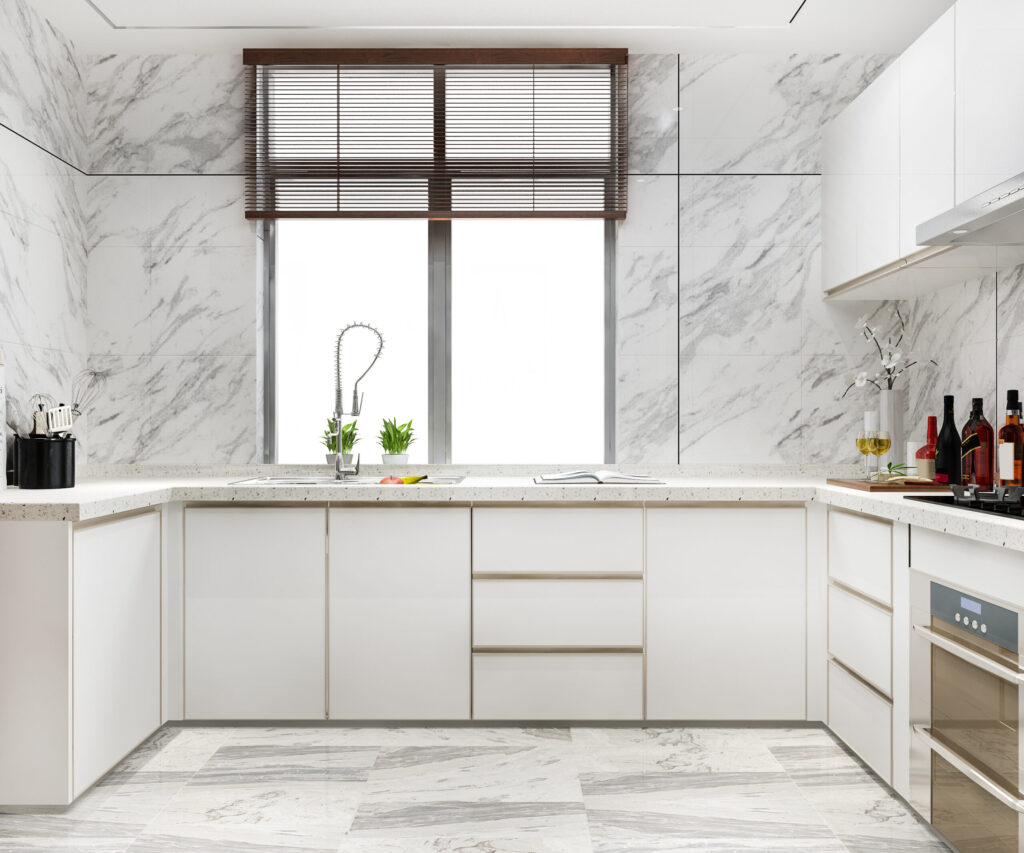
Modern Kitchen with White Shaker Cabinets & quartz Countertops

How to Install Quartz Countertops – A Step-by-Step Guide
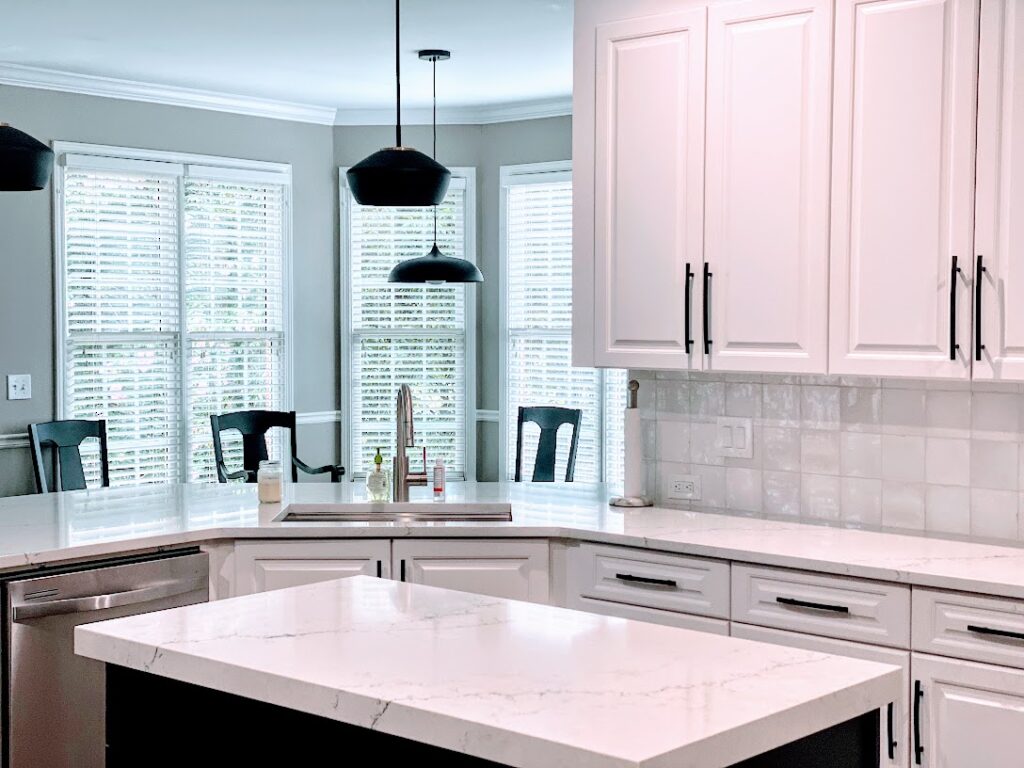
Modern Kitchen with White Shaker Cabinets & quartz Countertops

Quartz countertops have become popular for homeowners due to their durability, elegant appearance, and low maintenance requirements. Whether upgrading a kitchen or designing a new space, installing quartz countertops requires precision and attention to detail. This guide provides a comprehensive installation process overview, ensuring a successful outcome.


Preparing for Installation

Proper preparation is essential before beginning the installation. Start by measuring the counter space accurately, ensuring the dimensions align with the planned design. Quartz slabs are heavy, so having a clear path for moving materials is necessary. It’s also crucial to verify that cabinets are level and structurally sound, as they must support the weight of the quartz without shifting over time. Additionally, determine whether any reinforcements are required to support the added weight, particularly for larger spans of quartz.

Step 1: Gather Necessary Tools and Materials

To complete the installation efficiently, ensure that the following tools and materials are available:

  • Measuring tape
  • Level
  • Adhesive (silicone or epoxy)
  • Clamps
  • Circular saw with a diamond blade
  • Safety gear (gloves, goggles, dust mask)
  • Caulk and a caulk gun
  • Painter’s tape
  • Shims (if needed for adjustments)
  • Screwdrivers and fasteners
  • Soft cloths for cleanup
  • Utility knife
  • Sandpaper (for edge smoothing)

Having everything prepared in advance helps streamline the process and prevents delays. Selecting high-quality adhesives and cutting tools is particularly important to achieve a professional finish and avoid chipping.

Step 2: Remove Existing Countertops

If replacing an old countertop, carefully remove it by unscrewing fasteners and disconnecting plumbing fixtures. Take care to avoid damaging cabinets or walls during removal. Once the surface is cleared, clean the area thoroughly to remove dust and debris, ensuring a smooth base for the new quartz slab. Some countertops, such as granite or laminate, may require additional effort for removal. In some cases, professional assistance is advisable to prevent damage to the existing cabinetry.

Step 3: Dry-Fit the Quartz Countertop

Before applying adhesive, position the quartz slab on the cabinets to confirmthe proper fit. If adjustments are needed, mark the necessary cuts with painter’s tape and use a circular saw with a diamond blade for precision. Double-check the alignment, ensuring the countertop sits flush with the walls and edges.

If there are multiple slabs, align the seams correctly and check for potential gaps. Using a plywood template can help visualize placement and minimize errors before making permanent modifications.

Step 4: Secure the Countertop with Adhesive

Apply a bead of silicone adhesive along the top of the cabinet framework. Gently lower the quartz slab into place, pressing down evenly to secure it. Use clamps to hold the countertop steady while the adhesive sets. Allow sufficient time for curing, usually 24 hours, before proceeding with further steps.

Using the correct type of adhesive for quartz installation is essential, as some products may not provide the necessary bonding strength. A specialized stone adhesive is preferable for ensuring a lasting hold.

Step 5: Seam Alignment and Finishing

For installations requiring multiple slabs, seam placement is key. Align seams carefully and apply adhesive along the joint. Use seam-setting clamps to create a tight bond, minimizing visibility. Once dry, buff the seams to achieve a smooth finish.

To enhance the seamless look, colored epoxy can be used to match the quartz material. Sanding the joint lightly after curing ensures an even, polished finish. Keeping the surface free of dust and debris during this stage is critical.

Step 6: Install the Backsplash

A backsplash enhances the overall look while protecting walls from moisture and spills. Apply adhesive to the back of the quartz pieces and press them firmly against the wall. Secure with painter’s tape until fully set.

If the backsplash needs to be cut to fit electrical outlets or other fixtures, mark the cutouts carefully before making adjustments. A wet saw with a diamond blade is ideal for precise cuts.

Step 7: Reinstall Plumbing and Fixtures

Once the countertop is securely in place, reinstall the sink, faucet, and any necessary plumbing connections. Apply caulk around sink edges to prevent water seepage. Double-check all fixtures to ensure they are properly sealed.

For under-mount sinks, ensure proper adhesion between the sink and the quartz. Using clamps to hold the sink in place while the adhesive cures will help maintain a strong bond. Once reconnected, always check for leaks.

Step 8: Final Touches and Cleanup

Wipe down the surface with a mild cleaner to remove any adhesive residue. Inspect the installation for any gaps or imperfections, applying additional caulk as needed. Allow everything to set completely before using the countertop for daily tasks. Avoid placing heavy objects on the surface during curing to prevent shifting.

Using a high-quality quartz polish can enhance the natural shine and provide additional protection against stains. To keep the countertop in optimal condition, be sure to follow the manufacturer’s care instructions.


Cost Considerations and Maintenance Tips

Installing quartz countertops involves material costs, fabrication, and labor expenses. Pricing varies based on thickness, edge design, and custom cutouts.  

Maintaining quartz surfaces is relatively simple. Clean with a gentle soap and water solution, avoiding harsh chemicals that could dull the finish. Cutting boards, hot pads, and trivets can help prevent damage from excessive heat and sharp objects. While quartz is highly resistant to scratches and stains, regular maintenance will extend its lifespan.


Common Mistakes to Avoid

While quartz countertop installation is a manageable project, mistakes can lead to costly errors. Here are a few common pitfalls and how to avoid them:

  1. Incorrect Measurements – Always double-check measurements before making cuts. Small miscalculations can result in poorly fitting slabs.
  2. Using the Wrong Adhesive – Not all adhesives work with quartz. Ensure that the product is designed for stone surfaces to prevent future detachment.
  3. Neglecting Seam Placement – Poorly placed seams can disrupt the appearance of the counter. Carefully plan and align them for the best results.
  4. Failing to Support Heavy Slabs – Large quartz slabs require sufficient support. Reinforce cabinets if necessary to prevent sagging or breakage over time.
  5. Skipping the Dry-Fit Stage – Always position the slabs before applying adhesive. This allows for last-minute adjustments that can prevent installation mishaps.


Conclusion

By following these steps, homeowners can achieve a flawless quartz countertop installation that enhances the beauty and functionality of their space. Proper preparation, precise execution, and routine maintenance ensure long-lasting performance and satisfaction with the final result. At Atlanta Stone Creations, we specialize in providing premium quartz countertops in Atlanta, Georgia, and surrounding areas in South Carolina and North Carolina. Whether you’re looking for a new kitchen design or a bathroom upgrade, our expert team is here to assist with high-quality materials and professional installation services.

Val Carvalho is a manager at Atlanta Stone Creations, with nearly two decades of experience in the stone and design industry. In addition to her leadership role, Val plays a key part in sales and design, bringing creativity, precision, and a strong sense of style to every project. Known for her warm and collaborative approach, she builds strong relationships with both her team and her clients. Val is passionate about delivering beautiful, high-quality results and creating an exceptional experience from start to finish.

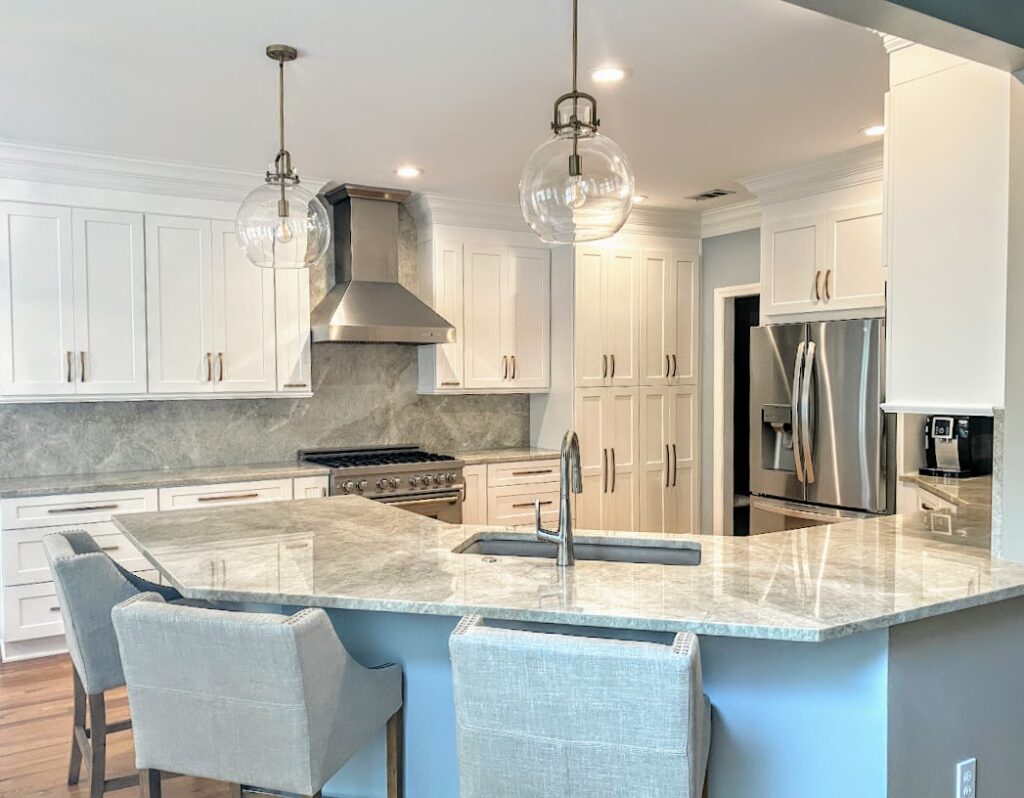
How to Achieve A Marble Look With Quartz Countertops

Spacious Kitchen with White Cabinets, Quartzite Counters & Blue Island

How to Achieve A Marble Look With Quartz Countertops

Spacious Kitchen with White Cabinets, Quartzite Counters & Blue Island

Marble countertops have long been admired for their beauty, but they come with maintenance challenges that may not suit every homeowner. Fortunately, quartz offers an elegant alternative that captures the aesthetic appeal of marble without its inherent drawbacks. This guide explores achieving a luxurious marble-inspired look using quartz countertops, helping homeowners make informed design choices.


Why Choose Quartz Over Marble?

The decision between marble and quartz often comes down to practicality. While marble is a natural stone known for its striking veining and timeless elegance, it is porous and susceptible to staining, etching, and chipping. Quartz, on the other hand, is an engineered stone made from natural minerals and resins. This composition results in a non-porous, highly durable surface that resists stains and scratches while mimicking the elegance of marble.

Quartz is also more budget-friendly in the long run. The initial cost may be comparable to mid-range marble, but with its low maintenance requirements, quartz eliminates the need for periodic sealing and intensive cleaning. For busy households, quartz’s practicality far outweighs marble’s upkeep.


Selecting the Right Quartz Design

Choosing the right quartz slab is crucial to achieving a marble-like effect. Several quartz varieties are designed to replicate the veining and coloration of classic marbles such as Cambria. These options offer soft white backgrounds with delicate or bold veining, closely resembling natural marble but with added durability. Homeowners looking for a more subtle appearance can opt for quartz with light gray veining, while those wanting a dramatic effect may select quartz with striking gold or charcoal veins.


Key Features of Marble-Like Quartz

  • Veining Patterns: Modern quartz manufacturing techniques create realistic veining patterns that mimic natural marble.
  • Color Variations: From crisp white to soft gray, quartz slabs offer a range of shades that complement any kitchen or bathroom design.
  • Finish Options: Choose between polished and matte finishes to match your preferred aesthetic.
  • Edge Profiles: Custom edge designs enhance the resemblance to marble, offering options such as beveled, ogee, or waterfall edges.
  • Consistency: Quartz has controlled patterns unlike natural stone, reducing unwanted color variations and inconsistencies.


Installation Tips for a Seamless Look

Achieving a high-end marble appearance with quartz requires careful installation. To enhance the natural look, opt for larger slabs with minimal seams. Seam placement should be planned strategically to align with the quartz’s veining pattern, ensuring continuity. Using the same quartz slab for backsplashes can create a cohesive and luxurious feel. Additionally, proper lighting can accentuate the veining and add depth to the overall design.


Key Installation Considerations

  1. Choose the Right Slab Size: Fewer seams lead to a more seamless and natural appearance.
  2. Align Veining Properly: Matching patterns across slabs enhances the illusion of natural stone.
  3. Use a Professional Installer: Precision cutting and installation ensure a flawless result.
  4. Consider a Waterfall Edge: This design extends the quartz down the sides of an island or countertop for an elegant touch.


Maintenance Advantages of Quartz

One key benefit of quartz over marble is its low-maintenance nature. Unlike marble, which requires frequent sealing and careful cleaning, quartz is non-porous and resists stains from common household items like coffee, wine, and oil. Simple cleaning with mild soap and water keeps quartz surfaces pristine. Additionally, quartz does not require sealing, making it a cost-effective and practical choice for busy kitchens and bathrooms.

To further protect the surface, avoid using harsh chemicals or abrasive cleaners or placing hot cookware directly on the countertop. While quartz is heat-resistant, prolonged exposure to high temperatures can cause discoloration.


Cost Considerations

While marble is often considered a luxury material, quartz offers a cost-effective alternative without compromising on elegance. The price of quartz countertops varies based on the installation’s brand, color, and complexity. On average, quartz is more affordable than high-end marble, with lower long-term maintenance costs. Homeowners can enjoy the beauty of marble-inspired designs without worrying about expensive upkeep or repairs.


Incorporating Quartz into Different Spaces

Quartz countertops with a marble effect are not limited to kitchens. They are a versatile option for various home applications, including:

  • Bathroom Vanities: Achieve a spa-like ambiance with Carrara-inspired quartz surfaces.
  • Fireplace Surrounds: Add sophistication with marble-look quartz around fireplaces.
  • Shower Walls: Create a seamless and modern aesthetic using large quartz slabs in showers.
  • Dining Tables: Extend the luxurious feel beyond countertops by incorporating quartz into furniture.
  • Office Desks: Elevate workspaces with durable and elegant quartz surfaces.


Common Misconceptions About Quartz and Marble

  1. Quartz Cannot Look Like Marble – With modern manufacturing, quartz closely mimics natural marble, making it nearly indistinguishable from the untrained eye.
  2. Quartz Is Less Durable—Quartz is more durable than marble and is resistant to scratches, stains, and daily wear.
  3. Marble Is Always More Expensive – While premium marble can be pricier, high-end quartz can also come at a premium cost, depending on the brand and design.
  4. Quartz Requires Sealing – Unlike natural stone, quartz is non-porous and does not need sealing.


Final Thoughts

For homeowners seeking the beauty of marble without its maintenance challenges, quartz is an excellent solution. At Atlanta Stone Creations, we offer premium quartz countertops that replicate the elegance of natural stone while providing unmatched durability. Serving Atlanta, Georgia, and surrounding areas in South Carolina and North Carolina, we help customers find the perfect quartz slabs to elevate their interiors. Contact us today to explore our marble-look quartz collection and bring timeless sophistication to your home.

Val Carvalho is a manager at Atlanta Stone Creations, with nearly two decades of experience in the stone and design industry. In addition to her leadership role, Val plays a key part in sales and design, bringing creativity, precision, and a strong sense of style to every project. Known for her warm and collaborative approach, she builds strong relationships with both her team and her clients. Val is passionate about delivering beautiful, high-quality results and creating an exceptional experience from start to finish.

Explore the Different Types of Quartz Countertops

Quartz. -OHMI - Bernini

Explore the Different Types of Quartz Countertops

Quartz. -OHMI - Bernini

Quartz countertops have become a staple in modern kitchen and bathroom designs due to their durability, versatility, and aesthetic appeal. With a wide range of colors, patterns, and finishes available, homeowners and designers can find the perfect quartz countertop to complement any space. This guide explores the different types and styles of quartz countertops, helping you make an informed choice for your next home improvement project.


Understanding Quartz Countertops

Quartz countertops are engineered stone surfaces composed of crushed natural quartz and resin binders. Unlike natural stone options such as granite or marble, quartz countertops are non-porous, making them highly resistant to stains, scratches, and moisture. This characteristic makes them a popular choice for kitchens and bathrooms where durability and easy maintenance are essential.


Different Types and Styles of Quartz Countertops

1. Polished Quartz Countertops

A polished quartz countertop offers a glossy, reflective surface that enhances the material’s color and veining. This finish is popular in contemporary and modern designs, providing a sleek and sophisticated look. Polished quartz is also easy to clean and requires minimal maintenance.

2. Matte or Honed Quartz Countertops

Honed quartz is an excellent option for homeowners looking for a softer, more natural look. This finish has a muted, matte appearance that works well in rustic, industrial, and minimalist spaces. Although it does not reflect light like polished surfaces, honed quartz provides a sophisticated and elegant aesthetic.

3. Textured Quartz Countertops

Textured quartz surfaces offer a unique tactile experience with finishes such as leathered or sandblasted effects. These countertops add depth and character to a kitchen or bathroom while maintaining the durability of traditional quartz. They are ideal for homeowners looking for a distinctive design statement.


Best Grades and Brands of Quartz Countertops

Quartz countertops are available in different grades, which affect the overall quality, durability, and price of the material. The three main categories include:

  • First Choice (Premium Grade): High-quality quartz with consistent patterns, rich colors, and minimal imperfections. These slabs are typically used in high-end kitchen remodels and luxury projects.
  • Commercial Grade: Slightly lower in quality but still offers durability and style. These quartz slabs may have minor imperfections that do not impact their functionality.
  • Builder’s Grade: The most affordable option, often used in large-scale construction projects. These slabs may have more inconsistencies and a thinner composition.

Top quartz brands include Cambria, Silestone, and MSI, known for their durability, extensive design selections, and high-quality manufacturing processes.


Popular Quartz Colors and Patterns

The color and pattern of quartz countertops significantly impact the overall aesthetic of a kitchen or bathroom. Some of the most sought-after colors include:

  • White Quartz: Classic and timeless, white quartz countertops like Cambria or Calacatta-inspired designs offer a clean and elegant look.
  • Gray Quartz: Neutral and versatile, gray quartz pairs well with various cabinetry and decor styles.
  • Black Quartz: A bold and dramatic choice, black quartz countertops create a striking contrast in modern kitchens.
  • Marble-Look Quartz: Mimicking the natural veining of marble, these quartz slabs provide luxury without high maintenance.
  • Speckled or Flecked Quartz: Ideal for those who prefer a more natural, stone-like appearance with subtle color variations.


Quartz Countertop Thickness Options

Quartz countertops come in different thicknesses, which impact their durability and aesthetic appeal:

  • 1 cm (10mm): Thin and lightweight, typically used in commercial applications or as vertical surfaces.
  • 2 cm (20mm): The standard thickness for quartz countertops, balancing durability and cost-effectiveness.
  • 3 cm (30mm): The thickest and most durable option, ideal for luxury kitchen designs and heavily used spaces.


Quartz Countertop Maintenance and Durability

One of the key benefits of quartz countertops is their low-maintenance nature. Unlike natural stone surfaces that require regular sealing, quartz is non-porous and easy to clean with mild soap and water. It resists staining, making it ideal for busy kitchens and bathrooms.

Quartz is also highly durable and resistant to scratches and heat, though cutting boards and trivets are recommended to prolong its lifespan. With proper care, quartz countertops can last for decades, maintaining their beauty and functionality.


Choosing the Right Quartz Countertop for Your Home

When selecting a quartz countertop, consider factors such as:

  • Design Style: Choose a color and finish that complements your kitchen or bathroom decor.
  • Usage: High-traffic areas may benefit from thicker slabs and more durable finishes.
  • Budget: Explore different brands and grades to find a balance between quality and affordability.
  • Maintenance Needs: Choose polished surfaces for easy cleaning or honed finishes for a softer look.


Final Thoughts

Quartz countertops offer a perfect combination of beauty, durability, and ease of maintenance. Whether you prefer a polished, honed, or textured finish, there is a quartz style to match every design preference. At Atlanta Stone Creations, we provide a wide range of premium quartz countertops, serving Atlanta, Georgia, and surrounding areas in South Carolina and North Carolina. Contact us today to explore our collection and find the perfect quartz surface for your home.


Val Carvalho is a manager at Atlanta Stone Creations, with nearly two decades of experience in the stone and design industry. In addition to her leadership role, Val plays a key part in sales and design, bringing creativity, precision, and a strong sense of style to every project. Known for her warm and collaborative approach, she builds strong relationships with both her team and her clients. Val is passionate about delivering beautiful, high-quality results and creating an exceptional experience from start to finish.
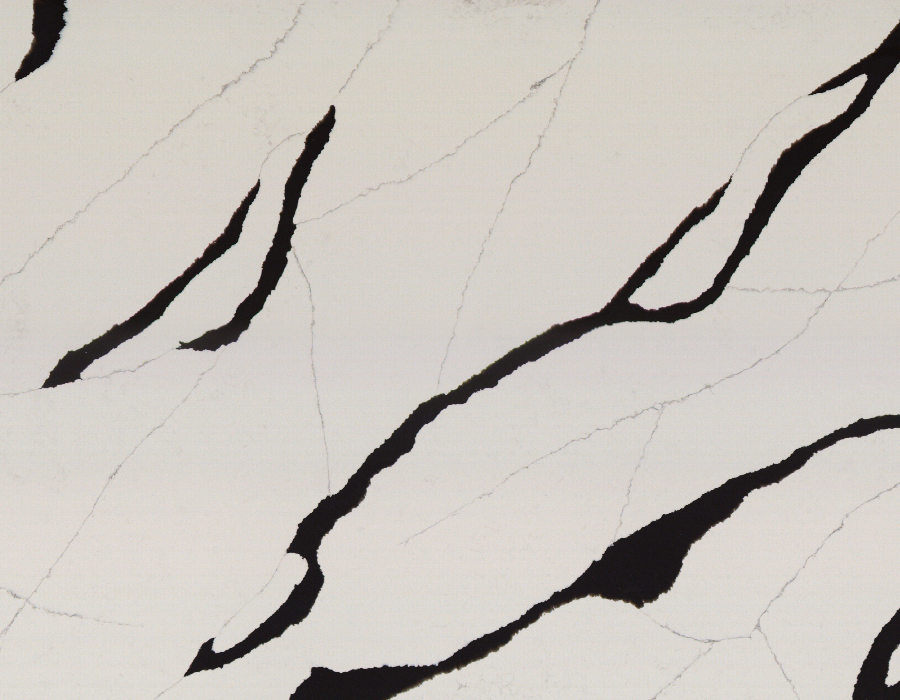
Matte vs Sparkle Quartz Countertops: Which one to Choose?

Quartz - JJ GRanite - Carrara Select

Matte vs Sparkle Quartz Countertops: Which one to Choose?

Quartz - Cambria - NewPort

One of the most important decisions homeowners face when selecting quartz countertops is choosing between a matte finish and a sparkle finish. Each option offers a unique look and functionality, influencing your kitchen or bathroom’s overall aesthetics and practicality. This guide explores the characteristics of both finishes, helping you decide which best suits your home’s design and lifestyle needs.


Understanding Quartz Countertops and Their Finishes

Quartz countertops are engineered stone surfaces made from natural quartz combined with resins and pigments. They are known for their durability, low maintenance, and versatility in design. The finish applied to the quartz slab plays a crucial role in its appearance, texture, and performance.


Matte Quartz Countertops: A Contemporary Choice

A matte quartz countertop offers a soft, velvety surface with minimal reflection. Unlike polished quartz, matte finishes absorb light, creating a subtle and sophisticated look.

Key Characteristics:
  • Understated Elegance: The soft sheen gives countertops a refined and modern aesthetic, complementing contemporary and minimalist kitchens.
  • Low Reflectivity: Ideal for spaces with bright lighting or large windows, as the surface minimizes glare.
  • Smooth Texture: The lack of gloss creates a tactile appeal, making matte quartz comfortable to touch.
  • Hides Imperfections: Matte surfaces effectively conceal smudges, fingerprints, and water spots.
  • Scratch and Stain Resistance: Although durable, matte quartz requires regular cleaning to preventthe buildup of residues.
Best Design Matches:
  • Industrial-style kitchens with concrete or slate accents.
  • Rustic kitchens with natural wood cabinets and earthy tones.
  • Sleek modern interiors featuring neutral palettes and minimalist designs.


Sparkle Quartz Countertops: A Bold Statement

A sparkle quartz countertop features a polished finish with embedded reflective particles that catch and scatter light, creating a dazzling effect. This finish is perfect for those who love a glamorous and eye-catching kitchen or bathroom surface.

Key Characteristics:
  • High Gloss & Shine: Provides a sleek, mirror-like surface that enhances brightness in a room.
  • Luxurious Aesthetic: Adds a sophisticated sparkle that elevates any space.
  • Easy to Clean: The smooth surface allows spills and debris to be wiped away effortlessly.
  • More Pronounced Veining: Polishing enhances the depth and movement of veining patterns in quartz slabs.
  • Reflects Light: Ideal for smaller kitchens or bathrooms, as it creates the illusion of a larger space.
Best Design Matches:
  • Contemporary kitchens with high-gloss cabinets and stainless steel fixtures.
  • Glamorous interiors featuring brass or gold accents.
  • Open-concept kitchens that benefit from additional light reflection.


Comparing Durability and Maintenance

Both matte and sparkle quartz countertops are durable and resistant to scratches, stains, and heat. However, maintenance requirements vary slightly.

Feature

Matte Quartz

Sparkle Quartz

Appearance

Soft, velvety finish

Glossy, reflective finish

Glare Reduction

High

Low

Hides Smudges

Yes

No

Cleaning Ease

Requires more frequent wiping

Easy to clean with mild soap

Scratch Visibility

Less noticeable

More noticeable

Water Spot Visibility

Less visible

More visible


Choosing the Right Quartz Finish for Your Space

The choice between matte and sparkle quartz depends on personal preference, usage habits, and design aesthetics.

Opt for Matte Quartz If:

  • You prefer a subtle, understated look that blends seamlessly with modern and rustic designs.
  • Your kitchen or bathroom has ample natural light, reducing the need for additional reflective surfaces.
  • You want a countertop that hides fingerprints, smudges, and water spots.
  • You like a soft texture that adds warmth and depth to the space.

Opt for Sparkle Quartz If:

  • You love the luxurious, high-end look that polished countertops provide.
  • Your kitchen or bathroom is smaller, and you want a surface that reflects light to make the space feel larger.
  • You prefer countertops that are easy to clean with minimal effort.
  • You enjoy bold, eye-catching surfaces that become the room’s focal point.


Impact of Lighting on Quartz Countertops

Lighting plays a significant role in how each quartz finish appears.

  • Matte countertops absorb light, making them ideal for bright rooms with excessive glare.
  • Sparkle quartz countertops reflect light, brightening up darker spaces and adding a dynamic effect.


Final Thoughts

Both matte and sparkle quartz countertops offer distinct advantages, making them excellent choices for different kitchen and bathroom styles. At Atlanta Stone Creations, we provide high-quality quartz countertops tailored to your design vision. Whether you prefer a soft, modern matte finish or a dazzling sparkle effect, our experts can help you find the perfect quartz surface for your home. Contact us today to explore our collection and bring your dream kitchen or bathroom to life!


Val Carvalho is a manager at Atlanta Stone Creations, with nearly two decades of experience in the stone and design industry. In addition to her leadership role, Val plays a key part in sales and design, bringing creativity, precision, and a strong sense of style to every project. Known for her warm and collaborative approach, she builds strong relationships with both her team and her clients. Val is passionate about delivering beautiful, high-quality results and creating an exceptional experience from start to finish.

How to Clean Quartz Countertops: Do’s and Don’ts

Modern Kitchen with White Cabinets, Quartzite Counters & Stainless Steel Appliances

How to Clean Quartz Countertops: Do’s and Don’ts

Modern Kitchen with White Cabinets, Quartzite Counters & Stainless Steel Appliances

Keeping your quartz countertops clean is essential to maintaining their beauty and longevity. While quartz is durable and resistant to stains, improper cleaning can dull its shine or cause damage over time. This guide outlines the best practices for cleaning quartz countertops, including common mistakes to avoid.


Why Proper Cleaning Matters

Quartz countertops are engineered to be non-porous and highly resistant to stains, making them ideal for busy kitchens and bathrooms. However, using the wrong cleaning products or techniques can degrade the surface over time. By following the proper care methods, you can ensure your quartz countertops remain pristine for years.


Do’s: Best Practices for Cleaning Quartz Countertops

1. Wipe Up Spills Immediately

Even though quartz is resistant to stains, spills should be cleaned quickly to prevent residue buildup. Use a soft cloth or paper towel to wipe away liquids like coffee, wine, and juice before they dry.

2. Use a Mild Dish Soap and Warm Water

Mix mild dish soap with warm water for daily cleaning and apply it with a soft sponge or cloth. This solution effectively removes everyday dirt and grease without harming the countertop surface.

3. Choose Non-Abrasive Cleaning Tools

Always use a microfiber cloth, soft sponge, or non-abrasive scrub pad to avoid scratching the surface. Harsh scrubbing pads can cause minor abrasions that dull the quartz’s polished finish.

4. Disinfect with a Gentle Solution

To kill germs and bacteria, use a diluted mixture of rubbing alcohol and water. Spray lightly on the surface and wipe with a soft cloth. This method keeps your countertops sanitized without damaging the finish.

5. Use a Plastic Scraper for Stubborn Residue

If food or sticky residue has dried onto the surface, gently scrape it off with a plastic putty knife or credit card. Avoid using metal tools, as they may scratch the quartz.


Don’ts: Common Mistakes to Avoid

1. Avoid Using Harsh Chemicals

Strong cleaning agents, such as bleach, ammonia, and oven cleaners, can break down the quartz resin and cause discoloration. Stick to pH-balanced or neutral cleaners designed for stone surfaces.

2. Don’t Use Abrasive Cleaners

Stay away from abrasive powders, scouring pads, or steel wool. These products can leave micro-scratches on the quartz surface, dulling its natural shine over time.

3. Never Place Hot Pots Directly on Quartz

Quartz is heat resistant but not heatproof. Placing hot pots, pans, or baking sheets on the surface can lead to discoloration or thermal shock. Always use trivets or heat-resistant pads to protect your countertops.

4. Avoid Cutting Directly on the Countertop

While quartz is scratch-resistant, sharp knives can leave marks over time. Always use a cutting board when preparing food to keep your countertops in top condition.

5. Don’t Let Liquids Sit for Too Long

Although quartz resists staining, prolonged exposure to acidic liquids like citrus juices, vinegar, and wine can cause discoloration. Wipe up spills promptly to prevent long-term damage.


How to Remove Stains from Quartz Countertops

If you encounter a stubborn stain, follow these steps to remove it safely:

  1. Water and Baking Soda Paste – Mix baking soda with a small amount of water to create a paste. Apply it to the stain, let it sit for 10 minutes, and wipe it away with a damp cloth.
  2. Isopropyl Alcohol Solution—For grease or oil stains, mix equal parts of isopropyl alcohol and water. Apply the solution to the stain and wipe it clean with a soft cloth.
  3. Glass Cleaner for Tough Spots – A mild, ammonia-free glass cleaner can help remove stuck-on grime or streaks. Spray lightly and wipe down with a microfiber cloth.


Maintaining the Shine of Quartz Countertops

  • Polishing: Unlike natural stone, quartz does not require sealing or polishing. However, using a stone-safe polish occasionally can enhance the luster.
  • Daily Maintenance: Wipe the surface regularly to prevent dust buildup and maintain a streak-free finish.
  • Long-Term Care: Avoid prolonged exposure to direct sunlight, as UV rays can fade quartz over time.


Final Thoughts

Properly maintaining your quartz countertops ensures they stay beautiful and durable for years. Follow these do’s and don’ts to keep your surfaces spotless and extend their lifespan. At Atlanta Stone Creations, we provide expert guidance and top-quality quartz countertops for kitchens and bathrooms. Contact us today for more tips on quartz care or to explore our stunning countertop collections!


Val Carvalho is a manager at Atlanta Stone Creations, with nearly two decades of experience in the stone and design industry. In addition to her leadership role, Val plays a key part in sales and design, bringing creativity, precision, and a strong sense of style to every project. Known for her warm and collaborative approach, she builds strong relationships with both her team and her clients. Val is passionate about delivering beautiful, high-quality results and creating an exceptional experience from start to finish.

Can You Put Hot Pans on Quartz Countertops? Heat Resistance Explained

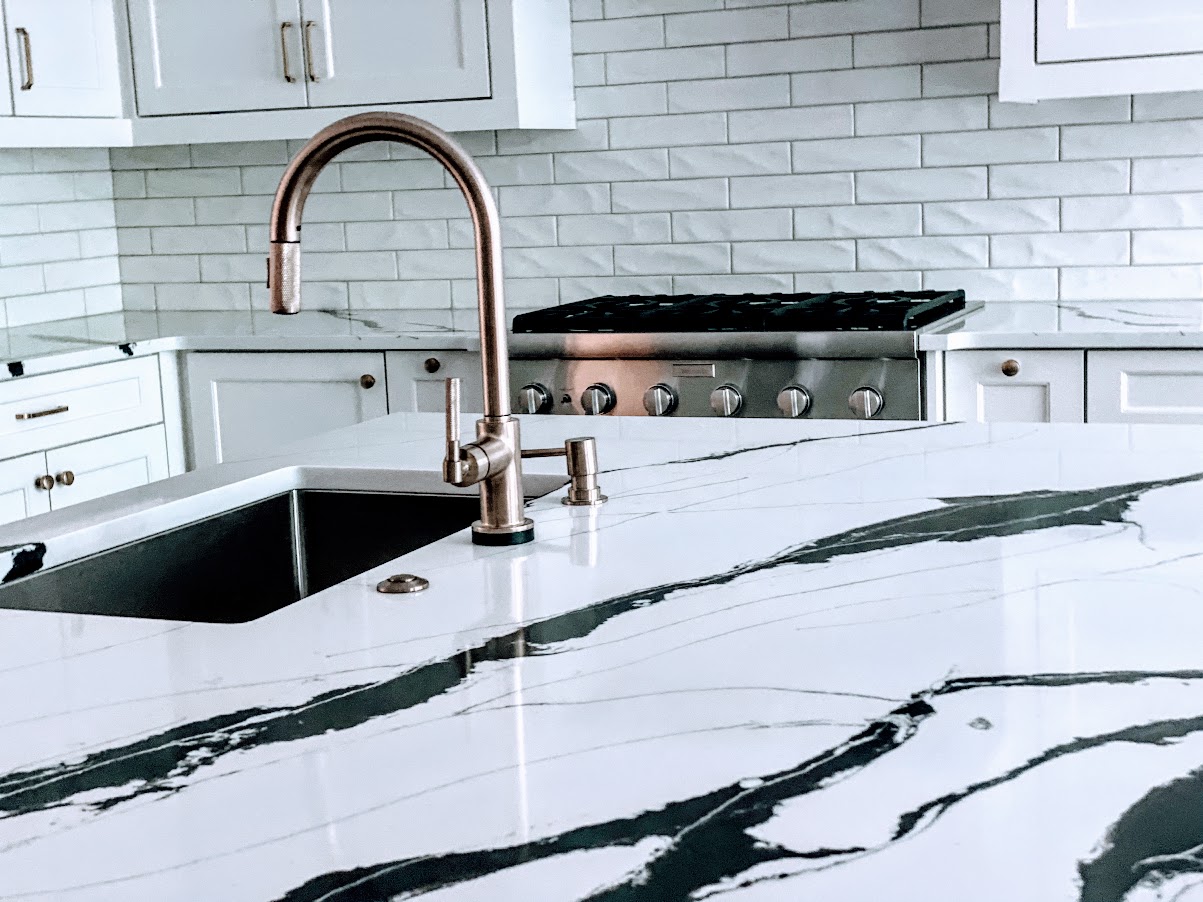
Black and White quartz Kitchen Countertop with Rose Gold Faucet

Can You Put Hot Pans on Quartz Countertops? Heat Resistance Explained

Quartz countertops have become a staple in modern kitchens due to their durability, aesthetic appeal, and low maintenance. However, many homeowners wonder if quartz can withstand heat from hot pots and pans. While quartz is highly durable, it is not entirely heatproof.


What Happens When You Place Hot Pans on Quartz?

Quartz countertops are engineered stone surfaces composed of natural quartz minerals and polymer resins. While quartz is heat-resistant, the resins used in manufacturing are not. The resin can discolor, scorch, or even crack when exposed to high temperatures. Placing hot pans directly on the surface can lead to irreversible damage, including discoloration, burn marks, or warping.


How Does Quartz Compare to Other Countertop Materials?

Material

Heat Resistance

Quartz

Moderate

Granite

High

Marble

Moderate

Quartzite

High

Laminate

Low

Solid Surface

Low

While quartz is more heat-resistant than laminate, it does not offer the same level of protection as granite or quartzite. This means you must take precautions when dealing with hot cookware.


Best Practices for Protecting Quartz Countertops

1. Always Use Trivets or Hot Pads

Placing a hot pad or trivet under pots, pans, or baking trays prevents direct contact with the quartz surface. This simple step can help prevent costly damage.

2. Avoid Direct Contact with High Heat

Items such as slow cookers, air fryers, or toaster ovens should be placed on heat-resistant mats instead of directly on quartz counters. Extended exposure to heat can weaken the resin and cause damage.

3. Clean Up Spills Promptly

Even though quartz is stain-resistant, spills from hot food or liquids should be wiped away immediately to avoid any potential discoloration.

4. Avoid Sudden Temperature Changes

Thermal shock can occur when hot items are placed directly on a cold quartz surface. This can cause cracks or fractures in extreme cases.


Common Misconceptions About Quartz Heat Resistance

1. “Quartz Is Indestructible”

Quartz is durable but not indestructible. High heat exposure weakens its structural integrity over time.

2. “You Can Use Quartz the Same Way as Granite”

Unlike natural stone surfaces like granite or quartzite, quartz contains resins that are susceptible to heat damage. While quartz is an excellent alternative to granite, it requires slightly more care.

3. “Quartz Countertops Are Completely Heatproof”

While quartz can withstand some heat, it is not heatproof. Continuous or extreme exposure to heat can cause permanent damage.


What to Do If Your Quartz Countertop Gets Damaged by Heat

If your quartz countertop has been affected by heat, here are a few steps to mitigate the damage:

  • For mild discoloration: Try using a mild cleaner or baking soda and water paste to scrub the affected area gently.
  • For minor scorch marks: Use a quartz polishing compound to remove the damage.
  • For deep cracks or burns: Contact a professional fabricator or countertop repair specialist.


Final Thoughts

Quartz countertops offer a combination of style, durability, and ease of maintenance. However, they are not invincible when it comes to heat. Always use trivets or hot pads to protect your investment, avoid sudden temperature changes, and clean up spills immediately. At Atlanta Stone Creations, we offer high-quality quartz countertops with expert advice on care and maintenance. Contact us today to explore our wide selection of quartz surfaces!


Val Carvalho is a manager at Atlanta Stone Creations, with nearly two decades of experience in the stone and design industry. In addition to her leadership role, Val plays a key part in sales and design, bringing creativity, precision, and a strong sense of style to every project. Known for her warm and collaborative approach, she builds strong relationships with both her team and her clients. Val is passionate about delivering beautiful, high-quality results and creating an exceptional experience from start to finish.

Creative Ways to Pair Quartz Countertops with Backsplashes

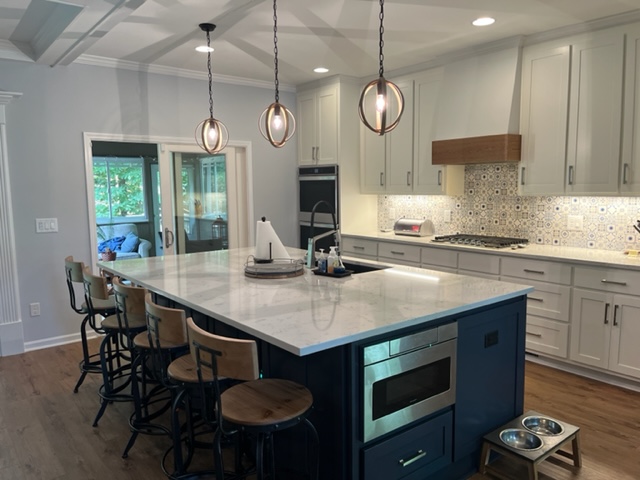
Modern Kitchen with Gray Cabinets, Quartz Countertops, Navy Island, Pendant Lights & Patterned Tile

Creative Ways to Pair Quartz Countertops with Backsplashes

Modern Kitchen with Gray Cabinets, Quartz Countertops, Navy Island, Pendant Lights & Patterned Tile

Choosing the right backsplash to complement your quartz countertop can elevate the design of your kitchen or bathroom. With various materials, colors, and patterns available, homeowners have countless ways to create a visually stunning and cohesive space. Whether aiming for a bold statement or a subtle, elegant look, these creative ideas for pairing quartz countertops with backsplashes will help inspire your next design project.


1. Match the Quartz Countertop with a Full-Height Quartz Backsplash

A full-height quartz backsplash is a luxurious way to create a seamless look in your kitchen. Using the same quartz material for the countertop and backsplash eliminates grout lines, making the space appear larger and more cohesive. This method works exceptionally well in modern and minimalist kitchens where clean lines and a continuous flow of materials enhance the aesthetic appeal.


2. Contrast Dark Quartz Countertops with a Light Backsplash

If you have dark quartz countertops in shades like deep gray, black, or navy, consider pairing them with a light-colored backsplash such as white subway tiles, marble-look porcelain, or a soft beige tone. This contrast creates a balanced and elegant design that allows the countertops to stand out while keeping the overall look fresh and inviting.


3. Pair White Quartz with Bold, Patterned Backsplashes

White quartz countertops provide a neutral foundation for bold and creative backsplash designs. Some stylish options include:

  • Moroccan-inspired tiles with intricate patterns
  • Geometric mosaic tiles in blue, green, or gold
  • Colorful ceramic tiles add warmth and vibrancy This approach adds personality and charm to your kitchen while maintaining the timeless beauty of white quartz.


4. Use Textured or Dimensional Tiles for Depth

A textured or three-dimensional backsplash can introduce depth and interest to a quartz countertop. Consider:

  • Stacked stone for a rustic feel
  • Herringbone or chevron tile layouts for a dynamic touch
  • Glass or metallic finishes reflect light and add modern elegance. Pairing smooth quartz countertops with textured backsplashes creates an engaging contrast that enhances the overall aesthetic.


5. Incorporate a Subway Tile Backsplash for a Classic Look

Subway tiles remain a timeless choice for pairing with quartz countertops. Available in various sizes, finishes, and materials, subway tiles can be arranged in creative layouts such as:

  • Traditional brick pattern
  • Herringbone pattern for added movement
  • Vertical stacking for a contemporary feel Pairing quartz countertops with subway tiles ensures a versatile, classic kitchen design that never goes out of style.


6. Opt for a Waterfall Edge and a Matching Slab Backsplash

Extend the quartz countertop into a waterfall edge for a sleek, modern look, and match it with a full-slab backsplash. This method is ideal for contemporary kitchens where high-end finishes and seamless integration take center stage. The continuous veining from the countertop to the backsplash enhances the elegance of the space.


7. Experiment with Metallic Accents for a Luxurious Feel

Metallic backsplashes, such as brushed gold, stainless steel, or bronze tiles, add a luxurious touch to quartz countertops. These finishes complement white quartz and darker shades, providing a sophisticated contrast. Metallic accents work particularly well in industrial, contemporary, or glam-inspired kitchens.


8. Blend Neutral Quartz Countertops with Warm, Earthy Backsplashes

Neutral quartz countertops, such as taupe, beige, or soft gray, pair beautifully with warm and earthy backsplash materials. Consider options like:

  • Terracotta tiles for a Mediterranean vibe
  • Wood-look porcelain tiles for a cozy, organic feel
  • Natural stone mosaics add texture and richness This combination creates an inviting and well-balanced kitchen atmosphere.


9. Add a Pop of Color with a Glass Tile Backsplash

Glass tile backsplashes are a stylish way to add color and brightness to a quartz countertop. Available in a variety of shades, from aqua blues and emerald greens to deep plums and fiery reds, glass tiles can reflect light and create a lively, modern kitchen design. When paired with a neutral quartz surface, a colorful glass backsplash becomes the room’s focal point.


10. Consider a Matte vs. Glossy Finish Combination

Mixing matte quartz countertops with a glossy backsplash (or vice versa) adds an element of contrast and sophistication. A matte quartz countertop paired with a glossy ceramic or glass tile backsplash enhances depth and shine. On the other hand, a polished quartz countertop matched with a matte-finish backsplash offers a soft, understated elegance.


11. Pair Veined Quartz with a Solid-Color Backsplash

Quartz countertops with dramatic veining (resembling marble) look stunning when paired with a solid-colored backsplash. A simple white, gray, or black tile backsplash allows the veining to take center stage, creating a sophisticated and balanced design without overwhelming the space.


12. Mix and Match Materials for a Custom Look

For those who love a unique and customized approach, mixing different backsplash materials can create a one-of-a-kind design. Consider blending:

  • Quartz slab with mosaic tiles for a blend of elegance and texture
  • Porcelain tile with metal accents adds a dynamic visual effect
  • Marble-look quartz countertops with contrasting wood or brick backsplashes By combining different materials, homeowners can create a tailored space that reflects their style.


Final Thoughts

Pairing quartz countertops with the perfect backsplash can completely transform the look of a kitchen or bathroom. Whether opting for a seamless quartz backsplash, a bold patterned tile, or a classic subway tile design, the right combination enhances the space’s overall aesthetic and functionality. At Atlanta Stone Creations, we offer high-quality quartz countertops and expert guidance to help homeowners create their dream kitchen or bathroom. Contact us today to explore our collection and discover the perfect countertop and backsplash pairings for your home!


Val Carvalho is a manager at Atlanta Stone Creations, with nearly two decades of experience in the stone and design industry. In addition to her leadership role, Val plays a key part in sales and design, bringing creativity, precision, and a strong sense of style to every project. Known for her warm and collaborative approach, she builds strong relationships with both her team and her clients. Val is passionate about delivering beautiful, high-quality results and creating an exceptional experience from start to finish.
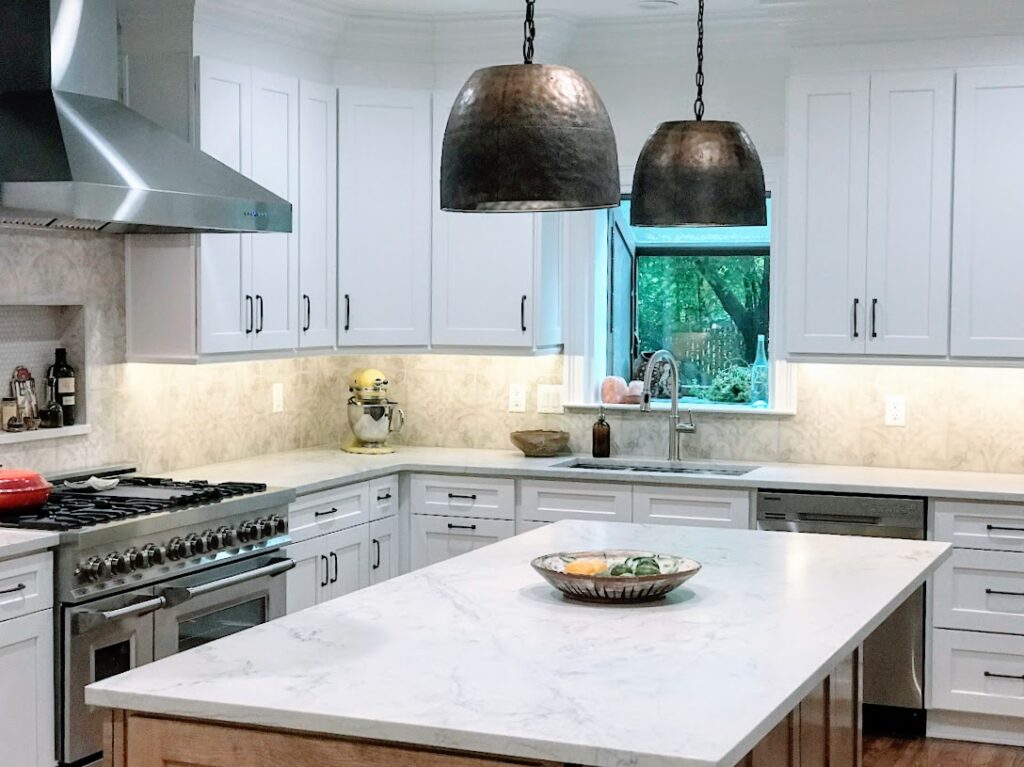
Cambria vs Caesarstone: Which Quartz Brand is Better?

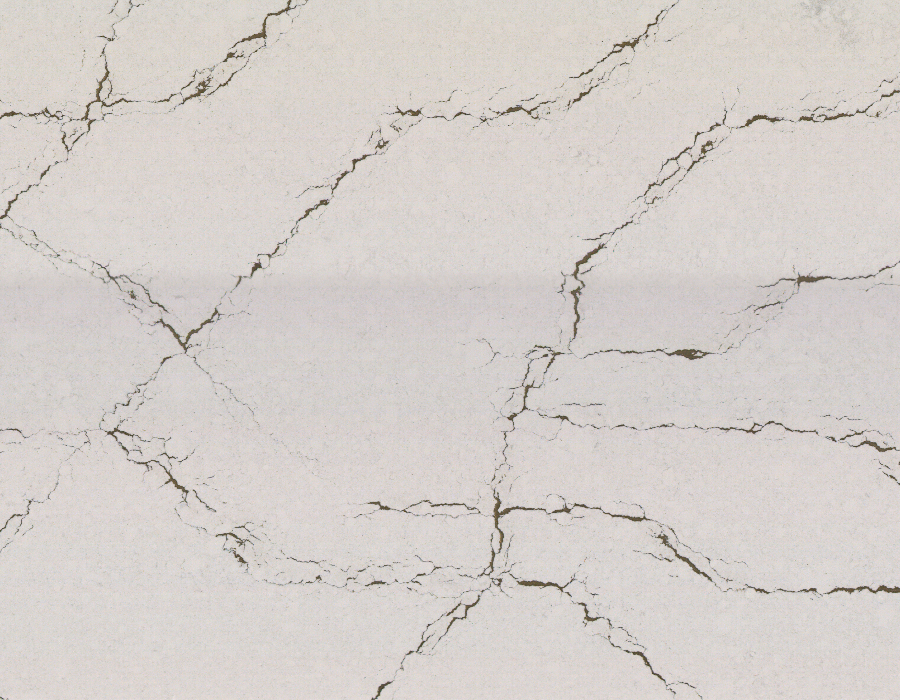
Quartz - Cambria - Berkshire Brass Sculpted

Cambria vs Caesarstone: Which Quartz Brand is Better?

Quartz - Cambria - Berkshire Brass Sculpted

When selecting the perfect quartz countertop for your kitchen or bathroom, two leading brands often come up—Caesarstone and Cambria. Both offer premium engineered stone surfaces, but which is better? While both brands provide excellent durability, stunning designs, and low maintenance, Cambria quartz countertops are the superior option for homeowners seeking luxury, quality, and American-made craftsmanship.


What Sets Cambria and Caesarstone Apart?

Both brands produce high-quality quartz countertops, but differences in origin, manufacturing, designs, and warranties set them apart.


Material Composition and Durability

Caesarstone and Cambria manufacture countertops using over 90% natural quartz combined with resins and pigments. Quartz is highly resistant to scratches, stains, and heat, making it a fantastic choice for kitchens and bathrooms. However, Cambria quartz is engineered to be even more durable, featuring a nonporous surface that is harder and denser than many other quartz options. This makes Cambria less prone to damage and easier to maintain over time.


Design and Aesthetic Appeal

One of the most significant reasons homeowners choose Cambria quartz over Caesarstone is the design selection. Cambria offers various colors, veining patterns, and finishes that closely mimic natural stone, including marble and granite. With collections like Cambria Luxury Series, Coastal Collection, and Signature Series, Cambria provides unique patterns that offer unparalleled beauty and sophistication. Many of their slabs feature deeper veining and bolder aesthetics compared to Caesarstone.

Caesarstone, while stylish, has a more minimalist and contemporary selection. Their designs often lean toward modern, uniform styles rather than the bold, natural stone-inspired patterns that Cambria is known for.


American-Made Quality and Sustainability

One of the standout advantages of choosing Cambria is that it is 100% made in the USA. Unlike Caesarstone, which is manufactured internationally, Cambria is produced under strict U.S. quality control standards. This means faster delivery times, superior quality assurance, and less environmental impact. Supporting a U.S.-based company ensures you are investing in locally sourced products and sustainability practices.


Maintenance and Long-Term Care

Quartz is known for being low-maintenance, and both brands require minimal effort to keep surfaces looking pristine. However, Cambria’s nonporous surface requires no sealing or additional treatments, making it one of the easiest quartz options to care for. Caesarstone also offers low-maintenance surfaces, but some homeowners find lighter-colored slabs more susceptible to stains over time.


Comparing Caesarstone and Cambria Side by Side

Feature

Cambria Quartz

Caesarstone Quartz

Durability

Superior – Denser and more resistant

High durability but slightly less dense

Design Options

Wide variety, bold veining, luxurious patterns

More uniform and contemporary designs

Manufacturing

100% Made in the USA

Manufactured internationally

Maintenance

No sealing required, easy to clean

Low-maintenance, but lighter colors may stain

Warranty

Lifetime Warranty

10-15 years limited warranty

Sustainability

Environmentally friendly, locally sourced materials

Manufactured overseas, higher carbon footprint


Why Cambria is the Better Choice

If you’re looking for the best quartz countertops for your home, Cambria is the superior choice over Caesarstone. With unmatched design variety, a lifetime warranty, and the assurance of American craftsmanship, Cambria offers long-term value and a stunning, durable surface that elevates any kitchen or bathroom.

At Atlanta Stone Creations, we proudly offer Cambria quartz countertops to homeowners seeking elegance, durability, and exceptional quality. Contact us today to explore our selection and find the perfect Cambria countertop for your space!

Val Carvalho is a manager at Atlanta Stone Creations, with nearly two decades of experience in the stone and design industry. In addition to her leadership role, Val plays a key part in sales and design, bringing creativity, precision, and a strong sense of style to every project. Known for her warm and collaborative approach, she builds strong relationships with both her team and her clients. Val is passionate about delivering beautiful, high-quality results and creating an exceptional experience from start to finish.

Quartz Countertops vs. Glass Countertops

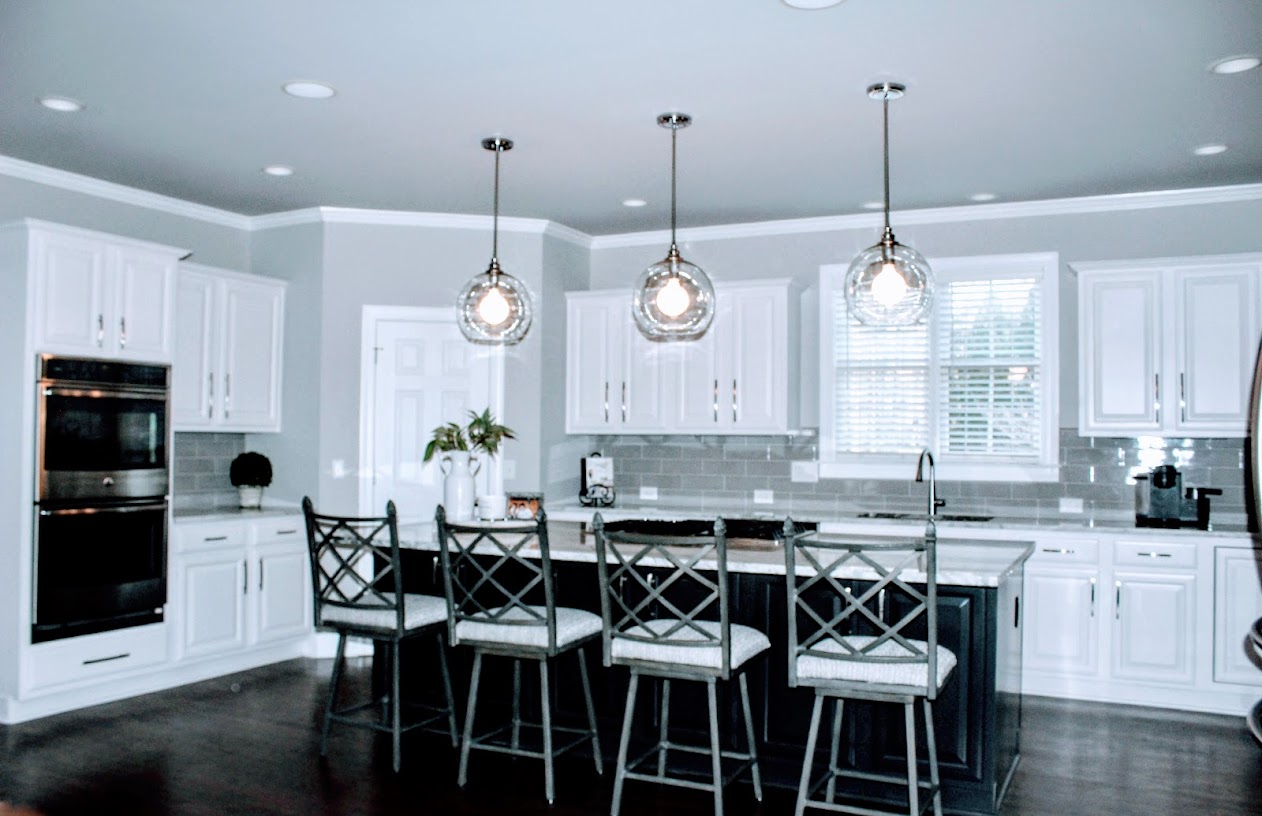
Modern Kitchen with White Cabinets, Gray Island & Quartz Countertops

Quartz Countertops vs. Glass Countertops

When considering a new countertop, quartz and glass might catch your eye with their distinct qualities. Quartz promises resilience and minimal upkeep, while glass captivates with its sleek, modern aesthetic. But which one aligns best with your needs? There’s more than just the surface appearance, like how each material stands up to daily wear or fits your budget. You might find yourself weighing the trade-offs between beauty and practicality. Stay with us to uncover the nuances that could influence your decision and perhaps discover something unexpected about these two popular choices.

Material Composition and Characteristics

Understanding their material composition and characteristics is crucial when choosing between quartz and glass countertops.

Quartz countertops are engineered stone surfaces composed of about 90-95% natural quartz crystals, combined with resins, polymers, and pigments to create a sturdy, non-porous slab. This manufacturing process results in a durable, scratch-resistant surface that’s reliable for various kitchen and bathroom applications. You’ll appreciate quartz’s ability to withstand heat and resist stains, making it a low-maintenance option for busy households.

On the other hand, glass countertops are crafted from recycled glass pieces embedded in a base material like cement or resin or made from a single solid glass slab. This gives them a unique, contemporary look. Glass countertops are non-porous and resistant to bacteria, ensuring a hygienic food preparation surface. They’re also heat-resistant and can handle hot pots and pans, although you should be cautious with heavy impacts as glass can chip or crack.

Both quartz and glass offer environmental benefits but in different ways. Quartz countertops, while not entirely natural, utilize abundant materials and often incorporate recycled content. Glass countertops often use recycled glass, which reduces landfill waste and can be a more sustainable choice if that’s your priority.

When deciding between these two materials, consider your lifestyle and your kitchen or bathroom use. Each has its strengths, and understanding these characteristics will help you make an informed choice that suits both your practical needs and your personal style.

Aesthetic Appeal and Design Options

Embracing the unique aesthetic appeal and versatile design options of quartz and glass countertops can elevate your kitchen or bathroom space.

Quartz countertops offer a polished, sophisticated look that easily complements various traditional and modern styles. Quartz comes in a wide range of colors and patterns, allowing you to mimic the appearance of natural stones like marble or granite or opt for solid, consistent hues. Its engineered nature means you can achieve a uniform aesthetic without unexpected color variations, giving your space a cohesive and refined appearance.

On the other hand, glass countertops introduce a contemporary and striking element to your design. The sleek and shiny surface of the glass adds a touch of modern elegance, making it an eye-catching centerpiece.

Glass countertops can be customized in various textures and colors, from clear and frosted to vibrant and patterned. This flexibility allows you to infuse your personality into the space, creating a truly unique look. Additionally, glass can be backlit, adding a dramatic effect that enhances the ambiance of your room.

When choosing between quartz and glass, consider your space’s lighting and existing decor. Quartz’s matte or glossy finishes can harmonize with warm, natural tones, while glass’s reflective quality pairs beautifully with bold, contemporary palettes.

Both materials offer unique opportunities for personal expression, allowing you to tailor your countertops to your aesthetic preferences. Whether you lean towards quartz’s timeless elegance or glass’s modern allure, your choice will undoubtedly make your space stand out.

Durability and Maintenance

Understanding the durability and maintenance of your countertops is crucial when deciding between quartz and glass. Both materials have unique characteristics that affect how they’ll hold up over time and what kind of care they’ll require.

Quartz countertops are known for their exceptional durability. They’re engineered from natural quartz crystals mixed with resins, making them resistant to scratches, chips, and stains. You won’t have to worry much about everyday wear and tear.

Quartz is non-porous, meaning it doesn’t absorb liquids, which makes cleaning a breeze. A simple wipe with a damp cloth and mild soap is usually all it takes to maintain their shine. Plus, you don’t have to seal them like with other countertop materials, so you save on maintenance time and effort.

Glass countertops, on the other hand, offer a modern and unique look, but they require a bit more attention in terms of durability and care. While tempered glass is quite strong, it’s still more susceptible to scratches and chips than quartz.

You’ll need to use cutting boards to avoid damage. The surface can also show fingerprints and smudges more easily, so regular cleaning is necessary to keep it looking pristine. Use a glass cleaner and a soft cloth to maintain its clarity.

Cost Comparison

Comparing costs is a vital step in choosing between quartz and glass countertops. Both materials have unique qualities and pricing structures that can significantly impact your budget.

Quartz countertops are generally more affordable than glass countertops. This range allows you to select from various styles and qualities without breaking the bank.

Glass countertops, however, tend to be on the pricier side. Glass’s higher price often reflects its customizability and unique aesthetic appeal. If you’re leaning towards a more artistic or personalized kitchen or bathroom space, you might find glass worth the extra investment. 

When budgeting, long-term costs beyond the initial installation should also be considered. Quartz countertops are low-maintenance, reducing the need for regular upkeep expenses. They resist stains, scratches, and heat, providing a durable option that retains its appearance with minimal effort.

Glass countertops, while stylish, can incur higher maintenance costs. They may scratch or chip more easily and sometimes require professional repairs or replacements, adding to your expenses over time.

Environmental Impact

While cost is a significant factor, it’s also important to consider the environmental impact of your countertop choice. When you’re weighing quartz against glass countertops, understanding their eco-friendliness can guide you to a more sustainable decision.

Quartz countertops are engineered from natural quartz, an abundant resource that requires significant energy to extract and process. The production involves mining, which can lead to habitat destruction and soil erosion. Additionally, manufacturing quartz countertops demands high energy consumption, primarily due to the heat and pressure required for production.

Although many manufacturers strive to minimize their carbon footprint by using recycled materials, the process still leaves an environmental mark.

On the other hand, glass countertops have a different ecological footprint. They’re often made from recycled glass, significantly reducing waste and the need for raw materials. Using recycled glass conserves resources and reduces energy consumption since recycling glass requires less energy than producing new glass from raw materials.

Furthermore, glass countertops can be recycled again at the end of their lifecycle, making them a highly sustainable option.

However, it’s worth noting that the production of glass countertops can involve the use of resins and binders, some of which may not be eco-friendly. As you explore your options, seek out manufacturers that commit to using low-VOC (volatile organic compounds) binders and sustainable practices.

Ultimately, choosing between quartz and glass countertops should include reviewing manufacturers’ environmental practices. Your decision can contribute to a healthier planet by opting for products that prioritize sustainability.

Frequently Asked Questions

How Do Quartz and Glass Countertops Affect Indoor Air Quality?

You’re wondering how countertops impact indoor air quality. Quartz countertops don’t emit volatile organic compounds, improving air quality. Glass countertops can be eco-friendly but ensure low adhesives to minimize potential VOC emissions. Choose wisely!


Are Quartz or Glass Countertops More Resistant to Heat Damage?

You’re considering heat resistance, and it’s crucial. Quartz countertops generally handle heat better but are not invincible. Glass countertops are more vulnerable to heat damage, so always use trivets or pads to protect the surface.


Can Quartz or Glass Countertops Be Customized for Unique Kitchen Layouts?

You can definitely customize both types for unique kitchen layouts. Quartz offers flexibility with different shapes and finishes, while glass provides options with various colors and textures. Choose based on your design preferences and practical needs.


Which Countertop Material Is Easier to Repair if Damaged?

Quartz is generally easier to repair when your countertop gets damaged than glass. Quartz’s solid surface allows for simple patching and refinishing. Glass, however, often requires complete replacement due to its brittle nature.


Do Quartz or Glass Countertops Stain More Easily With Common Kitchen Substances?

You’re wondering about stain resistance. Quartz countertops resist stains better because they’re non-porous, while glass countertops can easily stain with substances like wine or coffee. So, if you prioritize easy maintenance, quartz is your best bet.

Conclusion

When choosing between quartz and glass countertops, consider your lifestyle and needs. Quartz’s exceptional durability and low maintenance make it perfect for busy spaces, offering a natural stone look without the hassle. While glass countertops are stylish and customizable, they require more upkeep and are prone to chipping. In terms of cost, quartz is the more affordable and resilient choice. Ultimately, quartz provides a practical and visually appealing solution for most homeowners.

Val Carvalho is a manager at Atlanta Stone Creations, with nearly two decades of experience in the stone and design industry. In addition to her leadership role, Val plays a key part in sales and design, bringing creativity, precision, and a strong sense of style to every project. Known for her warm and collaborative approach, she builds strong relationships with both her team and her clients. Val is passionate about delivering beautiful, high-quality results and creating an exceptional experience from start to finish.
Quartz Countertops vs. Concrete Countertops

Black and White quartz Kitchen Countertop with Rose Gold Faucet

Quartz Countertops vs. Concrete Countertops

When deciding between quartz and concrete countertops, you’re faced with a choice that goes beyond aesthetics. Quartz offers a sleek, non-porous surface that’s easy to maintain, perfect for a modern kitchen setting. On the flip side, concrete provides a unique, customizable look that can add a rustic charm to your space, though it does require more upkeep. Both have their own set of advantages and challenges, but how do they stack up in terms of cost, durability, and environmental impact? Let’s explore the nuances that might sway your decision.

Material Composition

When comparing material composition, quartz and concrete countertops have distinct characteristics. If you’re considering quartz, know that it’s an engineered stone. It’s made by combining natural quartz crystals with resins and pigments. This mixture is then compressed and heated to create a durable, non-porous surface. Because of its engineered nature, quartz countertops offer consistency in texture and color, which means you won’t find unexpected variations.

On the other hand, concrete countertops are made from a mix of cement, aggregates, and water. You can customize these with different colors, textures, and finishes 

during the fabrication process. Concrete is an incredibly versatile material, allowing you to mold it into any shape and size, accommodating unique design needs. However, it’s naturally porous, so you must seal it to prevent stains and moisture damage.

Both materials hold up well under normal kitchen use when it comes to durability, but they each have their vulnerabilities. Quartz’s non-porous surface resists scratches and stains, but it can be damaged by excessive heat, so you should always use trivets or pads under hot pots.

While more heat-resistant, concrete can develop hairline cracks over time and be prone to stains if not properly sealed and maintained.

Quartz is relatively low-maintenance, requiring only regular cleaning with mild soap and water. Concrete requires more care, including periodic resealing to maintain its protective barrier.

Understanding these differences can help you decide which material fits your lifestyle and needs.

Aesthetic Appeal

Dive into the world of aesthetic appeal, and you’ll discover distinct characteristics that set quartz and concrete countertops apart. If you’re aiming for a sleek, polished look, quartz might be your go-to choice.

Quartz countertops offer a uniform appearance thanks to their engineered nature. With a wide range of colors and patterns, you can find everything from a pristine white to a deep, dramatic black or even veined patterns that mimic natural stone like marble.

Conversely, concrete countertops provide a unique, customizable aesthetic that can’t be easily matched. They offer a more rustic and industrial vibe, perfect if you want something distinctive and original.


With concrete, you can incorporate various pigments, finishes, and textures, allowing for unparalleled personalization. You can even embed items like stones or glass to create a truly one-of-a-kind piece.

Consider how each material complements your overall interior design. Quartz’s consistent patterns can provide a modern, clean look that’s easy to coordinate with other elements in your kitchen or bathroom. It’s ideal for those who prefer a bright and polished space.

Meanwhile, concrete can add warmth and character through its organic and textured appearance. It’s great if you appreciate a raw, natural feel.

Ultimately, the choice between quartz and concrete countertops comes down to personal taste and the ambiance you want to create in your space. Each material offers its own unique beauty, so weigh your options carefully to find the perfect match for your style vision.

Durability and Strength

Both quartz and concrete countertops offer impressive resilience in terms of durability and strength, but they excel in different areas.

When you’re considering quartz, its engineered nature gives it formidable strength. Comprising around 90% natural quartz mixed with resins and pigments, quartz countertops are non-porous, making them highly resistant to staining and scratches. This material stands up well to everyday wear and tear, maintaining its glossy finish over time.

Its composition also means quartz won’t easily chip or crack, providing a reliable surface for your kitchen or bathroom.

Conversely, concrete countertops boast a different kind of durability. While they might be more susceptible to stains due to their porous nature, concrete’s innate strength is undeniable.

With proper sealing, they become more resistant to spills and scratches. Concrete’s significant advantage lies in its ability to be customized and reinforced with fibers or mesh, which enhances its overall strength. This makes it an excellent choice for those seeking a unique, sturdy countertop that can handle heavy use.

When comparing the two, think about your specific needs and lifestyle. If you’re looking for a countertop that requires less vigilance against potential damage, quartz’s non-porous and resilient characteristics might suit you best.

However, if you appreciate concrete’s raw, industrial aesthetic and are willing to embrace its natural qualities, including the potential for a bit more maintenance, its robust strength could be the right fit.

Ultimately, both materials provide durable, strong surfaces that can enhance your home for years.

Maintenance Requirements

Some upkeep is necessary when choosing between quartz and concrete countertops and understanding their maintenance requirements is essential.

If you opt for quartz, you’ll appreciate its non-porous surface, which makes cleaning a breeze. Just a mild soap and water solution will keep it looking pristine. Quartz resists stains and doesn’t need sealing, saving you time and effort. However, be cautious with harsh chemicals and high heat, as they can damage the surface. Quartz is relatively low-maintenance, making it ideal if you prefer a hassle-free countertop.

Conversely, concrete countertops demand more attention. They’re porous, so sealing is crucial to prevent stains and moisture damage. Depending on usage, you’ll need to reseal them regularly, typically every one to three years.

Cleaning concrete requires a gentle touch; use a pH-neutral cleaner to avoid damaging the sealant. Always wipe spills promptly to prevent stains from setting in. Additionally, concrete can develop hairline cracks over time, so periodic inspections and possible repairs might be necessary to maintain its integrity.

Regarding maintenance, consider your lifestyle and how much time you will invest in upkeep. Quartz offers a more straightforward routine with minimal fuss, while concrete requires a more hands-on approach.

If you prefer a countertop that looks great with minimal effort, quartz might be the better option. But, if you enjoy the unique aesthetic of concrete and are willing to invest some time in maintenance, concrete can be a rewarding choice.

Cost Comparison

When considering the cost of quartz versus concrete countertops, weighing both the initial expense and long-term investment is essential.

Quartz countertops generally come with a higher upfront price.  On the other hand, concrete countertops can vary significantly in price. Factors like color, texture, and edge design can increase costs. Concrete also requires sealing, which adds to the initial and ongoing expenses. While you might find the base cost appealing, the added costs for maintenance and customization can add up over time.

When deciding between the two, consider each option’s durability and longevity. Quartz is non-porous, making it resistant to stains and damage, which could save you money on repairs and maintenance in the long run.

While durable, concrete may need periodic resealing to maintain its appearance and functionality. This ongoing maintenance could impact your budget over the years.

Ultimately, your choice may depend on the specific look you want and how much you’re willing to spend both initially and over time.

Consider whether the upfront savings with concrete justify the potential long-term costs or if quartz’s higher initial investment offers better overall value for your home.

Environmental Impact

While evaluating costs is vital, it’s equally important to consider the environmental impact of quartz and concrete countertops. When you choose materials for your home, it’s essential to understand how they affect the planet. Let’s dive into the eco-friendliness of each option.

Quartz countertops are engineered from quartz crystals mixed with resin and pigments. The production process involves mining quartz, which can disrupt natural habitats and ecosystems. Additionally, the resin often contains petroleum-based chemicals, contributing to carbon emissions.

However, some manufacturers use recycled materials in their quartz countertops, reducing the environmental footprint. If you’re leaning towards quartz, look for brands that prioritize sustainability.

Conversely, concrete countertops consist primarily of cement, sand, and gravel. Cement production is energy-intensive and releases a significant amount of carbon dioxide into the atmosphere.

However, concrete can incorporate recycled materials like glass or fly ash, reducing its environmental impact. If you opt for concrete, consider using a mix with sustainable additives to reduce its carbon footprint.

Both materials have pros and cons environmentally. Quartz has the advantage of durability, often lasting longer and requiring fewer replacements over time, which benefits the environment.

Concrete can be locally sourced, reducing transportation emissions. To make an informed choice, research the brands and options available, focusing on their sustainable practices.

Installation Process

Installing countertops can seem daunting, but breaking it down into steps makes it more manageable. Whether you choose quartz or concrete, understanding the unique installation process for each can help you decide which material best suits your needs.

The installation process for quartz countertops is relatively straightforward. You’ll start by measuring your kitchen area to ensure the quartz slabs fit perfectly. Once you’ve got the right measurements, you must prepare the base cabinets by reinforcing them.

Quartz is heavy, so a stable foundation is crucial. After that, professionals will cut the slabs to fit your space, considering any sink cutouts or appliance gaps. They’ll use special adhesives to secure the slabs to the base cabinets, ensuring a seamless fit. The final step includes sealing the edges and polishing the surface for a pristine finish.

Conversely, concrete countertops require a more hands-on approach. You’ll begin by building a mold to shape the concrete, often using melamine-coated boards to prevent sticking. Once the mold is ready, you’ll mix and pour the concrete, adding any desired pigments or aggregates.

After pouring, you need to vibrate the mold to remove air bubbles. The concrete must cure for several days before removing the mold. Finally, the surface is sanded, sealed, and polished to achieve a smooth finish.

Both processes demand precision and patience, but you can enjoy stunning countertops that enhance your space with the right approach. Choose the material and method that align with your aesthetic and practical preferences.

Frequently Asked Questions

How Do Quartz and Concrete Countertops Affect Indoor Air Quality?

When you choose countertops, consider their impact on indoor air quality. Quartz countertops are non-porous and resist bacterial growth, while concrete may emit VOCs if sealed improperly. Ensure proper sealing to reduce any potential emissions.


Are Quartz or Concrete Countertops More Resistant to Heat Damage?

You’re wondering about countertop heat resistance. Quartz tends to handle heat better, but prolonged exposure can cause damage. Concrete is more heat-resistant but can crack under thermal stress. Always use trivets or pads to prevent damage.


Can Either Countertop Be Customized With Integrated Sinks or Backsplashes?

Both countertop types can be customized with integrated sinks and backsplashes. Choose your desired style and discuss options with your fabricator. They’ll guide you in creating a seamless, personalized look that perfectly fits your kitchen or bathroom.


What Are the Best Cleaning Products for Each Type of Countertop?

To clean countertops, use mild dish soap mixed with warm water. Avoid acidic or abrasive cleaners that might damage surfaces. A gentle baking soda paste can help with stubborn stains. Always check the manufacturer’s guidelines for specifics.


Do Quartz or Concrete Countertops Have Any Health or Safety Concerns?

When considering countertops, you have to consider potential health concerns. Quartz may emit some VOCs, especially if not properly sealed. Concrete can harbor bacteria if not sealed regularly. Ensure proper installation and maintenance for safety.

Conclusion

When deciding between quartz and concrete countertops, consider what suits your style and needs best. Quartz offers a sleek, low-maintenance option that’s perfect for modern spaces, while concrete provides a customizable, rustic appeal. Remember, quartz is great for resisting stains and scratches, whereas concrete needs regular sealing. Weigh the costs, environmental impact, and installation process too. Ultimately, your choice should reflect your preferences and how much upkeep you’re willing to handle.

Val Carvalho is a manager at Atlanta Stone Creations, with nearly two decades of experience in the stone and design industry. In addition to her leadership role, Val plays a key part in sales and design, bringing creativity, precision, and a strong sense of style to every project. Known for her warm and collaborative approach, she builds strong relationships with both her team and her clients. Val is passionate about delivering beautiful, high-quality results and creating an exceptional experience from start to finish.